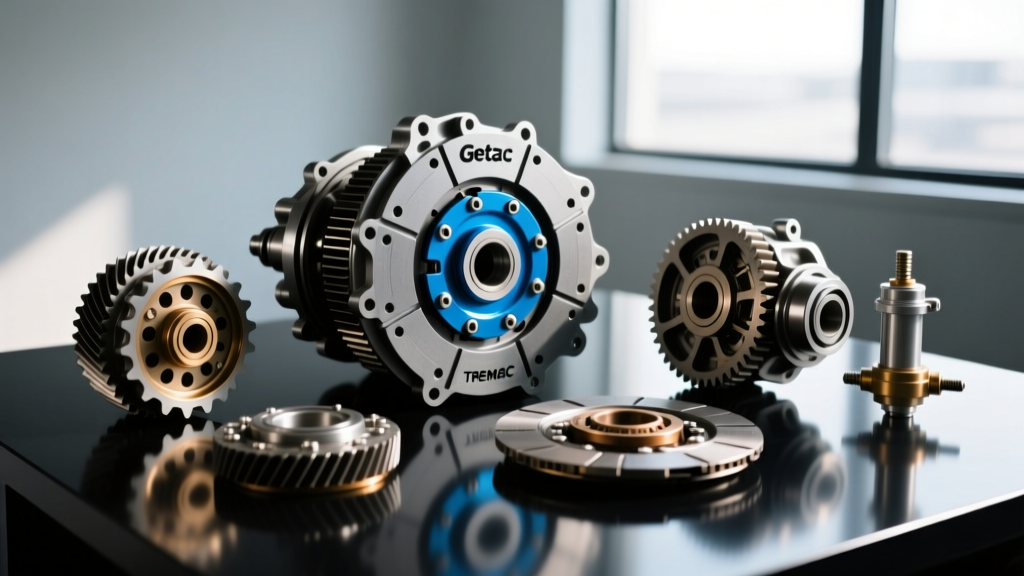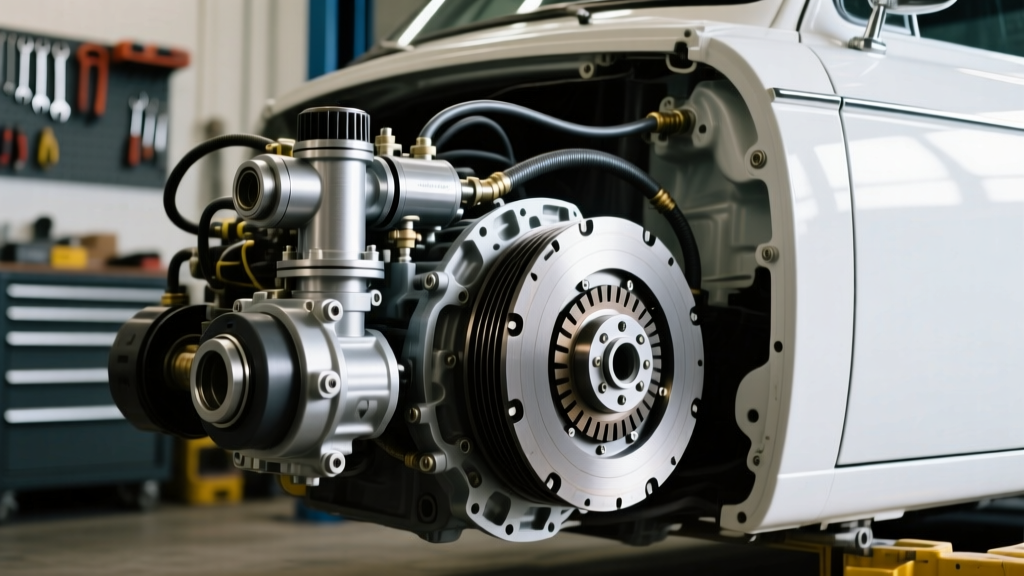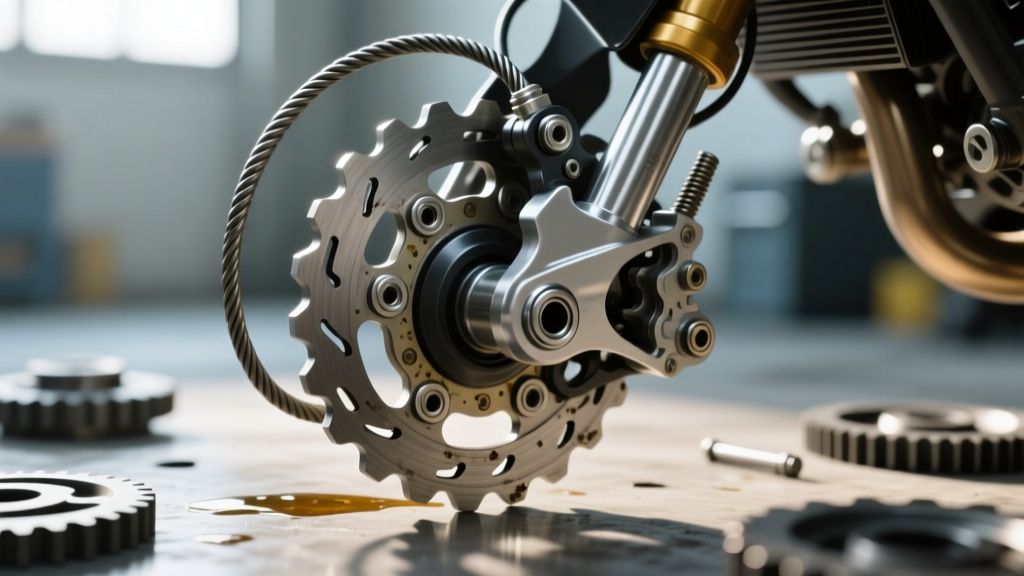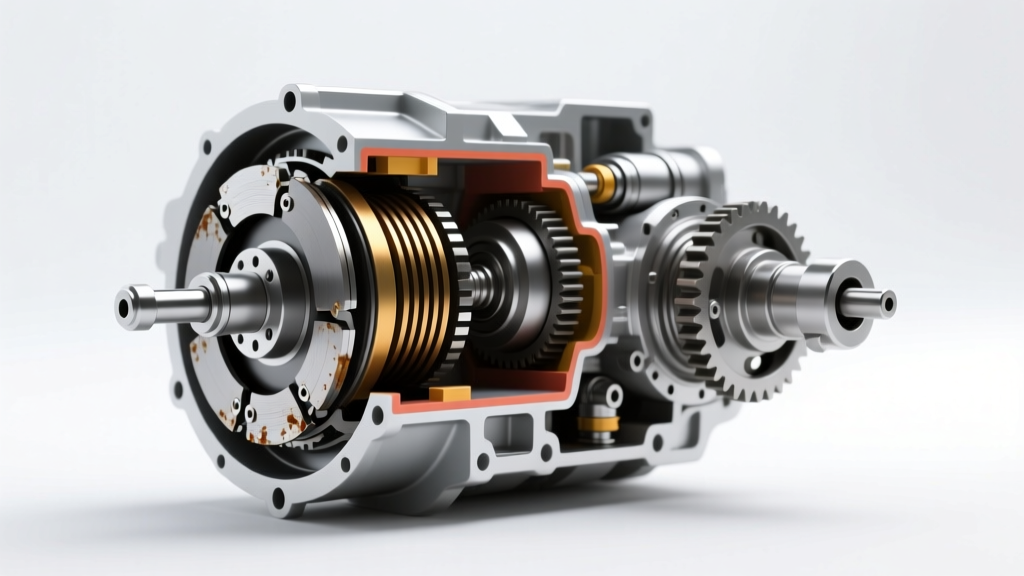
When novices ask what does dual clutch mean, the textbook answer is a system utilizing two separate input shafts and clutch packs to pre-select gears for seamless power delivery. However, when you are elbow-deep in a failing transmission, the definition shifts. In the realm of diagnostics, a dual-clutch system means twice the hydraulic circuits, twice the release mechanisms, and a highly complex mechatronic unit that can mask mechanical failures as electronic faults.
Clutch drag and release problems in Dual Clutch Transmissions (DCTs)—such as the ubiquitous VW/Audi DQ250 (02E) wet DCT or the Ford/Chevrolet dry DPS6 (6DCT250)—often manifest as gear clunking, inability to shift into reverse, or a creeping vehicle at idle. This step-by-step guide will walk you through isolating and resolving DCT clutch drag and release issues with factory-level precision.
Step 1: Electronic Adaptation and Mechatronic Interrogation
Before unbolting a single drain plug, you must determine if the drag issue is a software calibration error or a hard mechanical fault. DCTs rely on clutch position sensors (travel sensors) to monitor the exact millimeter of release bearing movement.
Performing Basic Settings via VCDS or ODIS
- Connect your diagnostic interface and access the Transmission Control Module (TCM), Address 02.
- Navigate to Security Access - 16 and enter the login code (typically 40304 for VAG DSGs) to unlock adaptation channels.
- Select Basic Settings - 04 and choose the clutch adaptation channel (often Group 060 or 061).
- Initiate the adaptation cycle. The mechatronic unit will cycle the solenoids, engaging and releasing both K1 and K2 clutch packs to relearn the bite points.
Expert Insight: If the adaptation aborts with an error code like 'Clutch 1 Travel Too Short' or 'Mechanical Malfunction', the mechatronic unit is physically unable to push the release bearing far enough to disengage the clutch. This confirms a mechanical drag or binding release fork, allowing you to bypass further software troubleshooting.
Step 2: Hydraulic Fluid Analysis and Pressure Verification
In wet DCTs like the DQ250 or the Porsche PDK, the transmission fluid serves a dual purpose: it cools the friction materials and actuates the mechatronic solenoids. If the fluid's friction modifiers break down, the steel and friction plates can literally stick together via surface tension and degraded additives, causing severe clutch drag even when hydraulic pressure is released.
Fluid Specification and Replacement Protocol
Using the incorrect fluid is a primary cause of DCT release failure. Wet DCTs require highly specific fluids with tailored friction coefficients.
- OEM Fluid: VW/Audi G 052 182 A2 (Pentosin FFL-4 equivalent).
- Capacity: DQ250 requires exactly 7.2 liters for a dry fill, but a standard drain-and-fill via the overflow tube yields approximately 4.5 to 5.0 liters.
- Temperature Check: Fluid level must be verified with the transmission pan temperature between 35°C and 45°C (95°F - 113°F).
If the fluid smells burnt or contains excessive metallic particulate (clutch material shedding), the clutch packs are likely warped, creating a physical drag that no fluid change will cure.
Step 3: Mechanical Clutch Pack and Release Bearing Inspection
When adaptations fail and fresh fluid doesn't resolve the creeping or clunking, the transmission must be removed to inspect the dual-clutch assembly and release mechanisms.
Measuring Clutch Pack Clearance
Clutch drag is frequently caused by warped steel separator plates or collapsed wave springs. When the mechatronic unit releases hydraulic pressure, the diaphragm springs must retract. If the plates are warped, they remain in frictional contact.
- Remove the dual-clutch assembly using the specialized OEM puller tool (e.g., T10374 for VAG applications). Never pry the clutch off the input shafts.
- Mount the clutch pack on a bench press with a dial indicator affixed to the center hub.
- Apply downward pressure to compress the pack, then release and measure the rebound travel.
Diagnostic Matrix: DCT Drag and Release Parameters
| Transmission Model | Target Clutch Clearance | Release Mechanism | Common Drag Culprit | Average Repair Cost (2026) |
|---|---|---|---|---|
| VW/Audi DQ250 (02E) | 1.2mm - 1.8mm (per pack) | Hydraulic concentric pistons | Warped steels, degraded FFL-4 fluid | $1,800 - $2,600 |
| Ford/Chevy DPS6 (Dry) | N/A (Dry friction, shim adjusted) | Electric servo-driven mechanical forks | Fork pivot ball wear, servo motor failure | $900 - $1,400 |
| Porsche PDK (ZF 7DT) | 0.8mm - 1.4mm | Hydraulic mechatronic valves | Stuck solenoid valves, sheared snap rings | $4,500 - $7,000 |
Step 4: Inspecting the Release Forks and Concentric Cylinders
In dry DCTs like the DPS6, the release mechanism is entirely mechanical, actuated by electric servo motors pushing on traditional release forks. Clutch drag here is almost always a physical binding issue.
What to Look For:
- Fork Pivot Wear: Inspect the pivot balls and the mating sockets on the release forks. If the grease has dried out or the plastic/metal interface has galled, the fork will not return to its resting position, keeping the throwout bearing pressed against the diaphragm spring.
- Input Shaft Splines: The friction plates must slide freely on the input shaft splines. If rust or debris builds up on the splines, the clutch pack will hang up and fail to release, causing severe gear clash when shifting into reverse or first gear.
- Throwout Bearing Sleeve: Check the hydraulic concentric cylinder sleeve for deep grooves. A scored sleeve will bind the bearing, preventing full disengagement.
Dry DCT Spline Lubrication and Servo Calibration
When reinstalling a dry DCT (like the DPS6), the input shaft splines must be lightly coated with a specific high-temperature grease (such as VW G 000 100 or equivalent molybdenum disulfide paste). Do not over-apply. Excess grease will fling outward under centrifugal force, contaminating the dry friction plates and causing a secondary slipping issue. Furthermore, the electric servo motors that actuate the release forks must be bench-calibrated using a specialized scan tool before installation, ensuring the worm gears inside the actuators are centered. If the servo is installed off-center, it will run out of travel before fully releasing the clutch fork, resulting in a permanent drag condition.
Step 5: Reassembly and Precision Torque Specifications
Proper reassembly is critical to ensuring the release mechanism operates without binding. The alignment of the dual-clutch unit onto the dual input shafts requires patience and exact torque values to prevent housing distortion, which can pinch the release bearings.
Critical Torque Specs (DQ250 / 02E Reference)
- Clutch Hub Retaining Nut: 600 Nm (442 lb-ft) + 90 degrees. (Must be replaced; one-time use stretch nut).
- Mechatronic Unit to Housing Bolts (M6): 10 Nm (7 lb-ft). Over-torquing these will warp the mechatronic valve body, causing internal hydraulic leaks that prevent clutch release pressure from building or venting correctly.
- Bellhousing to Engine Block (M10): 65 Nm (48 lb-ft).
- DCT Fluid Filter Housing: 20 Nm (15 lb-ft).
After reassembly, you must perform a second Basic Settings adaptation to map the new clutch bite points. If the clutches are dragging, the TCM will throw a 'Clutch Adaptation Out of Range' code, forcing you to re-evaluate your mechanical clearances.
Final Thoughts on DCT Release Diagnostics
Understanding what does dual clutch mean in a diagnostic context requires shifting your mindset from traditional single-clutch manual transmissions to a world of integrated electro-hydraulics. Clutch drag and release problems are rarely just 'worn clutches.' They are a symphony of fluid dynamics, solenoid response times, and microscopic mechanical clearances. By following this step-by-step methodology—verifying software adaptations, analyzing hydraulic fluid friction properties, and physically measuring clutch pack rebound—you can accurately diagnose DCT release failures without throwing expensive mechatronic units at a simple mechanical bind. For further reading on DCT hydraulic circuit design and friction material science, refer to technical papers published by the Society of Automotive Engineers (SAE) or OEM service guidelines available through Transmission Digest.