The Shift to Electro-Hydraulic: Understanding Hyundai DCT Architecture
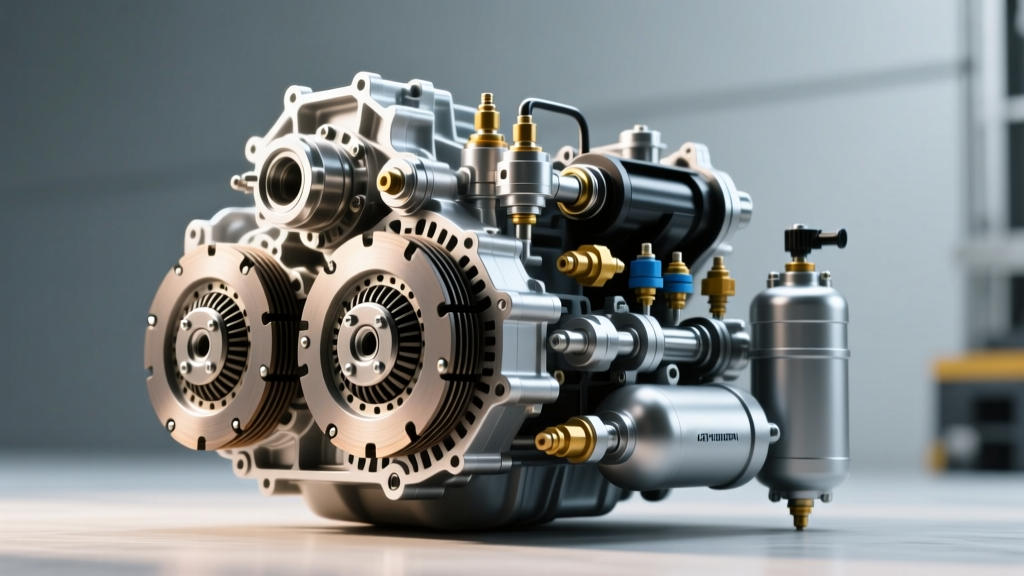
When owners and independent technicians investigate hyundai dual clutch transmission problems, the root cause frequently traces back to the complex interplay between the electro-hydraulic control unit and the clutch actuation circuits. While Hyundai's earlier 7-speed dry DCT (D7UF1) relied heavily on external electric motors for clutch engagement, the newer 8-speed wet dual-clutch transmission (D8LF1), found in models like the Santa Fe, Sonata, and Palisade, utilizes a fully integrated electro-hydraulic mechatronic unit. In this system, hydraulic pressure is responsible for both gear selection and the precise modulation of the wet clutch packs.
Diagnosing hydraulic clutch issues in the D8LF1 requires a fundamental shift from traditional automatic transmission troubleshooting. The hydraulic control unit (HCU) operates at significantly higher pressures than a standard torque-converter automatic, and the tolerance for fluid degradation or solenoid variance is remarkably tight. As we move through the 2026 service landscape, preventive maintenance and precise hydraulic diagnostics are the only reliable methods to avoid catastrophic mechatronic failures and extend the lifespan of these sophisticated drivetrains.
Preventive Maintenance: Hydraulic Fluid and Filter Service
The most common catalyst for hyundai dual clutch transmission problems in wet-clutch models is the breakdown of the specialized dual-clutch transmission fluid (DCTF). Unlike standard ATF, DCTF is engineered to handle the extreme frictional demands of the wet clutch friction materials while simultaneously lubricating the high-pressure hydraulic pump and valve body. Using incorrect fluid, such as CVT fluid or standard SP-IV ATF, will rapidly destroy the clutch friction surfaces and clog the hydraulic solenoids.
| Component / Parameter | Specification / Requirement | Service Interval |
|---|---|---|
| Hydraulic & Clutch Fluid Type | Hyundai Genuine DCTF (SP-IV DCT Equivalent) | N/A |
| Part Number (Reference) | 04300-00130 (Verify via VIN) | N/A |
| Total System Capacity | 6.8 Liters (7.18 US Quarts) | N/A |
| Service Fill Capacity | 4.2 - 4.5 Liters (Drain & Fill) | 60,000 Miles (Severe) / 120,000 Miles (Normal) |
| Fluid Level Check Temp | 40°C - 50°C (104°F - 122°F) | Every Service |
| Inline Hydraulic Filter | Replace with every fluid service | 60,000 Miles |
Expert Note: The fluid level must be checked with the transmission in Park, the engine idling, and the fluid temperature precisely between 40°C and 50°C as read by the Hyundai Global Diagnostic System (GDS). Overfilling will cause aeration in the hydraulic pump, leading to clutch slip and delayed engagements.
Step-by-Step Hydraulic Clutch Diagnosis
When a vehicle presents with symptoms such as harsh 1-2 shifts, delayed reverse engagement, or clutch shudder under load, a systematic hydraulic diagnosis is mandatory before recommending a full transmission replacement.
1. Accumulator Pressure and Pump Duty Cycle Testing
The D8LF1 relies on an electric hydraulic pump to charge the accumulator, which stores high-pressure fluid for immediate clutch actuation. Using a bi-directional scan tool, monitor the Hydraulic Pump Duty Cycle and Accumulator Pressure PID data.
- Normal Operating Pressure: 45 to 55 bar (650 - 800 psi) at idle.
- Pump Duty Cycle: Should remain below 40% at idle. If the pump duty cycle consistently exceeds 75%, it indicates an internal hydraulic leak, a failing pump motor, or a severely clogged hydraulic filter.
- Pressure Drop Test: Command the pump off via the scan tool. The accumulator should hold pressure above 35 bar for at least 60 seconds. A rapid drop indicates a leaking clutch piston seal or a faulty accumulator check valve.
2. Valve Body Solenoid Resistance and Adaptation Values
The mechatronic unit houses multiple Pressure Control Solenoids (PCS) that modulate clutch apply pressure. Over time, clutch material wear changes the volume required to apply the clutch pack. The Transmission Control Module (TCM) compensates by altering the solenoid duty cycle. If the adaptation values max out, the transmission will exhibit harsh shifts or slip codes.
Before condemning the valve body, perform a resistance test on the solenoids. Shift and pressure control solenoids typically read between 2.5 and 5.0 ohms at room temperature. An open circuit (OL) or a short to ground requires mechatronic unit replacement, as individual solenoids are generally not serviced separately by the dealer.
Pro-Tip from the Bench: Always perform a 'Clutch Adaptation Reset' and 'Touch-Point Relearn' via the Hyundai GDS before replacing any hydraulic components. Many perceived 'mechanical' clutch failures are actually software adaptation limits caused by old, degraded fluid. A fluid flush followed by a GDS recalibration resolves up to 40% of reported shift quality complaints.
Common Hydraulic Fault Codes (DTCs)
Accurate diagnosis relies on interpreting manufacturer-specific P-codes. The following codes are frequently encountered when diagnosing Hyundai DCT hydraulic faults:
- P094A - Hydraulic Pump Motor Circuit: Indicates an open or short in the electric pump motor. Check the 30A H/PUMP fuse in the engine bay relay box before replacing the mechatronic unit.
- P2784 - Input/Turbine Speed Sensor Correlation: Often caused by clutch slip due to low hydraulic pressure. Verify accumulator pressure before assuming internal clutch pack failure.
- P0901 - Clutch Actuator Circuit Range/Performance: In wet DCTs, this points to a sticking pressure control solenoid or a mechanical binding in the clutch apply piston.
- P2783 - Dual Clutch Transmission Temperature Sensor: A failing temp sensor will cause the TCM to default to maximum line pressure, resulting in extremely harsh, banging shifts.
Component Replacement and Torque Specifications
If hydraulic diagnosis confirms a failed mechatronic unit or hydraulic pump, precise reassembly is critical. The D8LF1 case is cast aluminum and highly susceptible to thread stripping if torque specifications are ignored.
| Component | Torque Specification | Estimated Part Cost (OEM) | Labor Time |
|---|---|---|---|
| Mechatronic Unit (HCU) to Case | 10 - 12 Nm (7.4 - 8.9 lb-ft) | $1,800 - $2,600 | 4.5 Hours |
| Hydraulic Pump Motor Assembly | 18 - 22 Nm (13 - 16 lb-ft) | $450 - $650 | 1.5 Hours |
| Transmission Oil Pan Bolts | 8 - 10 Nm (5.9 - 7.4 lb-ft) | N/A (Reuse/Sealant) | 1.0 Hour |
| Inline Hydraulic Filter Housing | 15 Nm (11 lb-ft) | $45 - $75 | 0.5 Hours |
Sourcing and Expert Resources
Diagnosing and repairing modern dual-clutch systems requires access to up-to-date technical service bulletins (TSBs) and precise engineering standards. Technicians should regularly consult the Hyundai Service Portal for the latest GDS software updates and clutch adaptation procedures. Furthermore, understanding the frictional and viscosity requirements of DCT fluids is governed by standards outlined by SAE International. Finally, for tracking widespread manufacturing defects or safety recalls related to transmission hydraulic failures, the National Highway Traffic Safety Administration (NHTSA) database remains an indispensable tool for automotive professionals.
Conclusion
Hyundai dual clutch transmission problems are rarely sudden, catastrophic events; they are almost always the culmination of ignored preventive maintenance and deferred hydraulic diagnostics. By adhering to strict fluid service intervals, utilizing bi-directional scan tools to monitor accumulator health, and understanding the intricate adaptation logic of the D8LF1 TCM, technicians can accurately diagnose hydraulic clutch faults, save customers thousands in unnecessary teardowns, and ensure the longevity of Hyundai's advanced drivetrain technology.