The Anatomy of Hydraulic Clutch Failure
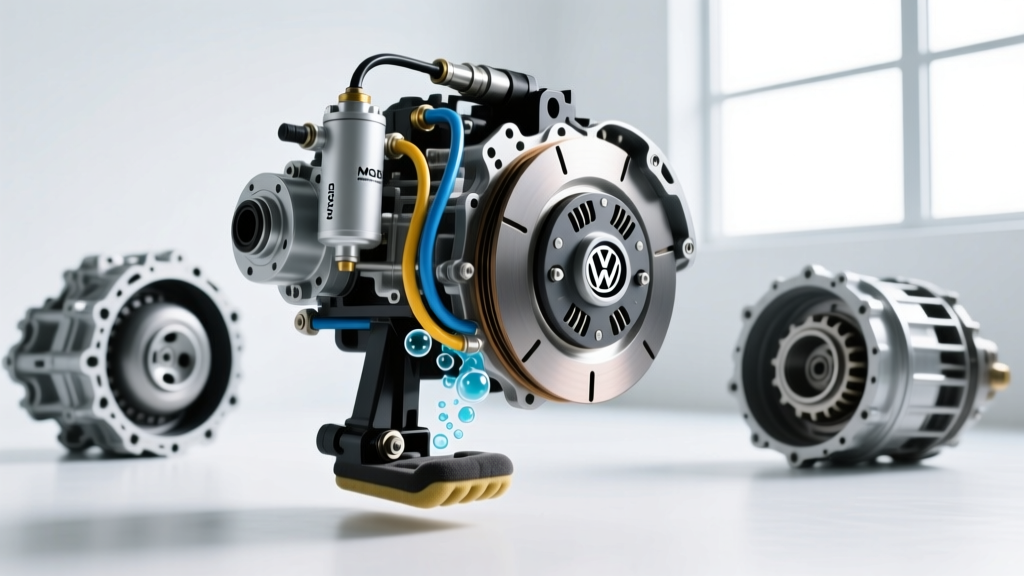
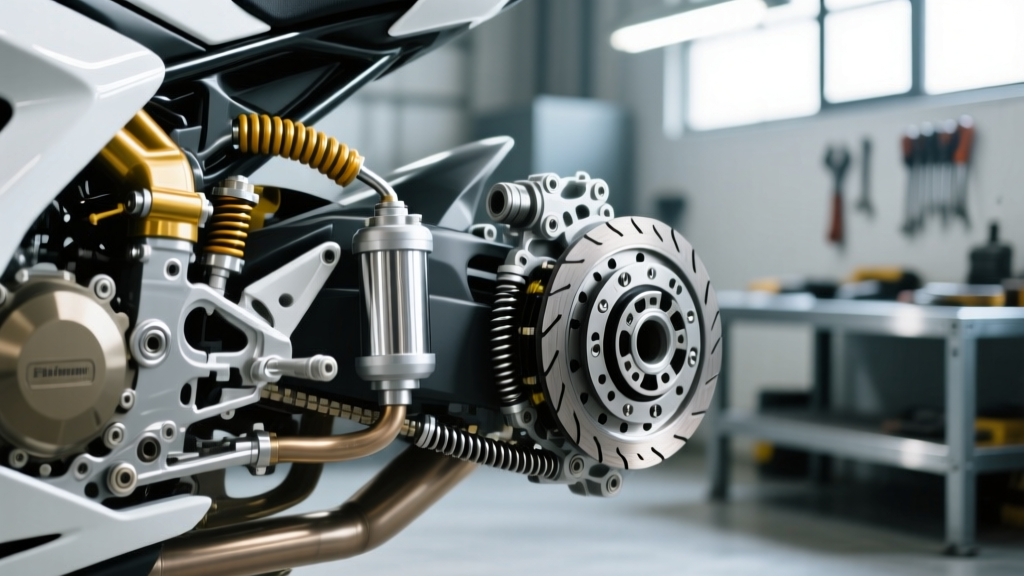
In enthusiast and mechanic circles, the sudden, catastrophic loss of hydraulic pressure—often dramatized on forums as the 'Mr. Clutch motorcycle death' scenario—refers to the terrifying moment a hydraulic clutch line bursts or a master cylinder seal bypasses in heavy traffic. Whether you are riding a modern sportbike with a Brembo RCS19 master cylinder or maintaining a classic cruiser with a Magura hydraulic setup, a clutch that refuses to disengage or suddenly goes completely limp is not just an inconvenience; it is a severe safety hazard.
As we move through 2026, hydraulic clutch systems have become the undisputed standard across almost all manual motorcycles and performance vehicles. They offer superior modulation and eliminate the friction and wear associated with traditional cable-actuated systems. However, hydraulic systems introduce fluid dynamics, seal degradation, and thermal management into the equation. This preventive maintenance guide will walk you through the precise diagnostics required to identify hydraulic faults before they result in a catastrophic failure.
Defining the 'Mr. Clutch Motorcycle Death' Scenario
The colloquial term 'Mr. Clutch motorcycle death' typically describes a specific failure mode: the internal cup seal inside the master cylinder rolls, tears, or bypasses under load. When this happens, the fluid bypasses the piston rather than being pushed down the hydraulic line. The rider pulls the lever to the handlebar, but the clutch remains fully engaged. If this occurs while in gear at a stoplight, the rear wheel will spin, the engine will stall, or worse, the bike will lurch forward unpredictably. Understanding the early warning signs of this failure is the cornerstone of hydraulic system diagnosis.
Step-by-Step Hydraulic System Diagnosis
Before tearing into the master cylinder or replacing the slave, you must perform a systematic diagnosis. Use this flowchart to isolate the fault in your hydraulic circuit.
- Symptom: Spongy Lever or Inconsistent Bite Point
- Diagnosis: Air ingress or moisture-contaminated fluid. DOT fluids are hygroscopic and absorb water from the atmosphere, which boils under high clutch-pack temperatures, creating compressible gas bubbles.
- Action: Perform a complete system flush and reverse bleed.
- Symptom: Lever Pulls to the Bar with Zero Resistance
- Diagnosis: Master cylinder internal seal failure (cup seal bypass) or a blown banjo bolt crush washer.
- Action: Inspect the master cylinder reservoir for fluid loss. If the reservoir is full but pressure is absent, rebuild or replace the master cylinder piston assembly.
- Symptom: Clutch Dragging / Refusal to Disengage
- Diagnosis: Blocked master cylinder compensation port, swollen slave cylinder seal, or a severely warped clutch basket.
- Action: Check the tiny compensation port inside the reservoir. If debris or degraded rubber from an incompatible hose is blocking it, fluid cannot return to the reservoir, keeping the slave cylinder partially engaged.
- Symptom: Fluid Weeping at the Transmission Case
- Diagnosis: Slave cylinder piston seal failure.
- Action: Locate the 2mm weep hole at the bottom of the slave cylinder. If fluid is dripping from this hole, the internal seal is compromised and the slave cylinder must be rebuilt or replaced immediately.
Fluid Dynamics: DOT vs. Mineral Oil
One of the most critical aspects of hydraulic clutch maintenance is understanding the chemistry of the fluid inside the system. Mixing incompatible fluids will destroy rubber seals within hours, leading directly to the sudden pressure loss mechanics dread. According to Magura's official technical support documentation, introducing DOT fluid into a mineral oil system will cause the seals to swell and rupture.
| Fluid Type | Dry Boiling Point | Wet Boiling Point | Hygroscopic? | Service Interval |
|---|---|---|---|---|
| DOT 4 | 446°F (230°C) | 311°F (155°C) | Yes | 1-2 Years |
| DOT 5.1 | 500°F (260°C) | 356°F (180°C) | Yes | 1-2 Years |
| Mineral Oil | N/A | N/A | No | 3-5 Years |
As detailed in Brembo's comprehensive guide to hydraulic fluids, DOT 4 and DOT 5.1 fluids absorb approximately 2% water by volume over a 12-month period. This moisture drastically lowers the wet boiling point. In a hydraulic clutch system, the slave cylinder sits directly adjacent to the engine case and exhaust headers, subjecting the fluid to intense radiant heat. If the fluid boils, the lever will feel completely spongy until the system cools down.
Advanced Bleeding and Torque Specifications
Traditional 'pump-and-hold' bleeding methods often leave microscopic air bubbles trapped in the master cylinder's internal crevices or the banjo bolt recesses. For a bulletproof hydraulic clutch, professional technicians rely on Reverse Bleeding.
The Reverse Bleed Technique
- Attach a 60ml Luer-Lock syringe filled with fresh, degassed fluid to the slave cylinder bleeder nipple using 5/16" clear vinyl tubing.
- Open the bleeder valve and slowly inject fluid upward through the system. Because air naturally rises, pushing fluid from the bottom forces all trapped air up into the master cylinder reservoir.
- Keep the master cylinder cap off and monitor the fluid level to ensure it does not overflow onto your paintwork (DOT fluid is highly corrosive to motorcycle clear coats).
- Close the bleeder valve, remove the syringe, and verify lever firmness.
Expert Warning: Never use petroleum-based solvents or brake cleaners to clean hydraulic clutch components. These chemicals will cause the EPDM rubber seals to swell and fail. Always clean parts using only fresh DOT fluid or isopropyl alcohol.
Precision Torque Specifications
Over-torquing hydraulic fittings is a leading cause of cracked master cylinder housings and stripped threads. Always use a calibrated 1/4-inch drive torque wrench when reassembling the hydraulic circuit.
| Component | Thread Size | Torque Spec | Technical Notes |
|---|---|---|---|
| Master Cylinder Clamp | M6 | 8-10 Nm | Do not overtighten on aluminum handlebars; use a torque wrench. |
| Banjo Bolt (Steel Body) | M10x1.0 / M10x1.25 | 20-25 Nm | Always use new copper or aluminum crush washers. |
| Banjo Bolt (Aluminum Body) | M10x1.0 | 15-18 Nm | High risk of stripping Brembo/Magura forged housings if over-torqued. |
| Slave Cylinder Mount | M6 / M8 | 10-12 Nm | Apply medium-strength (Blue) threadlocker to prevent vibration backing out. |
The 2026 Preventive Maintenance Protocol
To ensure your hydraulic clutch system remains reliable and to completely avoid the dreaded 'Mr. Clutch motorcycle death' scenario, implement this strict preventive maintenance schedule. Modern performance motorcycles generate more heat than ever before, making fluid management paramount.
- Monthly Visual Inspection: Check the master cylinder sight glass or reservoir level. Inspect the rubber brake/clutch lines for micro-cracking, UV damage, or swelling. If your bike is older than 2015, consider upgrading to PTFE-lined stainless steel braided lines (e.g., Spiegler or Galfer) to eliminate volumetric expansion under heat.
- Bi-Annual Fluid Flush (DOT Systems): Every two years, completely evacuate the DOT fluid. Flush the system with fresh DOT 4 or DOT 5.1. Pay special attention to the slave cylinder, as water-heavy fluid settles at this lowest point, causing internal corrosion and piston pitting.
- Mineral Oil System Care: While Magura mineral oil does not absorb water, condensation can still form inside the reservoir. Every three to five years, flush the system to remove any pooled water or particulate debris that could block the compensation port.
- Clutch Pushrod Adjustment: On models with an external slave cylinder pushrod, verify the free-play. Too little free-play prevents the master cylinder piston from fully retracting, blocking the compensation port and causing the clutch to slip under heavy load, eventually burning out the friction plates.
By treating your hydraulic clutch system with the same diagnostic rigor as your engine's valvetrain, you eliminate the guesswork and prevent sudden, dangerous failures on the road. Proper fluid selection, precise torque application, and advanced bleeding techniques are the hallmarks of a professional-grade maintenance routine.