The Parallel Hybrid Reality: Beyond the eCVT Myth
When discussing hybrid drivetrains, a common misconception among novice technicians is that all hybrids utilize an electronically controlled continuously variable transmission (eCVT). While the Toyota Hybrid Synergy Drive (e.g., Prius, Camry Hybrid) relies on a planetary gearset and motor-generators without a traditional torque converter, the landscape of parallel hybrids and mild-hybrids tells a vastly different story. Vehicles equipped with the Hyundai/Kia TMED (Transmission Mounted Electrical Device), Ford's 6F35 Hybrid, and ZF 8HP-based mild-hybrid systems utilize complex, multi-clutch torque converters to manage the handoff between the internal combustion engine (ICE) and the electric motor.
Because these systems endure the immense stress of auto-start/stop events, regenerative braking torque reversals, and high-voltage thermal loads, a standard diagnostic approach falls short. A comprehensive torque converter inspection in a hybrid vehicle requires an understanding of electromechanical integration, specialized fluid dynamics, and advanced PID telemetry. In this 2026 diagnostic guide, we break down the unique failure modes of hybrid torque converters and outline the precise steps for accurate troubleshooting.
Unique Failure Modes in Hybrid Torque Converters
Hybrid torque converters are subjected to operational cycles that conventional automatic transmissions never experience. Understanding these stress points is critical before pulling the transmission pan or dropping the drivetrain.
1. Auto-Start/Stop (ASS) TCC Fatigue
In a conventional vehicle, the Torque Converter Clutch (TCC) locks and unlocks primarily during gear shifts or steady-state cruising. In a parallel hybrid like the Ford Escape Hybrid (6F35) or Hyundai Sonata Hybrid (6-speed/8-speed TMED), the TCC is commanded to slip or unlock multiple times per mile to facilitate seamless ICE shut-offs and restarts. This rapid cycling accelerates the degradation of the TCC friction lining, leading to micro-slippage and severe shudder during engine handoff events.
2. Regenerative Braking Torque Reversal
During aggressive regenerative braking, the electric motor acts as a generator, sending reverse torque through the transmission input shaft. The torque converter's stator one-way clutch and the TCC damper springs must absorb these harmonic vibrations. Over time, the damper springs can fatigue or fracture, resulting in a metallic rattling noise at low RPMs and erratic lockup behavior.
3. Integrated Motor-Generator Thermal Stress
In mild-hybrid systems utilizing a Belt Integrated Starter Generator (BISG) or an integrated transmission motor (like ZF's 8HP with an internal e-motor), the torque converter operates in a higher ambient thermal environment. Excessive heat degrades the transmission fluid's friction modifiers, causing the TCC to apply harshly or chatter, often triggering a P0741 (Torque Converter Clutch Circuit Performance/Stuck Off) code.
Core Symptoms of Hybrid TC Failure
Before initiating a physical teardown, identify these hallmark symptoms that differentiate hybrid TC failure from standard drivetrain issues:
- Engine Handoff Shudder: A violent 2-3 second vibration specifically when the ICE restarts at a stoplight, often felt through the steering wheel and brake pedal.
- Regenerative Braking Jerkiness: A pulsating sensation or 'surging' feeling when lifting off the accelerator at speeds between 25-40 mph, indicating TCC drag or stator clutch failure.
- RPM Flares During EV-to-ICE Transition: The engine RPM spikes without a corresponding increase in vehicle speed when the hybrid system demands sudden power, pointing to severe TCC slippage.
- Whining or Growling at Idle: A failing stator one-way clutch or a damaged impeller hub bearing will generate a distinct growl that changes pitch when the electric motor engages the input shaft.
Step-by-Step Hybrid Torque Converter Inspection Protocol
Performing a hybrid torque converter inspection requires specialized diagnostic routines. You cannot rely on traditional brake-torque stall tests, as the hybrid control module (HCM) will intervene, shut down the ICE, or engage the electric motor, skewing the data and potentially damaging the high-voltage system.
Phase 1: Bi-Directional Scan Tool & PID Analysis
Connect an advanced bi-directional scanner (e.g., Snap-on Zeus+, Autel MaxiSys Ultra) and access the Transmission Control Module (TCM) and Hybrid Control Module (HCM). Monitor the following live data PIDs during a controlled road test:
- TCC Slip RPM: Under steady-state lockup (usually 45+ mph), slip should be between -10 and +10 RPM. Consistent slip above 50 RPM indicates worn friction material.
- TCC Duty Cycle / PWM Solenoid Current: Compare the commanded duty cycle against actual line pressure. If the TCM commands 85% duty cycle but slip remains high, the hydraulic circuit or clutch is compromised.
- Transmission Fluid Temperature (TFT): Hybrids run cooler due to frequent ICE shut-offs. If TFT exceeds 210°F (99°C) during normal driving, the TCC is likely slipping continuously, generating excessive shear heat.
Phase 2: Oscilloscope Testing of the TCC Solenoid
Because hybrid TCC solenoids pulse at high frequencies to manage the delicate ICE/EV handoff, a multimeter is insufficient. Back-probe the TCC PWM solenoid control wire and use an automotive oscilloscope. According to SAE technical papers on hybrid transmission dynamics, a healthy PWM signal should show clean, square voltage waves with rapid rise times. Rounded edges or voltage dropouts indicate a failing solenoid coil or a wiring harness chafing issue near the transmission case pass-through connector, which is a common fault in high-voltage environments.
Phase 3: Fluid Analysis and Physical Inspection
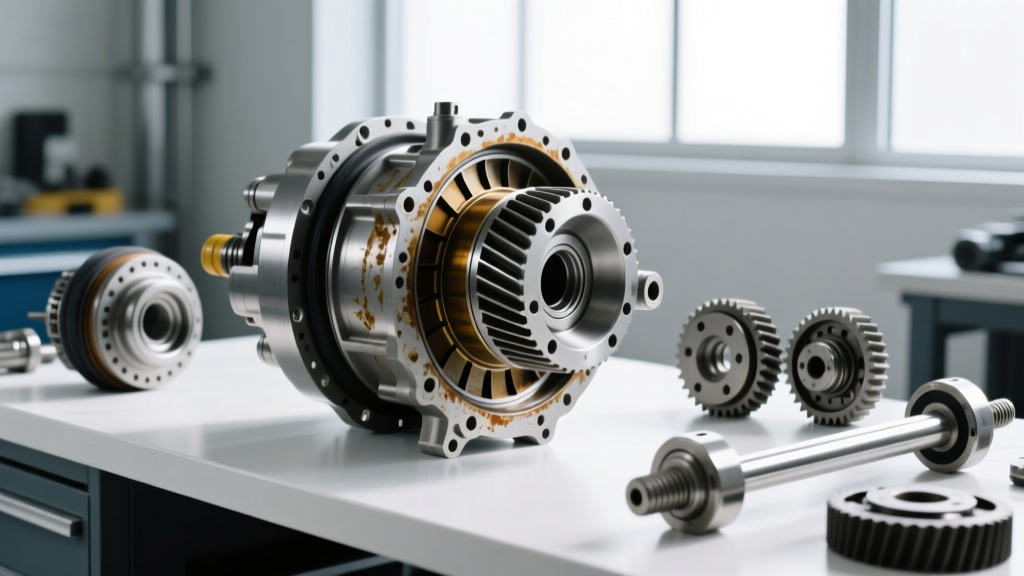
If electronic and hydraulic controls test within specification, the physical torque converter inspection begins. Drop the transmission pan and inspect the fluid and magnets.
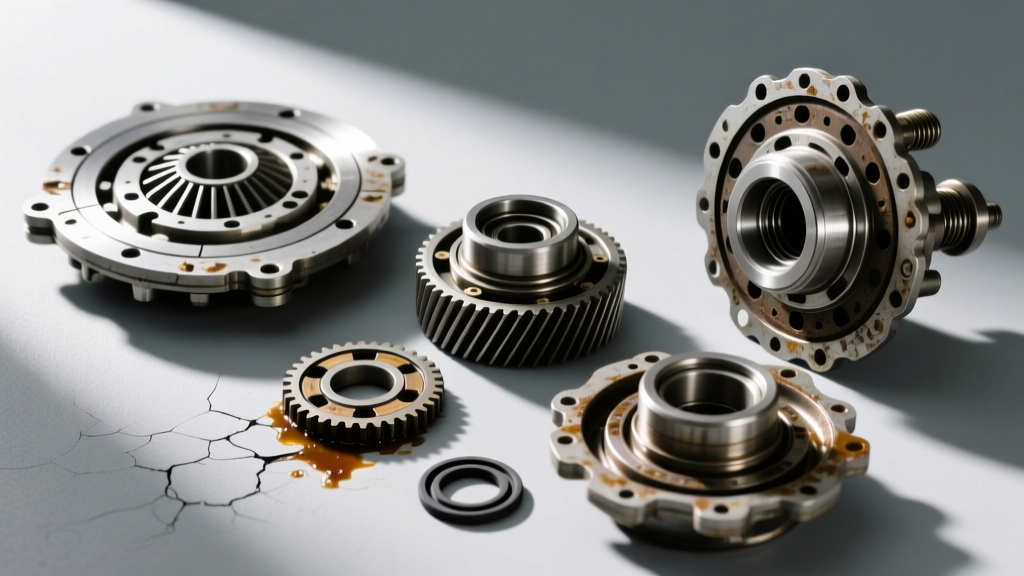
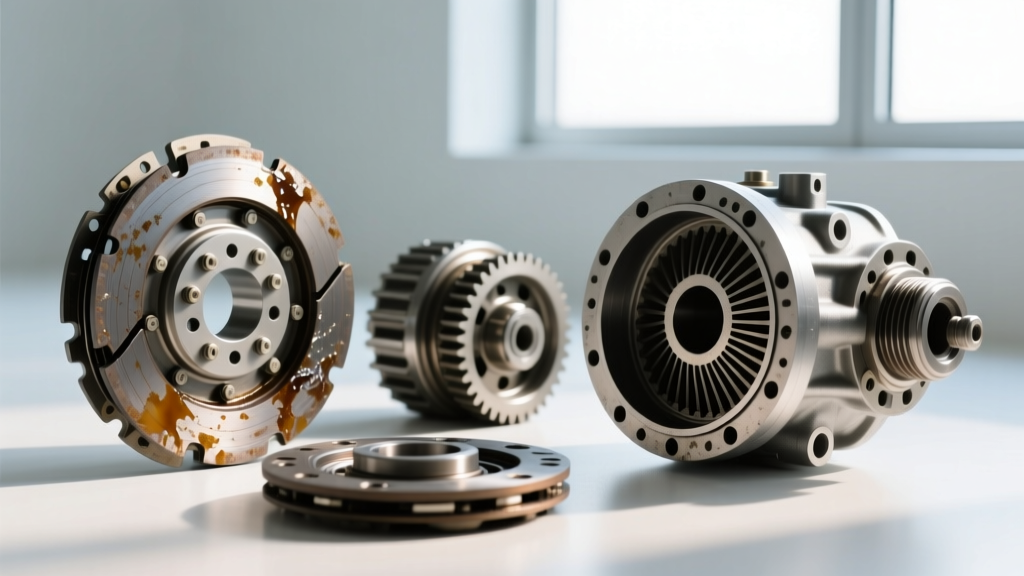
- Friction Material: A fine, dark grey paste on the magnets is normal wear. However, visible flakes of clutch material or a 'burnt toast' odor confirms TCC lining delamination. In Hyundai TMED units, this debris often clogs the specialized lockup control valve in the valve body.
- Stator Clutch Debris: Shiny, metallic glitter in the fluid points to the stator one-way clutch needle bearings failing under regenerative braking loads.
Expert Warning: Never flush a hybrid transmission if you suspect torque converter clutch failure. The high-volume pressure of a flush machine can force dislodged friction material deep into the intricate micro-valves of the hybrid mechatronic unit, turning a $1,200 torque converter replacement into a $4,500 complete transmission rebuild.
Hybrid Drivetrain Fluid & Torque Specifications
Using the incorrect fluid in a hybrid torque converter will result in immediate lockup shudder, as hybrid fluids utilize highly specific friction modifiers designed for rapid TCC apply/release cycles. Below are critical specifications for common hybrid platforms:
| Transmission / Platform | Required Fluid Spec | Friction Modifier Profile | Bellhousing Bolt Torque | TC End-Play Limit |
|---|---|---|---|---|
| Hyundai/Kia TMED (6F24 / 8F24) | ATF SP-IV RR | Low-viscosity, high anti-shudder | 33 lb-ft (45 Nm) | 0.010" - 0.024" |
| Ford 6F35 Hybrid | MERCON ULV | Ultra-low viscosity, specific TCC mu | 35 lb-ft (47 Nm) | 0.008" - 0.020" |
| ZF 8HP (Mild Hybrid / BSG) | ZF LifeguardFluid 8 | Synthetic, high thermal stability | 45 lb-ft (60 Nm) | 0.012" - 0.028" |
Note: Always verify end-play using a dial indicator mounted to the transmission bellhousing face before fully seating the torque converter. Failure to verify TC seating depth can result in the impeller hub crushing the transmission oil pump gears upon bellhousing bolt tightening.
Replacement Costs and Rebuild Realities
When a hybrid torque converter inspection confirms internal mechanical failure, replacement is the only viable option; rebuilding hybrid-specific TCs requires specialized CNC equipment to balance the unit for high-RPM electric motor assist. As of 2026, expect the following pricing structures:
- OEM Torque Converter (Part Only): $800 - $1,400 depending on the integration of the damper plate and flexplate assembly.
- Aftermarket / Remanufactured (e.g., Precision, Powertrain Control Systems): $450 - $750. Ensure the remanufacturer explicitly states the unit is calibrated for hybrid auto-stop/start duty cycles.
- Labor (R&R Transmission): $900 - $1,600. Hybrid vehicles often require high-voltage battery disconnect protocols, specialized engine support fixtures, and mechatronic adaptation resets via OEM software (e.g., Ford FDRS or Hyundai KDS), which adds 1-2 hours to standard book time.
For deeper diagnostic trouble code analysis related to torque converter performance, technicians frequently reference the OBD-Codes P0741 database to cross-reference manufacturer-specific TCC slip thresholds. Furthermore, consulting ZF Aftermarket technical bulletins is mandatory when working on European mild-hybrids to ensure the correct mechatronic adaptation routines are performed post-installation.
Final Diagnostic Takeaways
Diagnosing a failing torque converter in a hybrid vehicle requires moving beyond traditional mechanical intuition. By leveraging live PID telemetry, understanding the thermal and mechanical impacts of regenerative braking, and strictly adhering to hybrid-specific fluid and torque specifications, technicians can accurately isolate the fault. A meticulous torque converter inspection not only prevents misdiagnosis of the high-voltage electric motor system but also ensures the longevity and seamless drivability that hybrid owners expect.