What Drivetrain Is Best for Drifting? The Hybrid Paradigm Shift
When bench racers and professionals alike ask what drivetrain is best for drifting, the traditional answer has always been a lightweight, front-engine, rear-wheel-drive (RWD) layout with a mechanical limited-slip differential. However, as we navigate the 2026 motorsport and grassroots drift landscape, hybrid RWD and AWD architectures have introduced a radical new meta. Modern plug-in hybrid electric vehicles (PHEVs) and performance hybrids—such as the BMW 330e/530e platforms utilizing the ZF 8HP75H, or Toyota/Lexus models leveraging the E-Four Advanced rear e-axle—offer instantaneous torque delivery that fundamentally changes slip-angle initiation and tandem drift sustainability.
But this performance comes with severe mechanical and thermal penalties. Hybrid drivetrains are inherently heavier, and the integration of high-voltage electric motors directly into the driveline creates unique stress points. If you are campaigning a hybrid vehicle in drift events or pushing it on the skidpad, standard OEM maintenance schedules will result in catastrophic failure. This preventive maintenance guide details the exact fluid specs, torque settings, and component upgrades required to keep hybrid RWD and AWD drivetrains surviving high-slip, high-stress environments.
Thermal & Mechanical Realities of Hybrid Drivetrains
To understand the maintenance requirements, we must first isolate the stress factors unique to hybrid drivetrains during drifting. Unlike internal combustion engine (ICE) vehicles where torque builds with RPM, the rear-mounted electric motor in a hybrid AWD or PHEV RWD setup delivers peak torque at 0 RPM. When you initiate a drift via clutch-drop or e-brake transition, the resulting torque spike is immediate and violent, transferring directly through the flex disc, driveshaft, and rear differential or e-axle reduction gears.
Furthermore, sustained drifting relies on continuous wheel slip, which generates massive amounts of parasitic heat in the transmission clutch packs and the rear e-axle inverter. Preventive maintenance for these systems must prioritize thermal management and high-shear fluid stability.
ZF 8HP75H PHEV Transmission Maintenance
The ZF 8HP75H is the gold standard for modern RWD/AWD PHEVs. In this architecture, the electric motor is sandwiched between the engine and the torque converter, operating through the same planetary gearsets as the ICE. During drifting, the transmission experiences rapid load reversals and extreme clutch pack slip, particularly in 2nd and 3rd gears where most drift circuits are navigated.
Fluid Selection and Service Intervals
For track and drift use, the OEM 'lifetime' fluid claim must be ignored. You must use ZF LifeguardFluid 8 (or an exact equivalent like Shell ATF 1375.4). Do not substitute with generic multi-vehicle ATFs; the friction modifiers in LifeguardFluid 8 are specifically calibrated for the ZF mechatronic unit's solenoid response times. Under drift conditions, the service interval drops from the OEM 'lifetime' to every 15,000 miles or 30 track hours.
- Capacity: Service fill is approximately 9.0L to 9.5L (Dry fill is 10.5L).
- Fill Procedure: The transmission must be between 30°C and 50°C. The engine must be running and in Park. Fill until fluid drips from the level plug, then cycle through all gears to populate the mechatronic accumulators before rechecking.
- Drain Plug Torque: 12 Nm. (Note: On many 8HP75H plastic pans, the drain plug is a thread-forming screw that must be replaced after 2-3 services to prevent stripping the polymer housing).
The Integrated Plastic Oil Pan
The 8HP75H utilizes a polymer oil pan that integrates the transmission filter and the mechatronic sealing sleeve. When performing a preventive fluid change, you are required to replace the entire pan assembly (Part # ZF 1087.298.365). The pan-to-transmission bolts are highly sensitive to over-torquing. Use a calibrated inch-pound torque wrench and tighten in a crisscross pattern to exactly 10 Nm. Cracking this pan mid-drift will result in instant fluid loss and total transmission destruction. Expect to pay between $350 and $450 for the OEM ZF pan kit.
Rear E-Axle & Reduction Gear Servicing
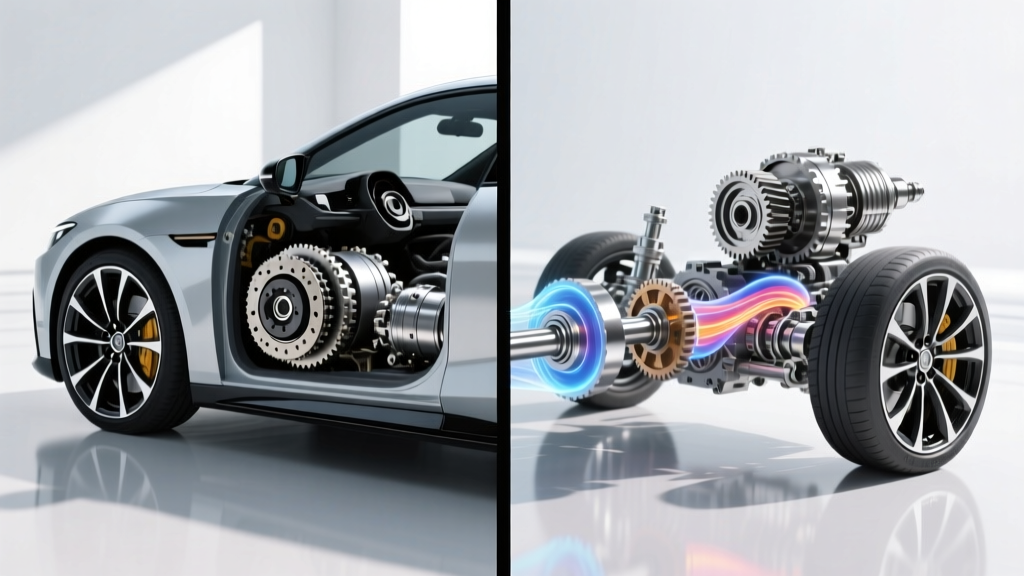
In hybrid AWD setups like Toyota's E-Four Advanced or BMW's rear e-drive, the rear wheels are driven by an independent electric motor housed in an e-axle. This unit contains a high-speed reduction gear and an integrated inverter. The motor shaft can spin upward of 17,000 RPM before gear reduction, creating immense fluid shearing forces in the reduction gear housing.
For drift applications, the reduction gear oil must be changed every 10,000 miles. Using the correct fluid is non-negotiable to prevent high-frequency bearing whine and gear pitting.
- Fluid Spec: Toyota Genuine ATF WS (Part # 08886-02305) or specific OEM Hypoid e-Axle fluid depending on the exact year and model.
- Capacity: Typically 1.2L to 1.4L.
- Drain/Fill Plug Torque: 39 Nm. Always replace the crush washers (Part # 90430-18008) to prevent weeping under high lateral G-loads.
According to data published on Toyota TechInfo, failing to maintain the correct fluid level in the rear e-axle will trigger immediate inverter thermal derating, cutting power to the rear wheels mid-tandem run.
Driveshaft, Guibo, & Torque Spike Mitigation
The most frequent mechanical failure point when asking what drivetrain is best for drifting in a heavy hybrid is the center driveshaft support and flex disc (Guibo). The instant torque from the hybrid system's electric motor applies a violent rotational shock to the driveline before the ICE has even spooled up its torque curve.
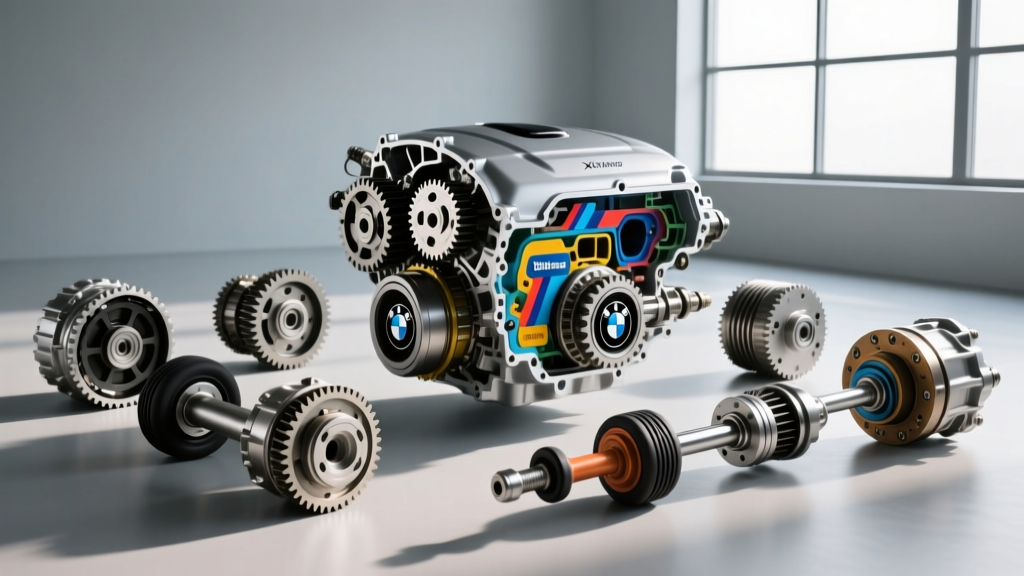
The OEM rubber Guibo (e.g., BMW Part # 26117527475) is designed for NVH (Noise, Vibration, and Harshness) damping, not for repeated 600+ lb-ft shock loads. In a drift build, inspect the Guibo for radial tearing every single event. For dedicated drift hybrids, upgrading to a polyurethane flex disc or a solid aluminum driveshaft with a precision center support bearing is highly recommended. When reinstalling the driveshaft M10 bolts, the torque specification is strictly 56 Nm. Never reuse stretched TTY (Torque-to-Yield) driveline bolts.
Hybrid Drivetrain Maintenance Matrix
The following table outlines the critical preventive maintenance specifications for high-stress hybrid drift platforms:
| Component | Fluid / Part Specification | Capacity / Metric | Torque Spec | Drift Interval | Est. Cost (OEM) |
|---|---|---|---|---|---|
| ZF 8HP75H Trans | ZF LifeguardFluid 8 | 9.0L - 9.5L | Pan: 10 Nm | 15k mi / 30 hrs | $180 (Fluid) |
| 8HP75H Filter Pan | ZF 1087.298.365 | N/A | Drain: 12 Nm | Every Service | $350 - $450 |
| Rear E-Axle Gear | ATF WS / Hypoid SX | 1.2L - 1.4L | Plug: 39 Nm | 10k mi / 20 hrs | $45 (Fluid) |
| Driveshaft Guibo | BMW 26117527475 (or PU upgrade) | N/A | M10 Bolt: 56 Nm | Inspect per event | $120 - $250 |
| Inverter Coolant | OEM LC-18 / SLLC | Varies by loop | N/A | Annually | $60 (Fluid) |
Inverter Cooling & Derating Prevention
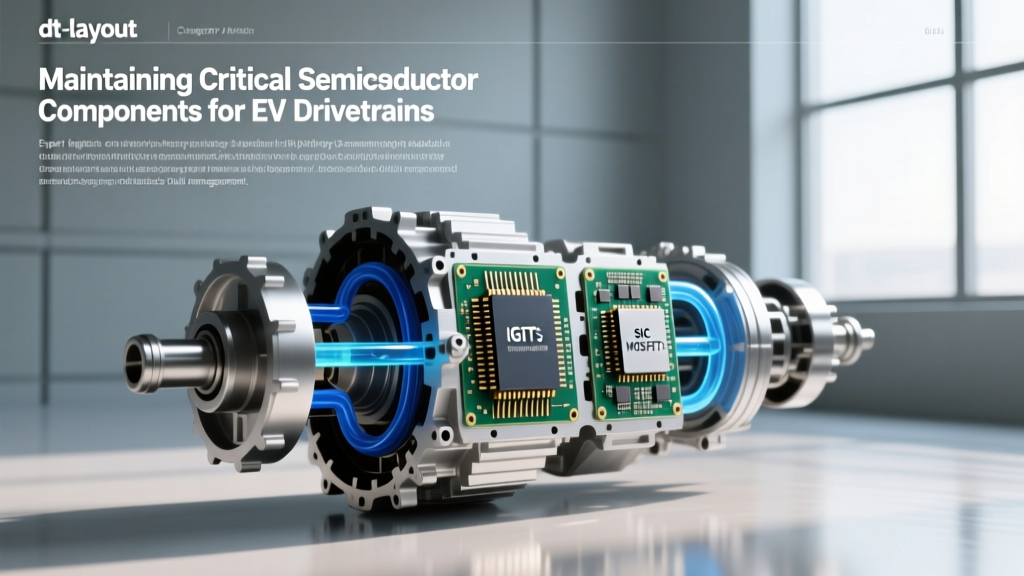
A frequently overlooked aspect of hybrid drivetrain maintenance is the inverter cooling loop. The rear e-axle inverter converts high-voltage DC from the battery to AC for the drive motor. During sustained drifting, the inverter operates at maximum amperage, generating immense heat. If the cooling loop contains micro-bubbles or the coolant has degraded, the system will trigger a thermal fault code and instantly derate rear-wheel power to protect the silicon carbide (SiC) switches.
Preventive maintenance requires flushing the inverter coolant loop annually using a vacuum-fill cooling system tool. Pulling a vacuum to 2 bar ensures no air pockets remain in the complex, low-profile water jackets of the e-axle. Always use the exact OEM low-conductivity coolant (such as BMW LC-18 or Toyota SLLC); using standard off-the-shelf antifreeze can lead to electrical tracking and inverter short-circuits.
Conclusion: The Verdict on Hybrid Drift Drivetrains
So, what drivetrain is best for drifting in the modern era? While a stripped, naturally aspirated RWD chassis remains the most forgiving and cost-effective platform for beginners, the hybrid RWD and AWD drivetrain offers an undeniable advantage in tandem drifting and aggressive transition initiations due to its programmable, instant torque delivery. However, this advantage is entirely contingent on rigorous, data-driven preventive maintenance. By adhering to strict fluid intervals, respecting polymer torque limits, and managing inverter thermals, you can harness the full potential of a hybrid drivetrain without suffering catastrophic mechanical failure on the tarmac.
Expert Insight: The integration of electric motors into the driveline eliminates the traditional 'lag' of turbocharged ICE drift cars, but it shifts the mechanical burden from the clutch to the reduction gears and flex discs. Treat your e-axle fluid with the same reverence as your engine oil.
For further technical documentation on PHEV driveline architectures and fluid specifications, refer to the ZF Aftermarket Portal and your manufacturer's specific technical service bulletins.