Decoding the Coverage: What Does Drivetrain Warranty Mean for Hybrids?
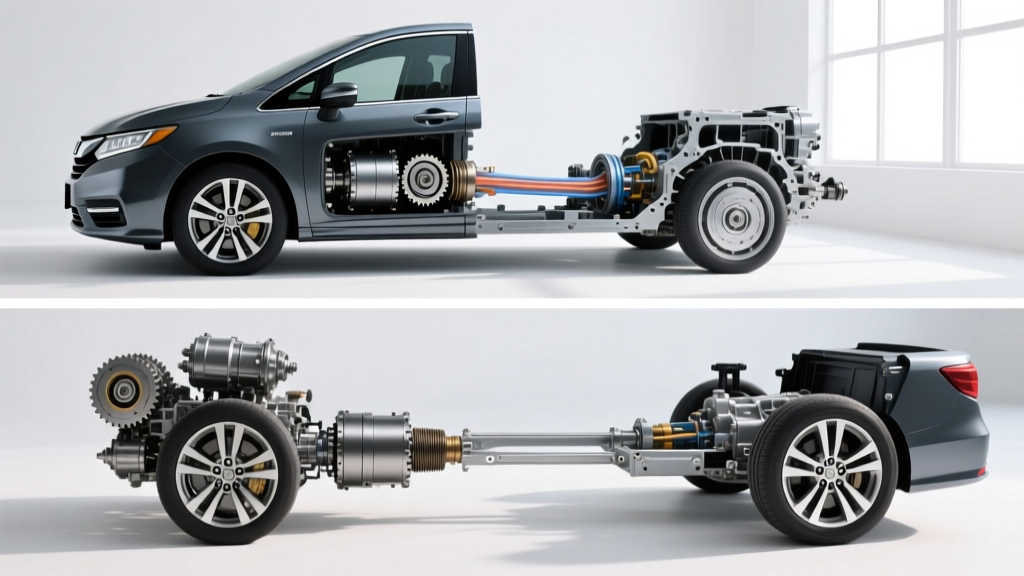
When navigating the complexities of modern electrified ownership, a frequent and critical question arises: what does drivetrain warranty mean when applied to hybrid vehicles? Unlike traditional internal combustion engine (ICE) vehicles where the drivetrain primarily encompasses the transmission, driveshaft, differential, and axles, a hybrid drivetrain warranty encompasses a highly integrated electro-mechanical ecosystem. Under federal mandates and stricter CARB (California Air Resources Board) state regulations, hybrid drivetrain components are typically covered for 8 years/100,000 miles or 10 years/150,000 miles, respectively.
However, this extensive coverage is not a blank check. According to Toyota's Official Warranty Guide and Ford Warranty Information, the drivetrain warranty explicitly covers the transaxle assembly, Motor Generator 1 (MG1), Motor Generator 2 (MG2), the power control unit (inverter), and associated high-voltage cabling. Crucially, these warranties contain strict clauses regarding preventive maintenance. Failure to adhere to the manufacturer's severe or standard service intervals for transaxle fluids and inverter coolants provides the dealership with legal grounds to deny a catastrophic drivetrain claim.
The Anatomy of a Hybrid Drivetrain: eCVTs and Power Split Devices
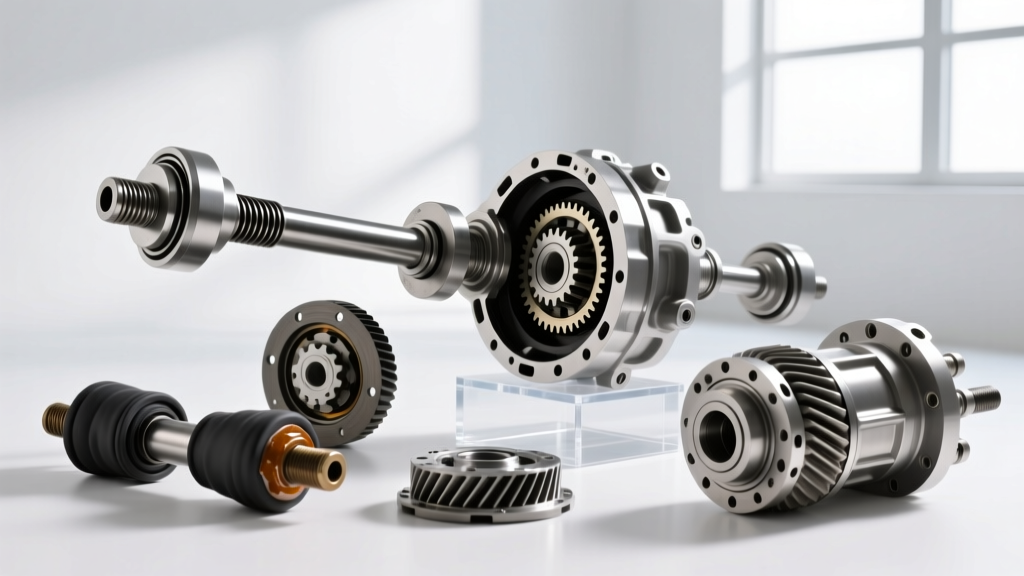
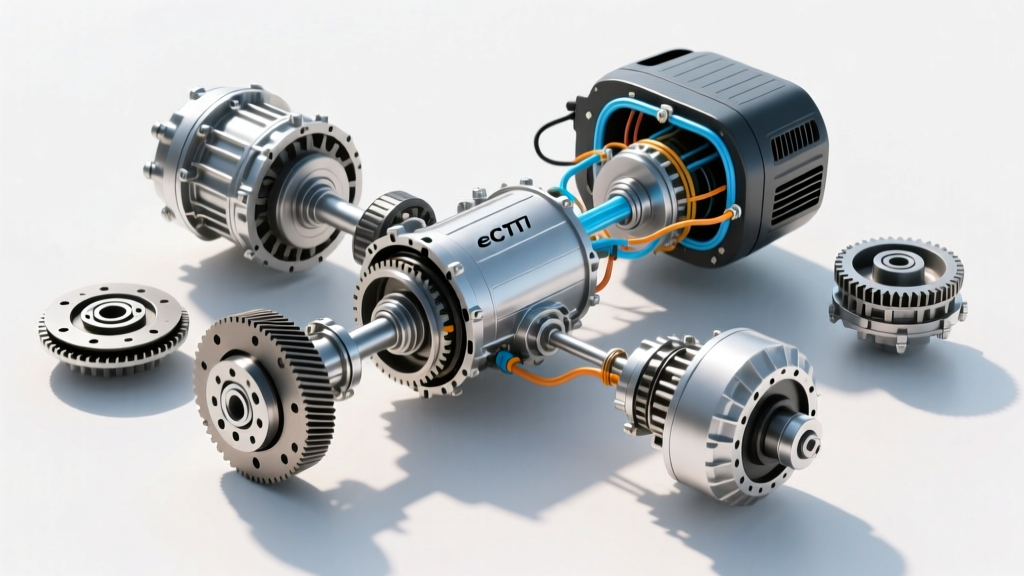
To understand the maintenance requirements, we must first understand the hardware. Most mainstream hybrids, such as the Toyota Prius (P410/P710 transaxles) and the Ford Fusion Hybrid (HF35 transaxle), do not use traditional belt-and-pulley CVTs or stepped planetary automatics. Instead, they utilize a Power Split Device (PSD)—a planetary gearset that seamlessly blends torque from the ICE and the electric traction motors.
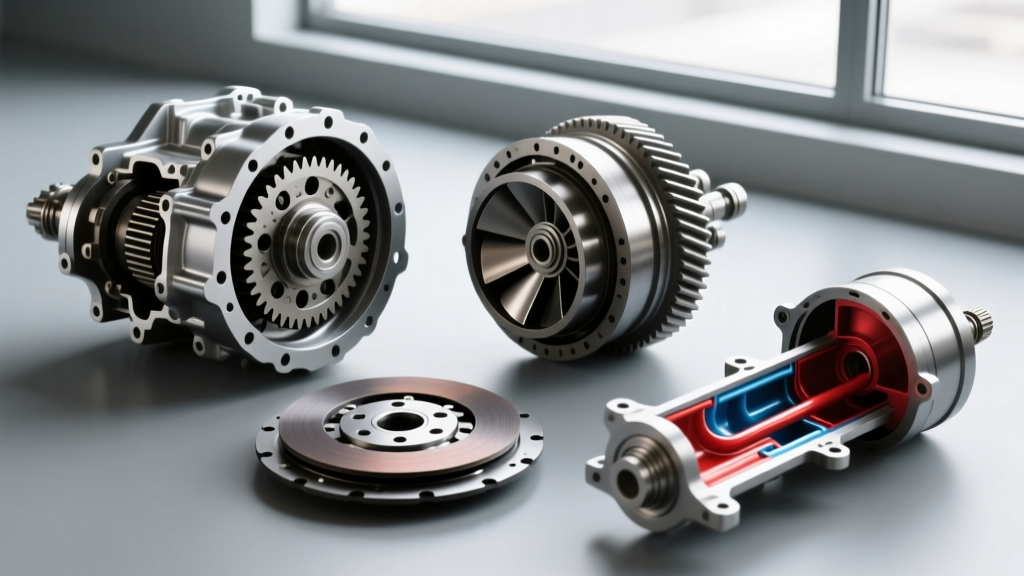
In the Toyota P410 transaxle, MG1 acts primarily as a generator and starter, while MG2 provides direct traction. Both motor-generators are housed directly inside the transaxle casing, submerged in or bathed by the transaxle fluid. This means the fluid is not merely a lubricant for bearings and gears; it is a critical dielectric insulator and cooling medium for high-voltage copper stators. If this fluid degrades, the consequences extend far beyond mechanical wear.
Preventive Maintenance Matrix: Transaxle Fluids and Torque Specs
Many manufacturers label hybrid transaxle fluid as "lifetime" under normal driving conditions. As an automotive transmission expert, I strongly advise ignoring this marketing terminology. By 60,000 miles, the fluid's dielectric properties and shear stability begin to degrade, especially in stop-and-go urban environments where MG2 generates immense thermal loads. Below is the definitive 2026 maintenance matrix for the most common hybrid drivetrains.
| Transaxle Model | Common Vehicles | Required Fluid Spec | Capacity (Drain & Fill) | Drain Plug Torque | Fill Plug Torque |
|---|---|---|---|---|---|
| Toyota P410 / P710 | Prius (Gen 3/4), Corolla Hybrid | Toyota ATF WS (00289-ATPWS) | 3.7 Liters (3.9 qts) | 29 ft-lbs (39 Nm) | 29 ft-lbs (39 Nm) |
| Ford HF35 / HF45 | Fusion Hybrid, Escape Hybrid, Maverick | MERCON ULV (XT-12-QULV) | 5.7 Liters (6.0 qts) | 18 ft-lbs (25 Nm) | 33 ft-lbs (45 Nm) |
| Honda i-MMD (2-Motor) | Accord Hybrid, CR-V Hybrid | Honda HCF-2 (08200-HCF2) | 3.4 Liters (3.6 qts) | 32 ft-lbs (43 Nm) | 32 ft-lbs (43 Nm) |
Crucial Hardware Note: When performing a drain and fill on a Toyota P410, you must replace the aluminum crush washers on both the drain and fill plugs. The OEM part number for the standard 18mm crush washer is 90430-18008. Reusing old washers frequently leads to slow weeping, which can drop the fluid level below the MG2 stator cooling threshold, triggering a P0A7F (Traction Motor Phase U Current) code.
The Hidden Drivetrain Killer: Why Machine Flushes are Dangerous
Never allow a quick-lube shop to perform a pressurized machine flush on a hybrid eCVT. Traditional automatic transmissions have dedicated cooler lines that can be flushed. Hybrid transaxles like the P410 and HF35 are sealed units where the fluid cools the electric motors directly.
Pressurized flushing equipment can dislodge microscopic metallic particles from the magnetic drain plug and force them into the tight clearances of the motor-generator stators. Because these particles are conductive, they can compromise the dielectric insulation of the copper windings, leading to internal electrical arcing. This results in a blown inverter and a fried MG2 stator—a $5,500+ failure that will absolutely be denied under warranty if the dealer's telematics or fluid analysis shows evidence of improper flushing chemicals or non-OEM fluid.
Secondary Drivetrain Maintenance: Inverter Coolant Systems
The hybrid drivetrain warranty also covers the Power Control Unit (PCU) or inverter, which converts DC battery power to AC power for the traction motors. The inverter generates massive amounts of heat and relies on a dedicated, low-conductivity coolant loop.
- Fluid Requirement: Toyota Super Long Life Coolant (SLLC - Pink) or Ford Motorcraft Orange/Yellow depending on the specific OEM mandate. Never use generic "all makes/all models" coolants, as their ionic additives increase electrical conductivity, which can trip the inverter's internal isolation monitors (e.g., code P0A09).
- Service Interval: Initial replacement at 100,000 miles, then every 50,000 miles.
- Electric Water Pump Inspection: The inverter coolant pump (Toyota Part #G9020-47031) is an electric impeller. During service, verify the pump is functioning by checking for turbulence in the inverter coolant reservoir. A seized pump will cause the PCU to overheat and derate the drivetrain within minutes of highway driving.
Warranty Void Triggers: What Dealerships Look For
If your hybrid experiences a drivetrain malfunction outside of standard wear parameters, the manufacturer will investigate the claim. To protect your 8-year/100,000-mile coverage, avoid these common pitfalls:
- Aftermarket "Lifetime" Fluid Additives: Adding friction modifiers or aftermarket ceramic additives alters the precise dielectric resistance the OEM engineered. If an MG stator shorts out, the dealer's oscilloscope data will flag the anomaly.
- Ignoring the Inverter Coolant Reservoir: The hybrid system relies on an electric water pump. If the coolant level drops due to a neglected hose clamp and the inverter overheats, the resulting thermal damage to the IGBT transistors is classified as "owner neglect."
- Unverified Third-Party Repairs: Having an uncertified shop drop the transaxle pan (if equipped with a filter, like some Ford HF35 variants) without using the exact OEM gasket and torque sequence can lead to fluid ingestion into the high-voltage resolver sensors.
2026 Service Cost Expectations: Dealer vs. Independent Specialists
As the hybrid market matures and vehicles age out of their initial warranty periods, understanding the real-world costs of drivetrain preservation is vital for your maintenance budget.
- Transaxle Drain & Fill (Toyota/Ford): Dealerships typically charge $180 to $260. A reputable independent hybrid specialist will charge between $120 and $160, provided they use OEM-specified fluids and new crush washers.
- Inverter Coolant Flush & Bleed: Requires a vacuum fill tool to prevent air pockets in the PCU cold plate. Expect to pay $150 to $210 at a dealer, or $110 to $140 at an indie shop.
- Out-of-Warranty Transaxle Replacement: If preventive maintenance is ignored and the PSD bearings or MG2 stator fail, a remanufactured P410 transaxle installation will cost between $4,800 and $6,500 in 2026, while a brand-new OEM unit from the dealer can exceed $8,200.
Final Verdict: Protecting Your Electrified Investment
So, what does drivetrain warranty mean for the proactive hybrid owner? It means you are protected against manufacturing defects and premature electro-mechanical failures, provided you treat the transaxle fluid and inverter coolant as the lifeblood of the high-voltage system. By adhering strictly to the torque specs, fluid capacities, and OEM part numbers outlined above, you ensure that your hybrid's power split device and motor-generators operate efficiently for well past the 200,000-mile mark, keeping your warranty intact and your drivetrain whisper-quiet.