The Physics of Automatic Transmissions: A Beginner's Primer
For those new to automotive drivetrains, the automatic transmission can seem like a black box of planetary gears and hydraulic valves. However, the true unsung hero of the powertrain is the torque converter. Sitting directly between the engine's flexplate and the transmission's input shaft, this device is responsible for transferring, multiplying, and eventually locking up engine torque to the wheels. Understanding how this component operates is critical, especially when diagnosing driveline shudder or deciding if a remanufactured torque converter is the right fix for your vehicle.
The Two-Fan Analogy
The simplest way to understand fluid coupling is to imagine two electric fans facing each other. If you turn one fan on (the engine), it blows air across the room, causing the blades of the second, unplugged fan (the transmission) to spin. In a torque converter, Automatic Transmission Fluid (ATF) replaces the air. This hydrodynamic coupling allows the engine to idle while the vehicle remains stationary, eliminating the need for a manual friction clutch pedal.
Internal Anatomy: Beyond the Basics
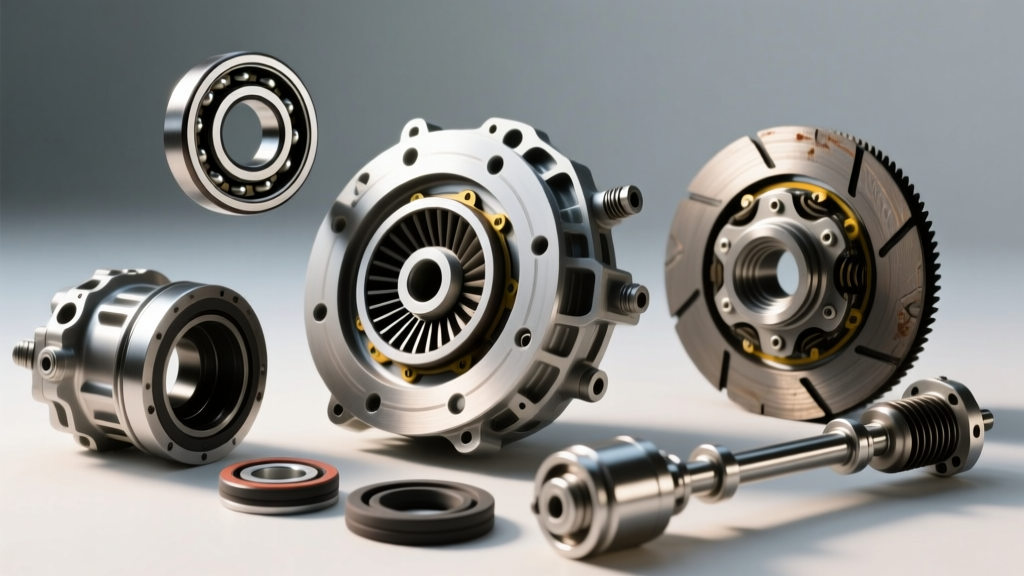
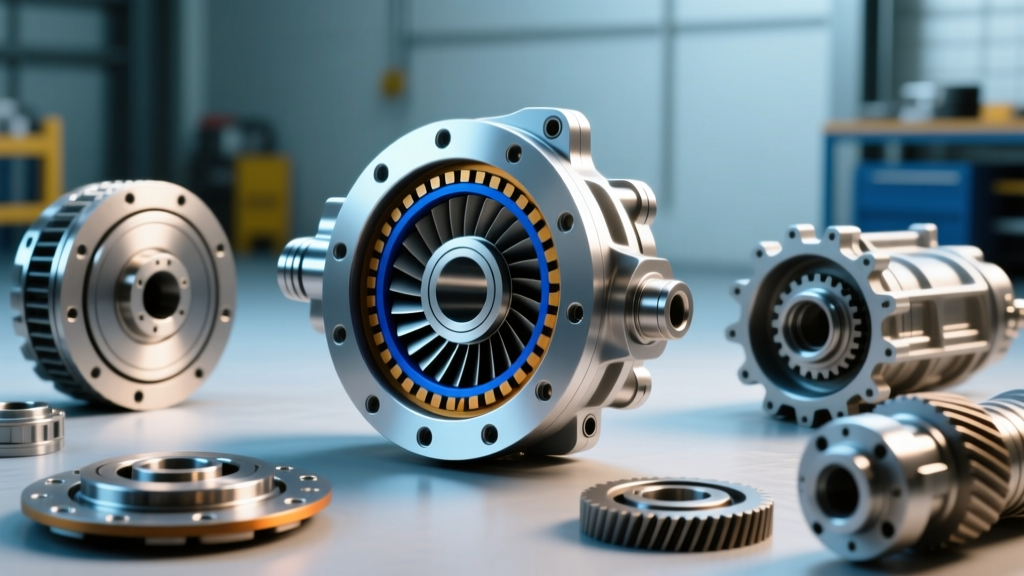
While the two-fan analogy explains fluid coupling, a modern torque converter is far more complex. According to foundational engineering resources like HowStuffWorks, the converter relies on four primary internal components to manage power delivery efficiently.
- The Impeller (Pump): Bolted directly to the converter cover and the engine flexplate, the impeller spins at engine RPM. Its curved vanes draw ATF from the center and fling it outward via centrifugal force, creating a high-pressure fluid stream.
- The Turbine: Splined to the transmission input shaft, the turbine sits opposite the impeller. The high-velocity fluid from the impeller strikes the turbine's vanes, causing it to spin and drive the transmission.
- The Stator: The secret to torque multiplication. Sitting between the impeller and turbine on a one-way overrunning clutch, the stator redirects the fluid returning from the turbine back into the impeller. This redirection prevents the fluid from fighting the impeller's rotation, effectively multiplying engine torque by up to 2.5:1 during heavy acceleration.
- The Torque Converter Clutch (TCC): Fluid coupling inherently generates heat due to slippage. To eliminate this slippage at highway speeds, a friction-lined clutch piston locks the turbine directly to the converter cover, creating a 1:1 mechanical connection.
Torque Multiplication and Stall Speed
Stall speed is a critical metric for transmission tuners and mechanics. It is defined as the maximum RPM the engine can reach with the transmission in gear and the output shaft held stationary (e.g., foot firmly on the brake). A standard GM 4L60E transmission typically features a stock stall speed between 1,800 and 2,000 RPM. High-performance applications may utilize specialized converters with stall speeds exceeding 3,500 RPM to keep the engine in its peak powerband during launch.
In modern transmissions like the ZF 8HP or GM 6L80, early TCC lockup is prioritized for fuel economy. These units use Pulse Width Modulated (PWM) solenoids to apply the TCC gradually, allowing for 'controlled slip' at low RPMs to reduce NVH (Noise, Vibration, and Harshness) while maximizing MPG.
Recognizing Torque Converter Symptoms
Because the torque converter operates under immense hydraulic pressure and thermal stress, failure is inevitable over high mileage. Recognizing the symptoms early can save your transmission from catastrophic contamination.
- TCC Shudder: Often felt as a rhythmic vibration at 40-55 mph under light throttle. This occurs when the friction material on the TCC piston degrades, causing the clutch to rapidly engage and disengage. It is frequently misdiagnosed as an engine misfire or bad spark plugs.
- Overheating: If the stator's one-way clutch seizes, the stator will not freewheel at higher speeds. The fluid will strike the back of the stator vanes, creating massive hydraulic drag and rapidly spiking ATF temperatures.
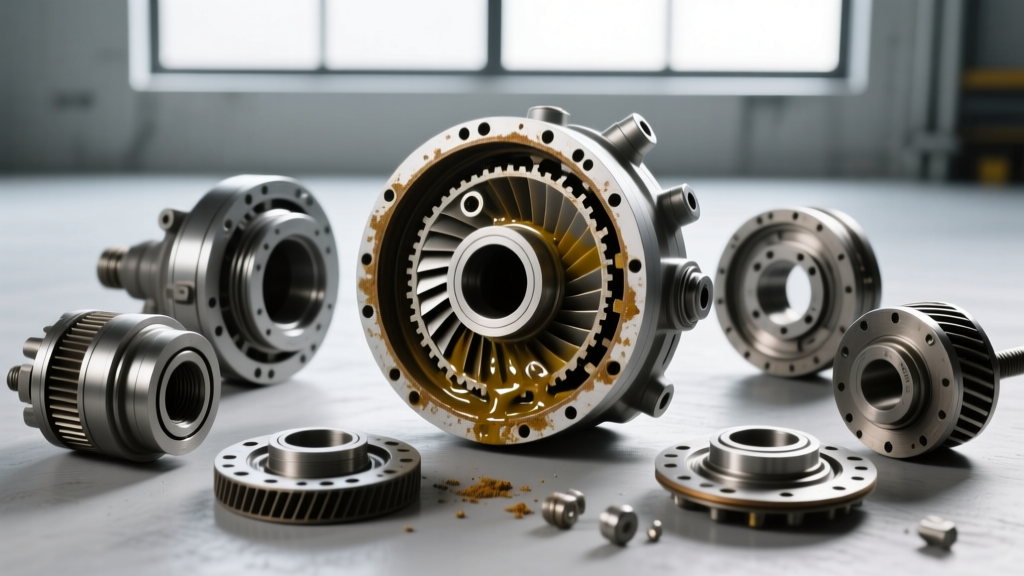
- Internal Debris Contamination: When needle bearings or the TCC lining fail, metallic and friction particulate circulate through the transmission cooler lines, destroying the valve body and clutch packs.
The Remanufactured Torque Converter Advantage
When internal failure occurs, the converter cannot be serviced through a simple transmission pan drop; the transmission must be removed to access it. At this juncture, technicians and DIYers face a choice: buy a brand-new OEM unit, a used junkyard pull, or a remanufactured torque converter. For 90% of daily drivers and fleet vehicles, the remanufactured route offers the optimal balance of cost, reliability, and warranty.
What Makes a Converter 'Remanufactured'?
Unlike a basic 'rebuilt' unit that might only receive a new seal and a fresh coat of paint, a true remanufactured torque converter undergoes a rigorous industrial process. As outlined by industry leaders at Sonnax Tech Resources, proper remanufacturing involves CNC-machining the cover, replacing the turbine hub, installing upgraded high-energy carbon or Kevlar TCC linings, and replacing all internal needle bearings. Finally, the unit is dynamically balanced to strict tolerances (typically less than 0.020 oz-in) to prevent high-speed driveline vibrations.
Cost & Specs: OEM vs. Remanufactured vs. Used
| Option | Average Cost (2026) | Warranty | Core Charge | Reliability Risk |
|---|---|---|---|---|
| New OEM (Dealer) | $800 - $1,400+ | 12-24 Months | None | Lowest |
| Remanufactured (Pro-Grade) | $350 - $650 | 36 Months / 100k | $100 - $150 | Very Low |
| Used / Junkyard Pull | $75 - $200 | 30-90 Days | None | Extremely High |
Real-World Installation Specs & Torque Data
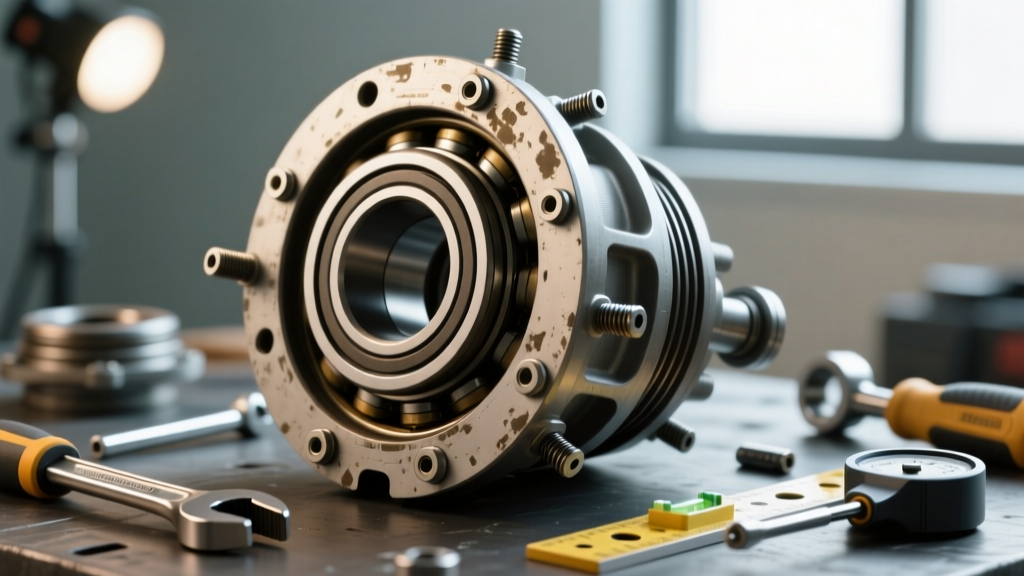
Installing a torque converter requires precision. A poorly seated converter will destroy the transmission's front pump gear upon startup. Here are critical installation parameters for common platforms:
GM 6L80 / 6L90 (RWD Trucks & SUVs)
- Seating Depth: The converter must engage three distinct points: the turbine splines, the stator support splines, and the front pump drive gear. Expect the converter to drop roughly 1.25 to 1.5 inches total.
- Flexplate-to-Converter Bolts: M10x1.5 bolts. Torque spec: 37 lb-ft (50 Nm). Always use a threadlocker and verify the flexplate runout before installation.
- Fluid Capacity: Dry fill is approximately 11.2 quarts of Dexron VI. Always pre-fill the converter with 2-3 quarts of clean ATF before mating it to the transmission to prevent a dry-start pump failure.
ZF 8HP (BMW, Chrysler, Audi)
- TCC Sensitivity: ZF 8HP units are highly sensitive to fluid degradation due to their aggressive TCC slip strategies. When replacing the converter, a complete fluid exchange using the exact OEM specification (e.g., ZF LifeguardFluid 8) is mandatory.
- CPA Flexplates: Many ZF applications use a Centrifugal Pendulum Absorber (CPA) flexplate to dampen low-RPM TCC lockup vibrations. Inspect the CPA weights for wear when the transmission is out.
Summary
Understanding how torque converters work—from the hydrodynamic multiplication of the stator to the mechanical lockup of the TCC—empowers you to make informed repair decisions. When symptoms like highway shudder or unexplained overheating arise, opting for a high-quality remanufactured torque converter provides OEM-level reliability with upgraded friction materials, ensuring your vehicle's drivetrain remains smooth and efficient for the next 100,000 miles.