Understanding the Honda Pilot Torque Converter Shudder Phenomenon
If you own a 2016 or newer SUV, maintaining the Honda Pilot torque converter is one of the most critical aspects of your vehicle's drivetrain longevity. The torque converter in these models utilizes a sophisticated Torque Converter Clutch (TCC) designed to lock up at low speeds and slip microscopically during cruising to improve fuel economy. However, this micro-slip generates intense localized heat and shear stress on the automatic transmission fluid (ATF).
When the friction modifiers in the fluid deplete, the TCC can no longer modulate slip smoothly. This results in the infamous 'Honda shudder'—a rhythmic vibration felt through the chassis, typically between 30 and 50 mph under light throttle. While many owners mistake this for a failing torque converter or engine misfire, it is overwhelmingly a fluid chemistry issue. Addressing this requires a precise maintenance approach, as improper servicing can cause catastrophic valve body damage.
Why Machine Flushing Destroys Honda Transmissions
When searching for a Honda Pilot torque converter flush, many quick-lube shops will recommend a pressurized machine flush. Never allow a machine flush on a Honda 6-speed or ZF 9HP transmission.
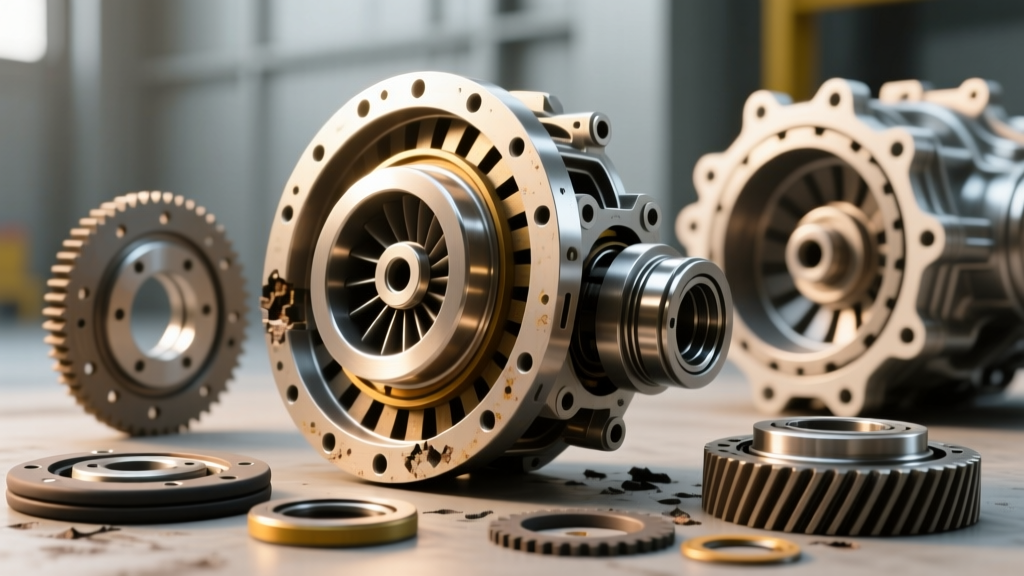
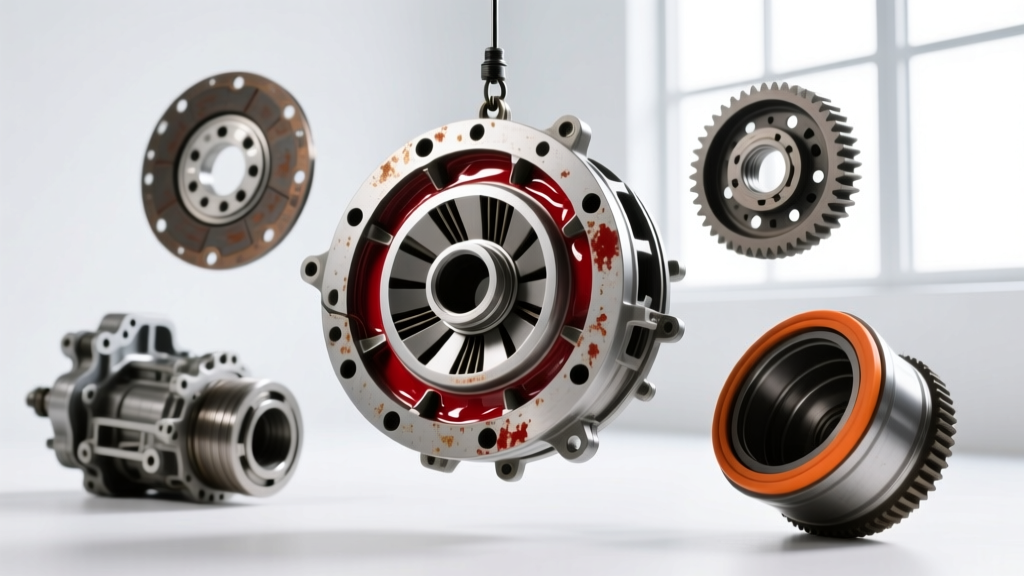
Pressurized flush machines force fluid backward through the transmission cooler lines and torque converter. This reversed flow can dislodge clutch material and metallic debris trapped in the torque converter fins, pushing it directly into the delicate solenoid screens and mechatronic valve body passages. According to service bulletins available via Honda TechInfo, power flushing voids the powertrain warranty and frequently leads to erratic shifting and solenoid failure.
Instead, the only manufacturer-approved method to exchange fluid in the torque converter is the 3x Drain-and-Fill procedure. This method uses the transmission's own internal pump to safely cycle new fluid through the torque converter and cooler lines without disturbing settled debris.
The Transmission Split: Honda 6-Speed vs. ZF 9HP
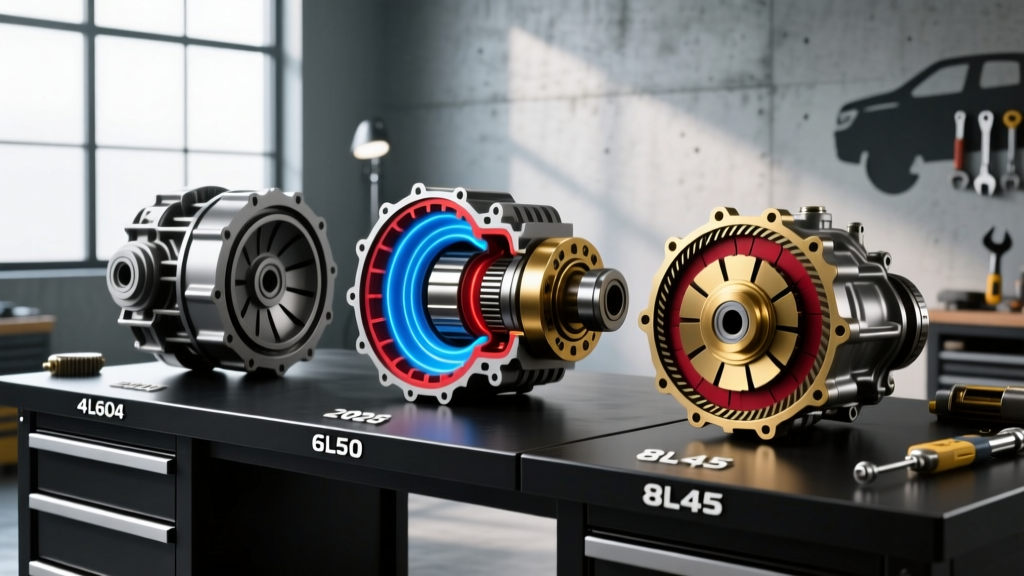
Before purchasing fluid or lifting the vehicle, you must identify which transmission your Pilot has, as the torque converter and fluid capacities differ significantly:
- Honda 6-Speed Automatic (2016-2020): Found in EX, EX-L, and Touring (pre-2021) trims. Features a traditional dipstick and a straightforward drain/fill plug setup. Total system capacity is approximately 8.5 quarts.
- ZF 9HP 9-Speed Automatic (2016-2020 Elite, 2021+ All Trims): A complex, tightly packaged unit. It lacks a traditional dipstick, utilizing an overflow leveling plug instead. Total system capacity is roughly 7.4 quarts. For deep technical specifications on the ZF 9HP mechatronic unit, refer to the ZF Aftermarket Portal.
Fluid Buyer's Guide: Choosing the Right ATF
The torque converter lockup clutch requires highly specific friction modifiers to prevent shudder. While Honda ATF DW-1 is the factory standard, several aftermarket options provide superior shear stability and extended TCC life. Below is a comparison of the top fluids for your Honda Pilot torque converter maintenance.
| Fluid Brand & Type | OEM Part / Spec | Avg. Price (Per Qt) | TCC Shudder Resistance | Best Use Case |
|---|---|---|---|---|
| Honda Genuine ATF DW-1 | 08200-9008 | $11.00 - $14.00 | Good (OEM Baseline) | Warranty compliance, standard driving |
| Idemitsu ATF Type-H | 10107-042F | $8.50 - $10.00 | Excellent (OEM Supplier) | Cost-effective OEM alternative |
| AMSOIL Signature Series ATF | ATFQT-EA | $13.50 - $15.00 | Superior (High Shear Stability) | Towing, heavy loads, extended intervals |
| Valvoline MaxLife Multi-Vehicle | 773775 | $7.00 - $9.00 | Fair (Requires frequent changes) | High-mileage budget maintenance |
Expert Insight: Independent used oil analysis (UOA) discussed extensively on Bob Is The Oil Guy forums indicates that AMSOIL Signature Series retains its friction modifiers and viscosity roughly 30% longer than standard Honda DW-1 under high-heat towing conditions. If you frequently tow or drive in mountainous terrain, the synthetic upgrade is highly recommended to protect the torque converter clutch lining.
Step-by-Step 3x Drain and Fill Procedure
To properly flush the torque converter without a machine, you must perform three consecutive drain-and-fill cycles, driving the vehicle between each to allow the transmission pump to mix the new fluid with the old fluid residing inside the torque converter.
Phase 1: The Honda 6-Speed Method
- Preparation: Ensure the vehicle is perfectly level on jack stands. The engine should be off and the transmission at normal operating temperature (approx. 140°F).
- Drain: Remove the 3/8" square-drive drain plug on the transmission pan. Expect to drain roughly 3.0 to 3.5 quarts.
- Hardware: Replace the aluminum crush washer (Honda P/N 90471-PX4-000). Torque the drain plug to 36 lb-ft (49 Nm).
- Fill: Remove the dipstick and insert a long-neck funnel. Add exactly the amount of fluid you drained (measure precisely in a graduated cylinder). Reinstall the dipstick.
- Cycle: Start the engine, shift through P-R-N-D-S, holding each gear for 3 seconds. Drive the vehicle for 10-15 minutes to cycle the TCC. Repeat this process two more times.
Phase 2: The ZF 9HP Leveling Procedure
The ZF 9-speed requires a more rigorous temperature-dependent leveling process. You will need an OBD2 scan tool capable of reading Transmission Fluid Temperature (TFT).
- Remove the lower aero shield to access the ZF transmission pan. Note that the ZF 9HP filter is integrated into the plastic mechatronic pan; if you are doing a deep service, the entire pan must be replaced (ZF P/N 1087.298.365).
- Remove the 8mm Allen fill plug on the side of the transmission case.
- Remove the 8mm Allen leveling/overflow plug on the bottom of the pan.
- Pump in Honda DW-1 or ZF LifeguardFluid 8 until it drips from the leveling hole.
- Start the engine. The fluid must be between 104°F and 113°F (40°C - 45°C) during the final level check. If the fluid is too cold, the TC will not be fully pressurized, leading to an under-fill condition.
- With the engine idling and the vehicle level, remove the leveling plug again. Allow excess fluid to drip until it slows to a steady stream. Torque the leveling plug to 13 lb-ft (18 Nm) and the fill plug to 26 lb-ft (35 Nm).
Pro-Tip: Never perform the ZF 9HP final level check with the engine off. The torque converter and internal galleries must be fully pressurized and filled by the mechanical pump to get an accurate fluid level reading. An under-filled 9-speed will cause immediate TCC slip and trigger the check engine light.
Maintenance Cost Breakdown: Dealer vs. DIY
Understanding the financial aspect of Honda Pilot torque converter maintenance helps you budget appropriately. Below is a realistic cost comparison for a complete 3x fluid exchange in 2026.
- DIY 3x Drain & Fill (6-Speed): $45 - $65 (Requires 9-10 quarts of DW-1, 3 crush washers, basic hand tools).
- DIY 3x Drain & Fill (ZF 9-Speed): $90 - $130 (Requires fluid pump, scan tool, and potentially a new mechatronic pan/filter kit if doing a deep service, which adds ~$250).
- Independent Shop: $180 - $250 (Labor for multiple drain/fills and test drives).
- Honda Dealership: $280 - $420 (Dealerships often charge premium labor rates for the ZF 9HP temperature-dependent leveling procedure).
Final Thoughts on Torque Converter Health
The torque converter is the beating heart of your Honda Pilot's drivetrain. By avoiding destructive machine flushes, utilizing high-quality friction-modified ATF, and adhering to strict torque specifications and temperature protocols, you can easily push the TCC well past 200,000 miles without experiencing the dreaded low-speed shudder. Treat your fluid maintenance as a vital insurance policy for your transmission's longevity.