The Thermal Challenge of SH-AWD Systems
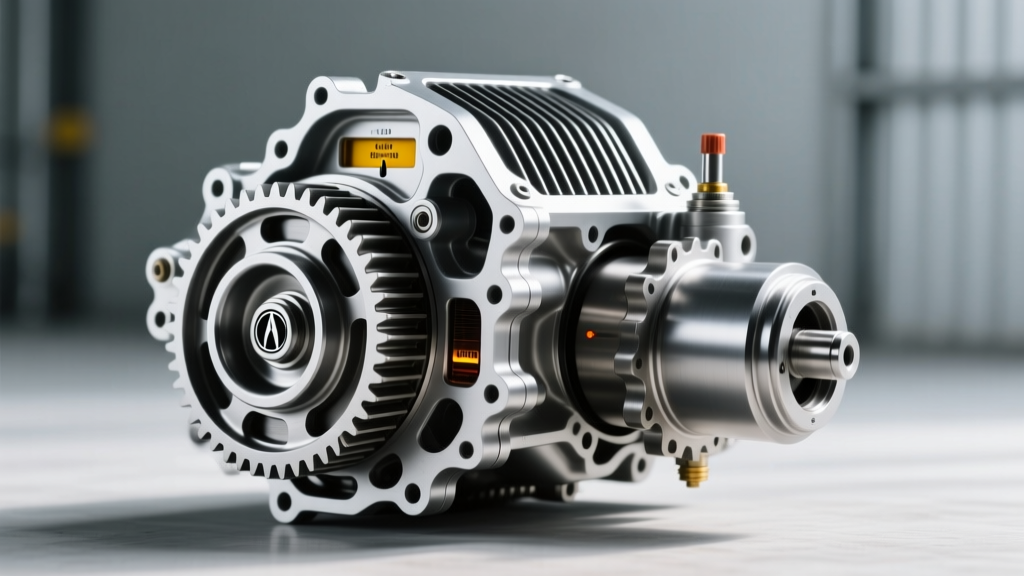
The Acura MDX is renowned for its Super Handling All-Wheel Drive (SH-AWD) system, a sophisticated torque-vectoring drivetrain that fundamentally changes how the vehicle negotiates corners. Unlike traditional open or limited-slip rear differentials, the SH-AWD rear axle utilizes a complex planetary gearset and twin electromagnetic clutch packs. This setup allows the system to overdrive the outer rear wheel by up to 5%, actively pushing the vehicle through a turn. However, this mechanical brilliance comes with a significant thermal penalty.
During aggressive cornering, towing, or sustained high-speed driving, the electromagnetic clutches modulate engagement hundreds of times per minute. The resulting friction generates intense localized heat spikes, often pushing internal differential temperatures well past 220°F (104°C). When gear oil exceeds its thermal threshold, it undergoes severe shear degradation, losing its boundary lubrication properties and leading to premature wear of the clutch friction materials and planetary bearings. Understanding the baseline acura mdx rear differential fluid capacity is only the first step; managing the thermal envelope through upgraded differential covers and cooling strategies is where true drivetrain longevity is achieved.
Baseline Specs: Acura MDX Rear Differential Fluid Capacity
Before modifying the cooling dynamics of the rear axle, technicians and enthusiasts must establish the factory baseline. The Acura MDX rear differential fluid capacity varies slightly depending on the generation and the specific SH-AWD hardware revision. Using the correct OEM fluid—specifically Acura All-Wheel Drive Fluid (Part #08200-9007A)—is non-negotiable, as its friction modifiers are uniquely calibrated for the SH-AWD clutch packs.
| Model Year (Generation) | Drivetrain System | OEM Fluid Specification | Drain & Fill Capacity | Dry Fill Capacity |
|---|---|---|---|---|
| 2007–2013 (Gen 2) | SH-AWD | 08200-9007A | 2.7 US Quarts (2.55 L) | 3.1 US Quarts (2.93 L) |
| 2014–2020 (Gen 3) | SH-AWD | 08200-9007A | 2.6 US Quarts (2.46 L) | 3.0 US Quarts (2.84 L) |
| 2022–Present (Gen 4) | SH-AWD | 08200-9007A | 2.5 US Quarts (2.36 L) | 2.9 US Quarts (2.74 L) |
According to data published on the Honda/Acura TechInfo Portal, a standard drain and fill will leave approximately 0.4 quarts of degraded fluid trapped inside the clutch pack cavities and the rear axle shafts. This trapped volume is precisely why thermal management via the differential cover is so critical; the fluid that remains inside the hottest zones of the assembly needs the external casing to act as a heat sink.
Differential Cover Design and Heat Dissipation
The factory rear differential cover on most MDX models is a relatively smooth, stamped steel or basic cast-aluminum pan. While adequate for commuting and light-duty driving, its surface area is severely limited. Heat transfer in a differential relies heavily on convective cooling—the process of ambient air passing over the exterior of the casing and pulling heat away from the internal fluid.
The Physics of Finned Aluminum Covers
Upgrading to an aftermarket finned aluminum differential cover (such as those engineered by Mag-Hytec or similar premium drivetrain manufacturers) introduces two major thermal advantages:
- Material Conductivity: Cast aluminum alloys (typically A356-T6) possess a thermal conductivity roughly 15 to 20 times greater than stamped steel. This allows internal heat to migrate to the exterior surface much faster.
- Surface Area Multiplication: Deep-fin designs increase the external surface area of the differential cover by up to 45%. When paired with the aerodynamic underbody airflow of the MDX, these fins act like a radiator, shedding heat into the slipstream.
In real-world testing on dynamometers and closed-course towing scenarios, upgrading to a high-capacity finned cover consistently drops steady-state rear differential temperatures by 15°F to 25°F, keeping the SH-AWD fluid well within its optimal 180°F–200°F operating window.
How Upgraded Covers Alter Fluid Volume
When you install a deeper, finned differential cover, you inherently change the acura mdx rear differential fluid capacity. A standard factory cover sits flush with the mating surface, but aftermarket cooling covers often feature a deeper sump to increase overall fluid volume. More fluid means a larger thermal mass, which takes longer to heat up and degrades more slowly.
- Factory Cover Volume: ~2.6 to 2.7 Quarts
- Aftermarket Deep Pan Volume: Adds 0.5 to 0.8 Quarts
- New Total Capacity: ~3.2 to 3.5 Quarts
Technical Note: When filling a newly installed deep-sump cover, do not simply pour in the factory-specified 2.7 quarts. The correct procedure is to install the cover, torque the bolts, and then fill through the upper inspection/fill plug until the fluid begins to weep out of the hole. The deeper sump will naturally require more fluid to reach the weep-hole level.
Installation and Torque Specifications
Replacing the differential cover on an SH-AWD rear axle requires precision. The mating surfaces must be surgically clean to prevent leaks, and the fasteners must be torqued to exact specifications to avoid warping the aluminum casing or stripping the threads.
Step-by-Step Cover Replacement
- Drain the Assembly: Remove the lower drain plug (typically a 10mm hex). Allow the Acura All-Wheel Drive Fluid to drain completely. Inspect the magnetic plug for excessive metallic fuzz; a fine grey paste is normal, but large chunks indicate internal clutch or bearing failure.
- Remove Factory Cover: Unbolt the perimeter flange bolts. Carefully break the RTV seal with a plastic trim tool to avoid gouging the aluminum mating surface.
- Surface Preparation: Clean both the differential housing and the new cover mating surface with brake cleaner. Ensure zero oil residue remains.
- Sealant Application: Apply a continuous 2mm bead of high-temperature RTV silicone (e.g., Permatex Ultra Black or Honda Genuine Ultra Flange Sealant) to the new cover. Allow it to skin over for 10 minutes before mating.
- Torque Sequence: Install the new cover and hand-thread all flange bolts. Tighten in a crisscross pattern to ensure even clamping force.
Critical Torque Specs
| Component | Fastener Size | Torque Specification |
|---|---|---|
| Differential Cover Flange Bolts | 8mm / 10mm | 16 lb-ft (22 Nm) |
| Drain Plug (Magnetic) | 18mm Head / 10mm Hex | 33 lb-ft (44 Nm) |
| Fill / Inspection Plug | 18mm Head / 10mm Hex | 33 lb-ft (44 Nm) |
Real-World Thermal Testing and Cost Breakdown
Is the investment in an upgraded differential cover justifiable for a daily-driven SUV? For owners who tow, track their MDX, or live in high-ambient-temperature climates, the data strongly supports the upgrade. The Acura SH-AWD Technology Overview highlights that the system's ability to vector torque relies entirely on the electromagnetic clutches maintaining precise friction coefficients—a feat impossible to achieve if the fluid is boiling.
Cost vs. Benefit Analysis
- Premium Finned Aluminum Cover: $180 – $260
- Additional Acura AWD Fluid (1 Extra Quart): $12 – $15
- RTV Sealant & Consumables: $8 – $12
- Total Investment: $200 – $287
Compared to the $2,500 to $4,500 cost of a complete SH-AWD rear differential rebuild or replacement due to burnt clutch packs and scored planetary gears, the ROI on a cooling cover is immense. Furthermore, maintaining lower fluid temperatures preserves the shear stability of the Acura DPSF/AWD fluid, potentially allowing owners to safely extend their drain intervals from the aggressive 30,000-mile severe-duty schedule to a more standard 45,000-mile interval, provided regular fluid analysis is conducted.
Final Diagnostic Thoughts
Managing the thermal dynamics of the SH-AWD system is a masterclass in preventative maintenance. By understanding the exact acura mdx rear differential fluid capacity and upgrading the differential cover to maximize convective cooling, you ensure that the complex torque-vectoring mechanics operate exactly as Honda's engineers intended. Whether navigating mountain passes or towing a light trailer, a cooler differential translates directly to sharper handling, faster SH-AWD engagement, and ultimate drivetrain reliability.