The Illusion of the 'Motorcycle Without Clutch'
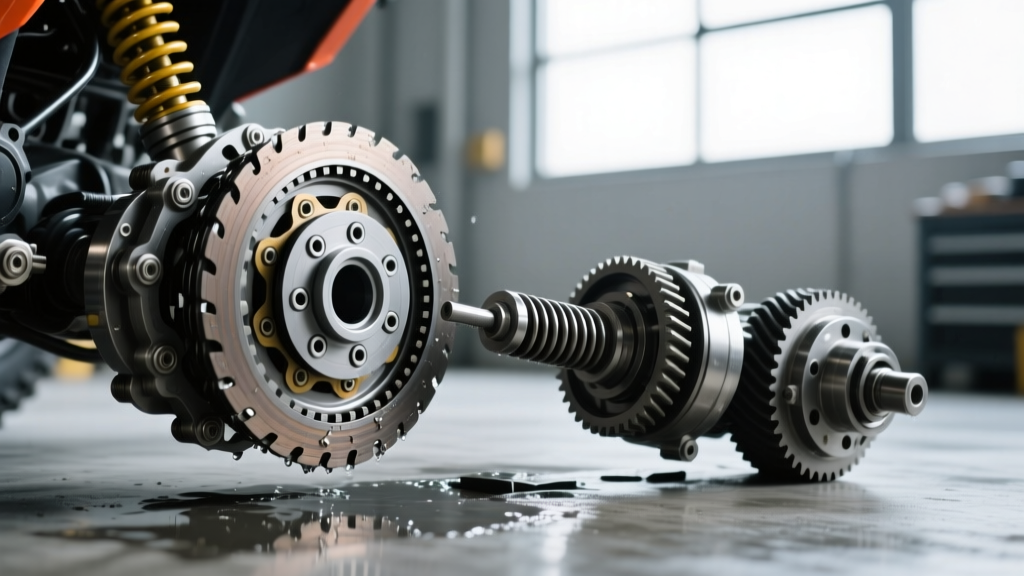
When riders search for a motorcycle without clutch controls, they are typically envisioning a twist-and-go experience free from left-hand lever fatigue. However, from a mechanical diagnostic perspective, the phrase 'clutchless motorcycle' is a misnomer. In 2026, the automatic motorcycle market is dominated by sophisticated internal clutch systems—primarily Dual-Clutch Transmissions (DCT) and Continuously Variable Transmissions (CVT). While the rider's left hand is free, the transmission still relies on complex clutch packs, centrifugal shoes, and hydraulic actuators to manage power delivery.
For buyers and mechanics alike, understanding clutch problems in automatic transmissions specific to motorcycles is critical. Unlike automotive automatics that rely heavily on planetary gearsets and torque converters, motorcycle automatics utilize compact, high-RPM wet clutches and belt-driven variators. This buyer's guide and diagnostic manual will break down the exact failure points, torque specifications, and replacement costs for the most popular clutchless motorcycle platforms on the market today.
Architecture of Automatic Motorcycle Transmissions
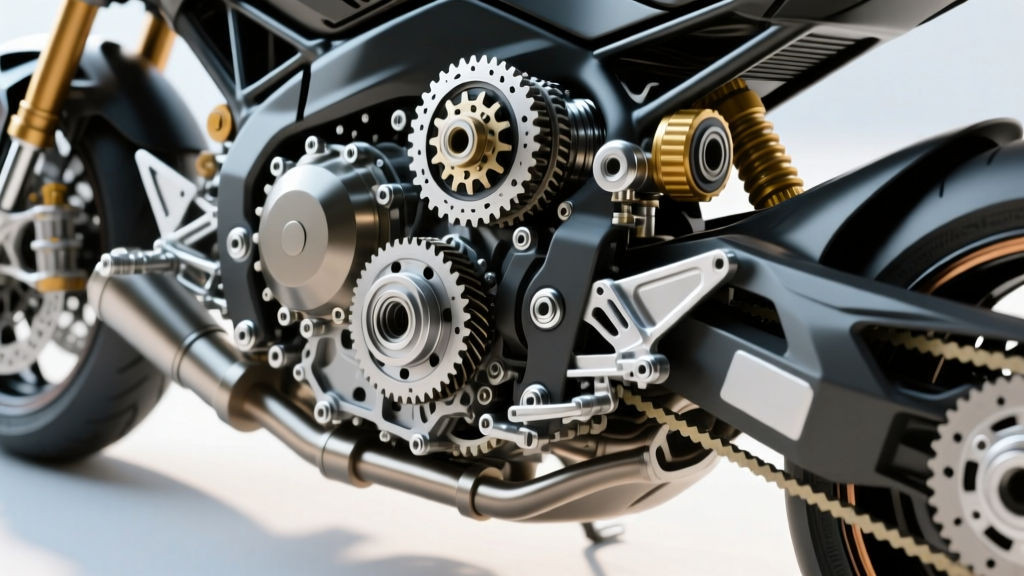
Before diagnosing a slip or shudder, you must understand the hardware. Modern clutchless motorcycles generally fall into two categories:
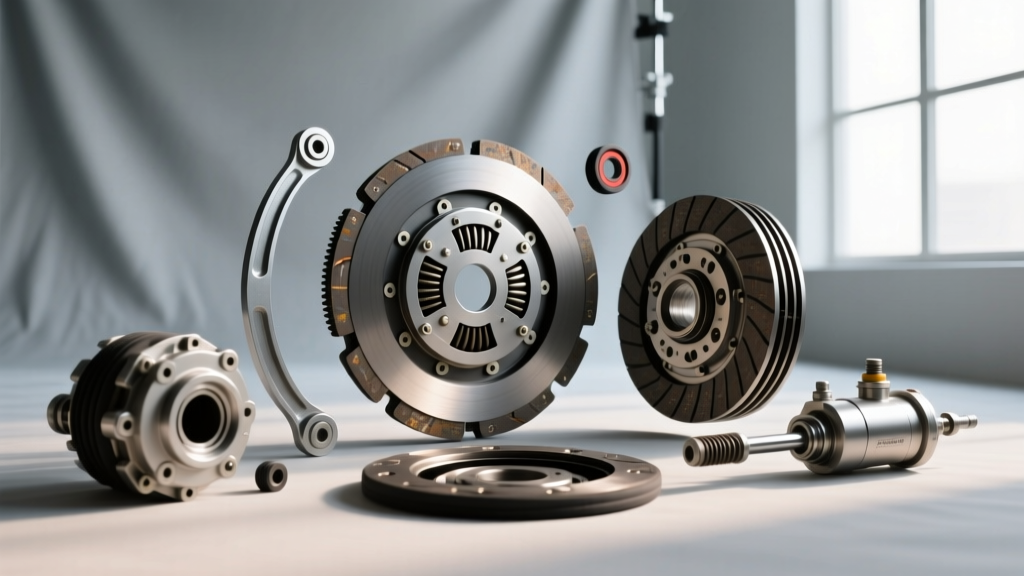
- Dual-Clutch Transmissions (DCT): Pioneered in the motorcycle world by Honda (found in the Africa Twin, NC750X, and Gold Wing), DCTs use two separate multi-plate wet clutches. One clutch handles odd gears (1, 3, 5), while the other handles even gears (2, 4, 6). The ECU pre-selects the next gear, resulting in seamless shifts.
- Continuously Variable Transmissions (CVT): Common in maxi-scooters (e.g., Suzuki Burgman 650, Yamaha TMAX) and adventure scooters (Honda ADV150). These use a primary drive pulley, a Kevlar-reinforced V-belt, and a rear centrifugal clutch assembly that engages via spring-loaded shoes.
Diagnosing Honda DCT Clutch Problems
The Honda DCT is an engineering marvel, but it is not immune to wear. Because it uses wet friction plates bathed in engine oil, clutch degradation often mirrors engine oil degradation. Here are the primary automatic transmission problems encountered in DCT-equipped motorcycles:
1. Low-Speed Judder and Actuator Calibration Loss
A common symptom in high-mileage DCTs (typically past 40,000 miles) is a pronounced 'judder' or shudder when pulling away from a dead stop in 'D' mode. This is rarely a complete mechanical failure; rather, it indicates that the hydraulic actuator has lost its baseline calibration for clutch bite-point engagement, or the clutch friction plates have developed a glazed surface.
Diagnostic Fix: Before tearing down the transmission, perform a DCT Clutch Initialization. Using an OBDII motorcycle scanner compatible with Honda's MCS (Motorcycle Communication System), reset the clutch learn values. If the judder persists, the clutch packs require physical inspection.
2. Solenoid Valve Sticking and 'Flashing D' Errors
If the instrument cluster displays a flashing 'D' or 'N', the ECU has detected a hydraulic pressure anomaly. The DCT relies on linear solenoid valves to apply pressure to the clutch pistons. Contaminated fluid or microscopic metal shavings from the oil pump can cause these solenoids to stick, resulting in delayed engagement or neutral drops.
'Always inspect the DCT oil filter and strainer when diagnosing solenoid codes. A clogged strainer starves the clutch actuator of the 145 PSI hydraulic pressure required for firm engagement.' — Senior Drivetrain Technician, AutoGear Nexus
3. Physical Clutch Pack Wear
When friction plates wear beyond the 1.5mm service limit, the DCT will slip under heavy throttle in higher gears. Replacing the clutch packs requires removing the right-side engine cover. Crucial Torque Spec: When reinstalling the DCT clutch cover and oil pump drive, the M6 flange bolts must be torqued to exactly 12 Nm (9 lb-ft). Overtorquing will warp the aluminum cover, leading to immediate oil leaks and hydraulic pressure loss.
CVT Centrifugal Clutch and Belt Diagnostics
For buyers looking at scooters or lighter clutchless commuters, the CVT is the standard. The 'clutch' in a CVT is a centrifugal drum assembly located at the rear of the transmission. As engine RPMs rise (typically around 3,500 RPM), weighted shoes expand outward to bite the inner wall of the clutch bell.
Glazed Clutch Shoes and Belt Slip
If your CVT-equipped motorcycle revs freely without proportional acceleration, you are experiencing belt slip or clutch glazing. Stop-and-go city riding generates excessive heat in the CVT casing, baking the friction material on the centrifugal clutch shoes into a hard, glassy surface.
The Fix: Remove the CVT cover (torque spec for M8 casing bolts is usually 22 Nm). Inspect the clutch shoes. If they are glazed, they can be lightly scuffed with 120-grit sandpaper, and the inside of the clutch bell must be cleaned with brake parts cleaner. If the friction material is below 2.0mm, replacement is mandatory.
System Comparison: DCT vs. CVT vs. Traditional AMT
| Feature | Honda DCT (Dual Clutch) | CVT (Centrifugal Clutch) | AMT (Automated Manual) |
|---|---|---|---|
| Clutch Type | Two multi-plate wet clutches | Centrifugal dry shoes | Single dry/wet plate w/ servo |
| Common Failure Point | Hydraulic actuator / Solenoids | Drive belt / Glazed shoes | Servo motor burnout |
| Maintenance Interval | Fluid change every 8,000 miles | Belt/roller check every 10,000 miles | Clutch adjustment every 6,000 miles |
| Rider Feel | Seamless, stepped gear shifts | Linear, rubber-band acceleration | Noticeable shift shock/pause |
| Typical Repair Cost | $600 - $1,400 | $250 - $600 | $400 - $900 |
2026 Buyer's Guide: Inspecting a Used Clutchless Motorcycle
If you are in the market for a used motorcycle without a clutch lever, you must perform specific diagnostic checks that do not apply to standard manual transmissions. According to market data from RevZilla's used buying guides, automatic motorcycles hold their value well, but hidden transmission neglect can turn a bargain into a financial nightmare.
- The Cold Start Engagement Test: Start the motorcycle completely cold. Put it in 'D' and give it a tiny bit of throttle. The bike should begin to creep forward smoothly within 1.5 seconds. A delayed engagement (over 2 seconds) or a harsh 'clunk' indicates low hydraulic fluid, worn clutch packs, or failing actuator seals.
- Manual Mode Override Check: Switch the DCT to Manual ('M') mode. Click through all gears using the handlebar triggers. The shifts should be crisp. If the bike refuses to downshift at high RPMs, the ECU is protecting the engine, but if it refuses to upshift, you likely have a failing shift drum motor or position sensor.
- CVT Belt Deflection Test: For scooters, remove the CVT inspection cover. Press on the drive belt midway between the pulleys. Deflection should be between 10mm and 15mm. Excessive slack means the belt is stretched, and the centrifugal clutch is likely failing to engage properly at low speeds.
- Fluid Analysis: DCT motorcycles share engine oil with the transmission (unlike the Gold Wing, which has a separate DCT fluid reservoir). Smell the dipstick. A burnt toast odor indicates the wet clutches have been slipping and overheating, contaminating the entire engine crankcase with friction material.
Maintenance Costs and OEM Part Numbers
When budgeting for a clutchless motorcycle, factor in the cost of proprietary automatic transmission components. Below is a real-world pricing and part number guide for the most common platforms:
| Component | OEM Part Number (Example) | Estimated 2026 Cost | Application |
|---|---|---|---|
| DCT Clutch Pack A (Odd) | 22200-MJM-D31 | $185.00 - $220.00 | Honda NC750X / Africa Twin |
| DCT Clutch Pack B (Even) | 22300-MJM-D31 | $185.00 - $220.00 | Honda NC750X / Africa Twin |
| DCT Hydraulic Actuator Assy | 46010-MJM-D31 | $950.00 - $1,250.00 | Honda DCT Generation 2/3 |
| CVT Drive Belt (Kevlar) | 27601-K45-A01 | $110.00 - $145.00 | Honda ADV150 / PCX |
| Centrifugal Clutch Shoe Set | 22535-K45-A00 | $85.00 - $120.00 | Honda ADV150 / PCX |
Final Verdict: Is a Clutchless Motorcycle Right for You?
The technology behind the modern motorcycle without clutch controls has matured significantly. As noted by Cycle World's long-term fleet reviews, platforms like the Honda DCT now offer shift logic that rivals human intuition, while CVTs provide unmatched urban efficiency. However, buyers must abandon the notion that 'automatic' means 'maintenance-free'.
Clutch problems in these automatic transmissions are entirely preventable with strict adherence to fluid change intervals and belt inspections. If you are willing to perform or pay for specialized hydraulic actuator calibrations and CVT cleanings, a clutchless motorcycle offers an incredibly rewarding, fatigue-free riding experience. If you prefer to neglect your drivetrain until it fails, the repair bills for a seized DCT actuator or a shredded CVT belt will quickly eclipse the cost of a traditional manual clutch replacement.
For more deep-dive diagnostics on drivetrain architectures, consult the factory service manuals available via Honda Powersports or your respective manufacturer's technical portal before attempting any internal clutch pack replacements.