Understanding the 'Belt Driven' Torque Converter Architecture
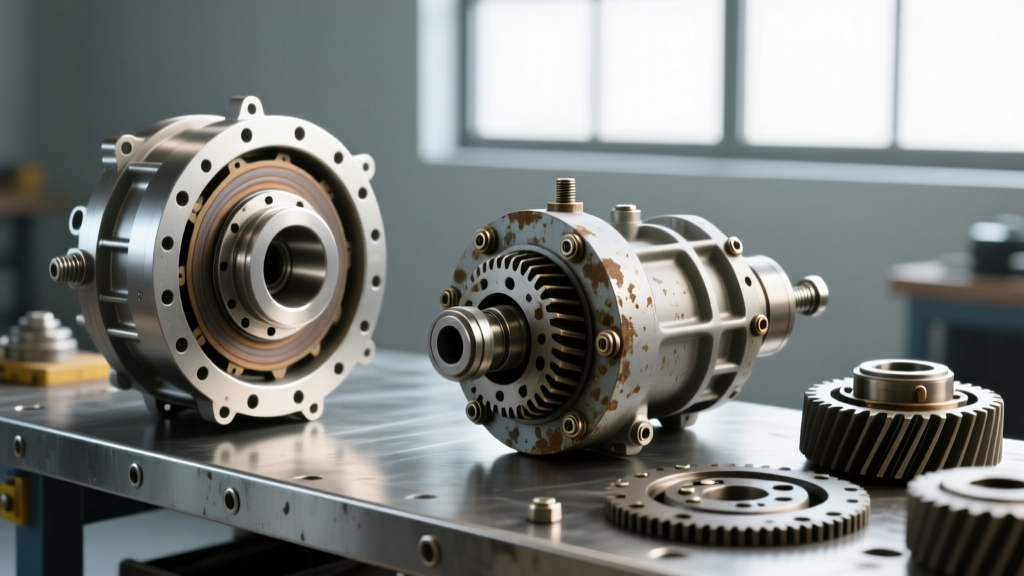
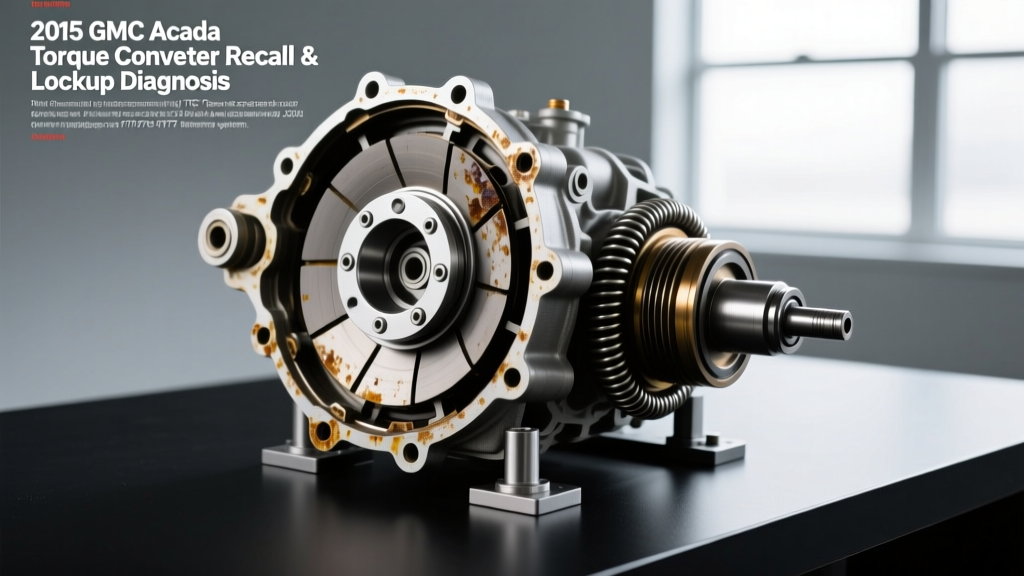
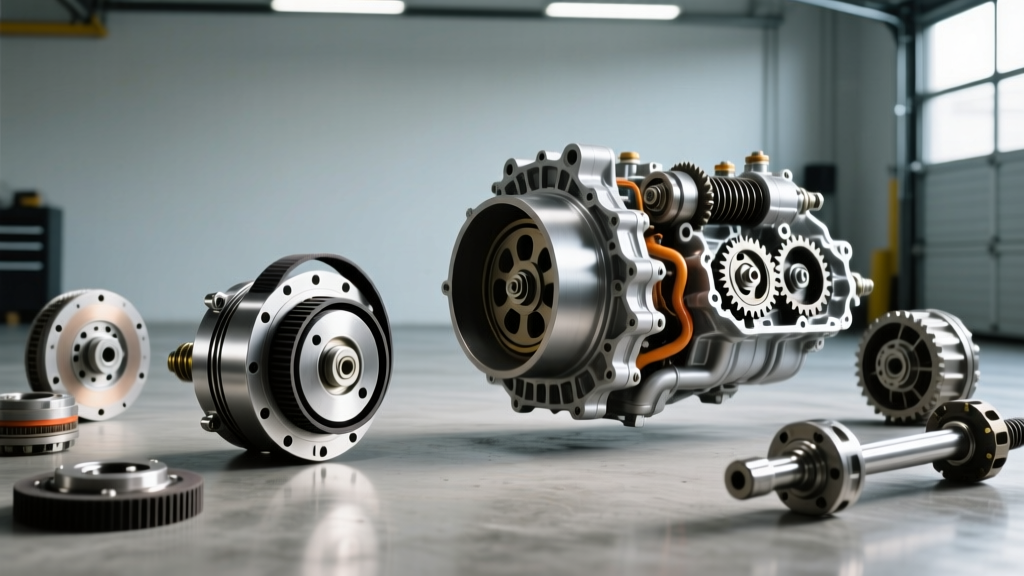
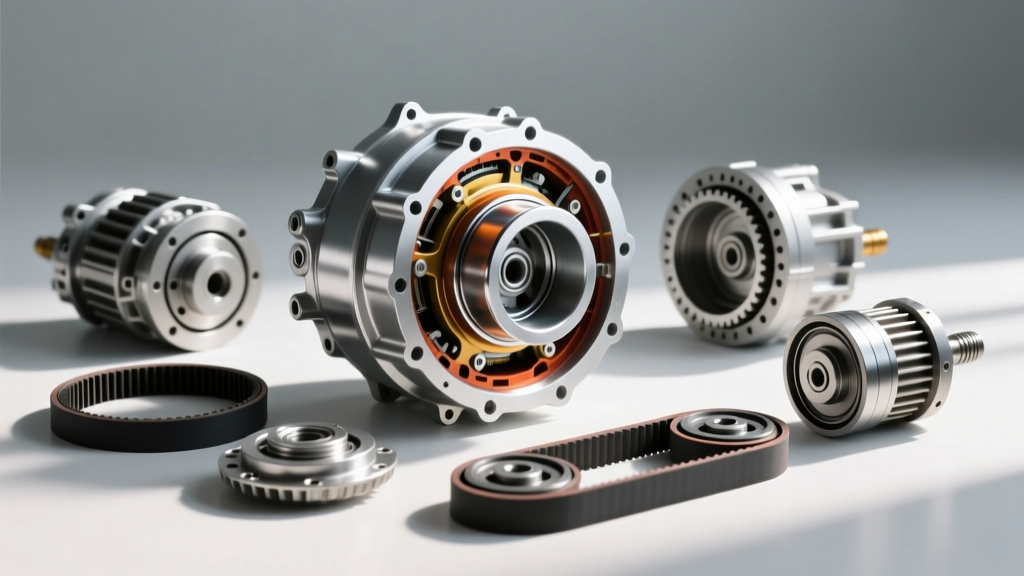
In the automotive diagnostic community, the term belt driven torque converter is frequently used by enthusiasts and technicians to describe the front-end assembly of a Continuously Variable Transmission (CVT). Technically, the torque converter itself is a hydrokinetic fluid coupling bolted to the engine's flexplate. However, in modern CVTs—such as Honda's Earth Dreams or the Jatco JF016E found in Nissan and Jeep vehicles—this torque converter is directly mated to a primary pulley that drives a high-strength steel push-belt or chain. When the torque converter clutch (TCC) fails or the internal stator degrades, the symptoms often mimic a slipping drive belt, leading to the colloquial 'belt driven torque converter' nomenclature.
As of 2026, replacing the torque converter in these belt-driven CVT systems requires specialized knowledge, specific OEM fluids, and precise calibration routines. This guide breaks down the exact replacement costs, OEM part numbers, and diagnostic frameworks for the most common belt-driven CVT platforms on the road today.
2026 Average Replacement Cost Breakdown
The cost to replace a torque converter in a belt-driven CVT is heavily influenced by the vehicle's drivetrain layout (FWD vs. AWD) and the required subframe removal. Below is a comprehensive cost table based on current 2026 national labor averages ($135–$175 per hour) and OEM dealership parts pricing.
| Vehicle Platform | Transmission Model | OEM Part Number | Part Cost (2026) | Labor (Hours) | Estimated Total |
|---|---|---|---|---|---|
| Honda Civic (1.5T) | Earth Dreams CVT | 22000-5X0-000 | $780 - $850 | 7.5 - 8.5 | $1,790 - $2,340 |
| Honda Accord (2.0T) | 10-Speed Auto / CVT | 22000-6A0-A01 | $820 - $910 | 8.0 - 9.0 | $1,900 - $2,480 |
| Nissan Altima / Rogue | Jatco JF016E CVT | 31920-1XF0A | $650 - $750 | 6.5 - 7.5 | $1,520 - $2,060 |
| Jeep Compass / Patriot | Jatco JF011E CVT | 31920-1XF0B | $600 - $700 | 7.0 - 8.0 | $1,540 - $2,100 |
Note: These estimates do not include the cost of mandatory CVT fluid flushes, axle nut replacements, or subframe alignment procedures required post-repair.
Honda & Acura Earth Dreams CVT: Deep Dive
Honda's Earth Dreams CVT utilizes a traditional torque converter to provide smooth off-the-line launch before handing off torque multiplication to the steel belt-driven variator system. According to Honda TechInfo service bulletins, the most common failure point in this assembly is the Torque Converter Clutch (TCC) lockup mechanism.
Symptoms of Honda CVT Torque Converter Failure
- Highway Speed Shudder (40-60 MPH): Often misdiagnosed as a slipping drive belt, this is actually the TCC failing to maintain a 1:1 lockup ratio due to degraded HCF-2 fluid or a worn friction lining inside the converter.
- RPM Flare at Launch: The stator's one-way clutch fails, causing the engine to rev freely without transferring torque to the primary CVT pulley.
- Check Engine Light (DTC P0741 or P0744): Indicates TCC system performance issues or erratic lockup behavior.
Fluid Requirements and Capacity
When replacing the torque converter on a Honda CVT, you must use Honda Genuine HCF-2 fluid. Never substitute this with standard ATF or older HMMF. A dry-fill after a torque converter and transmission replacement requires approximately 7.8 quarts (7.4 liters). A standard drain-and-fill post-repair requires about 3.5 quarts.
Nissan, Jeep, and Mitsubishi: The Jatco JF011E & JF016E
The Jatco JF011E and its successor, the JF016E, are the most prolific belt-driven CVTs in the world. As documented by JATCO Global, these units use a torque converter paired with an auxiliary gearbox and a steel push-belt. Torque converter failures in these units are notorious for masquerading as internal belt slip.
The Stepper Motor vs. Torque Converter Confusion
Before condemning the torque converter on a Jatco unit, technicians must rule out the CVT stepper motor and line pressure solenoids. If the line pressure drops, the steel belt will slip against the pulleys, creating a violent shudder and metallic whining noise. However, if the shudder only occurs under light throttle at cruising speeds and disappears when the transmission is shifted to manual mode (bypassing TCC lockup logic), the torque converter clutch is the definitive culprit.
For the JF016E, the required fluid is Nissan NS-3. Using the older NS-2 fluid in a JF016E will cause immediate TCC friction material degradation due to differing viscosity and friction modifier profiles.
Critical Torque Specifications & Installation Protocol
Improper torquing of the torque converter to the flexplate or the CVT bellhousing to the engine block will result in catastrophic harmonic vibrations, destroying the CVT input shaft bearings. Below are the strict OEM torque specifications for front-wheel-drive belt-driven CVT platforms.
| Component | Specification (Imperial) | Specification (Metric) | Notes |
|---|---|---|---|
| Torque Converter to Flexplate Bolts | 18 lb-ft | 25 Nm | Use new OEM bolts; apply medium threadlocker. |
| CVT Bellhousing to Engine Block | 47 lb-ft | 64 Nm | Follow star-pattern sequence to prevent case warping. |
| Front Axle Nut (Honda/Nissan FWD) | 134 lb-ft | 181 Nm | Must be replaced with a new staked nut upon reassembly. |
| Subframe Mounting Bolts | 76 lb-ft | 103 Nm | Requires alignment check post-installation. |
Expert Diagnosis: Is it the Torque Converter or the Drive Belt?
Because the torque converter feeds directly into the belt-driven variator, isolating the failure requires a methodical approach using a bidirectional OBD2 scan tool. According to diagnostic frameworks published on RepairPal and independent transmission networks, follow this decision tree:
- Monitor TCC Slip RPM: Using live data, monitor the 'TCC Slip Speed' parameter. If the engine is at 2,000 RPM and the transmission input shaft is at 1,850 RPM while the TCC is commanded to 100% lockup, the torque converter clutch is physically slipping.
- Monitor Speed Ratio: If the TCC slip is 0 RPM (locked), but the 'CVT Speed Ratio' parameter fluctuates wildly under load, the issue is internal belt slip or pulley wear, not the torque converter.
- Stall Speed Test: Perform a safe, brief stall test in Drive. If the RPM limits out at the manufacturer's specification (typically 2,200-2,400 RPM for these CVTs), the stator is functioning. If the engine flares to 3,500+ RPM, the torque converter stator one-way clutch has failed, or the CVT input clutch pack is burnt.
Post-Replacement Calibration Requirements
Replacing the torque converter in a modern belt-driven CVT is not a purely mechanical job. Once the assembly is bolted together and filled with the correct fluid, the vehicle's Transmission Control Module (TCM) must undergo a CVT Calibration and TCC Adaptation Reset.
For Honda vehicles, this requires the Honda Diagnostic System (HDS) to perform the 'CVT Start Clutch Calibration' and 'TCC Learn' procedures. For Nissan/Jatco applications, a high-end aftermarket scanner (like Autel or Snap-on) must be used to clear the 'CVT Fluid Deterioration Date' and reset the TCC adaptive pressure maps. Failing to perform these software resets will cause the new torque converter to apply incorrect line pressures, leading to premature TCC shudder within the first 1,000 miles of driving.
Final Thoughts on Belt-Driven CVT Maintenance
The longevity of a belt-driven CVT torque converter is entirely dependent on fluid maintenance. Because the TCC friction material sheds microscopic debris into the fluid, and the steel belt generates metallic particulate, the fluid degrades rapidly. To avoid a $2,000+ torque converter and CVT teardown, perform a strict 30,000-mile drain-and-fill using only OEM-specified fluids, and ensure the magnetic drain plug is thoroughly cleaned during every service interval.