The Anatomy of the Honda CR-V AWD System: Front vs. Rear
Before discussing service pricing, it is critical to understand the unique drivetrain architecture of the Honda CR-V. Unlike traditional body-on-frame trucks with solid front and rear axles, the Honda CR-V utilizes a transverse-mounted engine and the Real Time AWD system. This creates a major point of confusion for owners attempting to budget for differential maintenance.
The Front Differential: On almost all generations of the Honda CR-V, the front differential is integrated directly into the transmission (transaxle) housing. It does not have a separate drain or fill plug, nor does it use standalone gear oil. It is lubricated by the transmission fluid—either Honda ATF DW-1 (for older 5-speed automatics) or Honda CVT fluid (for newer continuously variable transmissions). Therefore, when you service your transmission, you are simultaneously servicing the front differential.
The Rear Differential: The rear differential is a standalone unit mounted on the rear subframe. This is the component that requires dedicated differential fluid and is the primary focus of this preventive maintenance guide. Neglecting this specific rear unit is the leading cause of AWD failure in the CR-V lineup.
Identifying the Correct Honda CR-V Differential Fluid Type
If there is one rule to live by when servicing a Honda AWD system, it is this: Never use generic 75W-90 or 80W-90 gear oil in the rear differential. Standard hypoid gear oils contain extreme pressure (EP) additives that will destroy the delicate friction materials inside the Honda dual-pump clutch packs.
The only approved Honda CR-V differential fluid type is Honda Dual Pump Fluid II (DPSF-II).
- OEM Part Number: 08200-9002
- Fluid Chemistry: DPSF-II is a highly specialized hydraulic fluid with proprietary friction modifiers designed specifically for the Real Time AWD clutch packs.
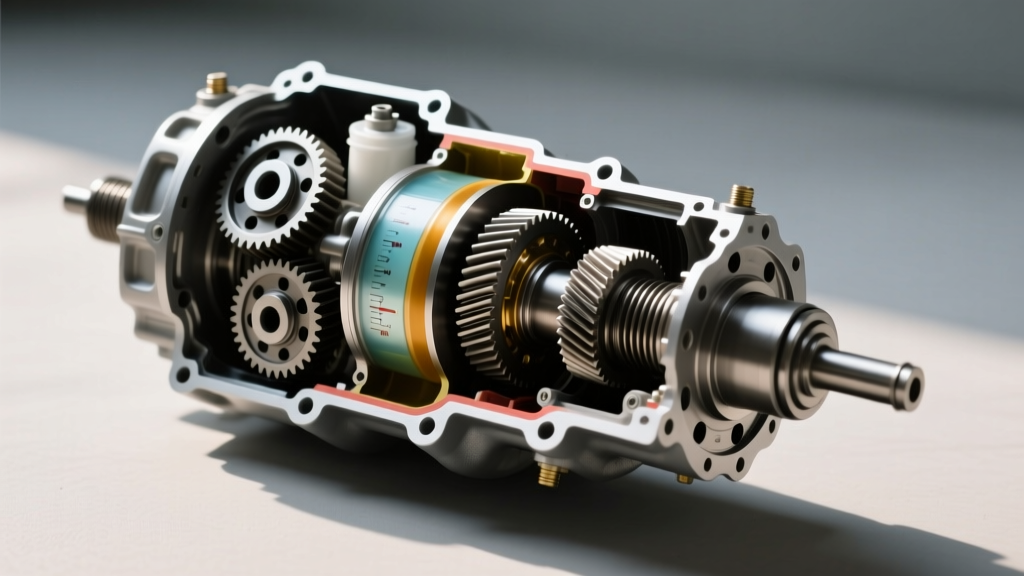
- How the System Works: The CR-V rear differential uses two hydraulic pumps—one driven by the front axle and one by the rear axle. When the front wheels slip, a pressure differential is created, which forces a piston to compress the multi-plate clutch pack, engaging the rear wheels. DPSF-II ensures these clutches engage smoothly without chattering or glazing.
Expert Warning: Using aftermarket 'universal' AWD fluids or traditional gear oils will cause the clutch packs to slip, overheat, and permanently weld together or glaze. This results in a complete loss of AWD functionality and a rear differential replacement cost exceeding $2,500.
2026 Honda CR-V Differential Service Cost Breakdown
Pricing for automotive maintenance has shifted significantly leading into 2026, with shop labor rates and OEM fluid costs rising. Below is a comprehensive breakdown of what you can expect to pay for a rear differential fluid drain, refill, and bleed procedure on a Honda CR-V.
| Service Provider | Estimated Cost (2026) | Pros & Cons |
|---|---|---|
| DIY (Do It Yourself) | $35 - $45 | Pros: Lowest cost, guaranteed OEM fluid. Cons: Requires tools, jack stands, and time for the bleed procedure. |
| Independent Mechanic | $110 - $160 | Pros: Convenient, professional disposal. Cons: Some shops may incorrectly substitute generic gear oil to save money. |
| Honda Dealership | $160 - $240 | Pros: Guaranteed DPSF-II, factory-trained techs. Cons: Highest labor rates and fluid markups. |
Itemized DIY Cost Analysis
If you choose the DIY route, here is exactly where your money goes:
- Honda DPSF-II Fluid (2 Quarts): $24 - $30 (You need 2 quarts to ensure you have enough for the refill and the crucial bleed procedure, even though the system only holds about 1.1 to 1.3 quarts).
- 18mm Aluminum Crush Washers (2x): $4 - $6 (Part numbers: 90471-580-000 and 90472-580-000). Never reuse copper or old aluminum washers; they will leak.
- Fluid Transfer Pump: $8 - $12 (Essential, as the fill hole is located high on the differential housing).
For a detailed look at average Honda maintenance costs and regional labor rate variations, resources like RepairPal's Honda CR-V estimator provide excellent baseline data for your specific zip code.
Preventive Maintenance Intervals: When to Service
Honda's official maintenance schedule can be somewhat ambiguous regarding the rear differential, often bundling it into general inspection codes. However, as drivetrain experts, we recommend the following strict intervals to prevent clutch pack degradation:
Normal Driving Conditions
If your CR-V is primarily driven on dry, paved highways and city streets in fair weather, the rear differential fluid should be changed every 90,000 miles. Under these conditions, the Real Time AWD system is rarely engaged, meaning the fluid experiences minimal thermal breakdown.
Severe Driving Conditions (The Reality for Most Owners)
Most CR-V owners actually fall into the 'severe' category without realizing it. If you regularly drive in rain, snow, mud, tow a small trailer, or frequently accelerate hard from a stop (which forces the AWD system to engage), you must change the rear differential fluid every 30,000 to 45,000 miles.
The 'Groan' Indicator: If you hear a low-pitched groaning or moaning noise coming from the rear of the vehicle when making tight, low-speed turns (such as pulling into a parking space), your fluid has already lost its friction-modifying properties. The clutch packs are chattering. A fluid change and bleed procedure will usually cure this noise if caught early.
DIY Service Guide: Torque Specs and Capacities
For the mechanically inclined, servicing the CR-V rear differential is a straightforward job that takes about 45 minutes. You will need a 3/8-inch drive ratchet (the drain and fill plugs typically do not require a socket, they have a built-in 3/8-inch square drive), a torque wrench, and a fluid pump.
Crucial Specifications (2015-2022 Generations)
- Fluid Capacity (Drain & Refill): 1.1 US Quarts (1.04 Liters). Note: Older 2007-2014 models may require up to 1.3 Quarts. Always fill until the fluid begins to weep out of the fill hole.
- Drain Plug Torque: 29 lb-ft (39 Nm)
- Fill Plug Torque: 29 lb-ft (39 Nm)
- Washer Requirement: New 18mm aluminum crush washers on both plugs.
The Mandatory 'Figure-8' Bleed Procedure
This is the step that most amateur mechanics and quick-lube shops skip, leading to catastrophic differential failure. After draining and refilling the differential with DPSF-II, you must bleed the air out of the dual-pump hydraulic system.
- Start the engine and put the CR-V in Drive.
- Drive the vehicle in a tight 'Figure-8' pattern in an empty parking lot at low speeds (under 10 mph).
- Perform 4 to 5 continuous Figure-8 loops. This forces the hydraulic pumps to circulate the new fluid, engage the clutch packs, and push trapped air back into the reservoir.
- Park the vehicle on a level surface, turn off the engine, and check the fill plug. If the fluid level has dropped, top it off to the brim and reinstall the plug with a new crush washer torqued to 29 lb-ft.
For verified OEM part numbers and factory service manual excerpts, owners can cross-reference their VIN on portals like Honda Parts Now to ensure they are ordering the exact DPSF-II formulation and correct hardware for their specific model year.
The Hidden Costs of Neglect
Saving $100 by skipping a differential service or using the wrong fluid is a false economy. When the dual-pump clutch packs fail due to incorrect fluid or air entrapment, the rear differential will no longer send power to the rear wheels. The vehicle will default to front-wheel drive, and the dashboard may eventually trigger an AWD warning light.
Replacing a destroyed rear differential assembly or rebuilding the internal clutch drum on a Honda CR-V typically costs between $1,800 and $2,800 at a dealership in 2026, factoring in parts, specialized hydraulic bleeding tools, and labor. By adhering to the correct fluid type and severe-service intervals, you ensure the longevity of your AWD system and maintain the vehicle's resale value.