Thermal Dynamics of the Titan IFS Front Axle
The 2005 Nissan Titan front differential is a highly specific piece of drivetrain engineering. Based on a Dana 44 Independent Front Suspension (IFS) architecture, this axle assembly utilizes a reverse-cut ring and pinion gear set to accommodate the front-mounted transfer case output. While the Dana 44 IFS is robust, its thermal management from the factory leaves much to be desired, particularly for owners who tow heavy loads, navigate deep sand, or utilize the truck's four-wheel-drive system in high-traction off-road environments.
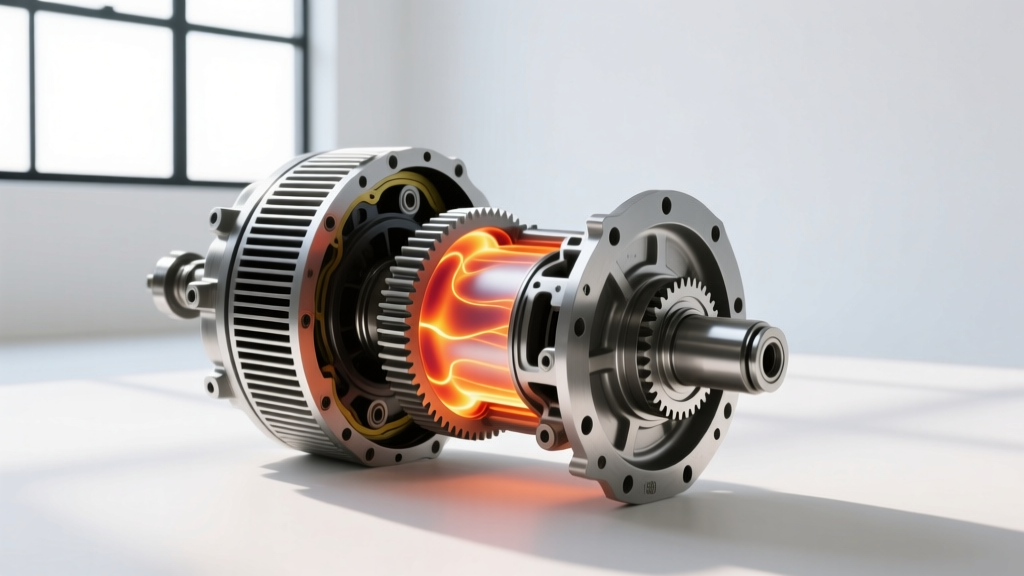
Inside the differential housing, hypoid gears generate immense sliding friction. Unlike spur gears that roll through their mesh, hypoid gears slide across one another, shearing the gear oil film and converting kinetic energy into extreme heat. When the factory stamped-steel differential cover is subjected to these thermal loads, it acts as an insulator rather than a heat sink. Upgrading the 2005 Nissan Titan front differential cover is not merely an aesthetic modification; it is a critical intervention to prevent fluid degradation, pinion bearing failure, and ring gear scoring.
The IFS Clearance Challenge: Why Solid Axle Covers Fail
The most common mistake enthusiasts make when addressing 2005 Nissan Titan front differential cooling is attempting to install deep-sump covers designed for solid front axles (such as those found on older Jeep Wranglers or Ford Super Dutys). The Titan's IFS geometry severely limits vertical clearance.
The front differential sits directly behind a stamped-steel skid plate and in close proximity to the steering rack and lower control arms. A deep-sump cover that extends 2 to 3 inches below the stock mating surface will immediately become the lowest hanging point on the chassis. In off-road scenarios, this protruding aluminum sump will catch on rocks and stumps, potentially ripping the cover off the housing, resulting in catastrophic fluid loss and immediate axle seizure.
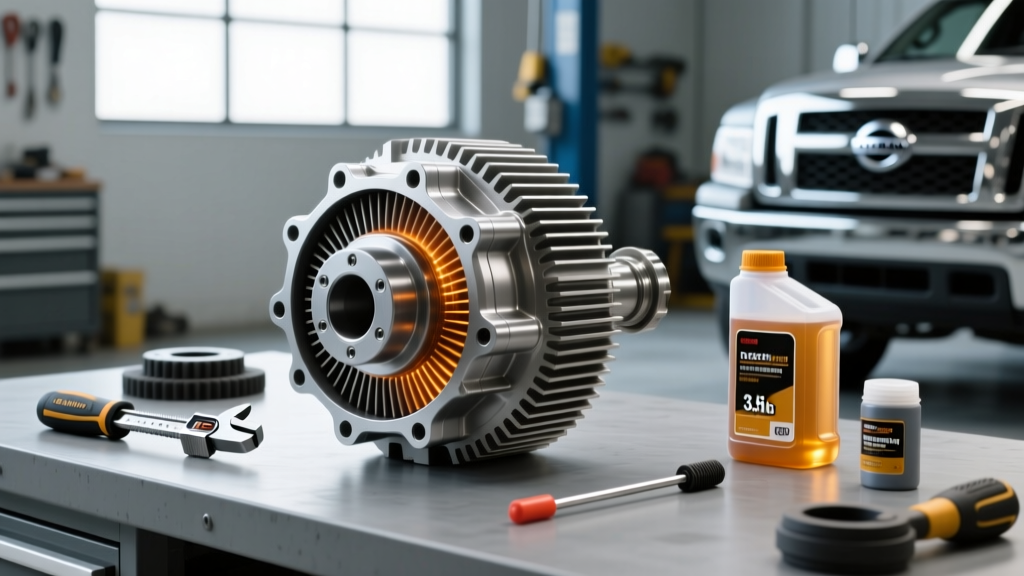
According to Yukon Gear's Differential Identification Guide, identifying the exact IFS housing variant is crucial before purchasing aftermarket components. You must select a low-profile, finned aluminum cover that maximizes surface area for convective cooling without compromising the factory ground clearance.
Comparing Front Differential Cover Designs
| Cover Type | Material | Thermal Dissipation Gain | IFS Ground Clearance | Off-Road Viability |
|---|---|---|---|---|
| OEM Factory Cover | Stamped Steel | Baseline (0%) | 100% (Optimal) | Moderate (Prone to heat soak) |
| Low-Profile Finned | Cast A356 Aluminum | +35% Surface Area | 98% (Near OEM) | Excellent (Safe from impacts) |
| Deep Sump w/ Fins | Cast Aluminum | +65% Volume & Area | 40% (Hangs below skid) | Poor (High impact risk) |
Fluid Selection and Thermal Breakdown Points
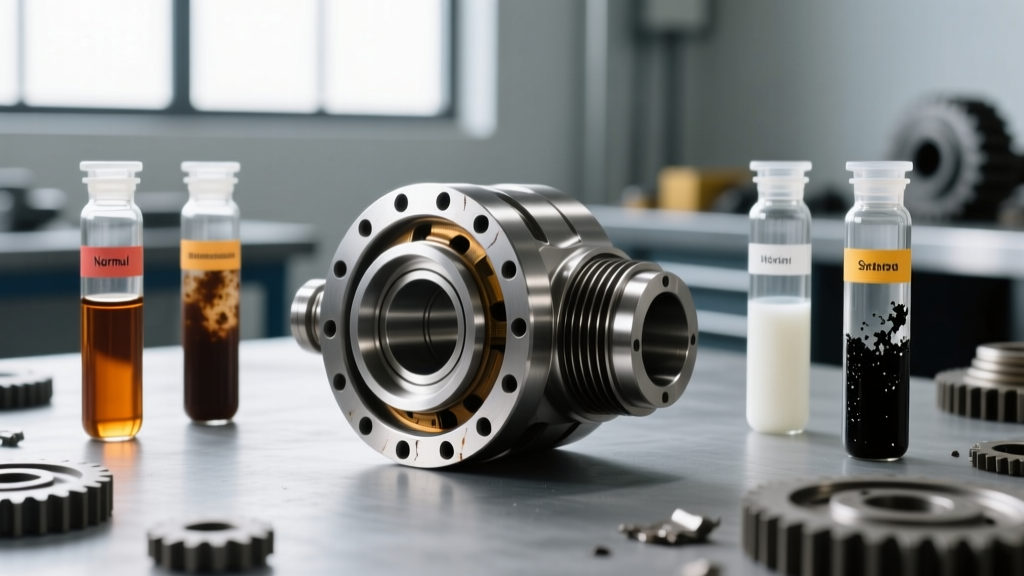
Upgrading the cover only solves half the thermal equation. The fluid inside the 2005 Nissan Titan front differential must be capable of withstanding high shear forces. The factory fill specification calls for API GL-5 80W-90 conventional gear oil. However, conventional mineral oils begin to oxidize and lose their protective boundary film at approximately 250°F (121°C).
As noted in AMSOIL's technical bulletin on gear oil thermal breakdown, once the fluid film shears, the extreme pressure (EP) additives are rapidly depleted, leading to metal-on-metal contact. For a dedicated cooling and performance upgrade, switching to a high-quality 75W-90 Full Synthetic GL-5 gear oil is mandatory. Synthetic base stocks offer a significantly higher viscosity index, meaning they resist thinning out at extreme temperatures while maintaining superior cold-weather flow characteristics for winter 4WD engagement.
Recommended Fluid Specifications:
- Viscosity: 75W-90 Full Synthetic
- API Rating: GL-5 (Required for hypoid gear EP protection)
- Capacity: 1.7 Pints (0.8 Liters) - Always verify by filling until fluid weeps from the fill hole.
- Friction Modifier: Not required. The 2005 Titan front axle is an open differential. The truck utilizes Active Brake Limited Slip (ABLS), which relies on the ABS system to brake spinning wheels, not on internal clutch packs inside the front differential.
Step-by-Step Installation & Torque Specifications
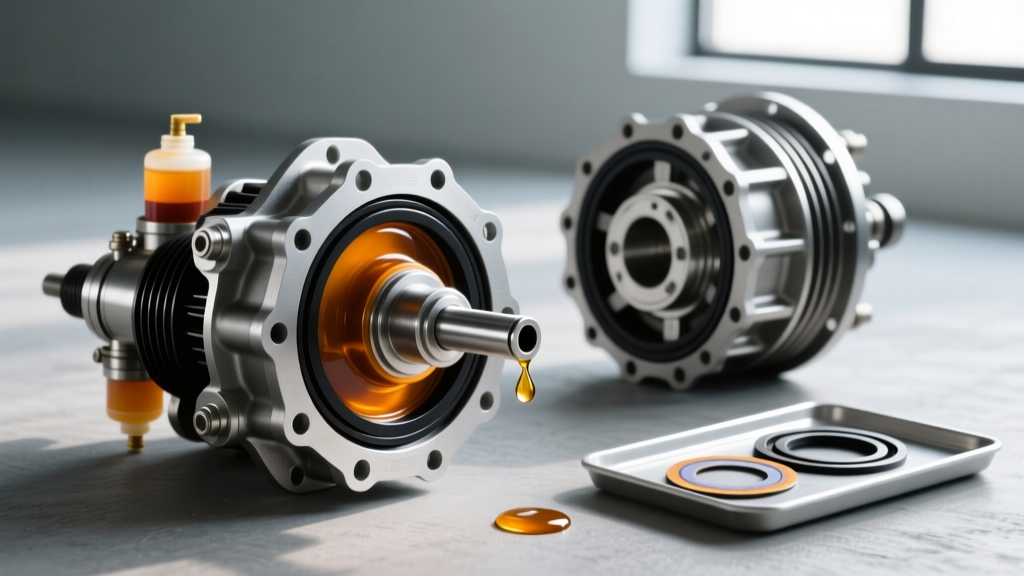
Proper installation of the new differential cover is vital to prevent leaks and ensure the structural integrity of the IFS housing. The mating surface of the aluminum or steel housing must be perfectly clean to allow the RTV silicone to cure into a reliable gasket.
Required Tools and Materials
- 10mm Socket and 3/8" Drive Torque Wrench
- Plastic Gasket Scraper and Brake Cleaner
- Permatex Ultra Black RTV Silicone (Part #81878) or The Right Stuff
- Fluid Transfer Pump
- Shop Towels and Safety Glasses
Execution Protocol
1. Draining and Removal: With the vehicle safely supported on jack stands and the suspension allowed to hang (to keep the CV axles at a neutral angle), remove the factory fill plug first using a 3/8" square drive or appropriate hex socket. This prevents a vacuum lock. Next, remove the 10 or 12 perimeter bolts securing the stamped steel cover. Catch the remaining fluid in a drain pan.
2. Surface Preparation: This is the most critical step. Use a plastic scraper to remove all remnants of the factory silicone gasket. Do not use a metal razor blade on the aluminum housing, as scoring the mating surface will create permanent leak paths. Wipe the mating surface thoroughly with brake cleaner until the shop towel comes away completely clean. Allow the solvent to evaporate completely.
3. RTV Application: Apply a continuous, 3mm to 5mm bead of Permatex Ultra Black RTV to the new finned aluminum cover. Ensure you circle every bolt hole. Do not use cork or rubber pre-cut gaskets; they compress unevenly and are prone to weeping under the thermal expansion cycles of the IFS axle.
4. Mounting and Torque Sequence: Carefully mate the cover to the housing, ensuring no RTV is pushed inward into the gear mesh area. Thread all bolts in by hand to prevent cross-threading the soft aluminum housing. Tighten the bolts in a crisscross star pattern to distribute clamping force evenly.
5. Torque Specifications: The perimeter flange bolts (typically M8 x 1.25) must be torqued to exactly 22 to 25 lb-ft. Over-torquing will strip the threads out of the differential housing or warp the aluminum cover, causing immediate leaks. The fill and drain plugs should be torqued to 28 lb-ft.
6. Curing and Filling: Allow the RTV to cure for a minimum of 4 hours before filling with gear oil. Pump the 75W-90 synthetic fluid into the fill hole until it reaches the bottom of the threads and begins to overflow. Reinstall the fill plug and torque to spec.
Expert Warning: Do not use pneumatic impact wrenches to reinstall the differential cover bolts. The Dana 44 IFS housing features relatively shallow threaded bosses. An impact gun can easily strip the threads or snap the bolt head, turning a simple fluid service into a costly helicoil repair or complete housing replacement.
Real-World Cost and ROI Analysis
Investing in a differential cooling upgrade for the 2005 Nissan Titan front axle yields significant long-term reliability benefits, especially when compared to the cost of a differential rebuild or replacement.
- Low-Profile Finned Aluminum Cover: $140 - $220
- Synthetic 75W-90 Gear Oil (2 Quarts): $30 - $45
- RTV Silicone & Consumables: $10 - $15
- Total Investment: $180 - $280
Conversely, replacing a scored ring and pinion set or rebuilding a failed pinion bearing due to thermal fluid breakdown will cost between $800 and $1,500 in parts and machine shop labor. Furthermore, maintaining optimal fluid temperatures ensures that the front CV axle seals remain pliable, preventing gear oil from leaking onto the front brake rotors—a dangerous failure mode that compromises stopping power and necessitates costly brake system servicing.
By addressing the thermal deficiencies of the factory stamped-steel cover and upgrading to a modern synthetic lubricant, owners can confidently subject their Titan's front drivetrain to severe duty cycles while maintaining OEM-level reliability and clearance.