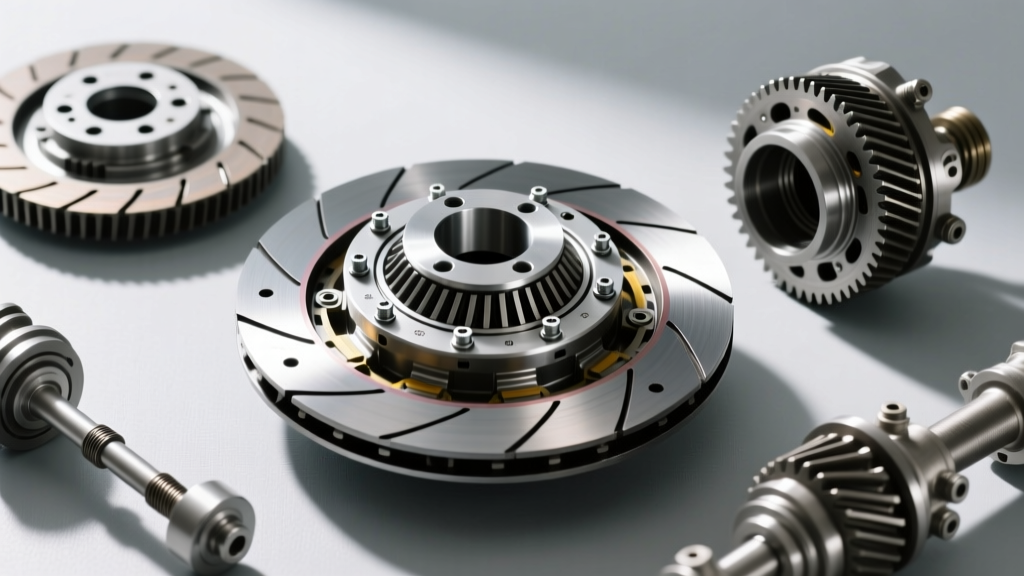
The Drivetrain Dilemma: Fluid Coupling vs. Friction Disc
When building a high-performance street or strip vehicle, the powerplant often steals the spotlight, but the drivetrain coupling method dictates how effectively that power reaches the pavement. For decades, the automotive aftermarket has debated the merits of a traditional manual friction clutch versus an automatic setup utilizing a higher stall torque converter. While purists often gravitate toward the mechanical engagement of a pedal-operated clutch, modern fluid dynamics and advanced lockup mechanisms have made high-stall automatics a formidable, and often superior, choice for specific applications.
This technical deep-dive explores the physics, launch dynamics, thermal management, and real-world costs of comparing a performance manual clutch (such as a twin-disc setup in a Tremec T56 Magnum) against a higher stall torque converter (such as a 3200 RPM unit in a GM 4L60E or 4L80E). Whether you are executing an LS V8 swap or refining a dedicated drag radial build, understanding these mechanical differences is critical for maximizing your 60-foot times and preserving driveline longevity.
The Physics of Launch: Fluid Shear vs. Friction Bite
Torque Multiplication in a Higher Stall Torque Converter
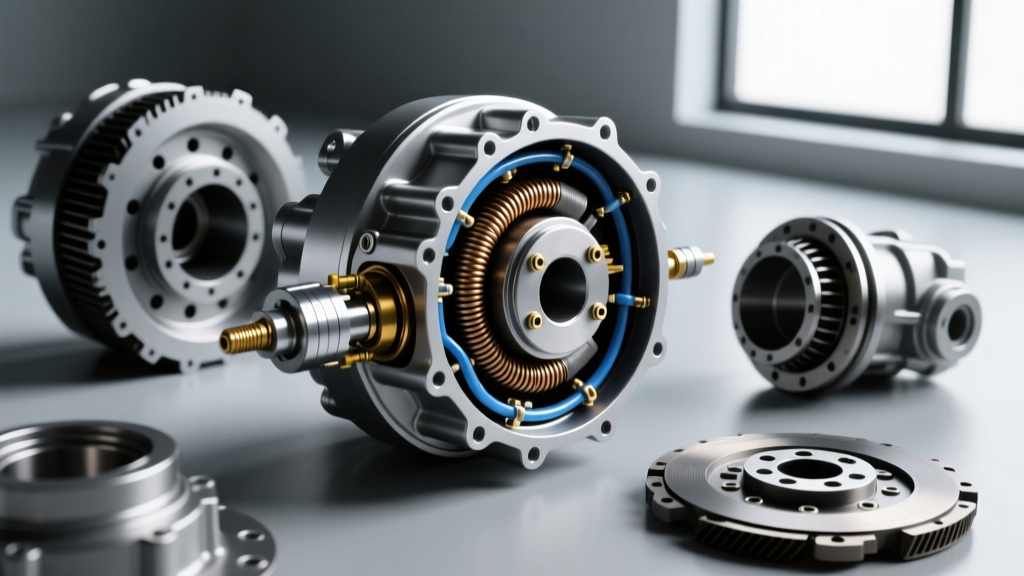
A torque converter is a hydrodynamic fluid coupling consisting of three primary elements: the impeller (pump), the turbine, and the stator. When you opt for a higher stall torque converter, you are effectively altering the blade geometry and stator design to delay the coupling point, allowing the engine to rev deeper into its powerband before fully loading the drivetrain.
The true magic of the torque converter lies in the stator. Mounted on a one-way roller clutch, the stator redirects returning transmission fluid back into the impeller, creating a vortex that multiplies engine torque. A typical performance converter yields a torque multiplication ratio of 2.2:1 to 2.5:1 at stall. If your engine produces 400 lb-ft of torque at a 3200 RPM flash stall, the transmission input shaft momentarily experiences upwards of 900 to 1,000 lb-ft of twisting force. This hydraulic leverage is entirely impossible to replicate with a manual friction clutch.
Manual Clutch Engagement and Driveline Shock
A manual clutch relies on the coefficient of friction between the flywheel, friction disc(s), and pressure plate. When a driver dumps the clutch at 5000 RPM, the mechanical lockup is instantaneous and binary. There is zero torque multiplication; in fact, drivetrain parasitic loss slightly reduces the torque reaching the wheels. Furthermore, the sudden mechanical bite sends severe torsional shockwaves through the driveline. This shock must be absorbed by the U-joints, axle splines, and differential ring-and-pion gears, frequently leading to catastrophic mechanical failures in high-horsepower applications.
Defining "Stall" vs. "Engagement RPM"
A common misconception among enthusiasts transitioning from manual to automatic transmissions is the definition of "stall speed." A higher stall torque converter rated for 3200 RPM does not mean the vehicle will slip to 3200 RPM during light-throttle highway cruising.
- Footbrake Stall: The maximum RPM achieved while holding the brakes and applying full throttle in gear. This is limited by the engine's torque output at low RPM and the braking system's holding capacity.
- Flash Stall: The true RPM at which the converter couples under maximum load (e.g., launching off the transbrake or footbrake on the drag strip). This is the critical metric for performance tuning.
- True Stall (K-Factor): The theoretical RPM the converter would reach if the output shaft were physically locked from moving while the engine is at wide-open throttle.
Conversely, a manual clutch's engagement RPM is entirely driver-dependent. A skilled driver can modulate the pedal to slip the clutch at 2000 RPM or dump it at 6000 RPM, but they cannot alter the mechanical 1:1 lockup ratio or generate hydraulic torque multiplication.
Head-to-Head Comparison Matrix
| Metric | Higher Stall Torque Converter (e.g., 3200 RPM Billet) | Manual Performance Clutch (e.g., Sintered Iron Twin-Disc) |
|---|---|---|
| Torque Multiplication | 2.2:1 to 2.5:1 (Hydraulic Leverage) | 1:1 (Direct Mechanical Lockup) |
| Driveline Shock | Low (Fluid absorbs torsional spikes) | Extreme (Instant mechanical bite) |
| 60-Foot Consistency | Highly Consistent (Transbrake/ Footbrake) | Variable (Dependent on driver pedal modulation) |
| Parasitic Loss (Cruising) | Negligible (When TCC is Locked) | Zero (Direct mechanical connection) |
| Thermal Output (Launch) | High (Fluid shear generates massive heat) | Extreme (Friction material glazing/burning) |
| Average Component Cost | $650 - $950 (Converter only) | $1,200 - $1,800 (Clutch, Flywheel, Throwout) |
Transmission Case Studies: 4L60E vs. Tremec T56 Magnum
Automatic Build: Circle D 3200RPM Stall in a 4L60E
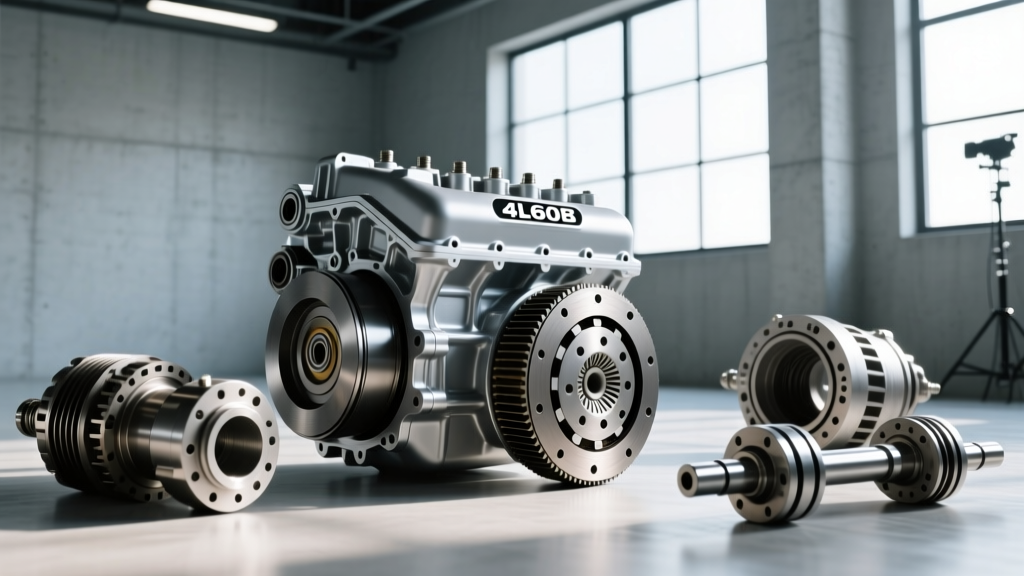
Consider a typical 400-horsepower LS1 street/strip build utilizing a GM 4L60E transmission. Upgrading to a Circle D Specialties billet-cover torque converter with a 3200-3400 RPM flash stall provides an aggressive launch while maintaining streetability. The billet steel cover prevents the converter from ballooning under high line pressure, a common failure point in modified 4L60E units. Priced around $750, this setup requires an external transmission cooler (such as a Derale Series 8000) to manage the fluid shear heat generated during the launch phase. Once the vehicle shifts into 3rd or 4th gear, the Torque Converter Clutch (TCC) applies, locking the impeller and turbine together via a friction disc inside the converter, effectively eliminating slip and mimicking a manual clutch for highway efficiency.
Manual Build: McLeod RXT Twin Disc in a T56 Magnum
For the manual equivalent, builders often turn to the Tremec T56 Magnum paired with a McLeod Racing RXT twin-disc clutch. The RXT utilizes two organic/ceramic friction discs and a billet aluminum flywheel, rated for up to 800 horsepower. The clamping force exceeds 2,400 lbs, resulting in a heavy pedal effort that can cause fatigue in stop-and-go traffic. The total investment for the clutch assembly, flywheel, and hydraulic throwout bearing easily surpasses $1,600. While the T56 Magnum offers robust gear strength, the aggressive bite of the twin-disc clutch on a sticky drag radial tire places immense stress on the transmission input shaft and the differential pinion gear.
Thermal Management and TCC Lockup Dynamics
Heat is the ultimate enemy of any automatic transmission. A higher stall torque converter generates significant heat due to fluid shear when the impeller and turbine are rotating at vastly different speeds. If you footbrake a 3200 RPM stall converter for more than 3-5 seconds, transmission fluid temperatures can spike past 300°F (149°C), rapidly degrading the fluid's viscosity and burning the internal TCC friction material.
Pro-Tuning Insight: When tuning modern transmissions like the GM 6L80E or Ford 10R80 with higher stall aftermarket converters, the Pulse Width Modulation (PWM) apply strategy for the TCC lockup is critical. Aggressive, instant TCC apply at low speeds will cause severe driveline shudder and stall the engine. Tuners must map a gradual, slipping TCC apply curve to soften the lockup transition, preserving both the converter clutch and the driver's comfort.
While this article focuses on the performance comparison, it is vital to recognize the symptoms of a mismatched or failing higher stall torque converter. If your high-stall unit begins exhibiting TCC shudder (often felt as a rhythmic, harmonic vibration at 45-55 mph), or throws a P0741 (TCC Performance/Stuck Off) diagnostic trouble code, the internal lockup clutch friction material is likely degraded from excessive heat or improper PWM tuning. In severe cases, the stator one-way roller clutch may fail, resulting in a complete loss of torque multiplication and sluggish off-the-line acceleration, mimicking the symptoms of a severely slipping manual clutch.
Driveline Preservation: The Unseen Advantage of Fluid
One of the most compelling arguments for a higher stall torque converter in high-horsepower applications is driveline preservation. When a manual clutch is dumped on a prepped surface, the instantaneous grip of the tires sends a violent shockwave back through the axles. This torsional shock frequently snaps Spicer 1310 U-joints, strips axle splines, and chips the teeth off differential ring gears.
A torque converter acts as a massive hydraulic shock absorber. The fluid coupling allows the tires to "wrap up" the axle tubes and find grip progressively. The slip inherent in the converter's launch phase dampens the torsional spike, allowing builders to run lighter, more responsive driveline components without the constant fear of catastrophic mechanical failure. This is why the vast majority of modern Pro Mod and radial-tire drag racing classes rely exclusively on high-stall, transbrake-equipped automatic converters rather than manual clutch setups.
Final Verdict: Which Setup Wins?
The choice between a higher stall torque converter and a manual clutch ultimately depends on the vehicle's primary mission. If your build is a dedicated track car, a drag radial machine, or a heavy street/strip vehicle where 60-foot consistency and driveline shock absorption are paramount, the hydraulic torque multiplication and tuning flexibility of a higher stall torque converter make it the undisputed champion. The integration of modern TCC lockup technology ensures that highway drivability and fuel efficiency are no longer sacrificed for track performance.
However, if your build is a lightweight, naturally aspirated road-course car, a canyon carver, or a purist restomod where driver engagement, engine braking, and zero parasitic fluid loss are the primary goals, a high-performance manual clutch remains the superior choice. Understanding the mechanical realities of both systems ensures that your drivetrain investment perfectly complements your engine's powerband and your driving objectives.