The Root of Heavy-Duty Driveline Shock: Torsional Vibration
As 2026 heavy-duty torque standards push diesel powerplants like the Cummins X15 and Detroit DD15 past the 2,050 lb-ft mark, the rotational forces transmitted through the driveline have reached unprecedented levels. For fleet managers and owner-operators running Class 8 trucks, logging rigs, and heavy-haul lowboys, clutch system diagnostics are no longer just about friction material wear. The primary enemy of modern commercial manual and automated manual transmissions (AMTs) is torsional vibration. When diagnosing premature clutch failure, severe engagement chatter, or catastrophic transmission spline wear, the internal architecture of the friction disc hub is often the hidden culprit.
Upgrading a heavy-duty commercial vehicle requires a deep understanding of driveline dynamics. Selecting the correct replacement components—specifically navigating the engineering differences in hub dampening—is critical to protecting expensive drivetrain components like the Eaton Fuller RTLO-18918B or the Mack mDRIVE automated gearboxes.
Diagnosing Commercial Clutch Chatter and Spline Wear
Before selecting an upgrade path, it is vital to accurately diagnose the symptoms of a failing heavy-duty clutch system. In commercial applications, clutch problems rarely manifest as simple 'slipping' under load. Instead, they present as violent mechanical feedback:
- Low-RPM Engagement Chatter: A violent shuddering when pulling away from a stop in 1st or 2nd gear, often caused by uneven friction material deposits, warped flywheels, or a lack of torsional dampening absorbing the diesel engine's low-frequency firing pulses.
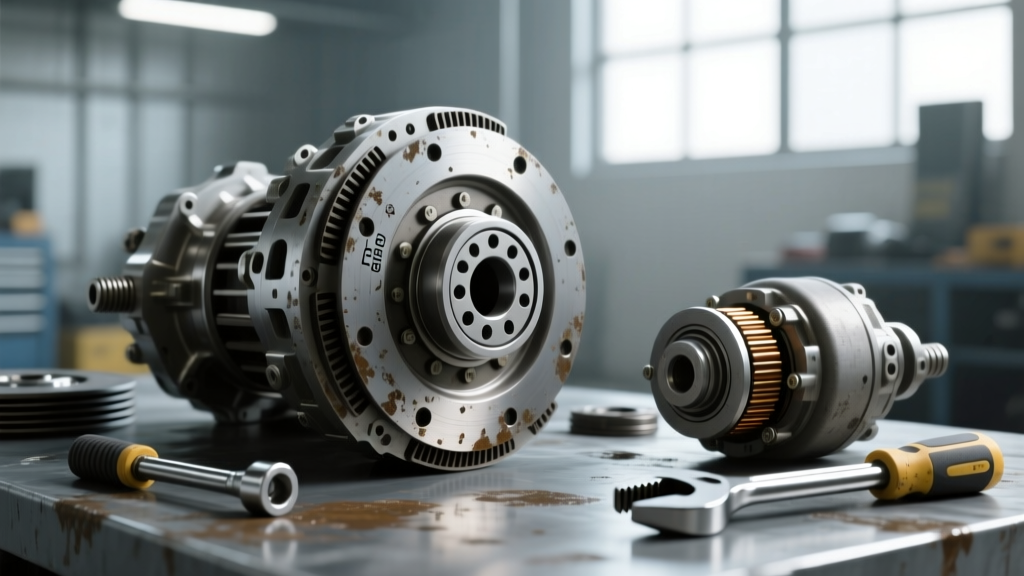
- Transmission Main Shaft Spline Fretting: Found during teardowns, the splines on the clutch disc and transmission input shaft show severe wear, rust dust (fretting corrosion), or 'galling'. This is a hallmark symptom of harmonic vibrations destroying the metal-to-metal interface.
- Clutch Brake Failure: Inability to stop the input shaft for smooth shifting, often linked to improper clutch brake squeeze clearance or a worn release bearing assembly.
- Throwout Bearing Resonance: A high-pitch squeal or deep grinding noise at idle that changes pitch when the clutch pedal is depressed, indicating a failing release bearing or improper linkage geometry.
Sprung Clutch vs Unsprung: The Torsional Vibration Battle
When sourcing performance upgrades or heavy-duty replacement kits, technicians must evaluate the disc hub design. The debate of sprung clutch vs unsprung configurations is central to commercial drivetrain longevity. Unlike passenger vehicles where unsprung (rigid) discs are used to reduce rotational mass for track racing, heavy-duty trucks face entirely different physics.
The Danger of Unsprung (Rigid) Discs in Single-Plate Setups
An unsprung clutch disc features a solid, rigid hub with no internal dampening mechanisms. The friction material is mounted directly to the splined hub. In a heavy-duty single-plate setup (such as a standard 15.5-inch Eaton Solo), installing an unsprung disc is a catastrophic diagnostic error. Without torsional springs to absorb the violent torque pulses of a 15-liter diesel engine, the harmonic shockwaves travel directly through the rigid hub and into the transmission's main shaft. This results in rapid spline galling, shattered ceramic friction buttons, and eventual destruction of the transmission's input bearings.
Why Sprung Hubs are Mandatory for Commercial Hauling
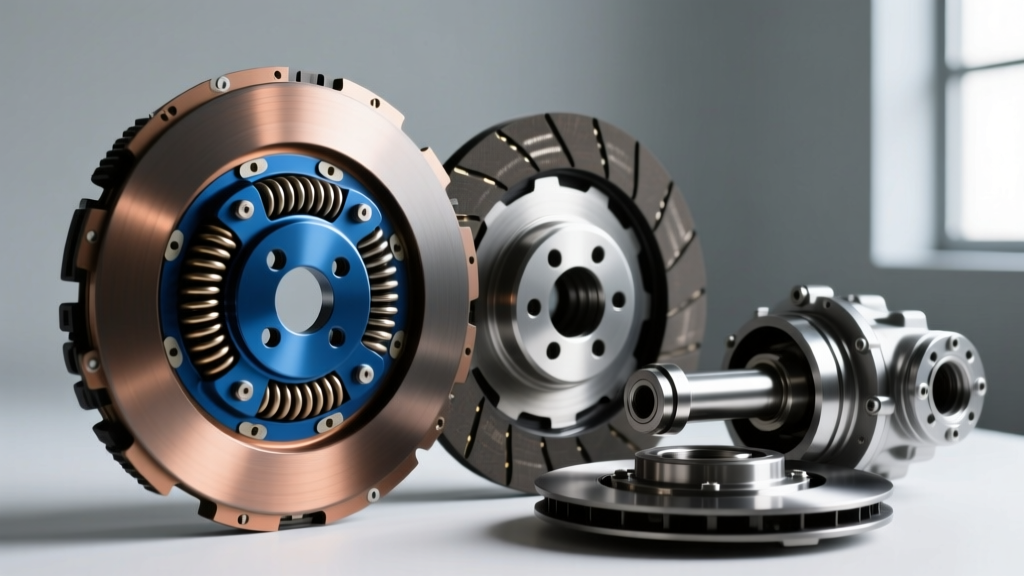
A sprung clutch disc incorporates a series of heavy-duty coil springs or polyurethane dampening elements within the hub. These springs act as a mechanical low-pass filter, absorbing the torsional spikes generated by the engine's combustion cycles before they reach the gearbox. For high-torque commercial applications, multi-stage sprung hubs (featuring both idle dampening springs and high-torque drive springs) are mandatory. They allow the clutch to slip slightly at the micro-level during engagement, smoothing out the torque transfer and eliminating driveline shock.
| Feature | Sprung Hub (Torsional Damper) | Unsprung Hub (Rigid Solid) |
|---|---|---|
| Hub Architecture | Coil springs / Polyurethane inserts | Solid steel forged hub |
| Vibration Absorption | Excellent (Multi-stage dampening) | None (Transmits 100% of shock) |
| Spline Wear Risk | Low (Protects input shaft) | Extreme (Causes rapid fretting) |
| Best Application | Class 8 Highway, Heavy Haul, Logging | Multi-plate racing (with flywheel damper) |
| Friction Material | Organic, Ceramic, or Kevlar blends | Typically Sintered Iron or Rigid Ceramic |
Upgrade Guide: Specifying the Right Heavy-Duty Clutch
When upgrading a fleet vehicle or an owner-operator's heavy-haul rig to handle increased gross combination weight ratings (GCWR), moving to a high-capacity sprung hub with ceramic or advanced organic friction materials is the standard performance path. Below are the critical installation and diagnostic specifications required for a successful heavy-duty upgrade.
Flywheel Step Height and Machining Tolerances
The most common cause of post-upgrade clutch chatter in heavy trucks is improper flywheel step height. The step height is the distance between the friction surface and the clutch cover mounting surface.
- Eaton Solo 15.5-inch Specifications: The step height must be strictly maintained between 0.530 inches and 0.570 inches. If the flywheel is resurfaced without correcting the step, the clutch cover's internal diaphragm spring will be over-centered, leading to a heavy pedal feel, premature release bearing failure, and severe engagement chatter.
- Machining Requirement: Always use a dedicated heavy-duty flywheel grinder capable of handling 15.5-inch and 16.5-inch dual-mass or solid cast-iron flywheels. Do not attempt to shim the clutch cover to correct step height errors.
Clutch Brake and Linkage Adjustments
Heavy-duty manual transmissions rely on a clutch brake to stop the input shaft from spinning, allowing for smooth first-gear and reverse-gear engagement. When upgrading the clutch disc and pressure plate, the clutch brake squeeze must be reset.
- Clutch Brake Squeeze Clearance: Measure the distance between the release bearing and the clutch brake when the pedal is fully depressed. The ideal squeeze is 0.500 inches to 0.600 inches. Less than 0.500 inches will result in the clutch brake never engaging (causing gear grind). More than 0.600 inches will crush and destroy the clutch brake friction pucks.
- Free Travel: Ensure the clutch pedal has exactly 1.5 to 2.0 inches of free travel at the pad before the release bearing contacts the clutch cover's internal fingers.
Expert Diagnostic Tip: When replacing a heavy-duty clutch, always replace the clutch brake and inspect the transmission input shaft splines. If the splines show any signs of 'hooking' or galling from a previous unsprung or failed dampening setup, the input shaft must be replaced. A new clutch disc will bind on a damaged shaft, causing the truck to creep in gear even with the pedal fully depressed.
Real-World Costs and Part Numbers for Fleet Upgrades
Upgrading to a premium heavy-duty sprung clutch kit is an investment in driveline longevity. Based on current 2026 commercial parts pricing, here is what fleet managers should expect when spec'ing performance replacements:
- Eaton Advantage / Solo 15.5-inch Heavy-Duty Kits: Part numbers like the Eaton 3621-108 (15.5-inch, 2-plate, high-capacity organic) typically range from $1,800 to $2,400. These feature advanced multi-stage torsional dampening designed specifically for the Eaton Fuller RTLO series.
- LuK / Sachs Commercial RepSets: For European-style commercial trucks or automated manual setups, LuK heavy-duty RepSets (including the self-adjusting clutch cover, sprung disc, and release bearing) run between $1,200 and $1,600.
- Performance Ceramic Upgrades: For severe-duty oilfield and logging applications, upgrading to a twin-disc ceramic button setup with a heavy-duty polyurethane sprung hub (such as those from South Bend Clutch or Zeus) can cost between $2,800 and $3,500. These offer massive thermal capacity and aggressive lock-up, but require careful pedal modulation to avoid driveline shock.
For authoritative installation guidelines and torque specifications, technicians should always consult Eaton's commercial clutch service manuals and adhere to the driveline maintenance standards published by the Technology & Maintenance Council (TMC). Properly spec'ing a sprung hub over a rigid alternative is the single most effective diagnostic and preventive measure against catastrophic transmission failure in high-torque commercial environments.