The Hidden Parasitic Loss: Heavy-Duty Fan Clutch Diagnostics
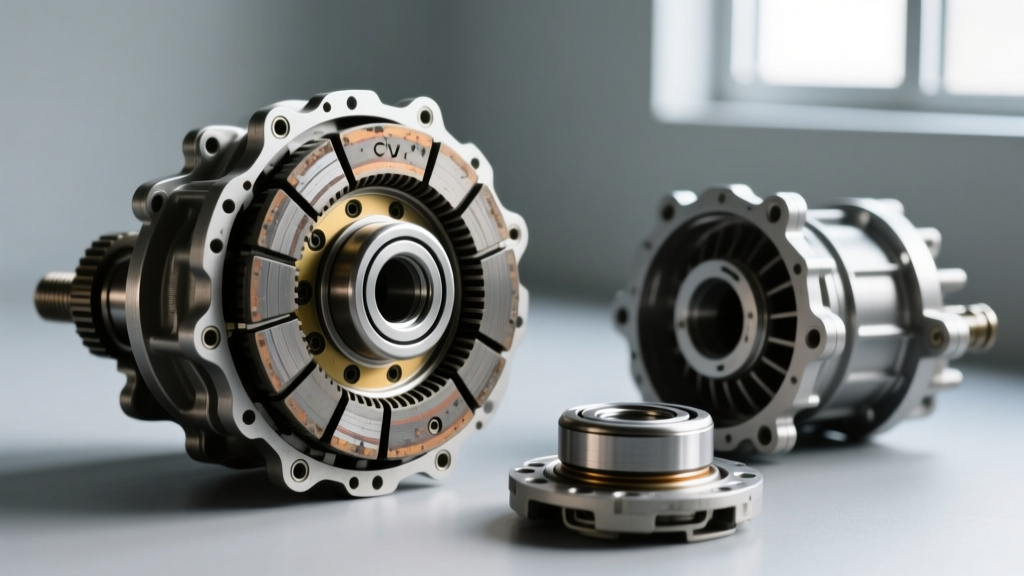
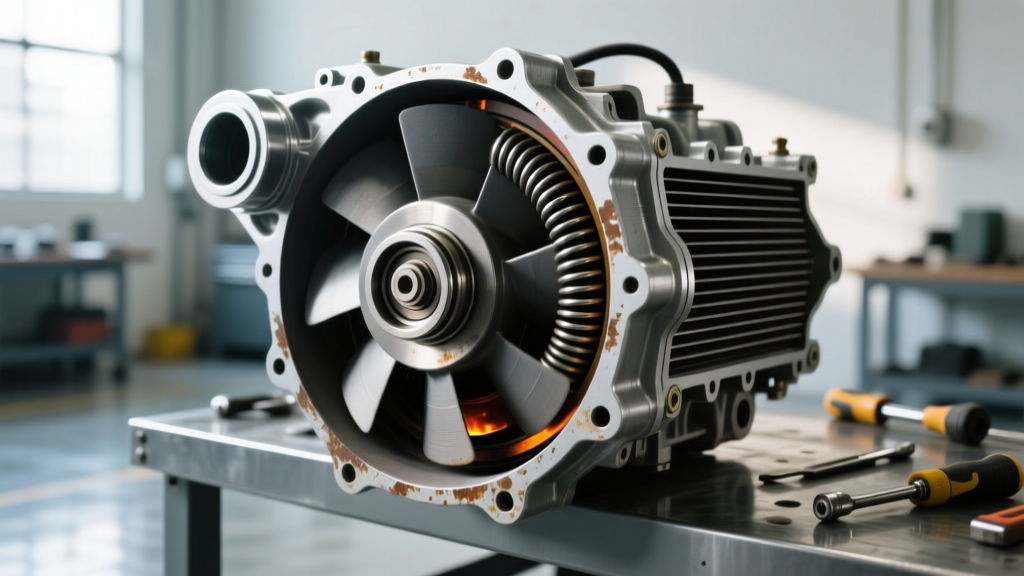
In the heavy-duty and commercial vehicle sector, the radiator fan clutch is a high-torque friction and fluid coupling device that dictates engine thermal management. While often overshadowed by transmission and driveline clutches, the fan clutch on a Class 8 truck (such as a Peterbilt 579 or Freightliner Cascadia) is responsible for engaging a fan that can draw up to 70 horsepower from the crankshaft. When this clutch mechanism begins to slip, chatter, or fail to disengage, the symptoms manifest as severe engine derates, catastrophic fuel economy drops, and auxiliary system failures.
As we navigate the tighter thermal management requirements of the 2026 EPA emissions standards, diagnosing and upgrading the heavy-duty radiator fan clutch from legacy bi-metal systems to modern Pulse Width Modulated (PWM) electronic clutches is no longer optional—it is a critical performance upgrade for fleet efficiency and drivetrain longevity.
Understanding Fan Clutch Failure Modes in Commercial Engines
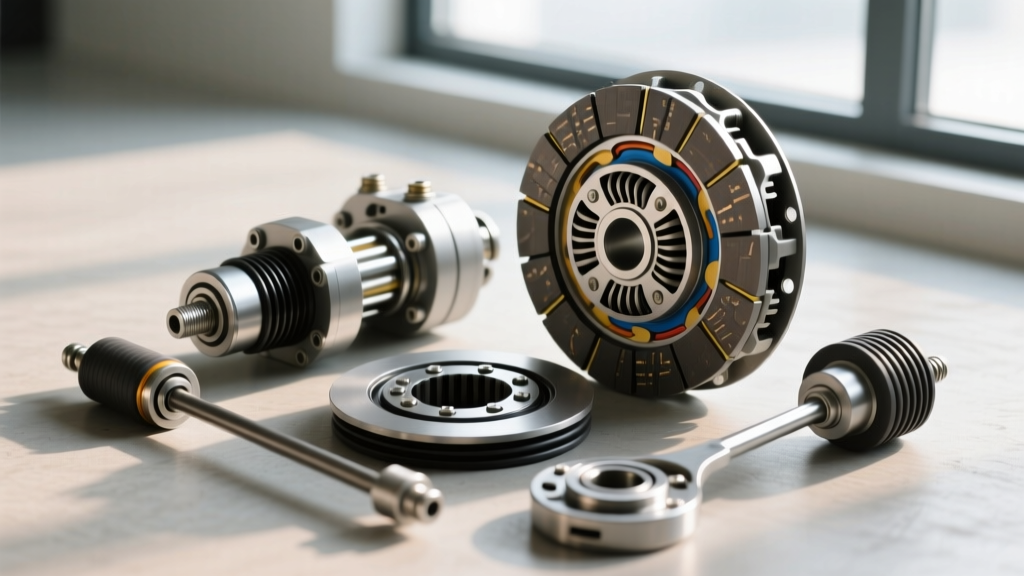
Unlike a manual transmission clutch that uses a pressure plate and flywheel, heavy-duty fan clutches rely on either viscous shear fluid, friction linings, or electromagnetic solenoids to transfer rotational force from the engine-driven pulley to the cooling fan. Diagnosing clutch problems in these systems requires an understanding of three primary failure modes:
1. Friction Lining Degradation and Slip
In on/off friction fan clutches (common on older Cummins ISX15 and Detroit DD13 engines), an air-actuated piston presses a friction disc against the drive plate. Over time, the sintered bronze or Kevlar composite friction material glazes or wears down. Symptom: The ECM commands a 100% duty cycle to engage the fan for a steep grade climb, but the clutch slips. The engine coolant temperature spikes, triggering an SPN 3563 (Engine Fan Speed) or SPN 110 (Engine Coolant Temperature) derate, limiting the truck to 5 MPH.
2. Viscous Fluid Shear Breakdown
Thermal viscous clutches use a silicone-based shear fluid. Extreme thermal cycling in heavy-haul applications causes the fluid to degrade and lose its shear strength. Symptom: The fan 'freewheels' even when the bi-metal spring opens the internal valve. The truck overheats in stop-and-go traffic or during PTO (Power Take-Off) operations.
3. Solenoid and PWM Signal Failure
Modern electronic clutches use an electromagnetic coil to engage the friction pack or meter fluid flow based on a PWM signal from the ECM. Symptom: Intermittent engagement, high-pitch electromagnetic whine, or a completely locked fan due to a shorted solenoid, resulting in a massive 40-70 HP parasitic drag on the highway.
Comparison: Legacy vs. Performance Fan Clutch Systems
Upgrading your fleet's cooling package requires understanding the mechanical differences between legacy systems and modern performance clutches. The table below outlines the diagnostic thresholds and performance characteristics of the three main heavy-duty fan clutch architectures.
| Clutch Type | Engagement Mechanism | Parasitic Loss (Disengaged) | Diagnostic Test Parameter | Common OEM / Aftermarket Part |
|---|---|---|---|---|
| Bi-Metal Spring (On/Off) | Thermal expansion valve | High (20-30 HP drag) | Visual spring rotation; RPM stall test | Horton Kysor K36-005 Series |
| Viscous Shear | Fluid coupling via bimetal strip | Medium (15-20 HP drag) | Shutdown spin test (should stop in 2-3 sec) | Kit Masters 5000 Series |
| Electronic PWM (Performance) | ECM-controlled solenoid / friction pack | Low (2-5 HP drag) | Multimeter PWM duty cycle & Ohm test | Horton HTS / DriveMaster EC |
Step-by-Step Diagnostics for PWM Electronic Fan Clutches
For modern heavy-duty trucks equipped with Detroit DD15 or Cummins X15 engines, the electronic radiator fan clutch is the standard. When diagnosing slip or non-engagement, follow this precise diagnostic sequence to isolate the mechanical clutch pack from the electrical control circuit.
Step 1: Solenoid Resistance Testing
Disconnect the electrical pigtail at the fan clutch solenoid. Using a digital multimeter (DMM), measure the resistance across the solenoid pins. For most Horton and Kysor electronic clutches, the specification is 10.5 to 14.5 Ohms at room temperature. A reading of infinite resistance indicates an open coil (requiring complete clutch replacement), while a reading below 8 Ohms indicates an internal short that will blow the ECM fan driver circuit.
Step 2: Air Gap and Friction Pack Inspection
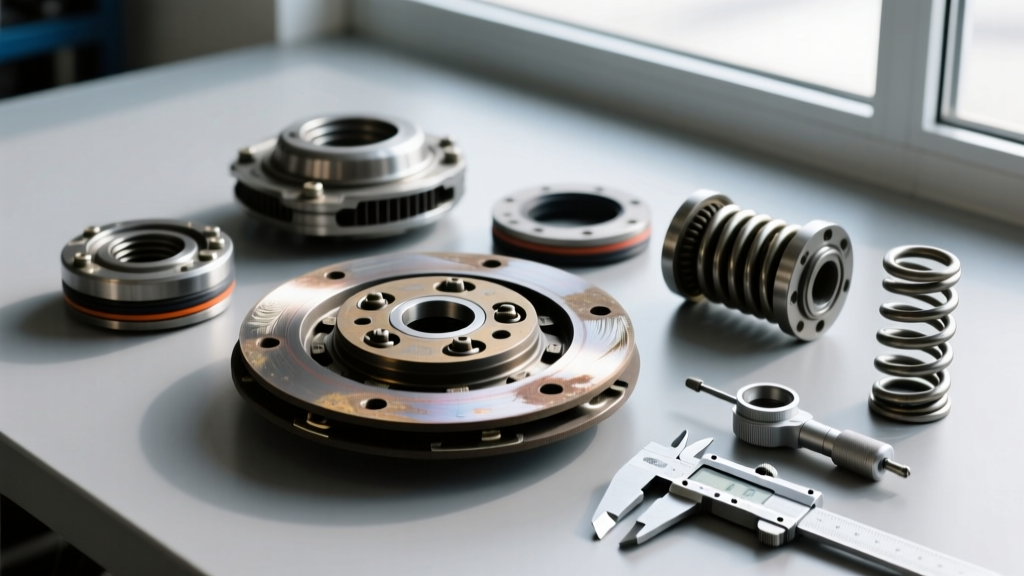
If the solenoid tests properly but the clutch still slips under load, the internal air gap has exceeded specifications due to friction disc wear. Using a feeler gauge through the inspection ports (or by removing the clutch from the pilot), measure the air gap between the armature and the electromagnet. Target Specification: 0.020' to 0.040'. If the gap exceeds 0.060', the magnetic field cannot overcome the distance, resulting in severe clutch chatter and slip.
Step 3: ECM PWM Signal Verification
Connect an oscilloscope or an advanced DMM capable of reading duty cycle to the control wire back-probed at the connector. With the engine running and the A/C or engine brake engaged (which forces a fan command), the ECM should output a 12V to 24V PWM signal ranging from 20% (idle/disengaged) to 95% (fully engaged). If the ECM commands 95% but the fan RPM (viewed via diagnostic software like Detroit DiagnosticLink or Cummins INSITE) does not match the target, the internal friction pack is mechanically failed.
The Performance Upgrade: Retrofitting ECM-Controlled Clutches
For owner-operators and fleets running older Class 8 trucks with thermal spring clutches, upgrading to an electronic PWM radiator fan clutch is one of the highest ROI performance modifications available. According to FleetOwner industry data, eliminating the parasitic drag of a legacy thermal clutch can improve highway fuel economy by 3% to 6%.
Why Upgrade to Electronic PWM?
- Precision Thermal Management: The ECM modulates the fan speed infinitely rather than using a violent 100% on/off engagement, reducing shock loads on the fan belt, tensioner, and crankshaft harmonic balancer.
- Reduced NVH (Noise, Vibration, Harshness): Eliminates the aggressive 'roar' and driveline shudder associated with bi-metal spring clutches engaging at high RPMs.
- Regen and Aftertreatment Support: Modern DPF (Diesel Particulate Filter) regens require specific heat retention. An electronic clutch can be commanded to 0% engagement during active regens to keep exhaust gas temperatures (EGTs) high, preventing failed regens and clogged SCR systems.
Installation Specifications and Torque Requirements
When replacing or upgrading a heavy-duty fan clutch, improper mounting is the leading cause of premature pilot bearing failure and clutch chatter. The fan clutch mounts directly to the engine's front-mounted fan drive pulley or a dedicated adapter bracket. Follow these critical installation parameters:
- Pilot Diameter Tolerance: Ensure the mounting pilot diameter on the pulley is free of rust and burrs. A runout exceeding 0.005' will cause severe harmonic vibration at 1,800+ RPM, destroying the clutch's internal armature bearings.
- Mounting Hardware: Always use new Grade 8 or Class 10.9 flanged hex bolts. Never reuse stretched mounting hardware.
- Torque Specifications: For standard 3/8'-16 UNC mounting bolts common on Cummins and Detroit applications, torque to 35 lb-ft (47 Nm). For larger M12 metric bolts found on heavy-haul specialized setups, torque to 65 lb-ft (88 Nm) using a star-pattern sequence to ensure even clamping force across the friction drive plate.
- Electrical Routing: The PWM wiring harness must be secured with high-temp zip ties away from the exhaust manifold and EGR cooler. Melted harnesses are the #1 cause of 'ghost' SPN 3563 codes in aftermarket upgrades.
Sourcing and Cost Analysis for 2026 Fleet Operations
When sourcing replacement or upgrade components, rely on heavy-duty OEM equivalents. A complete electronic fan clutch assembly (such as the Horton HTS series) typically ranges from $950 to $1,450 depending on the specific pilot depth and fan offset. While this is a 40% premium over a legacy viscous clutch ($400-$600), the fuel savings on a truck running 120,000 miles annually will recoup the upgrade cost in approximately 4.5 months.
For deep-dive troubleshooting flowcharts and cross-reference guides, fleet technicians should consult the Horton Worldwide technical library or utilize Cummins QuickServe for engine-specific PWM duty cycle mapping. By treating the radiator fan clutch not just as a cooling accessory, but as a vital, high-torque friction clutch system, heavy-duty operators can eliminate parasitic loss, prevent catastrophic engine derates, and maximize drivetrain efficiency.