The Hidden Bottleneck: Commercial Compressor Clutch Failures
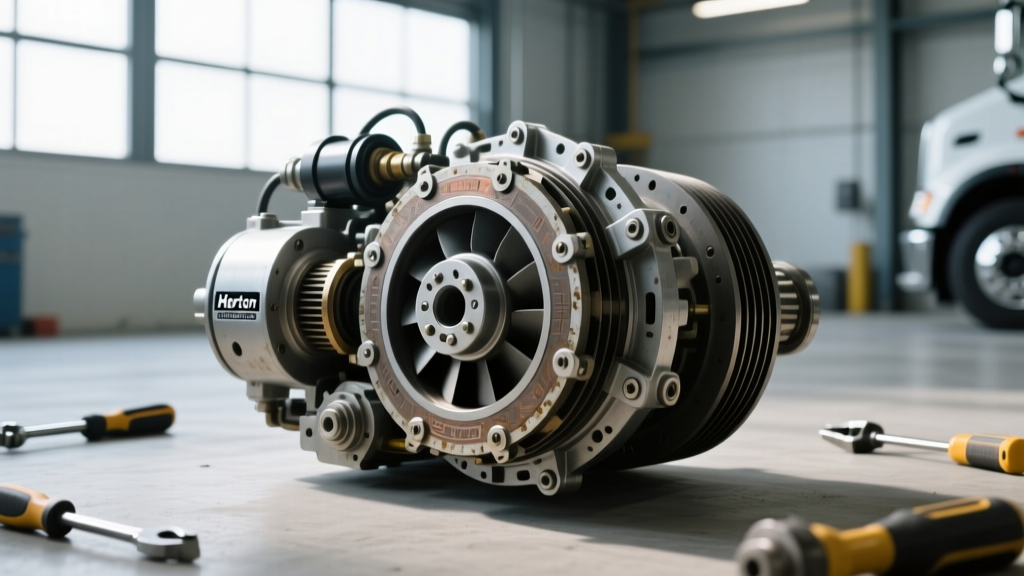
In the heavy-duty and commercial vehicle sector, the reliability of auxiliary systems is just as critical as the primary drivetrain. While fleet mechanics often focus on the main transmission clutches or automated manual transmission (AMT) actuators, a frequently overlooked failure point is the compressor clutch. Whether it is the electromagnetic clutch driving the HVAC system on a Freightliner Cascadia or the PTO-driven air brake compressor clutch on a vocational Kenworth T680, these components operate in brutal thermal and mechanical environments.
Under-hood temperatures in modern Class 8 aerodynamic trucks routinely exceed 110°C (230°F) near the firewall and compressor mounting points. When combined with the continuous cycling demands of Auxiliary Power Units (APUs) and sleeper cab cooling systems, standard OEM compressor clutches rapidly degrade. For fleet operators in 2026, an unexpected compressor clutch failure does not just mean a hot cab; it can lead to secondary engine derates, APUs shutting down, or in the case of pneumatic PTO clutches, a complete loss of air brake system pressure. This performance and upgrade guide details how to diagnose these specific clutch problems and implement heavy-duty upgrades that maximize fleet uptime.
According to industry telemetry data, auxiliary system failures account for nearly 18% of unscheduled commercial vehicle downtime, with HVAC and pneumatic compressor clutch burnouts ranking in the top five culprits during summer months.
Diagnostic Matrix: Identifying Compressor Clutch Symptoms
Diagnosing a failing compressor clutch in a heavy-duty application requires moving beyond simple visual inspections. The high electrical loads and thermal stresses of 12V and 24V commercial systems mask early failure symptoms. Below is a diagnostic framework for identifying the root causes of clutch engagement issues.
| Symptom | Primary Root Cause | Diagnostic Test & Specification |
|---|---|---|
| Intermittent Engagement (Chatter) | Voltage drop across long harnesses; degraded coil winding insulation. | Measure voltage at the clutch connector during engagement. Must be within 0.5V of battery voltage. Check coil resistance (12V: 3.2-3.8 ohms; 24V: 11-14 ohms). |
| Slipping Under High RPM | Friction plate glazing; excessive air gap due to worn armature shims. | Check air gap with feeler gauge. Spec: 0.4mm - 0.6mm (0.016' - 0.024'). Inspect friction surface for thermal bluing. |
| High-Pitch Whine / Grinding | Pulley bearing failure; lack of high-temperature grease in continuous APU duty. | Rotate pulley by hand with clutch disengaged. Feel for axial play or notchiness. Bearing spec: Double-row angular contact (e.g., NTN 35BD5220T2). |
| Complete Non-Engagement (Cold) | Thermal fuse blown inside the coil housing; open circuit. | Perform continuity test on the coil. If open, the internal 180°C thermal cutoff has tripped permanently. |
| PTO Air Compressor Slipping | Oil contamination on the friction disc from engine rear main seal weeping. | Inspect PTO housing for wet oil. Measure friction disc thickness (replace if below 2.5mm). |
Performance Upgrades: Heavy-Duty Compressor Clutch Kits
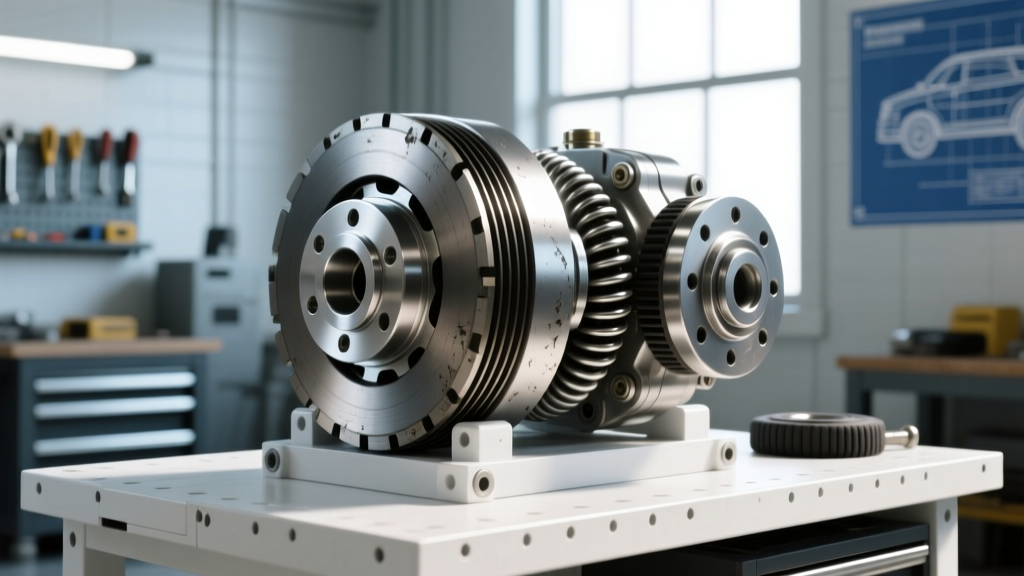
When standard OEM replacements fail prematurely, fleet maintenance directors must look toward performance and heavy-duty upgrade kits. These kits are engineered to withstand the extreme duty cycles of modern commercial logistics and vocational work.
1. Coil Encapsulation and Thermal Mass Upgrades
Standard OEM clutch coils, such as early generations of the Sanden SD7H15 series, often use wax or basic tar potting to seal the copper windings. In the high-vibration, high-heat environment of a Class 8 diesel engine bay, this potting cracks, allowing moisture and road salts to infiltrate the windings, leading to short circuits.
Performance upgrade kits utilize vacuum-epoxy encapsulation. This aerospace-grade epoxy completely eliminates air pockets, providing superior dielectric strength and thermal conductivity. When upgrading a 12V system, look for high-output coils that push 450 Nm of magnetic holding force (compared to the OEM 380 Nm), ensuring the armature locks firmly even when ambient under-hood temperatures spike and coil electrical resistance naturally increases.
2. Ceramic and Kevlar-Blend Friction Facings
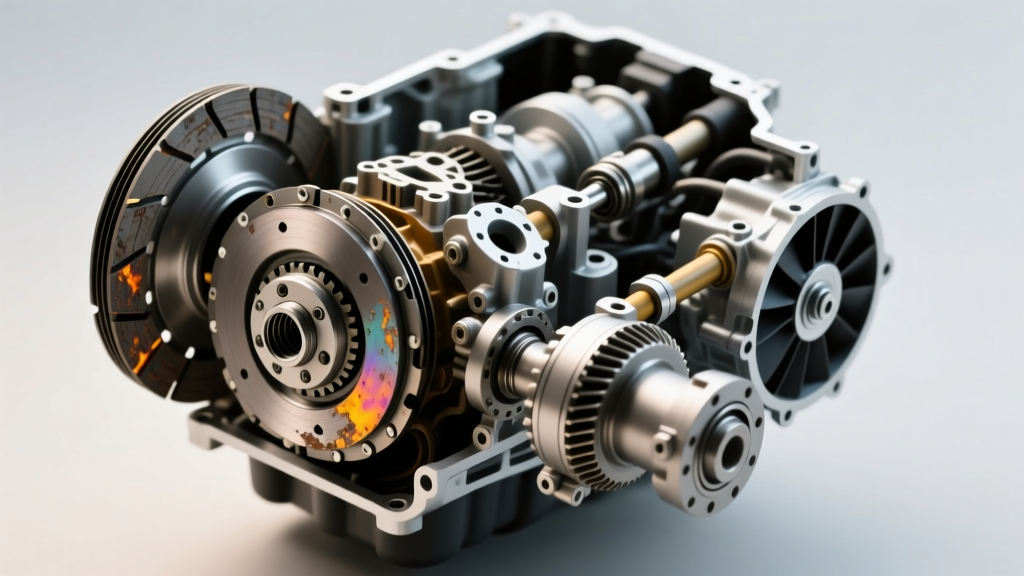
Standard organic friction materials on the compressor clutch armature glaze quickly when subjected to the slip-friction heat generated during engagement at high engine RPMs. Upgraded heavy-duty clutch kits feature ceramic-infused or Kevlar-blend friction facings. These materials maintain a consistent coefficient of friction (typically 0.35 to 0.40) up to 250°C, virtually eliminating the chatter and slip that plagues standard organic clutches in vocational trucks that idle for hours.
3. PTO Air Brake Compressor Clutch Reinforcements
For vocational trucks (dump trucks, concrete mixers) utilizing PTO-driven Wabco or Bendix air compressors, the clutch mechanism is responsible for building the air pressure required for the vehicle's braking system. Upgrading these units involves replacing standard sintered bronze friction plates with carbon-matrix composite discs. These discs offer superior wear resistance in oil-mist environments and provide immediate, aggressive lock-up, ensuring the air compressor reaches cut-out pressure (typically 120-130 PSI) significantly faster, reducing engine idle time and fuel consumption.
Precision Installation Specs and Torque Sequences
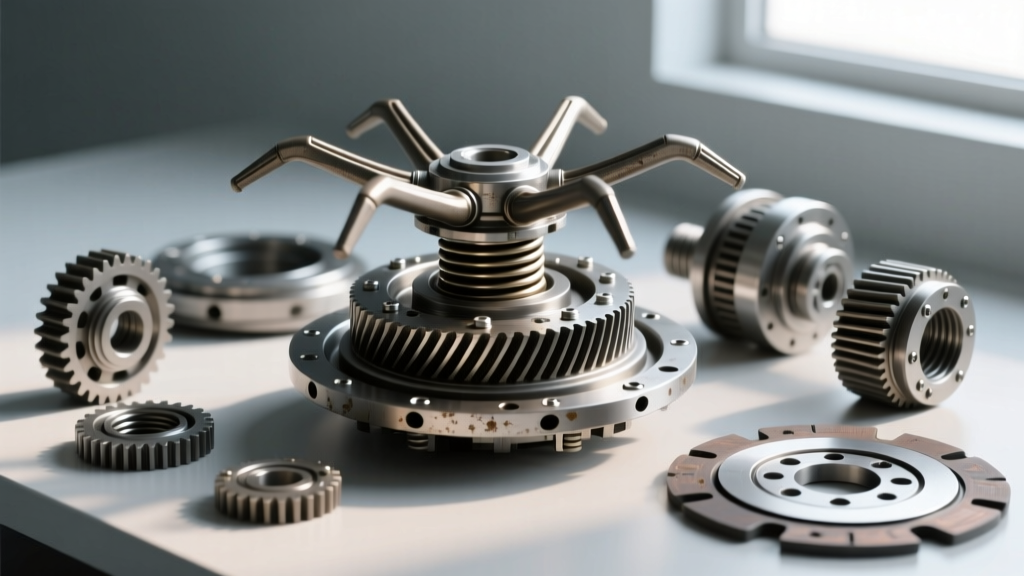
Installing a heavy-duty compressor clutch upgrade requires strict adherence to tolerances. A common mistake in commercial shops is using impact wrenches on the center hub nut, which can shatter the ceramic friction lining or over-compress the shim stack. Always use a calibrated torque wrench and follow these specifications:
- Center Hub Nut Torque: 15 - 20 Nm (11 - 15 lb-ft). Apply medium-strength blue threadlocker (e.g., Loctite 243) to prevent backing out under diesel vibration harmonics.
- Air Gap Setting: 0.40mm - 0.60mm (0.016' - 0.024'). Use a non-magnetic brass feeler gauge to prevent magnetic pull from skewing the measurement. Adjust using the precision shim kit included in the upgrade package.
- Pulley Bearing Press: When replacing the pulley bearing, press only on the outer race using a stepped drift tool. Pressing on the inner race will instantly brinell the bearing rollers, guaranteeing premature failure.
- Electrical Connector Prep: Clean all pins with contact cleaner and apply dielectric grease. In 24V European and heavy-duty systems, voltage drop is a primary killer of clutch coils; ensure the ground path through the compressor housing is clean and free of corrosion.
Fleet ROI and Maintenance Strategy
While a standard OEM replacement clutch assembly might cost between $150 and $250, a heavy-duty performance upgrade kit (featuring epoxy coils, ceramic facings, and SKF/NTN heavy-duty bearings) typically ranges from $320 to $450. However, the return on investment for fleet operators is immediate.
Considering that the average cost of an unscheduled roadside breakdown and tow for a Class 8 vehicle exceeds $1,200, not including the cost of spoiled temperature-sensitive freight, investing in upgraded compressor clutches is a highly cost-effective preventative measure. By integrating compressor clutch coil resistance testing and air-gap measurements into the standard 50,000-mile PM (Preventative Maintenance) service interval, fleet managers can predict failures before they strand a driver. For further technical specifications on commercial HVAC compressor tolerances and bearing load ratings, maintenance teams should consult engineering bulletins from Sanden Global and bearing specification sheets from SKF Automotive. Additionally, reviewing thermal management standards via SAE International can help shops better understand the extreme thermal loads placed on modern aerodynamic truck engine bays.
Ultimately, treating the compressor clutch as a critical drivetrain-adjacent component rather than a disposable accessory is the hallmark of a high-performance, modern commercial maintenance program.