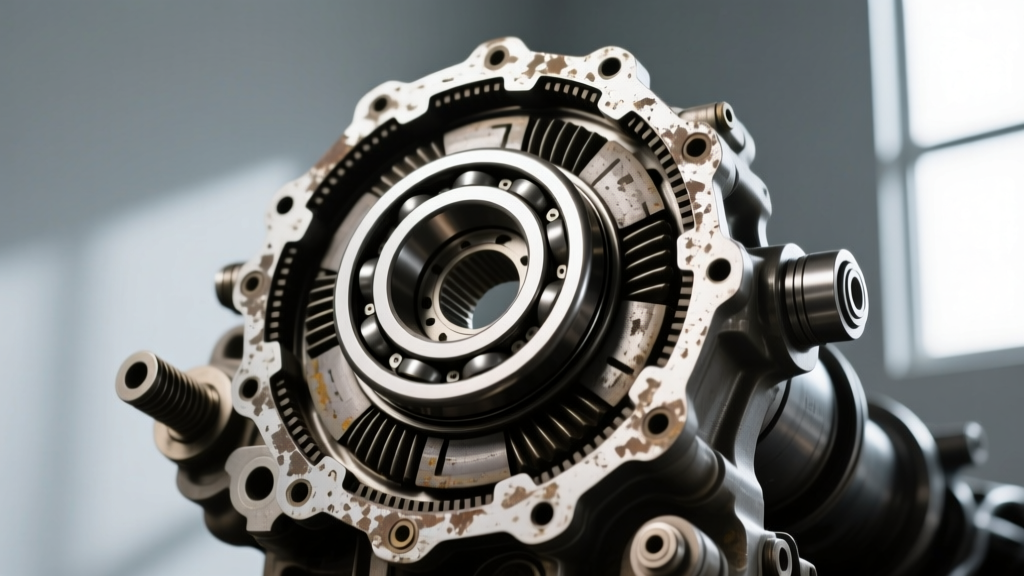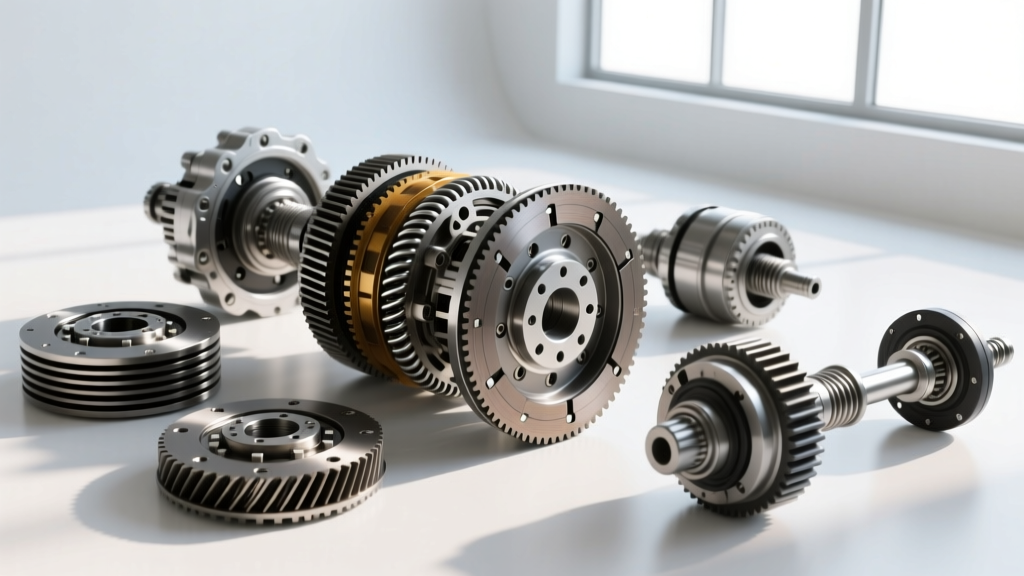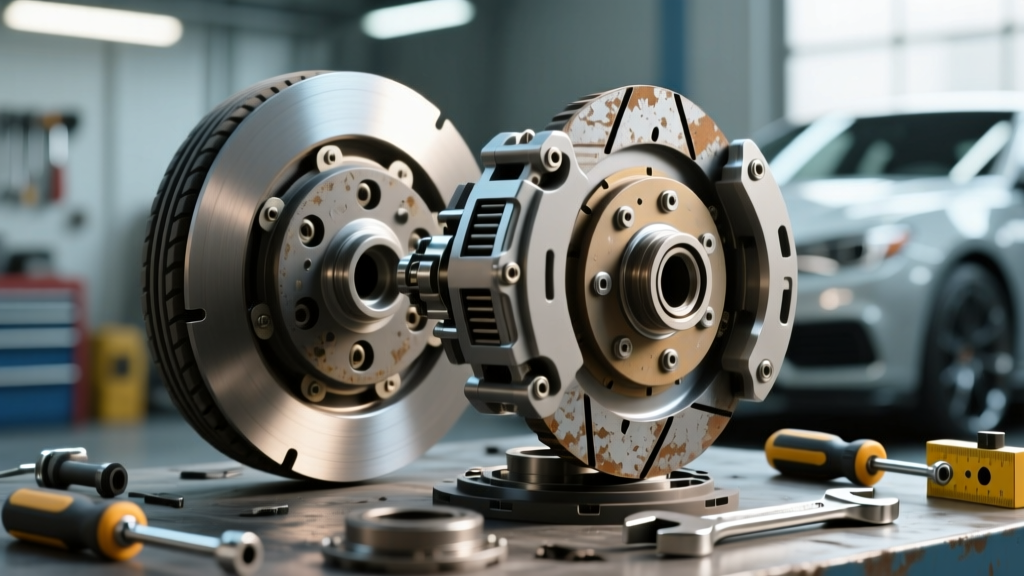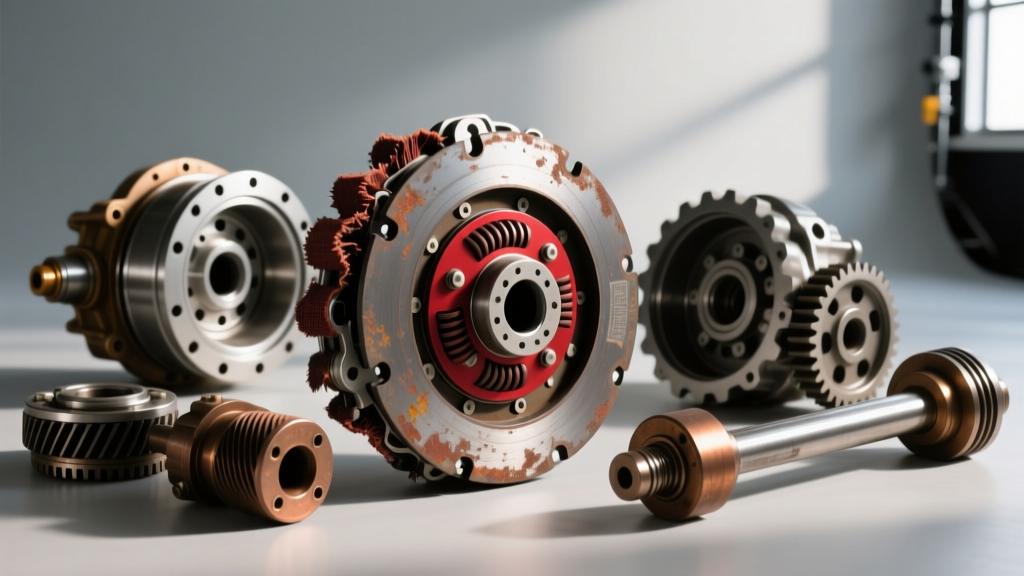
Heavy-duty commercial trucks (Class 7 and 8) operate under extreme Gross Combination Weight (GCW) limits, routinely exceeding 80,000 lbs and reaching 140,000+ lbs for specialized heavy-haul and logging applications. When pushing up to 2,250 lb-ft of torque from modern powerplants like the Cummins X15 Efficiency Series or the Detroit DD16 through a manual or Automated Manual Transmission (AMT), the clutch assembly is the ultimate sacrificial component. Recognizing clutch slippage symptoms early is the critical difference between a scheduled depot upgrade and a catastrophic $8,000 roadside failure.
As of 2026, fleet maintenance standards have shifted heavily toward predictive diagnostics, but the mechanical realities of friction materials under high-inertia loads remain unchanged. This guide details how to diagnose slippage in commercial drivetrains and outlines performance upgrade paths for high-torque applications.
Identifying Clutch Slippage Symptoms Under Heavy Loads
Unlike light-duty passenger vehicles, heavy-duty clutch slippage symptoms manifest uniquely under high-inertia starts, grade climbing, and low-speed maneuvering. Fleet technicians and owner-operators must look for the following indicators:
- RPM Flaring on Grades: When climbing a 3% to 6% grade in a high gear (e.g., 9th gear in an Eaton Fuller RTLO-18918B), the engine RPM will surge without a proportional increase in vehicle speed. This indicates the organic friction facings have glazed or lost their coefficient of friction.
- Clutch Brake Failure: In heavy-duty manuals, the clutch brake is designed to stop the transmission input shaft for smooth gear engagement. If the clutch is slipping or the release bearing travel is compromised, the input shaft continues to spin, resulting in severe gear grinding when attempting to engage first or reverse.
- Acrid HVAC Odors: Slipping a 15.5-inch, two-plate clutch under an 80,000 lb payload generates immense thermal energy. The distinct, acrid smell of burning phenolic resins and asbestos-free friction material entering the cab HVAC system is a definitive sign of thermal degradation.
- AMT Derate Codes: In automated setups like the Eaton Endurant HD or Volvo I-Shift, the Transmission Control Module (TCM) monitors input vs. output shaft speeds. Slippage triggers immediate ECU derates and fault codes (e.g., Eaton Fault Code 46 - Clutch Slip), forcing the truck into limp mode to protect the driveline.
Root Causes of Premature Wear in Commercial Drivetrains
Before upgrading, it is vital to understand why the OEM clutch failed. Slippage is rarely just a 'worn out' clutch; it is usually a symptom of a secondary system failure.
Actuation and Linkage Misalignment
Heavy-duty trucks rely on complex mechanical linkages or hydraulic assist systems to move the release yoke. If the cross-shaft bushings wear out, or if the hydraulic clutch master cylinder develops an internal bypass leak, the release bearing may ride constantly against the clutch brake. This prevents the pressure plate from fully clamping the friction discs, causing micro-slippage that glazes the facings over thousands of miles.
Rear Main Seal Oil Contamination
Even minor weeping from the engine rear main seal or the transmission input shaft seal will wick into the porous organic friction material. Once oil-logged, the clutch disc cannot generate the necessary friction coefficient to hold 1,850+ lb-ft of torque, resulting in immediate and severe slippage.
Performance Upgrade Paths for High-Torque Applications
When operating in mountainous terrain, heavy-haul sectors, or extreme off-highway environments, standard OEM organic clutches are insufficient. Upgrading to advanced friction materials or multi-plate configurations is mandatory for reliability.
| Clutch Configuration | Friction Material | Max Torque Capacity | Heat Dissipation | Estimated Cost (Parts) | Best Application |
|---|---|---|---|---|---|
| OEM 15.5' 2-Plate | Organic | 1,850 lb-ft | Moderate | $800 - $1,200 | Highway Linehaul (80k GCW) |
| Heavy-Duty 15.5' 2-Plate | Cerametallic | 2,250+ lb-ft | High | $1,800 - $2,500 | Heavy Haul / Logging (140k+ GCW) |
| Multi-Plate (e.g., Twin-Disc) | Sintered Iron / Ceramic | 2,500+ lb-ft | Extreme | $3,500 - $5,000 | Severe-Duty / Oilfield / Racing |
The Case for Cerametallic Upgrades
For fleets running Cummins X15 Performance series engines tuned to 2,050 lb-ft, a cerametallic clutch upgrade (such as the Eaton Advantage series or LuK HD commercial lines) provides a vastly superior thermal threshold. Cerametallic facings resist glazing up to 600°F at the friction surface, whereas organic facings begin to break down and outgas resins at roughly 400°F. The trade-off is a harsher engagement and increased driveline shock, which requires upgraded engine mounts and U-joints to handle the abrupt torque transfer.
Critical Installation and Calibration Specifications
Upgrading to a high-performance heavy-duty clutch requires strict adherence to manufacturer tolerances. According to Roadranger service documentation and SAE International driveline standards, the following specifications must be met during installation:
- Flywheel Runout: Must not exceed 0.008 inches Total Indicator Reading (TIR). Excessive runout causes uneven pressure plate loading, leading to localized hot spots and immediate slippage under load.
- Pressure Plate Torque Specs: For standard 15.5-inch clutch assemblies, the pressure plate to flywheel mounting bolts (typically SAE Grade 8) must be torqued to 170-190 lb-ft in a strict star/cross pattern to ensure even diaphragm spring tension.
- Clutch Brake Squeeze: The distance the release bearing travels to compress the clutch brake must be precisely 0.50 to 0.60 inches. If the squeeze is less than 0.50 inches, the clutch brake will not stop the input shaft. If it exceeds 0.60 inches, the clutch brake will be crushed and destroyed upon the first engagement.
- Release Bearing Free Travel: There must be exactly 1.5 inches (38mm) of free travel at the release bearing before it contacts the clutch brake. This ensures the pressure plate is fully clamped during highway cruising.
Automated Manual Transmissions (AMT) and Slippage Diagnostics
The modern commercial landscape is dominated by AMTs like the Eaton Endurant, Volvo I-Shift, and Mack mDRIVE. In these systems, clutch slippage symptoms are monitored algorithmically. The TCM continuously compares engine RPM (via the ECM CAN-bus) against the transmission input shaft speed sensor.
If the TCM detects a variance exceeding 45 RPM under steady-state throttle for more than 2.5 seconds, it logs a slip event. Repeated slip events trigger a 'Clutch Life Remaining' calculation. Once the calculated wear index drops below 15%, the TCM will illuminate the dashboard warning lamp and restrict the truck to the top three gears to prevent further thermal damage. In AMTs, you cannot simply 'adjust the linkage' to cure slippage; the actuator must be recalibrated via diagnostic software (such as Eaton's ServiceRanger) to establish a new clutch kiss-point and wear position.
Maintenance Framework to Prevent Slippage
Preventing slippage in heavy-duty applications requires proactive maintenance rather than reactive repairs. Fleet managers should implement the following intervals:
- Free Travel Checks: Inspect release bearing free travel every 50,000 miles or during every engine oil change. As the friction discs wear, the clutch brake position shifts, requiring manual linkage adjustment or automated actuator recalibration.
- Release Bearing Lubrication: For manual transmissions equipped with greaseable release bearings (e.g., older Eaton Solo models), apply exactly two pumps of high-temperature lithium-complex grease every 25,000 miles. Over-greasing will force grease past the seal and onto the clutch facings, guaranteeing slippage.
- Driveline Angles: Verify that the engine and transmission mounting angles are within 1 degree of OEM spec. Sagging engine mounts alter the geometry of the clutch linkage, reducing clamping force and inducing slippage under heavy acceleration.
Final Thoughts on Heavy-Duty Driveline Integrity
Ignoring early clutch slippage symptoms in a Class 8 truck inevitably leads to secondary damage. A slipping clutch generates enough heat to warp the flywheel, melt the input shaft seal, and even damage the transmission's main drive gear bearings. By understanding the unique demands of high-GCW operations and investing in cerametallic or multi-plate performance upgrades, fleets can drastically reduce unplanned downtime. For further reading on commercial drivetrain standards and maintenance protocols, industry professionals should regularly consult resources from the Commercial Carrier Journal and OEM technical bulletins.