The Layman's Question: Do Auto Cars Have a Clutch?
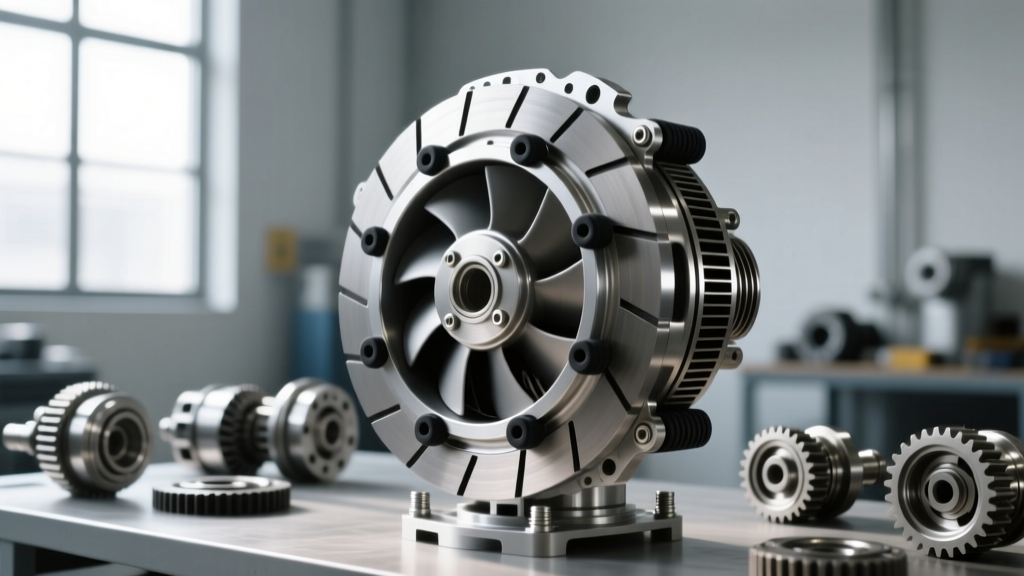
When novice drivers or new fleet owners ask, "does auto cars have clutch?", they are typically confused by the absence of a third pedal in modern automatic vehicles. The short answer is yes: passenger automatics utilize internal clutch packs within the transmission, while Continuously Variable Transmissions (CVTs) use electromagnetic or hydraulic clutches for engagement. However, when we transition from passenger vehicles to the heavy-duty commercial sector—specifically Class 7 and Class 8 trucks—the conversation shifts dramatically toward Automated Manual Transmissions (AMTs) and heavy-duty torque converters.
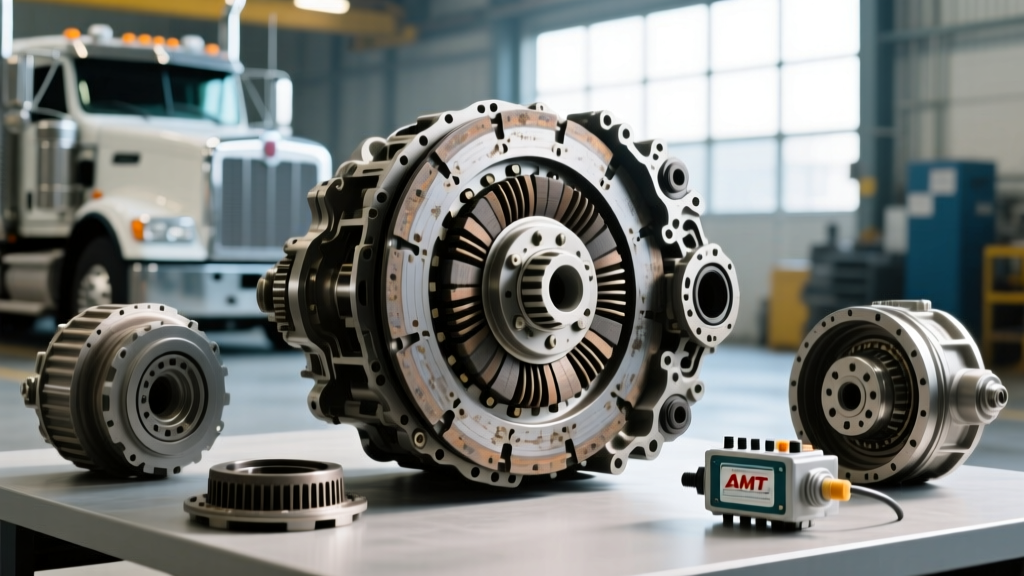
In the commercial trucking industry of 2026, manual H-patterns are nearly extinct, replaced by AMTs like the Eaton Fuller Advantage series or the Mack mDRIVE. These systems utilize massive, single or twin-plate dry clutches that are actuated pneumatically or electronically. Diagnosing clutch problems in these heavy-duty applications requires a deep understanding of mechatronics, high-torque friction materials, and precise mechanical tolerances.
Heavy-Duty AMT Clutch Diagnostics: Symptoms and Failure Modes
Unlike a passenger car where a slipping clutch simply smells like burnt paper, a failing heavy-duty AMT clutch can trigger a cascade of electronic fault codes and strand a fully loaded 80,000-pound rig on a highway grade. Here are the primary diagnostic pathways for commercial clutch systems.
1. Actuator and Mechatronic Failures (Eaton / Volvo I-Shift)
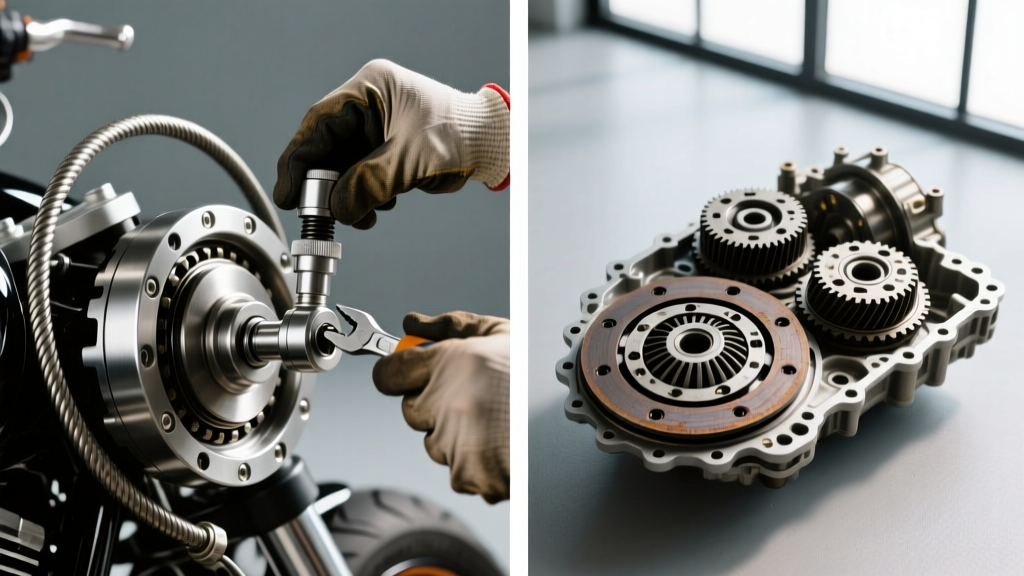
The most common "clutch" problem in modern heavy-duty trucks isn't the friction disc itself, but the clutch actuator. In systems like the Eaton Advantage AMT, a brushless DC motor and ball-screw mechanism engage and disengage the clutch.
- Symptom: Harsh engagement, failure to shift into gear, or dashboard alerts (e.g., SPN 520608 - Clutch Actuator Position Error).
- Diagnostic Step: Connect diagnostic software (like Eaton's ServiceRanger) to read the clutch actuator stroke position. If the stroke deviates from the calibrated baseline by more than 2mm, the actuator is failing or the clutch brake is severely worn.
- Cost Factor: Replacing an AMT clutch actuator assembly typically ranges from $1,800 to $2,600 for the part, plus 3-4 hours of shop labor.
2. Mechanical Slippage Under High Torque Loads
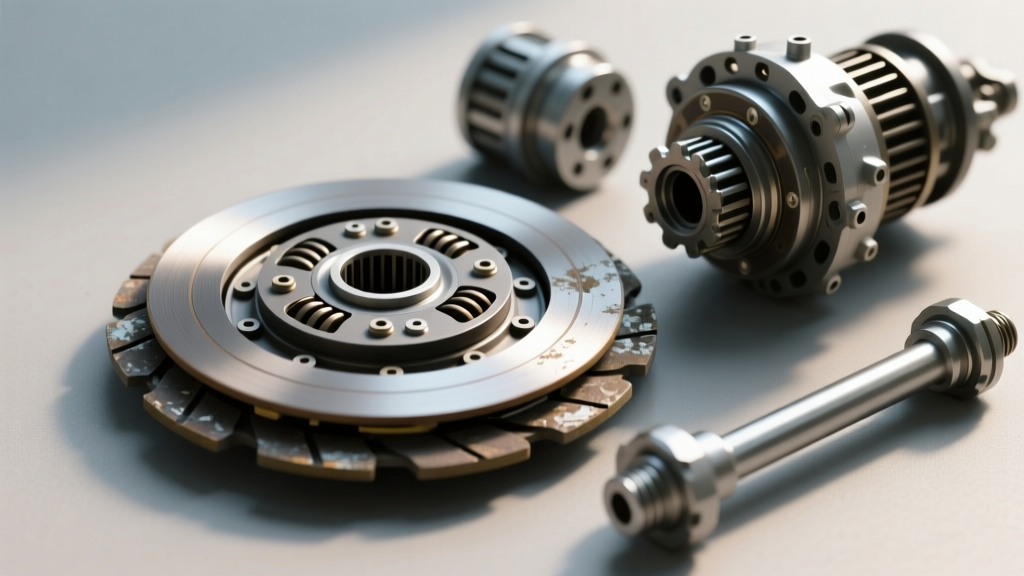
When pulling oversized loads or operating in mountainous terrain, the Cummins X15 or Detroit DD15 engines can output up to 2,050 lb-ft of torque. If the organic friction material on a 15.5-inch clutch disc glazes or wears past its service limit, the AMT will detect a discrepancy between engine RPM and transmission input shaft speed.
Expert Insight: AMT software in 2026 is highly sensitive to micro-slip. If the Transmission Control Module (TCM) detects slip exceeding 40 RPM for more than 2 seconds under load, it will intentionally derate the engine to protect the drivetrain, often logging a "Clutch Slip" SPN code and limiting the truck to 35 MPH.
Performance Upgrades for Commercial Drivetrains
For fleet managers and heavy-haul owner-operators, upgrading the clutch assembly is a critical performance modification. Standard OEM organic clutches are designed for fuel efficiency and smooth engagement, but they often fail prematurely under severe-duty cycles. Upgrading to advanced friction materials ensures reliable power transfer and extends service intervals.
| Clutch Friction Material | Max Torque Capacity | Engagement Characteristics | Best Application | Approx. Upgrade Cost (Parts) |
|---|---|---|---|---|
| OEM Organic (Standard) | 1,650 - 1,850 lb-ft | Smooth, progressive, low inertia | Regional Haul, LTL Freight | $800 - $1,200 |
| Cerametallic (Paddle Style) | 2,050 - 2,250 lb-ft | Aggressive, abrupt, high heat tolerance | Heavy Haul, Logging, Oil Field | $1,600 - $2,400 |
| Twin-Plate Kevlar/Ceramic | 2,250+ lb-ft | Complex actuation, massive surface area | Severe-Duty Oversize, Multi-Trailer | $3,500 - $5,000+ |
Allison Automatics: The Torque Converter Lockup Clutch
Addressing the original question from a different angle: vocational trucks (dump trucks, mixers, refuse vehicles) often use fully automatic transmissions like the Allison 4000 Series. These do not have a dry flywheel clutch. Instead, they rely on a hydraulic torque converter equipped with an internal lockup clutch.
Diagnostic Symptom: If a refuse truck experiences a rhythmic "shudder" or vibration at 35-45 MPH, the torque converter lockup clutch (TCC) is likely failing to apply smoothly due to degraded TranSynd fluid, a failing TCC solenoid, or contaminated valve body passages. Flushing the system with approved TES 295 or TES 668 fluid and replacing the internal filter is the mandatory first step before condemning the torque converter (a $4,500+ replacement).
Precision Installation Specs and Torque Requirements
When performing a heavy-duty clutch replacement, sloppy installation guarantees a rapid comeback. Commercial drivetrains operate under immense harmonic vibration. According to Eaton's commercial drivetrain engineering guidelines and heavy-duty maintenance standards, the following specifications must be adhered to during a Class 8 clutch swap:
- Flywheel Runout: Must not exceed 0.005 inches (0.127 mm). Excessive runout causes the release bearing to oscillate, destroying the AMT actuator sensor.
- Flywheel Resurfacing: Maximum material removal is typically 0.030 inches. If the step depth exceeds spec, the clutch brake will not engage, resulting in gear rattle during shifting.
- Clutch Brake Squeeze (Clearance): This is the most critical adjustment. The distance between the transmission housing and the clutch brake when the pedal is fully depressed (or the actuator is fully stroked) must be exactly 0.500" to 0.625". If it is too tight, the clutch brake drags and burns up; if too loose, the truck will grind into gear.
- Torque Specs (Cummins ISX/X15): Flywheel to crankshaft bolts must be torqued to 155 lb-ft, followed by an additional 90-degree turn (torque-to-yield). Always use new OEM bolts.
The Financial Reality: OEM vs. Aftermarket Upgrades
Fleet maintenance managers must weigh the initial cost of performance upgrades against long-term downtime. While a standard organic clutch kit might cost $1,000, dropping the transmission on a Class 8 truck requires specialized equipment and 8-12 hours of labor, bringing the total shop bill to between $4,500 and $6,500.
As noted in recent FleetOwner maintenance reports, spec'ing a Cerametallic twin-disc clutch during an engine-out or transmission-out service adds roughly $2,500 to the parts bill but can double the operational lifespan of the friction material in high-GCWR (Gross Combination Weight Rating) applications. For heavy-haul operators, eliminating one unscheduled roadside tow and drivetrain teardown pays for the performance upgrade instantly.
Final Diagnostic Takeaway
Whether you are explaining to a new driver why their automatic passenger car shifts smoothly, or diagnosing a fault code on a 2026 Peterbilt 579 with an Eaton AMT, the fundamental physics of clutch engagement remain the same. Friction, hydraulic pressure, and mechanical leverage dictate performance. In the heavy-duty sector, ignoring the precise electronic and mechanical tolerances of the clutch actuator system will inevitably lead to catastrophic drivetrain failure. Always rely on OEM software diagnostics, verify mechanical clearances with feeler gauges, and never compromise on flywheel resurfacing specifications.