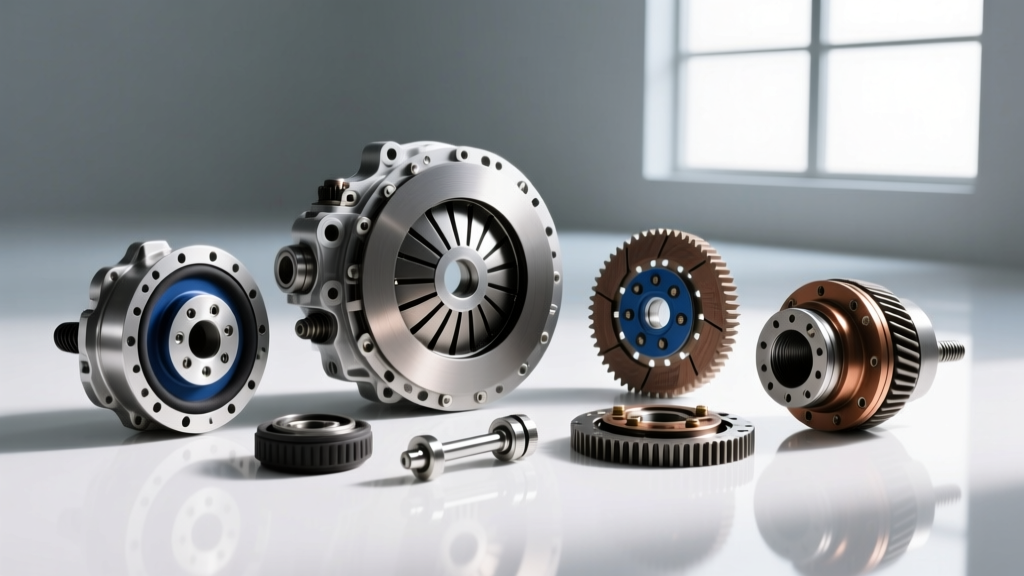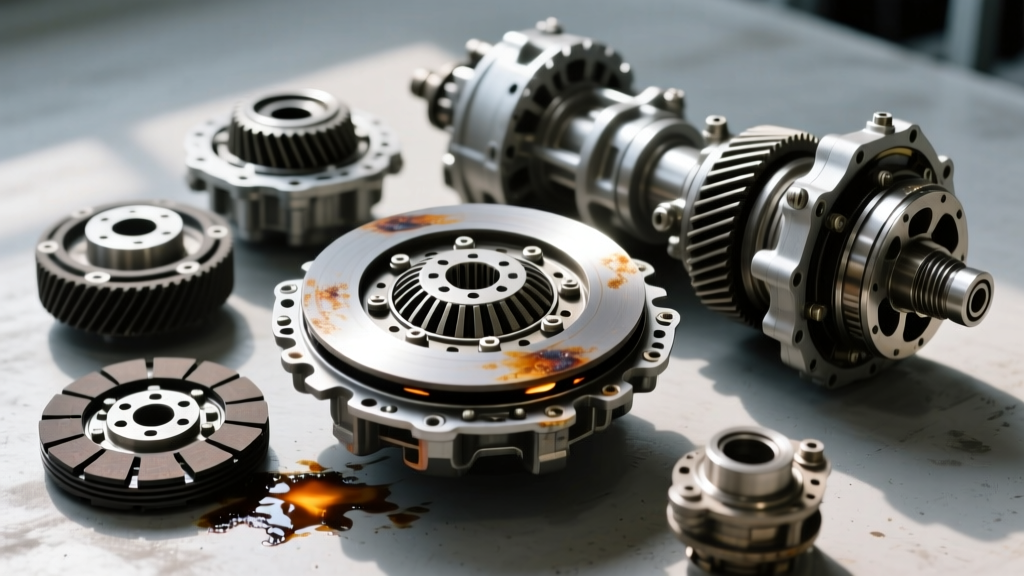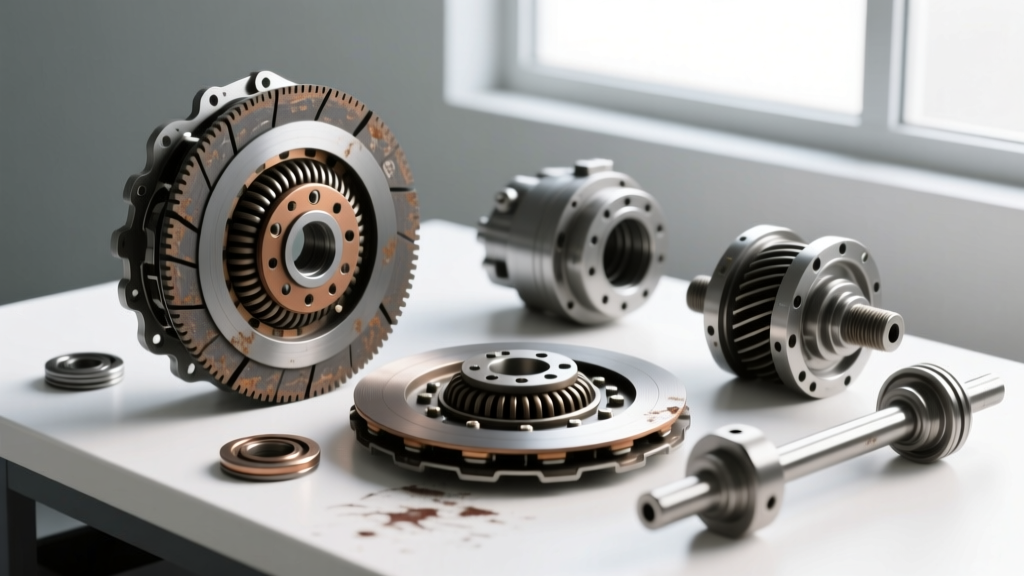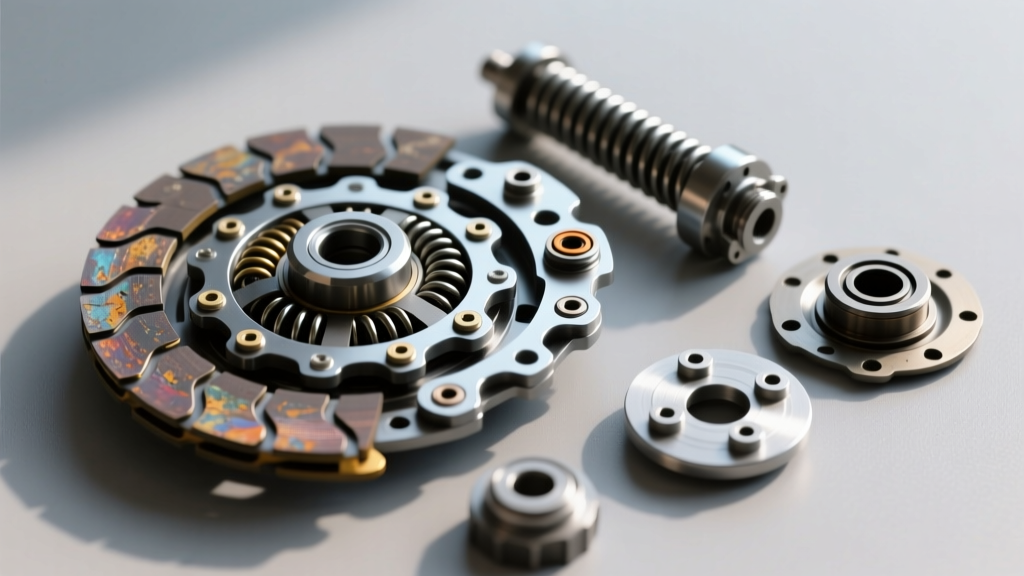
The Anatomy of a Failing Harley Davidson Clutch Assembly
When diagnosing drivetrain issues on Milwaukee-Eight (M8) or Twin Cam platforms, the Harley Davidson clutch assembly is frequently the primary culprit behind erratic engagement, primary case noise, and loss of power transfer. Unlike automotive dry clutches, Harley-Davidson utilizes a wet, multi-plate clutch system bathed in primary chaincase fluid. This design relies heavily on the fluid's friction modifiers and shear stability to manage the immense low-end torque characteristic of American V-Twins.
However, as factory horsepower figures have climbed—culminating in the 121ci and 131ci Screamin' Eagle crate motors of 2026—the stock clutch architecture has become a recognized bottleneck. Understanding the root causes of clutch failure is no longer just a diagnostic exercise; it is the foundational step in selecting the correct aftermarket or upgraded OEM replacement for your specific riding profile.
Root Cause Analysis: Why OEM Assemblies Prematurely Fail
The root cause of most OEM Harley clutch failures boils down to three intersecting factors: material limitations under high torque, thermal degradation of primary fluids, and harmonic vibrations inherent to 45-degree V-Twin engines. The stock die-cast aluminum clutch basket, while cost-effective and lightweight, is highly susceptible to tang notching. When the steel friction plates slam into the soft aluminum tangs during aggressive downshifts or high-torque launches, they carve microscopic grooves. Over time, these grooves prevent the plates from separating cleanly, resulting in clutch drag, difficulty finding neutral, and eventual premature wear of the friction material.
Expert Insight: In stop-and-go traffic, the wet clutch slips microscopically to manage low-speed maneuvering. This generates intense localized heat, breaking down the primary fluid's friction modifiers and accelerating glazing on the OEM paper-based friction plates.
Comparing Failure Modes: OEM vs. Aftermarket Assemblies
When entering the market for a replacement, you must match the assembly's material properties to your engine's torque output. Below is a 2026 comparison of the most common clutch assembly configurations, their primary failure modes, and current market pricing.
| Assembly Type | Common Failure Mode | Avg. Cost (2026) | Best Application | Hub Nut Torque Spec |
|---|---|---|---|---|
| OEM Die-Cast Basket & Paper Pack | Aluminum tang notching, plate glazing | $180 - $240 | Stock Twin Cam / M8 107 Cruisers | 70-80 ft-lbs (Red Loctite) |
| AIM Billet Steel Basket & OEM Pack | Friction plate wear (basket is virtually indestructible) | $320 - $380 | High-mileage Touring, M8 114/117 | 70-80 ft-lbs (Red Loctite) |
| Barnett Kevlar Pack & Stock Basket | Basket notching (Kevlar outlasts aluminum) | $210 - $260 | Performance Bagger, Street Glide | 70-80 ft-lbs (Red Loctite) |
| Screamin' Eagle High-Performance | Diaphragm spring fatigue under extreme heat | $350 - $450 | CVO Models, Track Use | 70-80 ft-lbs (Red Loctite) |
Deep Dive: Specific Failure Modes and Diagnostic Symptoms
To make an informed purchasing decision, you must first accurately diagnose the exact failure mode your current assembly is experiencing. Here is a technical breakdown of the three most prevalent Harley Davidson clutch assembly failures.
1. Clutch Basket Notching (The Twin Cam & M8 Killer)
Symptoms: A distinct 'clunk' when shifting into first gear, inability to find neutral at a stoplight, and a feeling that the clutch is 'dragging' even with the lever fully pulled to the grip.
Root Cause: The kinetic energy of the steel friction plate tabs impacting the aluminum basket tangs during engagement. On Twin Cam 103 and 110 engines, the heavy flywheel mass exacerbates this shock loading. By the time you experience drag, the tangs have developed deep burrs that physically lock the plates together.
Buyer's Solution: If your basket is notched, simply replacing the friction plates is a waste of money; the new plates will be chewed up within 2,000 miles. You must upgrade to a CNC-machined billet steel basket, such as those offered by AIM Corporation, which completely eliminates tang notching.
2. Friction Plate Glazing and Oil Shear Breakdown
Symptoms: RPMs flare up without a corresponding increase in vehicle speed under heavy throttle (slipping), especially in higher gears or during uphill climbs. The primary fluid may smell burnt and appear dark or metallic.
Root Cause: Using the wrong primary fluid or exceeding the thermal limits of OEM paper-based friction plates. Automotive oils containing friction modifiers (labeled 'Energy Conserving') will coat the Harley friction plates, causing immediate and catastrophic slip. Furthermore, sustained slipping burns the resin out of the paper plates, creating a glass-like glaze that destroys the coefficient of friction.
Buyer's Solution: For riders who frequently tow trailers or ride in mountainous terrain, upgrade to a Kevlar or carbon-fiber friction pack. Barnett Clutches offers Kevlar packs that withstand significantly higher thermal loads before glazing, though they require a dedicated high-quality primary fluid like Harley-Davidson Formula+ or AMSOIL V-Twin Primary Fluid.
3. Diaphragm Spring Fatigue (Milwaukee-Eight Specific)
Symptoms: The clutch lever feels unusually light or 'spongy,' and the clutch begins to slip under load despite having fresh, thick friction plates and a pristine basket.
Root Cause: The Milwaukee-Eight (M8) platform transitioned from traditional coil springs to a single, large diaphragm spring (often referred to as a 'belt drive' style spring). While this reduces lever effort, the diaphragm spring is prone to heat-induced metallurgical fatigue. Repeated exposure to primary case temperatures exceeding 220°F causes the spring to lose its tensile memory, reducing the clamping force on the friction stack.
Buyer's Solution: If your M8 is slipping with good plates, the diaphragm spring (OEM Part #38000114) must be replaced. For high-torque M8 117 and 121 engines, consider an aftermarket high-clamp-pressure diaphragm spring or a lock-up clutch conversion to mechanically multiply clamping force under acceleration.
2026 Buyer’s Guide: Choosing the Right Assembly for Your Ride
Selecting the right Harley Davidson clutch assembly requires aligning your purchase with your mechanical reality and riding style. Use this decision framework to guide your 2026 purchase:
- The Daily Commuter / Light Tourer (Stock M8 107 / Twin Cam 96): Stick with the OEM replacement clutch pack (Part #38000090 for M8). It offers the smoothest engagement and is perfectly matched to the factory diaphragm spring. Just ensure you are using the correct non-friction-modified primary fluid.
- The Heavy Tourer / Two-Up Rider (Road Glide, Ultra Limited): The added weight and wind resistance put immense strain on the clutch during highway pull-offs. Upgrade to a Barnett Kevlar friction pack paired with an extra-load spring. This combination resists glazing and provides the extra clamping force needed to move 900+ lbs of motorcycle and cargo without slipping.
- The Performance Bagger / Track Rider (M8 117, CVO, Screamin' Eagle 131): OEM baskets will shatter or notch rapidly under the torque of a built motor. Invest in a complete billet steel basket from AIM, paired with a high-performance lock-up clutch assembly. This ensures mechanical lock under hard acceleration while allowing smooth disengagement at the lever.
Critical Installation Torque Specs and Fluid Requirements
Even the most expensive aftermarket clutch assembly will fail prematurely if installed without adherence to strict factory tolerances. When installing your new Harley Davidson clutch assembly, commit these critical specifications to memory:
- Mainshaft Clutch Hub Nut: 70-80 ft-lbs. This is a critical fastener. You MUST apply Red Loctite 262 (high-strength, high-temperature) to the threads before torquing. Failure to use Loctite will result in the nut backing off, destroying the mainshaft splines and the clutch basket center.
- Clutch Spring Bolts (Torx/Allen): 84-108 in-lbs (7-9 ft-lbs). Do not overtighten, as these thread directly into the aluminum inner primary hub and will strip easily. Apply Blue Loctite 243.
- Primary Chaincase Fluid Capacity: Most 2006-2026 Softail and Touring models require exactly 32 oz (1 Quart) of primary fluid. Overfilling the primary will cause the fluid to foam and aerate, leading to clutch slip and primary chain whip.
By understanding the root causes of clutch failure and matching your replacement parts to your engine's torque profile, you can eliminate drivetrain slip, banish the dreaded 'neutral clunk,' and ensure your V-Twin transfers power to the rear tire exactly as intended.