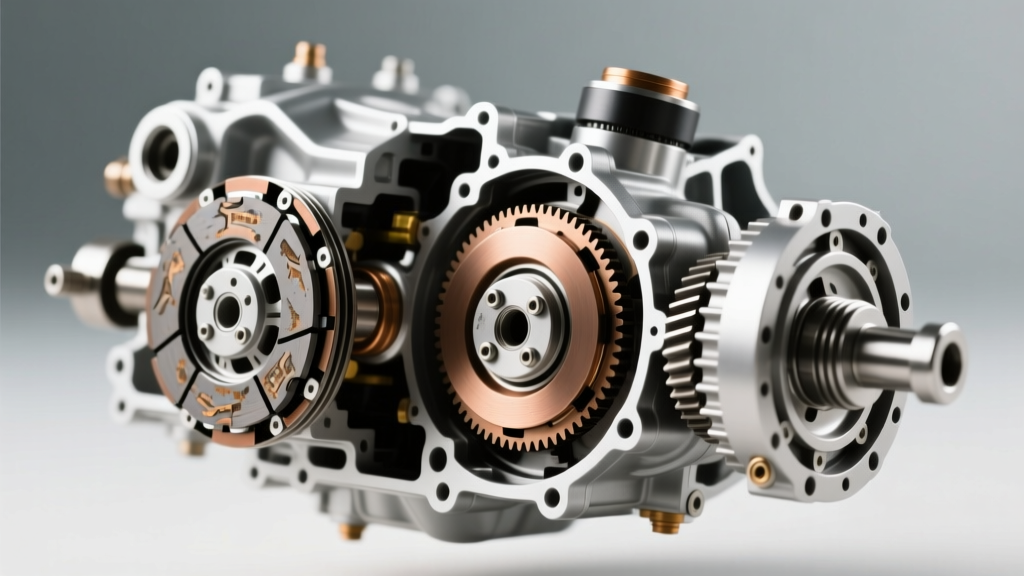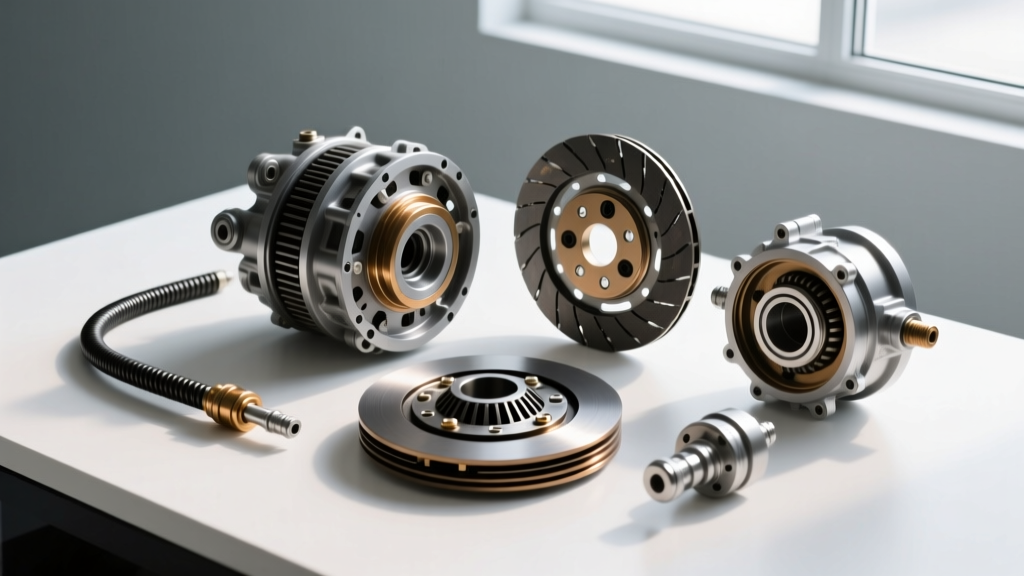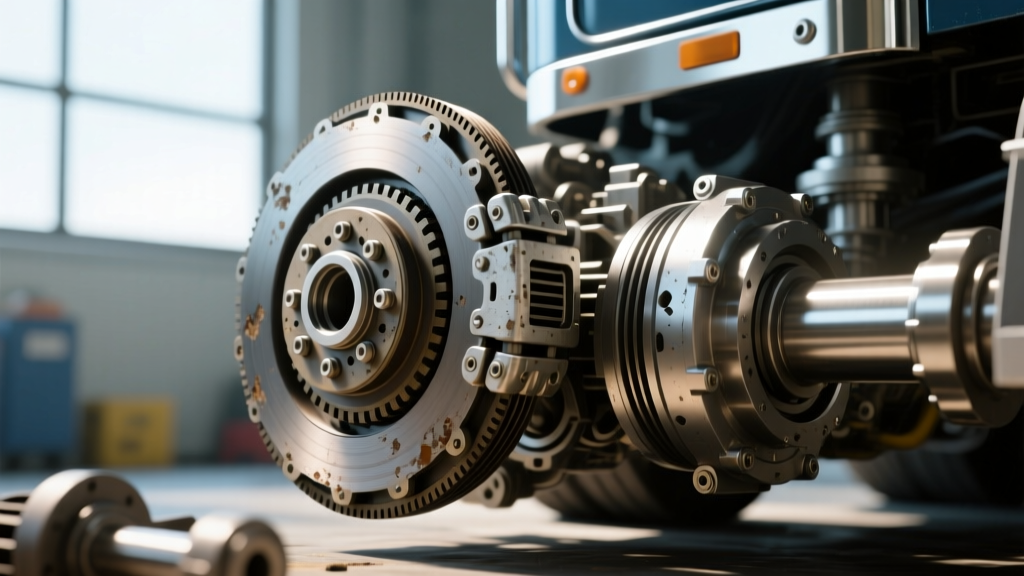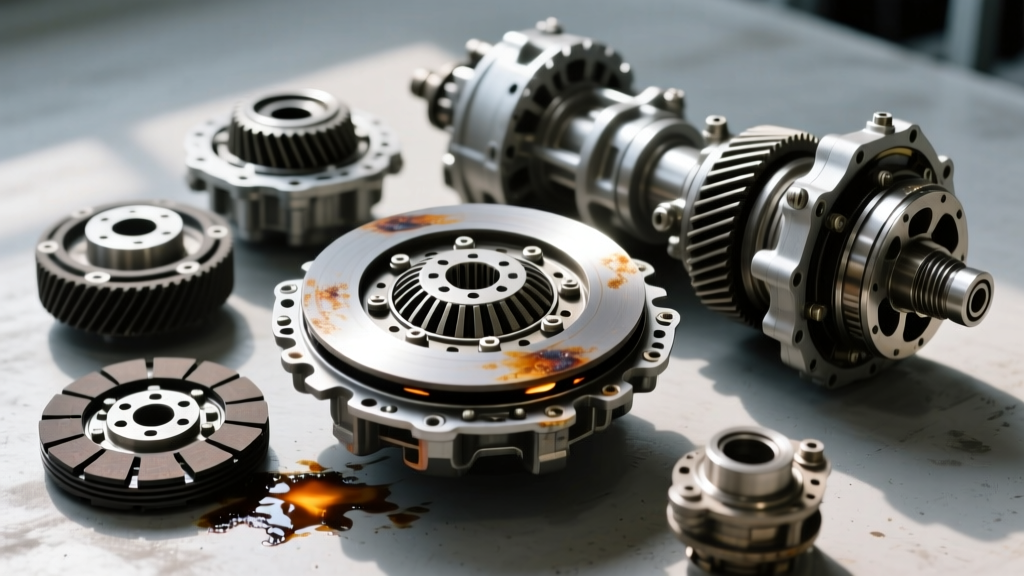
The Olfactory Triage: Identifying the Source of the Burn
There are few sensations more alarming to a driver than the acrid stench of burning friction material seeping through the HVAC vents. When this happens, the immediate assumption is often catastrophic transmission failure. However, the modern vehicle bay is a densely packed ecosystem of friction and electromagnetic components. A burning smell could indicate a slipping manual clutch pack, degraded automatic transmission friction rings, or an entirely unrelated electrical failure that often culminates in a technician replacing AC clutch assemblies on the compressor.
Accurate symptom diagnosis requires an olfactory triage. Organic manual clutch facings, sintered bronze automatic transmission plates, and electromagnetic A/C compressor coils all produce distinct chemical signatures when subjected to extreme thermal loads. In 2026, with the proliferation of complex dual-mass flywheels and high-voltage auxiliary A/C compressors in hybrid platforms, pinpointing the exact origin of the burn is the first critical step before authorizing thousands of dollars in teardowns.
Manual Transmission Friction Burn: Organic vs. Ceramic
If you are driving a manual transmission, a burning clutch smell is almost always the result of the friction disc slipping against the flywheel or pressure plate. This generates immense localized heat, often exceeding 600°F (315°C) at the friction interface.
Organic Clutch Facings
Standard OEM organic clutches (like those supplied by Sachs or LuK) utilize a composite of fiberglass, Kevlar, and phenolic resins. When these overheat, they produce a smell remarkably similar to burnt toast or burning brake pads. The resins literally bake out of the friction matrix, leading to glazing. Once glazed, the coefficient of friction drops, creating a feedback loop of more slip and more heat.
Ceramic and Sintered Iron
Upgraded ceramic pucks or sintered iron clutches (such as those from SPEC or McLeod) operate with a much harsher engagement. While they can withstand higher torque loads, they transfer heat directly into the flywheel and pressure plate diaphragm springs rather than absorbing it. If you smell a sharp, metallic, sulfurous odor, the ceramic material is likely shedding, or the pressure plate fingers have lost their temper and are warping under thermal stress.
Torque Spec Reminder: If a manual clutch replacement is required, ensure the flywheel-to-crankshaft bolts are torqued to exact OEM specifications. For example, GM LS-series V8 flywheel bolts require 74 lb-ft plus an additional 90 degrees of rotation. Under-torquing here causes micro-movements that mimic a slipping clutch and generate severe friction heat.
Automatic Transmission Clutch Pack Degradation
Automatic transmissions do not have a single 'clutch pedal' to ride, but they contain multiple internal multi-disc clutch packs that engage and disengage via hydraulic pressure. A burning smell from an automatic indicates that internal line pressure has dropped, or a specific clutch wave plate has failed.
The GM 6L80 / 6L90 3-5-R Wave Plate Failure
One of the most notorious failure modes in modern rear-wheel-drive automatics is the GM 6L80 transmission. According to industry teardown data documented by Transmission Digest, the 3-5-R clutch wave plate is prone to fatigue and fracture. When this plate snaps, the 3-5-R clutch pack loses its apply pressure. The transmission slips violently in 3rd, 5th, and Reverse gears, rapidly burning the organic friction liners. The resulting smell is distinctly chemical—like burnt marshmallows mixed with hot sulfur—and the ATF on the dipstick will appear black and smell acrid.
ZF 8HP Mechatronic Sleeve Leaks
In vehicles equipped with the ZF 8HP (found in BMW, Audi, and Dodge/Chrysler applications), internal clutch burn is frequently traced to the mechatronic unit's adapter sleeves. These plastic sleeves degrade over time, causing internal hydraulic cross-leaks. When Clutch A or Clutch E fails to receive adequate holding pressure, the discs slip. ZF recommends fluid and pan-filter replacements every 60,000 miles to prevent the suspended friction material from clogging the valve body solenoids.
The Electrical Culprit: Diagnosing the A/C Compressor Clutch
Not all burning clutch smells originate from the drivetrain. A very common scenario in front-wheel-drive and transverse-engine layouts involves the A/C compressor clutch. The electromagnetic clutch on the nose of the compressor engages and disengages the pulley from the compressor shaft. When this component fails, the smell is entirely different, and the repair involves replacing AC clutch components rather than dropping a transmission.
Why Does an A/C Clutch Burn?
- Incorrect Air Gap: The magnetic clutch relies on a precise air gap between the rotor and the armature plate. Factory specifications typically dictate an air gap between 0.020' and 0.030' (0.5mm - 0.75mm). As the friction face wears over 100,000 miles, the gap widens. The magnetic coil must work harder to pull the plate across the gap, drawing excessive amperage, overheating the copper windings, and melting the plastic bobbin.
- Compressor Seizure / High Head Pressure: If the A/C system is overcharged, or the condenser fans fail, high-side pressures can exceed 450 PSI. The mechanical resistance on the compressor shaft becomes too great for the magnetic clutch to hold. The clutch slips continuously while engaged, generating massive friction heat that burns off the paint on the compressor nose and melts the serpentine belt.
- Voltage Drop: A failing A/C relay or corroded wiring harness can deliver only 10.5V to a 12V clutch coil. This low voltage results in a weak magnetic field, causing micro-slipping and eventual thermal destruction of the clutch coil.
Diagnostic Specs: Before replacing the A/C clutch, test the coil resistance with a multimeter. A healthy Denso or Sanden compressor clutch coil should read between 3.5 and 5.0 Ohms. An infinite reading (OL) means an internal break; a reading near zero means a short circuit.
Diagnostic Decision Matrix & Cost Breakdown
Use the following matrix to quickly isolate the source of the burning smell based on driving conditions, olfactory profiles, and secondary symptoms.
| Component | Smell Profile | Trigger Conditions | Secondary Symptoms | Avg. Repair Cost (2026) |
|---|---|---|---|---|
| Manual Clutch Disc | Burnt toast, acrid resin | Hill starts, towing, riding pedal | RPM flare without speed increase | $1,200 - $2,500 |
| Auto Trans (e.g., 6L80) | Burnt marshmallow, harsh chemical | 3rd/5th gear under load, Reverse | Flare shifts, dark ATF fluid | $3,500 - $5,500 (Rebuild) |
| A/C Compressor Clutch | Hot copper, melting plastic, ozone | Idling in traffic, max A/C settings | Warm cabin air, squealing belt | $250 - $650 |
Step-by-Step Verification Protocol
Before ordering parts or tearing into the bellhousing, follow this non-invasive verification protocol to confirm your diagnosis:
- The Infrared Thermometer Test: With the engine running and the A/C set to maximum cold, use an IR thermometer to scan the front of the engine. If the A/C compressor clutch face reads over 200°F (93°C) while the rest of the accessory drive is under 150°F, the A/C clutch is slipping. You are likely looking at an A/C repair, not a transmission failure.
- The ATF Dipstick Check: For automatic transmissions, pull the dipstick (if equipped) or check the fluid level via the overflow plug at operating temperature. If the fluid is black, opaque, and smells severely burnt, the internal friction materials are already compromised. No additive will save a burnt clutch pack; a teardown is mandatory.
- The Stall Test (Manual Only): In a safe, open area, put the vehicle in 3rd gear, hold the brake firmly, and slowly release the clutch pedal while applying light throttle. If the engine does not stall immediately but instead revs and produces a smell, the manual clutch is fully glazed and requires replacement.
By systematically separating drivetrain friction failures from accessory drive electrical faults, you can save thousands of dollars in misdiagnosed labor. Whether you are sourcing a heavy-duty manual clutch kit or replacing AC clutch coils, precise measurement and olfactory awareness remain your best diagnostic tools.