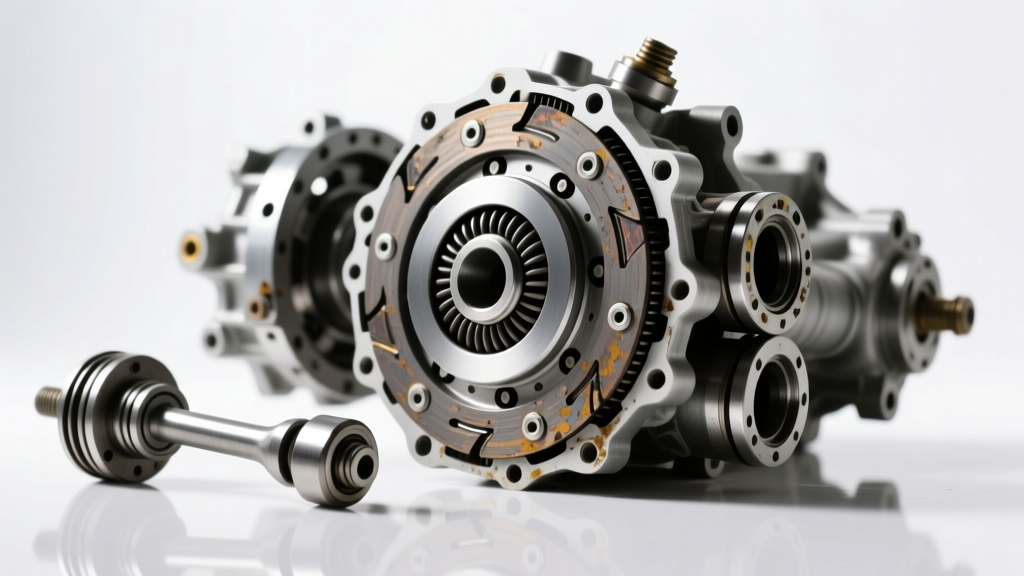
The Financial Hangover: Why Post-Repair Clutch Issues Happen
There are few things more frustrating for an equipment owner than paying for a major drivetrain overhaul, only to experience new or recurring clutch problems after the repair. A comprehensive john deere tractor clutch repair is a significant capital expenditure. In 2026, splitting the cab on a modern 6M or 7R series tractor to access the transmission bell housing routinely costs between $2,800 and $4,500 in labor and OEM parts alone. When symptoms like slipping, chatter, or spongy pedal feel emerge immediately after reassembly, operators are faced with the dreaded 'double-pay' penalty.
Understanding the root causes of post-repair clutch failures requires looking past the friction disc itself. Modern John Deere tractors utilize complex electro-hydraulic wet clutch packs for PTO engagement and range shifting (such as in AutoQuad Plus and CommandQuad transmissions), alongside traditional dry main clutches in older or utility models. When a technician fails to address secondary systems—like hydraulic calibration, flywheel runout, or master cylinder bleed procedures—the new clutch components are rapidly compromised. Below, we break down the exact costs, mechanical oversights, and diagnostic pathways for post-repair clutch symptoms.
2026 Cost Breakdown: Diagnosing the 'Fix'
Before authorizing a second tear-down, it is vital to understand the financial landscape of post-repair diagnostics. Dealerships and independent heavy-line mechanics charge premium rates for cab-splitting and drivetrain diagnostics. Here is what you can expect to pay when troubleshooting a botched or incomplete clutch repair in 2026.
| Diagnostic / Secondary Repair Step | Estimated 2026 Cost Range | Time / Complexity |
|---|---|---|
| Service Advisor Hook-Up & PTO Calibration | $185 - $350 | 1 - 2 Hours (Software) |
| Hydraulic System Bleed & Fluid Flush | $250 - $450 | 2 - 3 Hours |
| Flywheel Resurfacing / Runout Correction | $400 - $850 | Requires Engine/Cab Split |
| Secondary Cab-Split Labor (Redo) | $1,400 - $2,200 | 10 - 16 Hours |
| OEM Clutch Pack / Disc Replacement (Parts) | $650 - $1,800 | Varies by Model |
Note: Labor rates for heavy agricultural equipment in 2026 average $175 to $250 per hour at authorized dealerships, with independent shops ranging from $130 to $180 per hour.
Top 3 Post-Repair Symptoms and Their True Repair Costs
1. PTO Engagement Chatter (Wet Clutch Calibration Failure)
The Symptom: When engaging the rear PTO to run a baler or mower-conditioner, the driveline shudders violently, accompanied by a distinct knocking from the rear of the transmission.
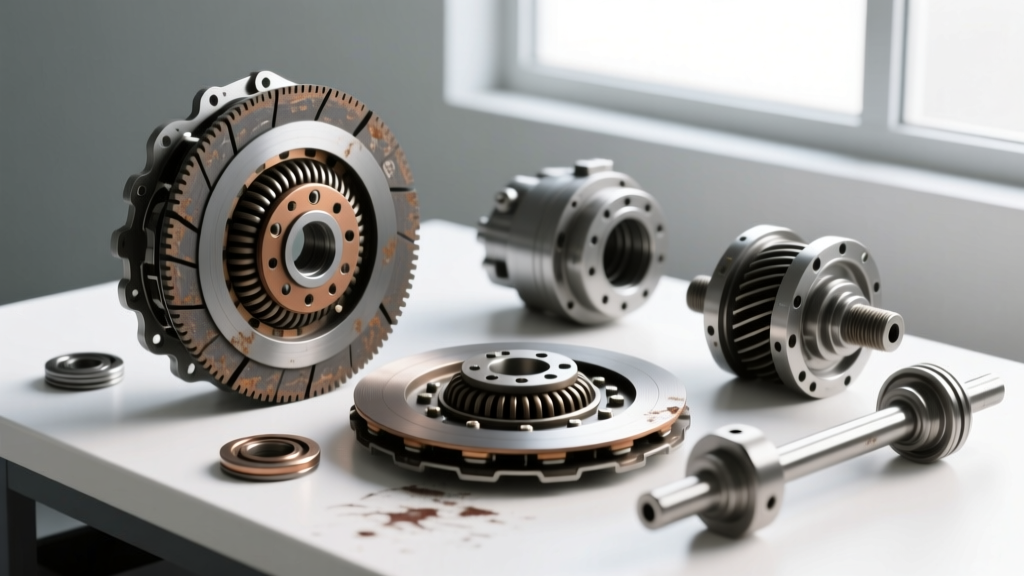
The Root Cause: Modern John Deere tractors use electro-hydraulic wet clutch packs for independent PTO engagement. If the repair shop replaced the PTO clutch friction discs (e.g., part number RE169258 or similar wet pack components) but failed to perform a software calibration via the CommandCenter, the clutch engagement pressure curve will be incorrect. Furthermore, if the hydraulic filter was not changed or the transmission fluid (John Deere HY-GARD) was not filled to the precise cold/hot expansion marks, cavitation in the PTO clutch supply circuit will cause chatter.
The Fix & Cost: This is a best-case scenario. A technician can connect the John Deere Service Advisor tool to run the automated PTO clutch calibration routine. Cost: $185 - $350. If the chatter has already glazed the new friction plates due to prolonged slipping, a secondary cab-split and pack replacement will be required, pushing costs past $3,500.
2. Main Clutch Slipping Under Heavy Draft (Flywheel Runout)
The Symptom: The tractor pulls fine in light conditions, but when pulling a deep-ripping chisel plow or operating on steep inclines, engine RPMs surge while ground speed drops. The clutch is slipping under high torque loads.
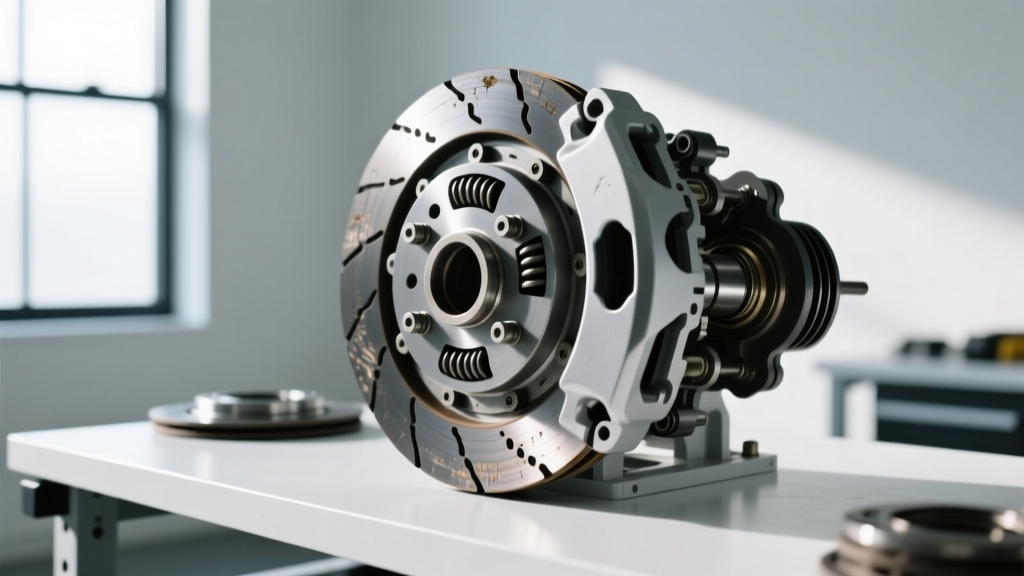
The Root Cause: When replacing a dry main clutch disc (such as the 14-inch OEM assembly RE525525), the flywheel mating surface must be inspected. John Deere technical manuals specify a maximum flywheel runout of 0.005 inches (0.13 mm). If a budget-conscious mechanic installed a new clutch disc on a warped or heat-checked flywheel without resurfacing it, the disc will not seat flatly. This causes localized hot spots, rapid glazing of the ceramic or organic friction material, and immediate slipping under draft loads.
The Fix & Cost: The tractor must be split again. The flywheel must be removed, measured with a dial indicator, and either machined flat (if within minimum thickness specs) or replaced (OEM flywheel RE500372 can exceed $1,200). Total secondary repair cost: $2,500 - $4,200.
3. Spongy Pedal or Incomplete Disengagement (Hydraulic Bleed Errors)
The Symptom: The clutch pedal feels soft, or the operator experiences gear grinding when attempting to shift ranges because the clutch is not fully disengaging.
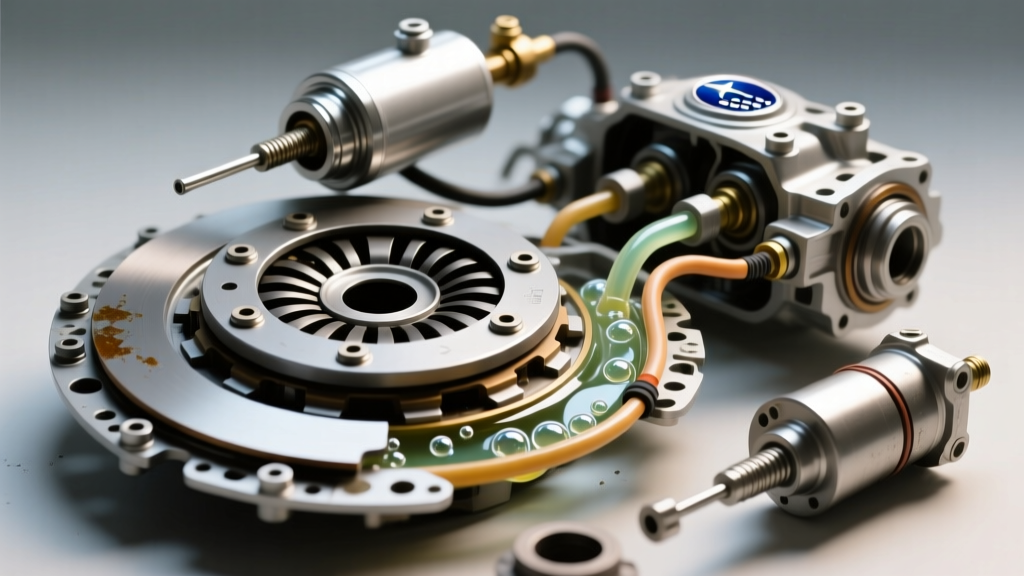
The Root Cause: Many John Deere utility and row-crop tractors utilize a hydraulic master-slave cylinder setup to actuate the clutch fork. During a clutch replacement, the hydraulic lines are often disconnected or disturbed. If the technician relied on 'gravity bleeding' rather than utilizing a pressure bleeder and following the strict John Deere TechPubs bleeding sequence, air pockets will remain trapped in the slave cylinder or the internal release bearing hydraulic circuit.
The Fix & Cost: A proper hydraulic bleed using a pressurized fluid exchange machine and OEM HY-GARD or specified mineral oil. Cost: $250 - $450. If the slave cylinder was damaged during improper reinstallation, add $300 for parts and labor.
OEM vs. Aftermarket: The Hidden Cost of Cheap Friction Materials
When facing a massive repair bill, the temptation to use aftermarket or 'white-box' clutch kits is high. However, in the context of post-repair failures, inferior friction materials are a leading culprit. Agricultural clutches endure immense shock loads—far exceeding the continuous slip-tolerances of automotive applications.
- OEM John Deere Discs: Utilize proprietary ceramic-button or high-grade organic compounds designed to withstand the instantaneous torque spikes of a 6.8L PowerTech engine hitting a hard pan layer. Cost: $800 - $1,400.
- Aftermarket Alternatives: Often use standard automotive-grade organic linings that glaze at lower temperatures. While they may save $400 upfront, they are highly prone to the slipping symptoms mentioned above within the first 100 hours of heavy PTO or draft work.
According to discussions among veteran technicians on TractorByNet, the labor cost to split a cab completely negates any savings from cheap parts. If a $400 aftermarket disc fails at hour 150, you will pay $1,800 in labor to install another part. Always insist on OEM or premium-tier branded heavy-duty friction components.
Expert Torque Specs & Assembly Safeguards
To ensure your John Deere tractor clutch repair holds up to the rigors of the 2026 farming season, verify that your mechanic adheres to strict assembly protocols. Improper torque sequences lead to warped pressure plates and premature release bearing failure (e.g., AL169573).
Expert Assembly Note: When mating the clutch housing to the engine block on PowerTech engines, bolts must be torqued in a star pattern to 85 lb-ft (115 Nm). The flywheel-to-crankshaft bolts are torque-to-yield on many modern JD engines, requiring a baseline torque of 185 lb-ft (250 Nm) followed by an additional 90-degree turn. Reusing old flywheel bolts is a primary cause of post-repair catastrophic drivetrain failure.
Furthermore, the clutch alignment tool must be used to perfectly center the disc on the pilot bearing. Even a 0.010-inch offset will cause severe input shaft wear and vibration that mimics a failing engine damper. Always ask your service provider for the dial-indicator runout printout and torque log before taking delivery of the tractor.
Final Thoughts on Protecting Your Investment
A professional john deere tractor clutch repair should yield a crisp pedal feel, seamless PTO engagement, and zero slip under maximum engine torque. If you are experiencing post-repair symptoms, do not 'break in' the clutch by slipping it intentionally—this will only glaze the friction material and void your parts warranty. Demand a diagnostic hook-up, verify hydraulic pressures, and hold your service center accountable to the OEM assembly specifications outlined in the official Messick's John Deere service guidelines and factory technical manuals. Addressing post-repair issues immediately is the only way to prevent a $3,000 repair from turning into a $7,000 drivetrain catastrophe.