Understanding the Hard Clutch Pedal Phenomenon
If you drive a manual transmission, the clutch pedal is your primary interface with the drivetrain. A healthy clutch should offer smooth, progressive resistance. However, when you suddenly experience a hard clutch pedal—one that feels like pressing against a brick wall—it is a glaring symptom of underlying engagement and disengagement issues. Ignoring this symptom doesn't just lead to leg fatigue; it accelerates wear on your transmission synchros, release bearing, and flywheel.
In this beginner-friendly explainer, we will break down the mechanical and hydraulic forces at play, diagnose exactly why your pedal effort has spiked, and provide actionable steps to restore smooth clutch operation. Whether you are driving a classic car with a mechanical linkage or a modern 2026 sports car with a concentric slave cylinder, the core physics remain the same.
The Anatomy of Clutch Pedal Effort
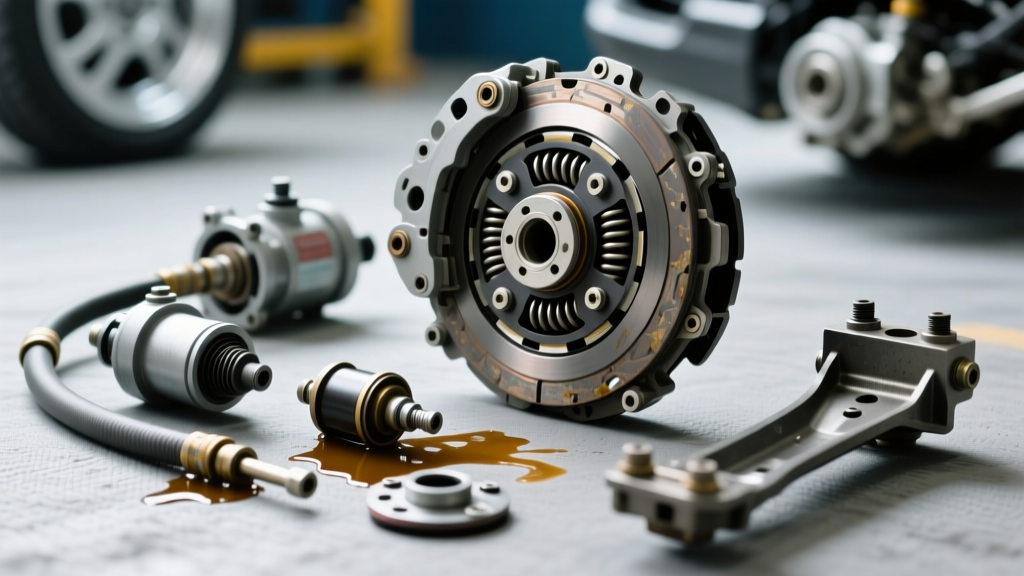
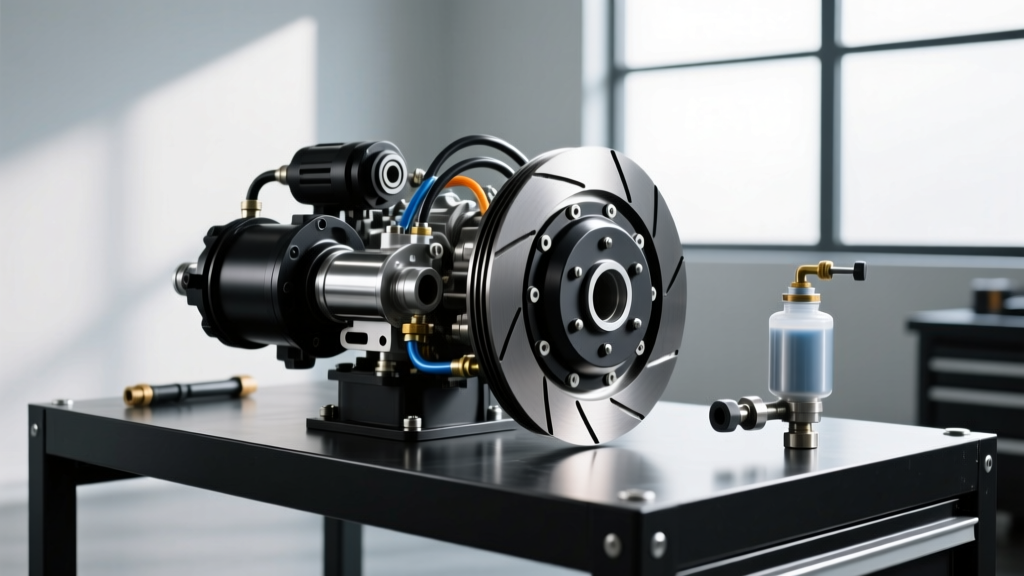
Before diagnosing the problem, it is crucial to understand how your foot translates force to the clutch assembly. According to AA1Car's Automotive Diagnostic Library, most modern vehicles utilize a hydraulic clutch system based on Pascal's Law. When you press the pedal, a pushrod actuates the master cylinder, forcing DOT 3 or DOT 4 hydraulic fluid through a hard line and flexible hose to the slave cylinder. The slave cylinder then pushes a release fork, which pivots the throwout bearing against the pressure plate's diaphragm spring.
The resistance you feel in your foot is primarily the clamping force of the pressure plate's diaphragm spring. Standard street clutches exert between 2,200 and 2,800 lbs of clamping force. Heavy-duty or multi-puck performance clutches can exceed 3,500 lbs. When components in this chain bind, fail, or lose lubrication, the mechanical advantage is lost, resulting in a heavy, unyielding pedal and incomplete disengagement.
Top 5 Causes of a Hard Clutch Pedal
1. Failing Hydraulic Master or Slave Cylinder
Hydraulic failures are the most common culprit. Internal seals inside the master cylinder can degrade, allowing fluid to bypass internally rather than traveling to the slave. While this often results in a 'spongy' pedal, a severely corroded slave cylinder bore or a binding pushrod can cause the pedal to lock up and feel incredibly stiff. Furthermore, using the wrong fluid or neglecting fluid changes introduces moisture, which lowers the boiling point and causes vapor lock or internal corrosion.
- Spec Check: Always use the manufacturer-specified fluid (usually DOT 4, which has a dry boiling point of 446°F / 230°C).
- Diagnostic Tip: Have a helper press the clutch while you watch the slave cylinder pushrod. It must travel a minimum of 0.450 to 0.550 inches to fully disengage the clutch.
2. Worn or Binding Release (Throwout) Bearing
The release bearing rides on the transmission's front bearing retainer collar (quill). If this collar lacks high-temperature grease, or if the bearing itself is failing, the metal-on-metal friction will drastically increase pedal effort. You will usually hear a distinct grinding or whirring noise that changes pitch when the pedal is depressed.
3. Damaged Pressure Plate Diaphragm Fingers
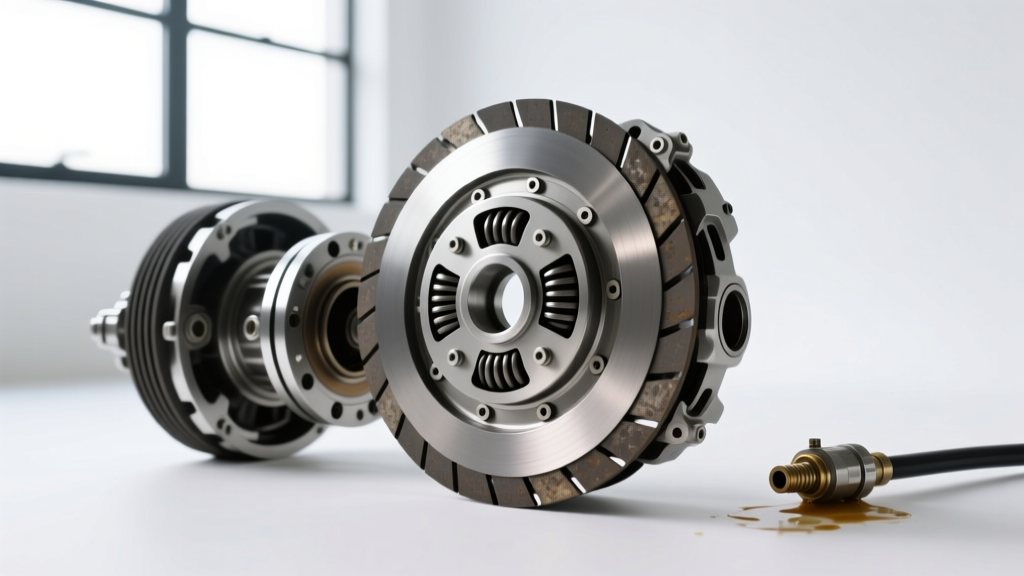
The diaphragm spring acts as an 'over-center' lever. As you press the pedal, resistance increases until the spring passes its fulcrum point, after which it snaps over and pedal effort drops slightly. If the diaphragm fingers are bent, warped from excessive heat, or improperly machined, the spring binds before reaching the over-center point. This causes a harsh, abrupt stop in pedal travel and prevents the clutch from fully disengaging, leading to gear clash.
4. Pilot Bearing Seizure
The pilot bearing (or bushing) supports the tip of the transmission input shaft inside the flywheel. If it seizes, it creates a drag link between the engine and the transmission. Even if you depress the clutch pedal to the floor, the friction from the seized pilot bearing will keep the input shaft spinning. This causes severe gear grinding when trying to shift into first or reverse. While it doesn't always make the pedal physically harder to press, it mimics the symptoms of a disengagement failure, often causing drivers to press the pedal with excessive, unnecessary force.
5. Mechanical Linkage Binding (Cable or Rod)
For classic cars and older trucks (such as those utilizing a Z-bar or mechanical cable setup), rust, frayed cables, or worn pivot ball studs are the primary causes of hard pedal effort. As noted in Hagerty's Technical Maintenance Guides, a lack of lubrication at the firewall pivot points or the bellhousing release fork pivot can double the required foot pressure.
Symptom vs. Component Failure Matrix
Use the table below to cross-reference your specific symptoms with the likely failed component.
| Symptom Profile | Likely Culprit | Primary Diagnostic Test | Est. Parts Cost (2026) |
|---|---|---|---|
| Stiff pedal, fluid loss under dash | Master Cylinder Internal/External Leak | Inspect firewall for DOT fluid; check reservoir level. | $60 - $140 |
| Hard pedal, grinding noise on depression | Binding Throwout Bearing / Dry Quill | Listen with a mechanic's stethoscope near the bellhousing. | $40 - $90 (Bearing only) |
| Hard pedal, gear clash in 1st/Reverse | Bent Diaphragm Fingers / Seized Pilot Bearing | Measure slave travel; inspect flywheel for heat spots. | $150 - $350 (Full Kit) |
| Stiff pedal, worsening in cold weather | Frayed Clutch Cable / Dry Pivot Ball | Disconnect cable at fork; test pedal resistance by hand. | $35 - $85 (Cable) |
Step-by-Step Beginner Diagnostic Guide
Before ordering a new clutch kit or paying a mechanic, perform these three foundational checks to isolate your engagement issue.
- Measure Pedal Free-Play: Free-play is the distance the pedal travels before you feel resistance from the pressure plate. Using a tape measure, check the gap between the pedal pad at rest and where it meets resistance. Most manufacturers specify 1.0 to 1.5 inches (25-38mm) of free-play. Zero free-play means the throwout bearing is constantly riding against the diaphragm fingers, causing premature wear and a heavy, erratic pedal feel.
- Verify Slave Cylinder Travel: Safely raise the vehicle and locate the clutch slave cylinder. Use a pair of digital calipers to measure the pushrod's extended length. Have a helper press the clutch to the floor. The rod must move at least 0.500 inches. If it moves less, your hydraulics are failing, or air is trapped in the line.
- Perform a Gravity Bleed: If travel is insufficient but no leaks are present, attach a clear tube to the slave cylinder bleeder valve, run it into a catch pan, and open the valve. Let gravity pull fresh DOT 4 fluid through the system until no air bubbles are visible. Avoid 'pump-and-hold' bleeding if your vehicle has a complex hydraulic line with upward loops, as this can trap air; use a pressure bleeder instead.
Expert Insight: If you are replacing the clutch assembly, always replace the pilot bearing and resurface or replace the flywheel. When installing the new pressure plate, use an alignment tool to center the disc. Torque the pressure plate M10 bolts to exactly 35 lb-ft (47 Nm) in a star pattern to prevent warping the diaphragm spring housing, which will instantly cause a hard pedal and engagement shudder.
Repair Costs and When to Replace the Assembly
If your diagnostics point to a failed pressure plate or internal transmission drag, it is time for a clutch replacement. As of 2026, a high-quality OEM-equivalent replacement kit (such as a LuK RepSet or Sachs Original Equipment kit) typically costs between $180 and $350. This kit should include the pressure plate, friction disc, release bearing, and pilot bearing.
Labor is the significant expense. Dropping the transmission, resurfacing the flywheel (approx. $75 at a machine shop), and reinstalling the drivetrain usually requires 6 to 8 hours of shop time. With current independent shop rates averaging $140 to $180 per hour, expect total labor to range from $840 to $1,440. Therefore, a complete professional repair for a hard clutch pedal caused by internal mechanical failure will generally land between $1,100 and $1,900.
Final Thoughts on Drivetrain Health
A hard clutch pedal is your vehicle's way of communicating that the delicate balance of engagement and disengagement has been compromised. By systematically checking your hydraulic free-play, verifying slave cylinder travel, and understanding the mechanics of the diaphragm spring, you can accurately diagnose the issue before it leads to catastrophic transmission damage. Regular fluid flushes every 30,000 miles and avoiding 'riding' the clutch are the best preventative measures to ensure your pedal remains light and your shifts remain crisp for the life of the vehicle.