Understanding Centrifugal Clutch Types and RPM-Driven Power Transfer
When most beginners think of a clutch, they picture a manual transmission with a foot pedal, a pressure plate, and a throw-out bearing. However, in the broader world of automotive engineering, powersports, and industrial drivetrains, centrifugal clutch types play a massive role. Unlike pedal-operated friction clutches that rely on mechanical linkage or hydraulics to engage, centrifugal clutches use the rotational force (RPM) of the engine to automatically engage and disengage the drivetrain.
If you are diagnosing a vehicle, a heavy-duty PTO (Power Take-Off), or a powersport machine that is creeping at idle, slipping under load, or failing to lock up, you are likely dealing with a centrifugal engagement failure. This beginner-friendly guide breaks down the physics, the specific hardware, and the exact diagnostic steps required to fix these issues in 2026.
The Core Centrifugal Clutch Types
Before troubleshooting, you must identify which architecture you are working on. Centrifugal clutches generally fall into three categories:
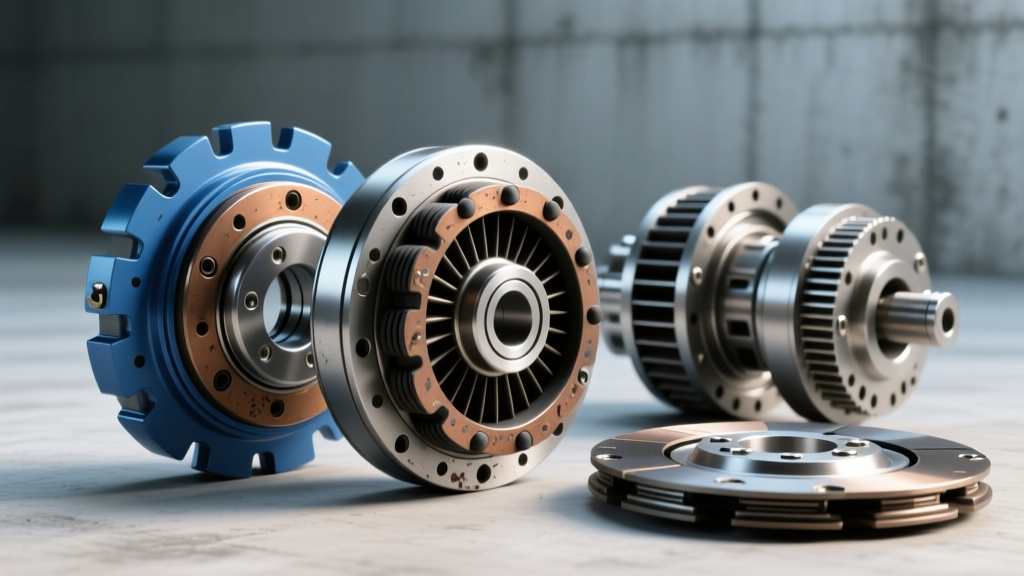
- Shoe and Drum Clutches (Industrial & Light-Duty): Common in go-karts, agricultural PTOs, and older light-transit buses. Friction shoes expand outward against a cylindrical drum as RPM increases. The Hilliard Extreme-Duty series is the industry benchmark here.
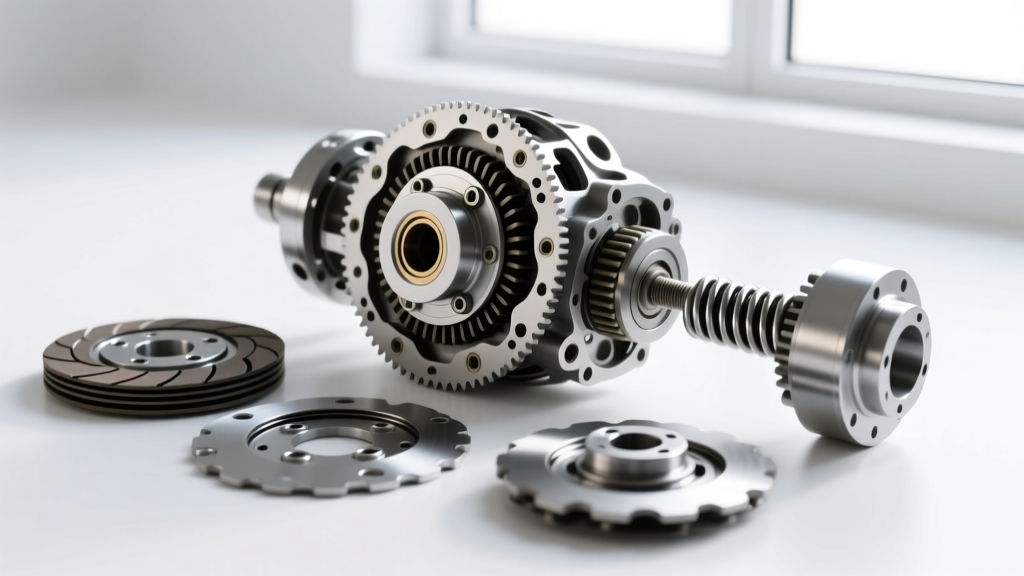
- Multi-Plate Centrifugal Clutches (Powersports & Motorcycles): Found in iconic machines like the Honda CT90/CT110 Trail Cub. These use a wet-clutch pack combined with a centrifugal actuator mechanism to engage the gears automatically as the engine revs.
- Internal Lock-Up & Compensation Clutches (Modern Automotive Automatics): While automatic transmissions like the GM 6L80 or ZF 8HP use hydraulic pressure to apply clutch packs, centrifugal force heavily influences the fluid dynamics inside the apply pistons and the Torque Converter Clutch (TCC). Understanding centrifugal compensation is vital for modern transmission diagnostics.
The Physics of Engagement and Disengagement
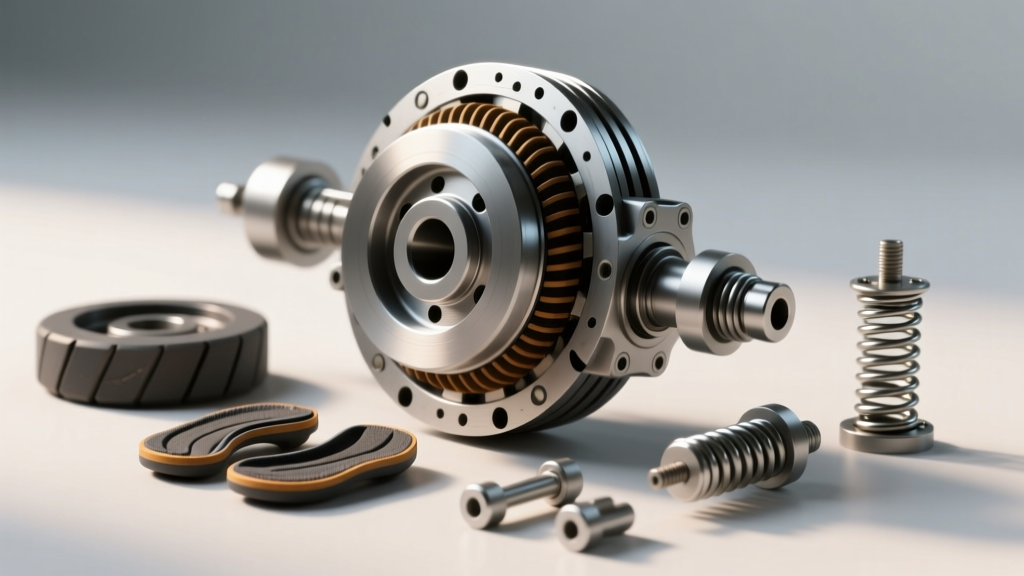
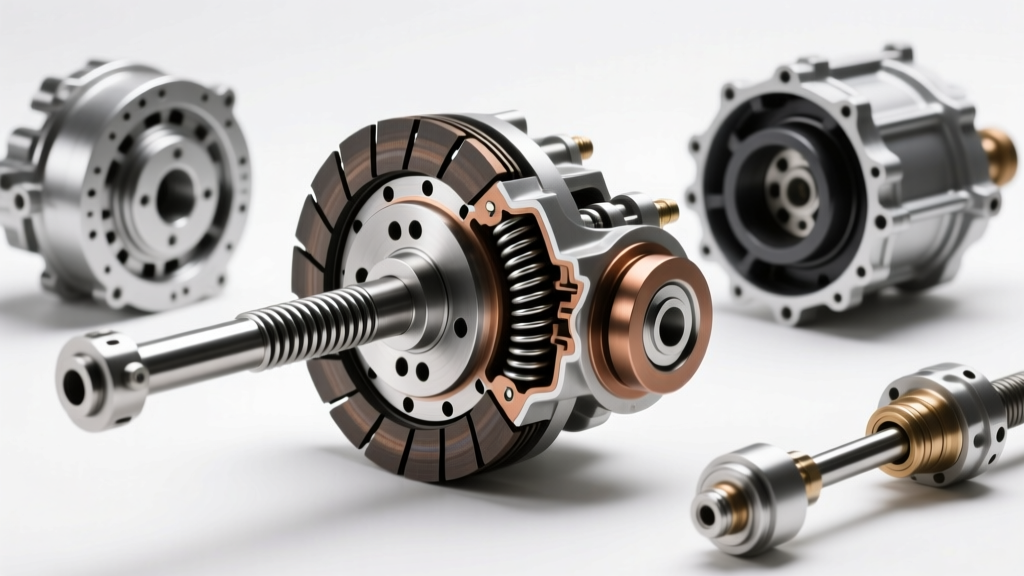
A centrifugal clutch operates on a strict RPM threshold. Inside the clutch assembly, heavy shoes or actuator arms are held inward by tension springs. As the engine accelerates, centrifugal force overcomes the spring tension, throwing the friction material outward to grab the mating surface (the drum or clutch pack).
Engagement occurs when the outward centrifugal force exceeds the inward spring tension. Disengagement happens when RPM drops, and the springs successfully pull the friction material away from the mating surface. When this delicate balance fails, you experience dangerous drivability symptoms.
Troubleshooting Matrix: Symptoms, Causes, and Fixes
Use this diagnostic chart to pinpoint the exact failure point in your drivetrain.
| Symptom | Root Cause | Diagnostic Check | Estimated Repair Cost (2026) |
|---|---|---|---|
| Creeping at Idle (Premature Engagement) | Weak, stretched, or broken return springs; incorrect spring installation. | Measure spring free-length. Replace if stretched beyond 5% of OEM spec. | $45 - $120 (Spring Kit) |
| Slipping Under Load (Failure to Fully Engage) | Glazed friction shoes, oil contamination, or worn drum inner diameter. | Check drum ID with calipers. Inspect shoes for a shiny, glass-like finish. | $150 - $400 (Shoe/Drum Rebuild) |
| Dragging / Creeping at Stop (Failure to Disengage) | Melted friction bonding, warped drum, or seized pivot bearings. | Inspect for heat bluing on the drum. Check pivot pins for scoring. | $250 - $600 (Full Assembly) |
| High-RPM Flare (Automatics) | Failed centrifugal compensation check-ball in clutch apply piston. | Perform hydraulic pressure test; check for RPM-correlated pressure spikes. | $1,800 - $3,200 (Trans R&R & Rebuild) |
Step-by-Step Diagnostic Guide for Beginners
1. Inspecting Shoe and Drum Clutches (Industrial/PTO)
If you are working on a heavy-duty PTO or a high-torque go-kart setup, the first step is measuring the air gap and shoe clearance. When the clutch is at rest, the clearance between the friction shoe and the inner drum should typically be between 0.015" and 0.020". Use a feeler gauge to check this gap through the inspection ports.
If the gap is too wide, the clutch will engage late and slip excessively, generating massive heat. If the gap is too narrow, the clutch will drag at idle. When reinstalling the drum set screws after inspection, always apply a medium-strength threadlocker (like Loctite 243) and torque them to exactly 15 lb-ft to prevent catastrophic separation at 3,000+ RPM.
2. Powersports: The Honda Trail Cub Centrifugal Mechanism
In motorcycle applications like the Honda Super Cub and Trail series, the centrifugal clutch is a wet, multi-plate design actuated by a cam and roller mechanism. A common disengagement issue here is caused by a grooved clutch arm pivot pin or a weak primary spring (OEM Part #22821-GB0-000).
The Fix: Drain the 10W-40 JASO-MA motor oil. Remove the right-side clutch cover. Inspect the centrifugal actuator rollers for flat-spotting. When reassembling the clutch arm pivot bolt, the factory torque specification is strictly 14 lb-ft (19 Nm). Over-torquing this bolt will bind the actuator, causing the clutch to remain engaged even when the engine returns to idle.
3. Automotive Automatics: Centrifugal Compensation in the GM 6L80
While a GM 6L80 or a ZF 8HP does not use a "shoe and drum" centrifugal clutch, they are deeply affected by centrifugal force. Inside these transmissions, the clutch packs (such as the 4-5-6 clutch) are applied by hydraulic fluid pushing against a piston. As the transmission spins at high RPM, centrifugal force pushes the hydraulic fluid outward against the piston, creating unwanted "phantom" apply pressure that can cause the clutch to drag and burn up.
To fix this, engineers use centrifugal compensation chambers—small check-balls that bleed off this outward fluid pressure. If a mechanic misdiagnoses a slipping or dragging clutch in a 6L80 and replaces the friction plates without checking the compensation check-ball in the apply piston, the transmission will fail again within 500 miles. Always verify the check-ball moves freely and seals properly during a rebuild. For deeper hydraulic diagnostics, referencing Sonnax TCC and clutch apply resources is highly recommended.
When to Replace vs. Rebuild in 2026
Deciding whether to rebuild a centrifugal clutch or replace it outright comes down to heat damage. If your friction shoes are simply glazed, you can sometimes scuff them with 80-grit sandpaper and deglaze the inner drum with a Scotch-Brite pad. However, if the drum shows heat bluing (a dark blue/purple tint), the metallurgy has been compromised. The drum has warped microscopically, and no amount of sanding will fix the disengagement drag. In this scenario, a complete drum and shoe replacement is mandatory.
For automotive automatic transmissions exhibiting centrifugal compensation failures, the transmission must be removed, the valve body dropped, and the specific clutch pack piston replaced. While the parts cost for a piston and seal kit is under $150, the labor to pull a 6L80 from a Silverado or Camaro will push the shop bill well past the $2,000 mark.
Final Takeaway
Whether you are adjusting the return springs on a Hilliard PTO clutch, replacing the actuator rollers on a Honda CT110, or diagnosing a centrifugal compensation leak in a ZF 8HP, the underlying physics remain the same. RPM creates outward force; springs and hydraulic check-balls manage the return. Master this balance, and you will accurately diagnose engagement and disengagement issues that stump less-informed mechanics.