The Acrid Warning: Diagnosing a Burning Go Kart Clutch
There are few smells more distinct and alarming to a kart racer or backyard mechanic than the acrid, sulfurous stench of baking friction material. When your go kart begins to emit a burning odor from the rear drivetrain, it is a critical warning sign that your centrifugal clutch is slipping, overheating, and rapidly destroying itself. If you have ever found yourself asking how do go kart clutches work while staring at a smoking rear sprocket, understanding the internal mechanics is the absolute first step to diagnosing the root cause of the burn. Unlike manual automotive transmissions that rely on hydraulic or cable-actuated pressure plates, go kart clutches are entirely dependent on centrifugal force and engine RPM. When the balance between engine idle speed, spring tension, and friction surface integrity is compromised, the result is catastrophic heat generation.
The Mechanics: How Do Go Kart Clutches Work?
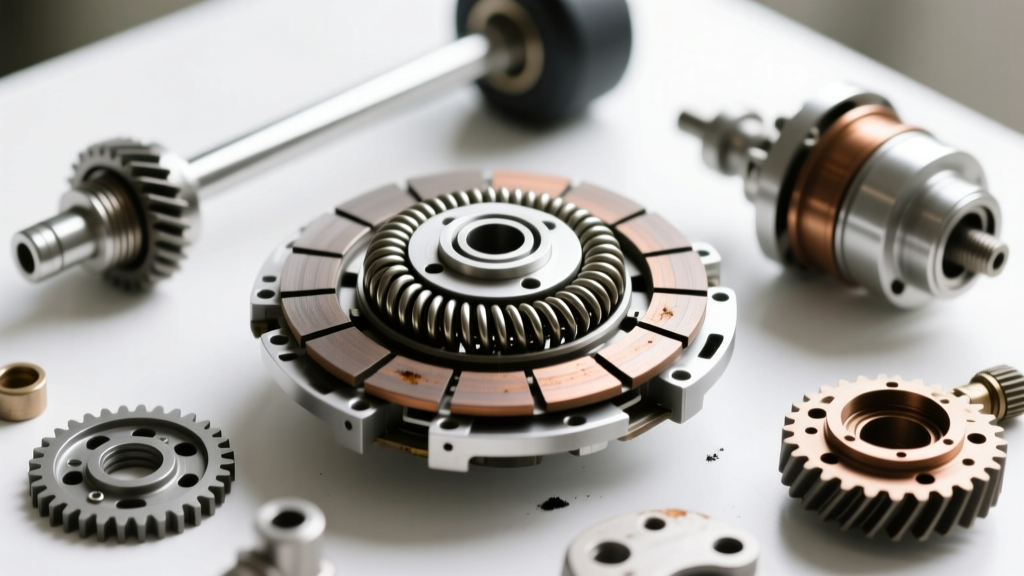
To diagnose a burning smell, you must first understand the physical forces at play inside the clutch drum. A standard recreational or racing go kart utilizes a centrifugal clutch, such as the ubiquitous Hilliard Max-Torque or Comet models. The assembly consists of a central hub splined or keyed to the engine's Power Take-Off (PTO) crankshaft, a set of weighted friction shoes lined with ceramic or Kevlar composite material, retraction springs, and an outer steel drum connected to the drive sprocket.
At idle, the retraction springs hold the friction shoes tightly against the central hub, maintaining an air gap between the shoes and the inner diameter of the outer drum. As the throttle is applied and engine RPM increases, centrifugal force pushes the weighted shoes outward. Once the RPM surpasses the specific engagement threshold of the springs, the shoes make contact with the drum, locking the assembly together and transferring power to the chain and rear axle. When a burning smell occurs, it means the shoes and drum are partially engaged but slipping against one another at high speeds, generating friction heat that can exceed 600°F (315°C) in a matter of seconds.
Primary Causes of Clutch Overheating and Burning
1. Idle Speed and Spring Rate Mismatch
The most common cause of a burning go kart clutch is an engine idle speed that is set too high for the clutch's engagement springs. If your engine idles at 2,400 RPM, but your clutch is equipped with springs rated to engage at 2,200 RPM, the clutch shoes will constantly drag against the inner drum while the kart is stationary. This creates a continuous slipping effect, generating immense heat and the signature burning odor. According to technical documentation from Hilliard Corporation, even a 200 RPM discrepancy between idle and engagement speed can reduce the lifespan of the friction shoes by over 80%.
2. PTO Crankshaft Seal Leaks and Contamination
Internal combustion engines, particularly the popular Predator 212cc or Honda GX200 powerplants, rely on a PTO-side oil seal to keep lubricant inside the crankcase. If this seal degrades, engine oil will migrate down the crankshaft and pool directly inside the clutch drum. When oil contaminates the friction shoes, the coefficient of friction plummets. The clutch is then forced to slip to transmit power, resulting in a burning smell that is a mix of overheated friction material and vaporized motor oil. This is often accompanied by a visible mist of oil flinging off the rear sprocket.
3. Chain Bind and Sprocket Misalignment
A clutch can only transmit the power it is given; if the drivetrain is bound, the clutch will slip. If the chain tension is excessively tight (less than 1/2 inch of vertical deflection), or if the engine sprocket and rear axle sprocket are misaligned by more than 1/16th of an inch, the chain will bind during the rear suspension's travel or under cornering loads. This artificial resistance forces the clutch drum to slow down while the engine continues to spin the shoes, leading to rapid overheating. Proper chain alignment requires a straight-edge laser tool or precision caliper measurements from the chain's lateral plane to the sprocket teeth.
Diagnostic Data: Spring Color Codes and Engagement RPMs
Matching your clutch springs to your engine's idle and powerband is critical. Below is the standard spring rate chart for 3/4-inch bore centrifugal clutches commonly used in 4-cycle karting. Always ensure your engine's idle RPM is at least 300-400 RPM below the clutch engagement speed to prevent burning.
| Spring Color | Engagement RPM | Recommended Idle RPM | Application Profile |
|---|---|---|---|
| White | 1,800 - 2,000 | 1,400 - 1,500 | Low-torque trail karts, slow idle engines |
| Yellow | 2,800 - 3,000 | 2,200 - 2,400 | Standard recreational karts, stock Predator 212 |
| Red | 3,100 - 3,300 | 2,500 - 2,700 | Modified engines, high-compression builds |
| Black | 3,500 - 3,800 | 2,800 - 3,000 | Purpose-built racing karts, high-RPM powerbands |
Note: Data compiled based on standard aftermarket spring specifications available via BMI Karts Clutch Catalog. Always verify with the specific manufacturer's tech sheet, as Chinese-clone clutches may use varying color codes.
Step-by-Step Troubleshooting and Repair Protocol
If your kart is emitting a burning smell, park immediately and allow the drum to cool. The outer drum can retain enough heat to cause third-degree burns for up to 15 minutes after the engine is shut off. Once cool, follow this diagnostic protocol:
- Verify Idle RPM: Connect a digital tachometer to the spark plug wire. Start the engine and let it warm up. Measure the baseline idle. If it is creeping within 200 RPM of your clutch's engagement threshold, adjust the carburetor idle screw downward until a safe margin is achieved.
- Inspect for Contamination: Remove the clutch retaining bolt (typically a 5/16"-24 UNF bolt). Use a steering wheel puller or a specialized clutch puller tool to extract the clutch from the PTO shaft. Never hammer the clutch off, as this will shatter the internal needle bearings and damage the engine's PTO seal. Inspect the inner hub and crankshaft for wet oil. If oil is present, the PTO seal must be replaced.
- Measure Shoe Thickness and Drum ID: Inspect the friction shoes. A new shoe typically has a friction pad thickness of 0.125 inches. If the pads are worn down to the steel backing plate (under 0.040 inches), they will slip and burn. Additionally, use an inside micrometer to measure the inner diameter of the clutch drum. A standard 5-inch drum has a factory ID of 5.000 inches. If wear has expanded the ID beyond 5.035 inches, the drum is out of round and must be replaced, as the shoes will no longer make full surface contact.
- Clean and Reassemble: If the shoes are merely glazed (shiny and hardened from heat) but have adequate thickness, scuff them lightly with 120-grit sandpaper. Clean the entire assembly with a non-chlorinated brake cleaner. Reinstall the clutch using a new 5/16" lock washer and apply a drop of Blue Loctite 243 to the threads. Torque the retaining bolt to exactly 18 ft-lbs. Overtorquing can warp the central hub and cause internal binding.
Rebuild vs. Replace: Economic and Performance Analysis
When a centrifugal clutch has been subjected to severe burning, the friction material is often compromised beyond a simple cleaning. Deciding whether to rebuild the unit or purchase a complete replacement depends on the extent of the thermal damage.
When to Rebuild
If the outer drum is within specification (under 5.035" ID) and the internal needle bearings spin freely without a gritty sensation, a rebuild kit is the most economical choice. A standard Hilliard Max-Torque rebuild kit (Part #21835) includes four new friction shoes, four color-coded springs, and retaining clips, costing between $28 and $35. Rebuilding takes approximately 20 minutes and requires only snap-ring pliers and a flathead screwdriver. It is highly recommended to source OEM rebuild kits rather than unbranded alternatives, as the friction compound on budget shoes often lacks the thermal resin binders required to withstand high-RPM slip engagements.
When to Replace the Entire Assembly
If the burning smell was accompanied by a loud metallic rattling, or if the drum has turned a deep blue/purple color indicating extreme thermal warping, the entire clutch assembly must be replaced. Heat exceeding 700°F will anneal the steel drum, softening it and causing it to expand and contract irregularly. Furthermore, extreme heat will destroy the lubrication inside the sealed needle bearings that allow the drum to spin independently of the hub at idle. A complete 3/4" bore, 10-tooth replacement clutch assembly from a reputable brand like Comet or Hilliard typically ranges from $65 to $110. While more expensive upfront, replacing a thermally warped clutch prevents catastrophic drivetrain failure on the track. For comprehensive teardown procedures and exploded diagrams, refer to the Comet Kart Sales Tech Manuals.
Final Thoughts on Drivetrain Longevity
Understanding how do go kart clutches work is not just an academic exercise; it is the foundation of preventative maintenance. A burning smell is never a condition to be ignored or masked. By systematically verifying idle RPMs, matching spring rates to your engine's powerband, ensuring absolute drivetrain alignment, and keeping the PTO shaft free of oil contamination, you can extend the life of your centrifugal clutch from a few hours of abusive slipping to multiple seasons of reliable, hook-up-and-go performance. Always carry a spare set of engagement springs and a digital tachometer in your pit box—these two inexpensive tools are your first line of defense against clutch incineration.