The High-Stakes World of Shifter Kart Clutch Hydraulics
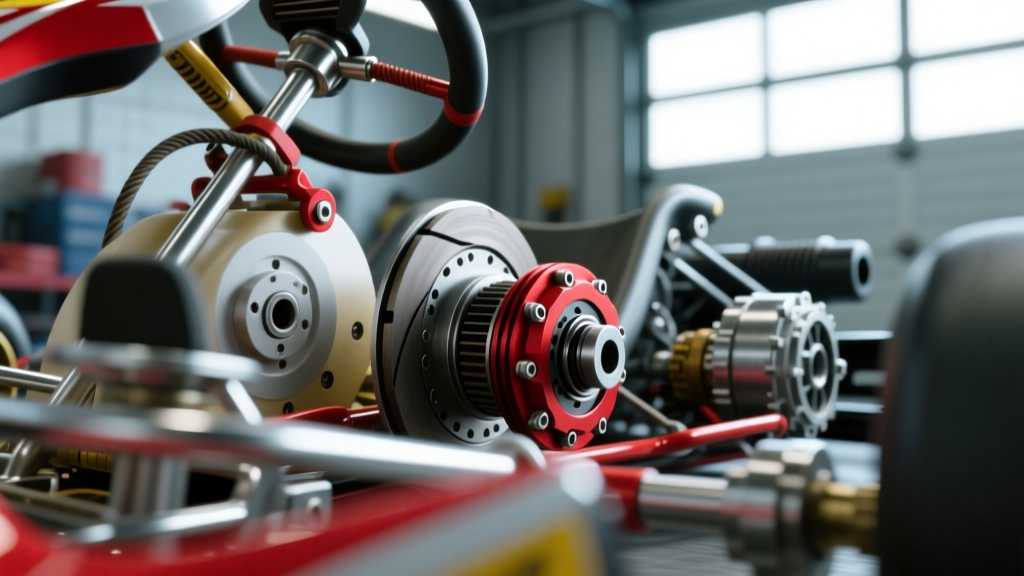
In the realm of competitive karting, a 6-speed shifter kart (such as a CRG Black Devil or Tony Kart Racer 401S equipped with an IAME X30 or Honda CR125 powerplant) demands millisecond-perfect clutch engagement. Unlike a standard automotive manual transmission, a shifter kart utilizes a compact, high-RPM centrifugal or multi-plate wet clutch actuated by a left-foot hydraulic pedal. When you experience shifter kart clutch pedal problems—whether the pedal feels spongy, rock-hard, or vibrates violently through your racing boot—you lose crucial tenths of a second off the line and risk stalling in tight hairpins.
This model-specific repair guide breaks down the exact failure modes of shifter kart hydraulic systems. By understanding the routing and leverage ratios outlined in a standard go kart clutch diagram, you can systematically diagnose, bleed, and repair your clutch actuation system to factory tolerances.
Decoding the Go Kart Clutch Diagram: System Anatomy
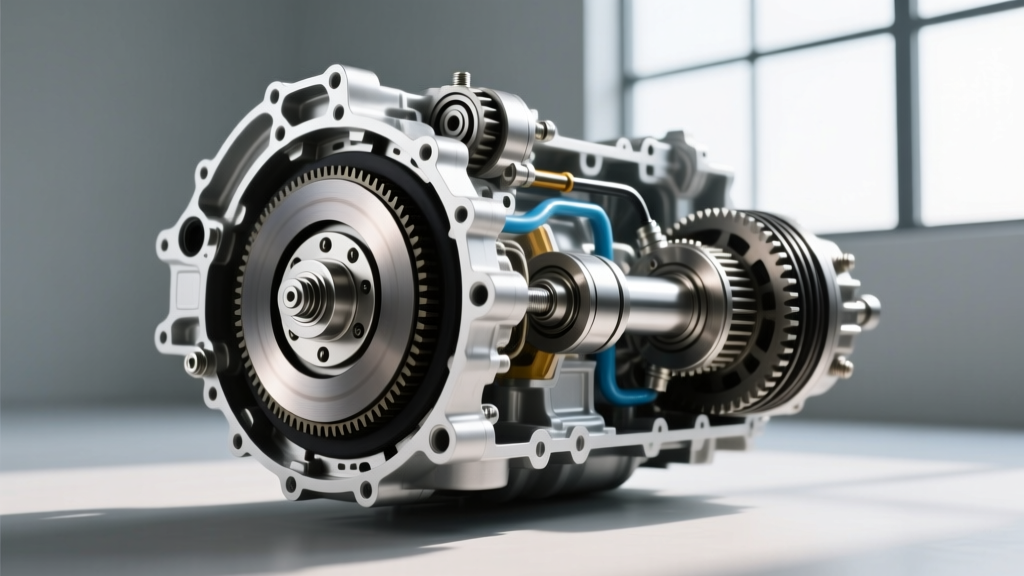
Before turning a wrench, it is vital to understand the hydraulic architecture. A typical shifter kart clutch diagram illustrates a closed-loop hydraulic system consisting of four primary nodes:
- Master Cylinder: Usually a Brembo or Magura 11mm or 13mm bore unit mounted to the chassis pedal box.
- Hydraulic Line: A stainless-steel braided hose routed along the chassis floor pan, often exposed to extreme ambient heat and track debris.
- Slave Cylinder: A compact actuator mounted directly to the engine case or motor mount, pushing a mechanical actuator arm.
- Clutch Basket & Pushrod: The internal engine components that separate the friction and steel plates.
Because the slave cylinder is positioned lower than the master cylinder on most chassis layouts, air naturally migrates to the highest point in the line (often near the master cylinder banjo bolt or the chassis cross-member). This upward routing is the primary culprit behind chronic spongy pedal symptoms in karting applications.
Symptom 1: The Spongy or Soft Clutch Pedal
A soft pedal that travels more than 50% of its stroke before disengaging the clutch is the most common complaint in the paddock. This is almost exclusively a hydraulic issue.
Micro-Air Ingress and Fluid Boil
Shifter karts generate immense exhaust header heat, often routing the expansion chamber within inches of the slave cylinder. If your hydraulic line lacks a thermal barrier sleeve, the DOT 4 or DOT 5.1 fluid can reach its boiling point. According to Motul's technical specifications, high-performance fluids like RBF 600 boast a dry boiling point of 617°F (325°C), but once the fluid absorbs moisture from the humid paddock air, the wet boiling point drops drastically, leading to vapor lock and a spongy pedal mid-race.
The Banjo Bolt Micro-Leak
Inspect the copper crush washers on the master cylinder banjo bolt. In high-vibration environments like a kart chassis lacking rubber motor mounts, these washers compress and fatigue. A micro-leak here won't necessarily leave a puddle of fluid, but it will draw in air during the pedal's return stroke, creating a spongy feel.
Symptom 2: The Rock-Hard Clutch Pedal
If your left foot feels like it is pushing against a brick wall, the hydraulic pressure is either blocked or the mechanical linkage is binding.
Blocked Master Cylinder Compensation Port
Inside the Brembo 11mm master cylinder (Part # 10.4776.50), there is a tiny compensation port that allows fluid to return to the reservoir when the pedal is released. Track rubber, fine dust, and degraded rubber seals can clog this 0.8mm orifice. When blocked, thermal expansion of the fluid under engine heat creates immense resting pressure, resulting in a hard pedal and a clutch that slips because it is never fully engaged.
Pushrod Binding and Misalignment
Consulting your specific go kart clutch diagram will reveal the pushrod geometry between the slave cylinder and the engine's clutch actuator arm. If the motor mount shifts during a heavy impact (e.g., hopping a curb), the slave cylinder pushrod can bind at an extreme angle against the actuator arm. This mechanical bind feels exactly like a hydraulic blockage. Verify that the pushrod maintains a straight vector throughout the entire 15mm stroke of the slave cylinder.
Symptom 3: Pedal Vibration and Chatter
A vibrating clutch pedal is not a hydraulic issue; it is a mechanical failure inside the engine's clutch basket. When you feather the pedal during a corner entry, a high-frequency buzz through the pedal indicates uneven friction surface engagement.
Clutch Basket Notching
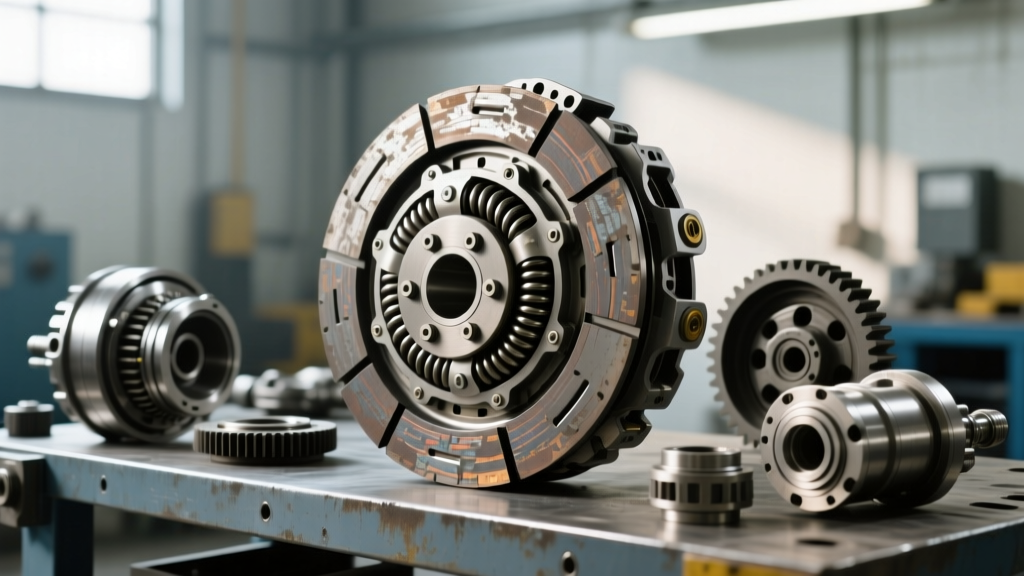
The aluminum fingers of the clutch basket (where the friction plate tabs sit) develop deep notches over time due to the violent engagement of a 12,500 RPM engine. These notches prevent the plates from sliding smoothly, causing them to grab and release rapidly. This chatter transfers directly through the hydraulic fluid to your foot.
Warped Steel Plates and Loose Center Nut
If the steel separator plates are warped beyond 0.10mm of runout, they will drag against the friction material unevenly. Furthermore, the primary clutch center nut on a Honda CR125 or IAME X30 engine must be torqued to exact specifications. A loose center nut allows the entire clutch stack to wobble on the transmission input shaft, creating severe pedal vibration.
2026 Shifter Kart Clutch Component Replacement Matrix
When rebuilding your system, rely on OEM or high-end aftermarket components. Below is the current 2026 pricing and specification matrix for standard shifter kart clutch hydraulics.
| Component | Part Number / Spec | Torque Specification | Est. 2026 Cost |
|---|---|---|---|
| Brembo 11mm Master Cylinder | 10.4776.50 | 12-14 Nm (Mounting Bolts) | $145 - $160 |
| TBS / OTK Slave Cylinder | TBS-SLV-01 / OTK-SLV | 8-10 Nm (Case Bolts) | $85 - $110 |
| Braided Hydraulic Line | Custom Length (Dash-3) | 10-12 Nm (Banjo Bolts) | $45 - $65 |
| Clutch Center Nut (CR125) | Honda 90121-KA3-830 | 54 Nm (Apply Loctite 243) | $8 - $12 |
| High-Performance Fluid | Motul RBF 600 (DOT 4) | N/A | $22 - $28 |
Precision Bleeding & Heat Mitigation Strategies
Bleeding a shifter kart clutch requires a different approach than a standard automobile. Because the slave cylinder sits lower than the master, traditional "pump and hold" bleeding often traps air in the downward loop of the hose.
The Syringe Vacuum Method
The most effective technique is reverse-bleeding using a 50ml veterinary syringe and a clear tube attached to the slave cylinder bleed nipple. By pushing fresh, degassed fluid from the bottom up, you force air bubbles naturally toward the master cylinder reservoir. Keep the master cylinder cap off and monitor the fluid level to ensure it does not overflow as the air is purged.
Thermal Barrier Implementation
To prevent heat soak and subsequent fluid boil, wrap the final 6 inches of the hydraulic line near the slave cylinder in a titanium or fiberglass heat sleeve. Ensure the slave cylinder body itself is shielded from direct radiant heat from the exhaust header. As noted by chassis tuning experts at CRG Karts, managing under-cowl temperatures is critical for maintaining consistent hydraulic pressure over a 15-lap final race.
Final Pedal Adjustment and Free Play
Once the system is bled, you must set the pedal free play. A shifter kart clutch pedal requires exactly 2mm to 3mm of free play before the master cylinder pushrod engages the piston. If there is zero free play, the master cylinder piston will block the compensation port, leading to clutch slip and eventual friction plate burnout. Adjust the pushrod clevis at the pedal box until you feel a distinct, solid "wall" of hydraulic pressure after 2mm of travel. Regularly inspect your go kart clutch diagram routing to ensure zip-ties and chassis brackets are not pinching the braided line under full suspension compression.
For further reading on foundational braking and clutch hydraulic principles, the engineering team at Brembo provides extensive documentation on master cylinder bore sizing and leverage ratios that apply directly to high-performance karting applications.