The Intersection of Gear Ratios and Torque Vectoring
When enthusiasts discuss differential gear ratio and performance, the conversation typically revolves around ring and pinion swaps—moving from a highway-friendly 3.08:1 to an aggressive 3.73:1 or 4.10:1 setup. However, in modern high-performance platforms like the 2024-2026 Cadillac CT5-V Blackwing and the final generation Chevrolet Camaro ZL1 1LE, the physical gear ratio is only half the equation. The true performance potential of a 3.73:1 final drive is unlocked by the electronic torque-vectoring rear differential. At the heart of this system are the differential pressure transducers, critical hydraulic sensors that dictate how effectively your gear ratio's torque multiplication is translated into forward traction.
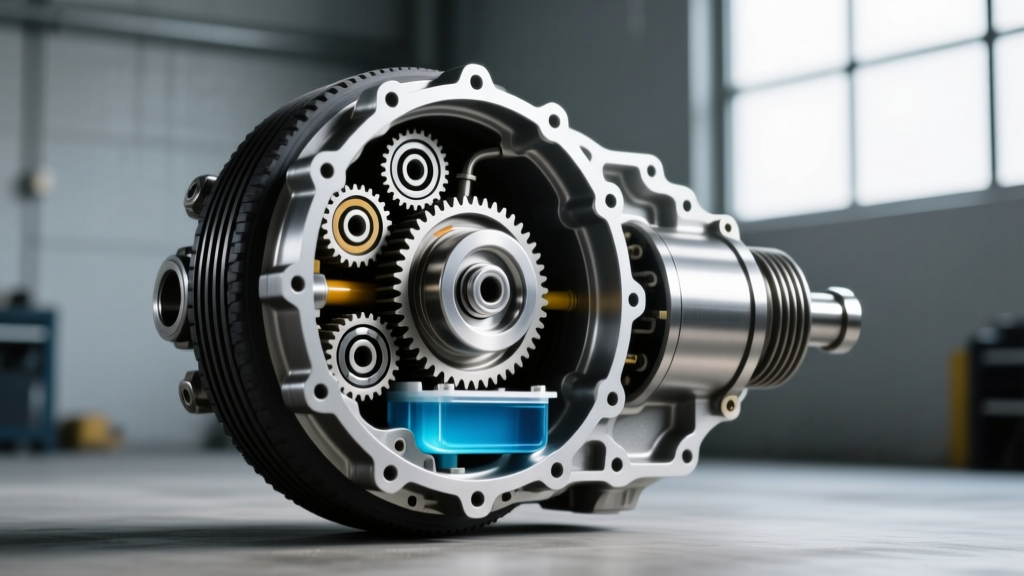
Unlike a traditional mechanical limited-slip differential (LSD) that relies on static clutch preload or helical gear binding (like a Torsen), the GM Twin-Clutch Rear Differential utilizes an onboard hydraulic pump and dual wet-clutch packs. The differential pressure transducers monitor the hydraulic line pressure applied to the left and right axle clutch packs in real-time. If these transducers drift out of calibration or fail, the vehicle's Electronic Control Unit (ECU) defaults to an open-differential safety mode. In this state, your aggressive 3.73:1 gear ratio becomes a liability, resulting in severe one-wheel spin and a massive degradation in corner-exit performance.
How Differential Pressure Transducers Dictate Performance
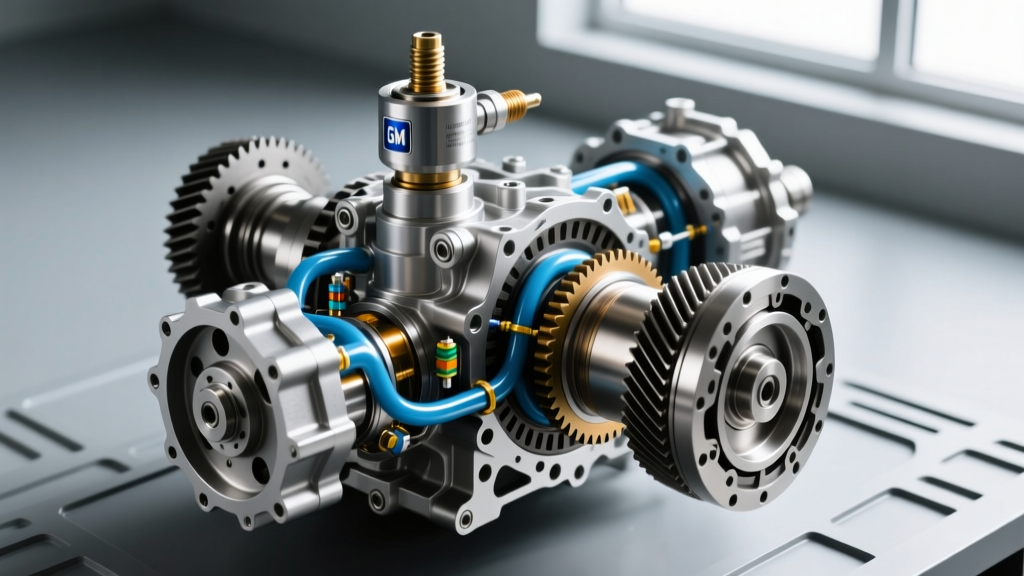
To understand why a pressure transducer is just as vital as the ring and pinion gears, we must look at the hydraulic control unit (HCU). The HCU uses pulse-width modulated (PWM) solenoids to route fluid to the clutch packs. The differential pressure transducers act as the feedback loop, sending a 0-5V signal back to the Chassis Control Module to confirm that the requested hydraulic pressure matches the actual mechanical clamping force on the axles.
- Corner Entry (Trail Braking): The ECU commands a slight pressure variance via the transducers to induce rotation, effectively creating a yaw moment that complements the mechanical gear ratio.
- Apex to Exit (Throttle Application): As you roll on the throttle, the 3.73:1 gear ratio multiplies engine torque. The transducers instantly command up to 450 PSI of clamping force to the outside wheel, routing up to 100% of available rear torque to the tire with the most grip.
- Straight-Line Launch: Both transducers command maximum simultaneous pressure, effectively locking the rear axle to maximize the mechanical advantage of the final drive ratio off the line.
According to Car and Driver's drivetrain analysis of the CT5-V platform, the twin-clutch system can vary torque side-to-side in milliseconds. This speed is entirely dependent on the accuracy of the differential pressure transducers. A failed sensor doesn't just trigger a check engine light; it fundamentally alters the vehicle's performance profile, making a 668-horsepower supercharged V8 feel like it's mated to a sluggish, open rear end.
Diagnostic Matrix: Transducer Failure vs. Gear Wear
Before tearing into the differential, it is crucial to differentiate between electronic transducer failure and physical ring-and-pinion wear. Misdiagnosing a sensor issue as a gear ratio problem can lead to thousands of dollars in unnecessary rebuild costs.
| Symptom | Differential Pressure Transducer Failure | Physical Gear / Bearing Wear |
|---|---|---|
| Audible Noise | Silent, or high-pitch whine from the HCU pump running continuously to compensate for a perceived pressure leak. | Coast-side or drive-side whine, rumbling at specific MPH ranges, or clunking on load reversal. |
| Performance Loss | Sudden loss of lateral grip; inside rear tire spins under hard cornering throttle. ECU limits torque output. | Gradual loss of efficiency, binding sensations, or metallic shavings in the fluid. |
| OBD2 / GDS2 Codes | C0582 (Rear Differential Clutch Pressure Sensor), C056E, or C058A (Pump Motor Circuit). | Rarely throws ECU codes unless ABS wheel speed sensors detect massive RPM discrepancies due to physical binding. |
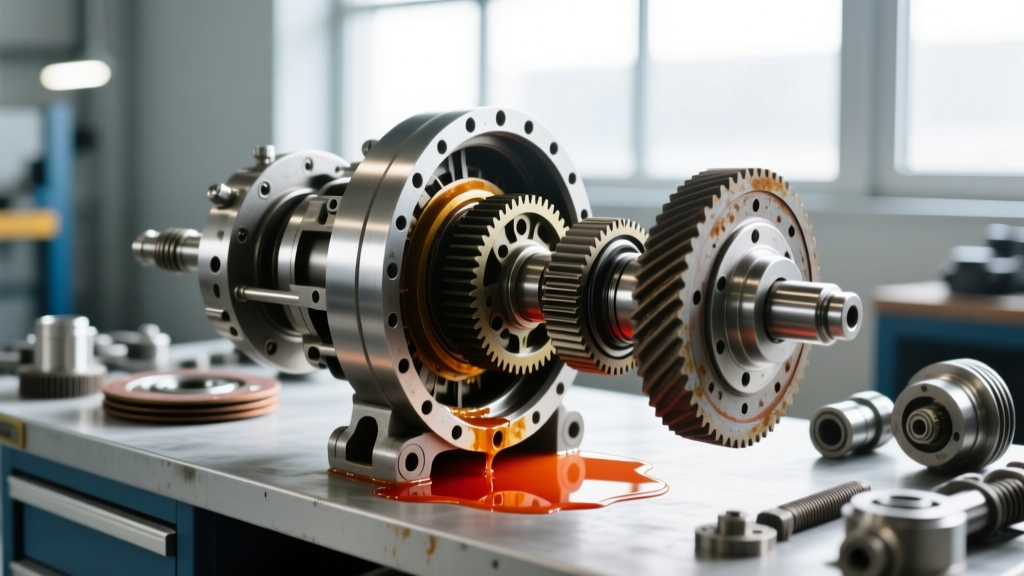
| Fluid Condition | Fluid may appear normal, or show slight clutch material if the pump has been overworking. | Fluid is heavily metallic, glittering, or smells severely burnt due to gear friction. |
Model-Specific Repair: GM Twin-Clutch Transducer Replacement
If your GDS2 scan tool confirms a hard fault in the differential pressure transducers (commonly located on the HCU valve body), replacement is required. This procedure applies to the GM 10L90-equipped ZL1 and CT5-V Blackwing platforms.
Required Parts and Fluids
Sourcing the correct OEM components is non-negotiable for hydraulic calibration. Aftermarket sensors often feature incorrect voltage scaling, leading to immediate ECU rejection.
- Pressure Transducer/Sensor: GM Genuine Parts #84627234 (Approx. $165 - $190 via ACDelco distributors).
- HCU O-Ring Kit: GM #84398125.
- Differential Fluid: ACDelco Twin-Clutch Rear Axle Fluid (Part #19355656). Do NOT substitute with standard 75W-90 GL-5 gear oil; the friction modifiers in standard gear oil will cause the wet clutches to chatter and fail. Capacity: 2.8 Liters.
Step-by-Step Replacement Procedure
- Vehicle Preparation: Lift the vehicle on a two-post hoist. Ensure the vehicle is perfectly level, as the Twin-Clutch differential relies on precise fluid levels for the internal pickup tube.
- Fluid Evacuation: Remove the rear differential drain plug (8mm Allen). Allow the specialized twin-clutch fluid to drain completely. Inspect the magnetic plug for excessive metallic debris (a fine paste is normal; chunks indicate gear failure).
- HCU Access: The hydraulic control unit is mounted to the rear cover of the differential. Disconnect the main wiring harness connector. Unbolt the HCU from the differential housing using a 10mm deep socket (12 bolts total).
- Transducer Swap: With the HCU on the bench, locate the two pressure transducers on the valve body. They are secured by T20 Torx screws. Torque Spec: These are small fasteners; tighten to exactly 4 Nm (35 lb-in). Over-torquing will crack the sensor housing.
- Sealing and Reassembly: Replace all HCU-to-housing O-rings. Lightly coat the new O-rings with the ACDelco Twin-Clutch fluid. Remount the HCU to the differential. Torque Spec: HCU mounting bolts require 25 Nm (18 lb-ft) in a crisscross pattern.
- Refill Procedure: Reinstall the drain plug (Torque: 35 Nm). Fill the differential through the fill plug until the fluid reaches the bottom of the threads. Crucial Step: The Twin-Clutch system requires a specific bleeding procedure via GDS2 to cycle the hydraulic pump and purge air from the clutch pack galleries before finalizing the fluid level.
Calibration and Gear Ratio Synergy
Replacing the differential pressure transducers is only 50% of the repair. The new sensors must be calibrated to the Chassis Control Module. Using the GM GDS2 software, navigate to the Chassis > Rear Differential > Module Setup menu. Execute the 'Clutch Pressure Sensor Calibration' routine.
During this routine, the ECU commands the HCU pump to build pressure against the closed clutch packs while reading the voltage return from the new transducers. It establishes a baseline 0-PSI and max-PSI voltage map. If this step is skipped, the ECU will not trust the sensor data, and the torque-vectoring benefits of your 3.73:1 gear ratio will remain locked out.
Furthermore, if you have recently swapped your differential's ring and pinion to alter your gear ratio for track use (e.g., moving to a 4.10:1 for tighter road courses), the rotational speed parameters in the ECU must be updated. The differential pressure transducers rely on axle shaft speed sensors to calculate slip angles and clutch engagement timing. A mismatched gear ratio in the ECU table will cause the transducers to command clutch pressure too early or too late in a corner, resulting in unpredictable snap-oversteer.
Long-Term Maintenance for Peak Performance
The lifespan of your differential pressure transducers is directly tied to fluid condition. The hydraulic pump operates at high pressures, and degraded fluid leads to cavitation, which destroys both the pump and the internal diaphragms of the transducers. For vehicles subjected to track days or aggressive canyon driving, the ACDelco Twin-Clutch fluid should be drained and replaced every 15,000 miles, rather than the factory-recommended 50,000-mile interval. By maintaining the hydraulic integrity of the system, you ensure that the mechanical advantage of your chosen gear ratio is always delivered precisely to the tarmac.