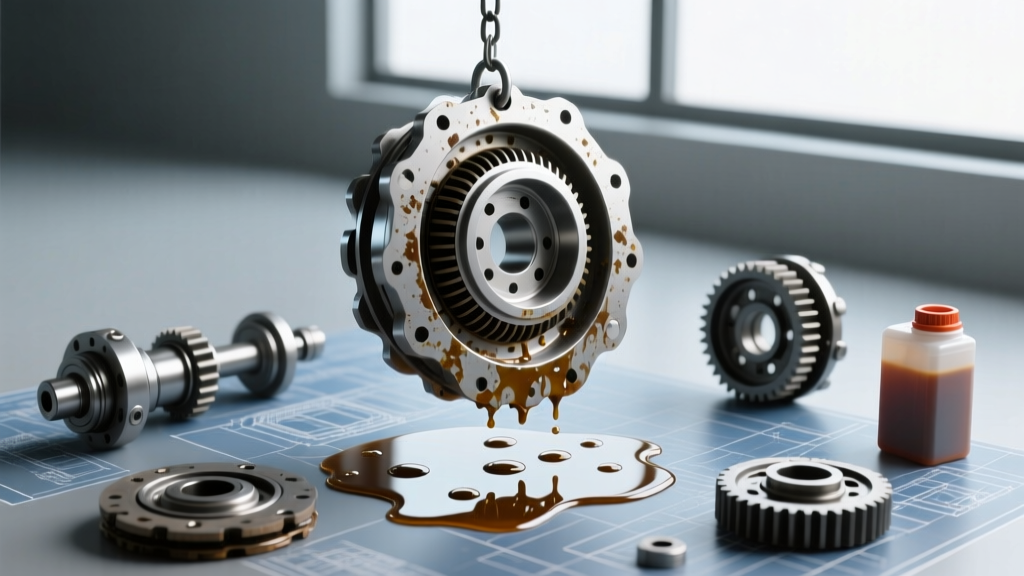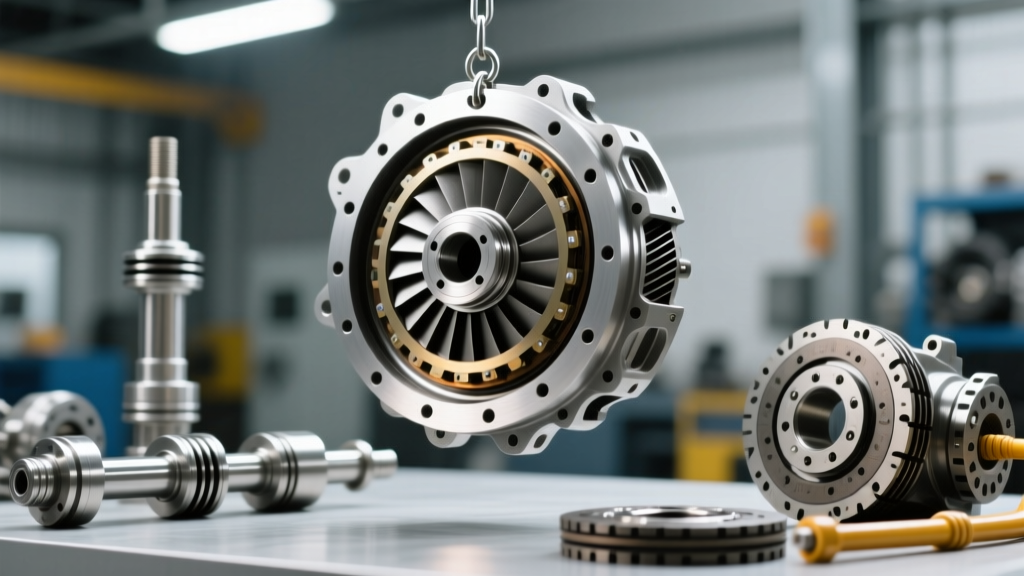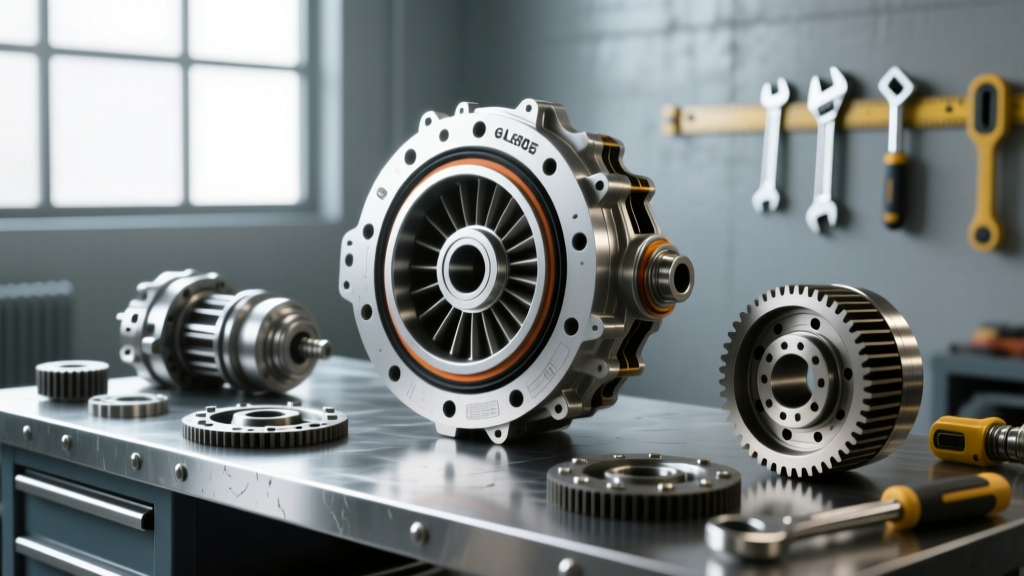
When customers or DIY mechanics ask, do torque converters go bad, the answer is a resounding yes. Unlike simple fluid couplings, modern torque converters are complex, multi-stage hydraulic assemblies containing a lockup clutch, a stator with a one-way roller clutch, and an impeller. In high-torque applications like the GM 6L80E and 6L90 six-speed automatic transmissions—found in millions of Silverados, Tahoes, and Camaros from 2006 through 2020—torque converter failure is a leading cause of drivability complaints and transmission degradation.
This model-specific repair guide details the exact diagnostic markers, removal procedures, and critical relearn protocols required when replacing a failed torque converter in the GM 6L80E platform. Whether you are addressing a catastrophic lockup failure or the infamous 40-50 mph TCC shudder, precision is non-negotiable.
The Core Question: Do Torque Converters Go Bad in the 6L80E?
The 6L80E utilizes a highly regulated, pulse-width modulated (PWM) torque converter clutch (TCC). While this allows for slip-controlled lockup across multiple gears to improve fuel economy, it subjects the TCC friction lining to immense thermal and mechanical stress. Over time, the friction material degrades. When it does, the resulting debris circulates through the transmission, contaminating the valve body solenoids and clogging the lube regulator valve. Therefore, a failing torque converter rarely fails in isolation; it becomes a vector for systemic transmission damage if not addressed promptly.
Model-Specific Failure Modes: GM 6L80E / 6L90
Before unbolting the bellhousing, you must confirm the failure mode. The 6L80E exhibits three primary torque converter failure signatures:
- TCC Shudder (P0741 / P0742): A rhythmic vibration between 40 and 55 mph under light throttle. This indicates the TCC lining has glazed or worn unevenly, preventing smooth PWM slip control.
- Stator One-Way Clutch Failure: Manifests as severe sluggishness off the line and poor low-speed acceleration, while highway cruising remains relatively normal. The stator freewheels in both directions instead of locking to multiply torque.
- Hub Galling and Pump Damage: The converter hub rides on the transmission oil pump bushing. If lubrication is starved or the converter balloons under high boost (common in tuned 6.2L L99/L9H applications), the hub will gall, destroying the pump gear and causing immediate pressure loss.
Expert Diagnostic Tip: Before condemning the torque converter for a shudder, rule out the AFM (Active Fuel Management) V4/V8 transition vibration. Use a bidirectional scan tool to command AFM off during a road test. If the shudder persists with the engine locked in V8 mode, the TCC is your culprit. For deeper hydraulic analysis, consult the Sonnax Technical Resources library on PWM solenoid wear.
Sourcing the Right Unit: OEM vs. Remanufactured
When replacing the unit, stick to OEM or premium remanufactured specifications. The standard OEM replacement for most 2009-2020 6L80E applications is the ACDelco 24283275 (verify against your specific RPO code and VIN). Remanufactured units from reputable builders often include upgraded billet stators and high-energy Kevlar-based TCC linings, which are highly recommended for vehicles subjected to towing or modified engine outputs.
| Parameter | GM 6L80E Specification | Service Notes |
|---|---|---|
| Stall Speed | 1800 - 2100 RPM | Varies slightly by engine (5.3L vs 6.2L) |
| TCC Apply Strategy | Regulated Slip (PWM) | Requires adaptive relearn post-install |
| Fluid Capacity (Total System) | 11.2 Quarts (10.6 Liters) | Use only Dexron VI (GM 88865618) |
| Converter Hub Depth | 1.00 to 1.125 inches recessed | Measured from bellhousing face to hub pad |
| Flexplate Runout (Max) | 0.012 inches | Must check with dial indicator before install |
The 6L80E Torque Converter Replacement Procedure
Replacing the torque converter requires dropping the transmission. However, the success of the repair hinges on what happens after the unit is out of the vehicle. Follow this exact sequence to prevent comebacks.
Phase 1: Extraction and Cooler Decontamination
When a 6L80E torque converter goes bad, it sheds microscopic friction material and metallic debris. If you install a new converter without thoroughly flushing the cooling circuit, the new TCC will fail within 5,000 miles.
- Drain the Converter: Once the transmission is on the bench, stand it upright and drain the torque converter completely via the hub. Measure the volume; it should hold roughly 3 to 4 quarts. A significantly lower volume indicates internal ballooning or severe lining loss.
- Override the Thermal Bypass Valve: The 6L80E cooler lines feature a thermal bypass valve near the transmission case that restricts flow to the radiator cooler until the fluid reaches operating temperature. You must bypass or remove this valve during the flush. Use a dedicated flush machine or a high-volume inline pump with heated Dexron VI to push fluid backward through the cooler circuit until the effluent runs perfectly clear.
- Inspect the Flexplate: Mount a magnetic dial indicator to the engine block and measure the flexplate runout. If it exceeds 0.012 inches, the new torque converter will suffer from warped TCC apply and premature shudder. Replace the flexplate if out of spec.
Phase 2: Seating and Flexplate Mating
The most common mistake during 6L80E reinstallation is failing to fully seat the torque converter into the oil pump. The converter hub must engage three distinct components: the turbine shaft splines, the stator support shaft splines, and finally, the oil pump drive gear flats.
- The Three Drops: As you slide the converter onto the input shaft while rotating it slightly, you must feel and hear three distinct 'drops' or clicks.
- The Depth Check: Once seated, place a straight edge across the bellhousing face. The converter hub mounting pads must sit between 1.00 and 1.125 inches below the bellhousing face. If the pads are flush with the bellhousing, the converter is NOT seated into the pump. Forcing the bellhousing bolts tight in this state will instantly crack the aluminum oil pump housing.
- Fastener Torque Specs: The M10 torque converter-to-flexplate bolts must be torqued to 37 lb-ft plus an additional 50 degrees of rotation. Use a new set of OEM stretch bolts (GM Part No. 11561041) as they are designed for single-use yield. The bellhousing-to-engine block bolts are torqued to 37 lb-ft.
Phase 3: The TCC Relearn and Adaptive Reset
The 6L80E Transmission Control Module (TCM) adapts its line pressure and TCC apply rates based on the wear characteristics of the old converter. Installing a new unit without resetting these values will result in harsh, flaring shifts and immediate TCC shudder.
Using a GM GDS2 or a high-end bidirectional scanner (e.g., Snap-on Zeus, Autel MaxiSys), navigate to the Transmission Control Module and execute the Transmission Adaptive Pressure Learn procedure. This requires driving the vehicle under specific throttle and speed parameters to allow the TCM to re-baseline the PWM solenoid duty cycles against the fresh friction material of the new converter. For ongoing industry standards on electronic recalibration, refer to the Automatic Transmission Rebuilders Association (ATRA) technical bulletins.
2026 Cost Analysis: What Should You Pay?
Pricing for a 6L80E torque converter replacement varies based on the service channel and the extent of collateral damage. Below is a realistic breakdown for the current market:
- Dealership Network: $2,800 - $3,600. Dealerships typically will not replace just the converter; they will mandate a full transmission assembly replacement if excessive debris is found in the pan, driving costs to the higher end.
- Independent Transmission Specialist: $1,800 - $2,400. This includes a premium remanufactured converter, a verified cooler flush, fluid, and the required TCM relearn. Specialists are more likely to perform a pan-drop inspection and valve body cleaning rather than condemning the entire unit.
- DIY / Home Mechanic: $650 - $950. This assumes you already own a transmission jack, a capable bidirectional scanner for the relearn, and the torque-angle tools required for the flexplate bolts. Sourcing an ACDelco OEM replacement directly from an online parts distributor will keep your hard parts cost under $700.
Expert Verdict
So, do torque converters go bad? Absolutely. In the GM 6L80E, they are a wear item subjected to intense thermal cycling and hydraulic shear. However, a torque converter replacement is not merely a 'swap and go' repair. It is a meticulous procedure that demands rigorous cooler decontamination, precise pump seating depth verification, and mandatory electronic adaptive relearns. By adhering to these model-specific protocols, you ensure the new converter operates seamlessly, restoring the drivability and longevity of the 6L80E platform.