The ZF 6HP26 Lineage: Understanding Your 6R80 Transmission
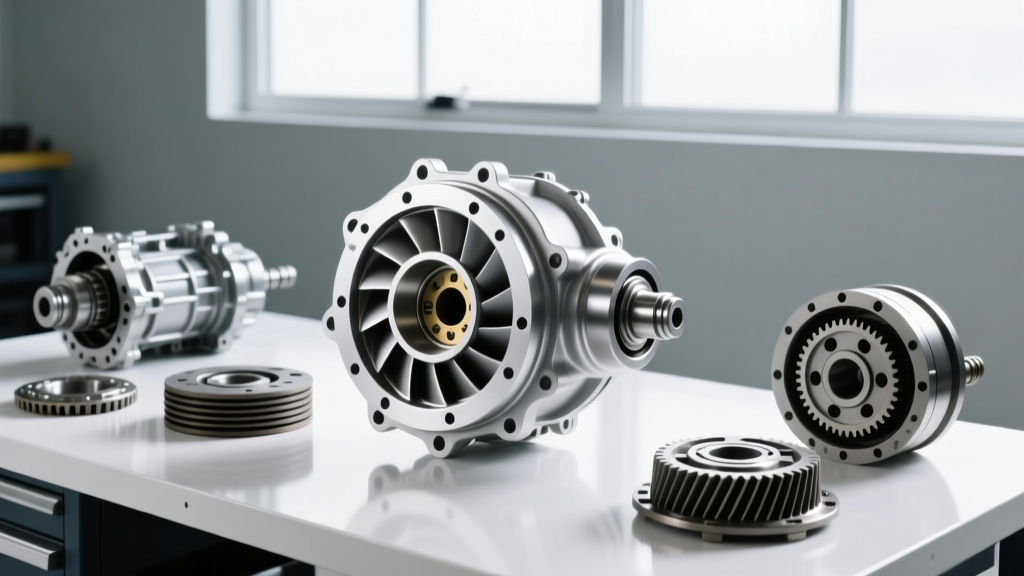
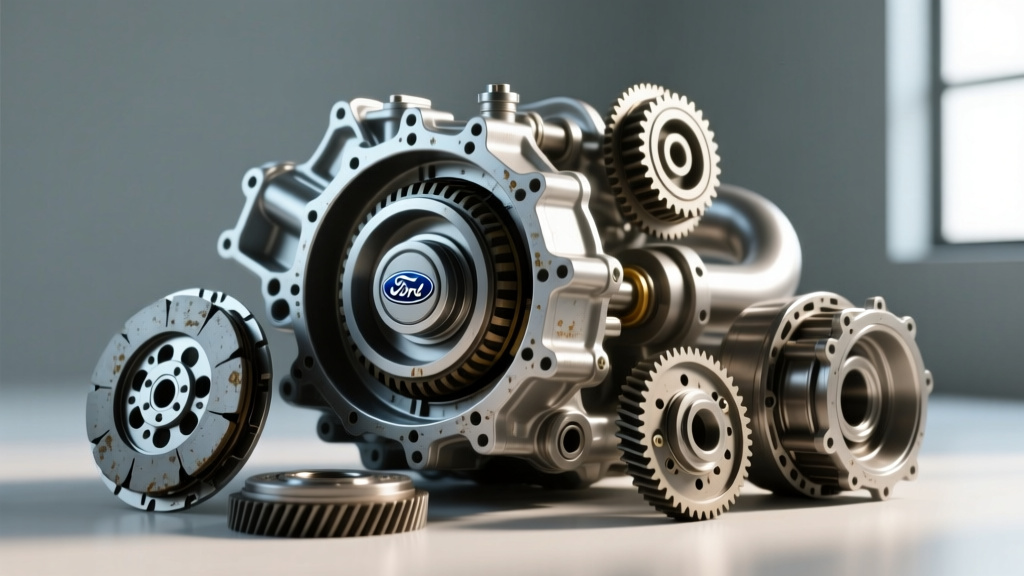
When evaluating the 2010 F150 torque converter market, it is critical to first understand the transmission it bolts up to. The 2010 Ford F-150, whether equipped with the 4.6L 2V, 4.6L 3V, or the 5.4L 3V Triton V8, utilizes the 6R80 six-speed automatic transmission. This unit is not a ground-up Ford design; it is a licensed and heavily modified iteration of the legendary ZF 6HP26. According to ZF Group, the 6HP lineage revolutionized the industry with its Lepelletier gearset, allowing for six forward speeds in a package lighter and more compact than older four-speeds.
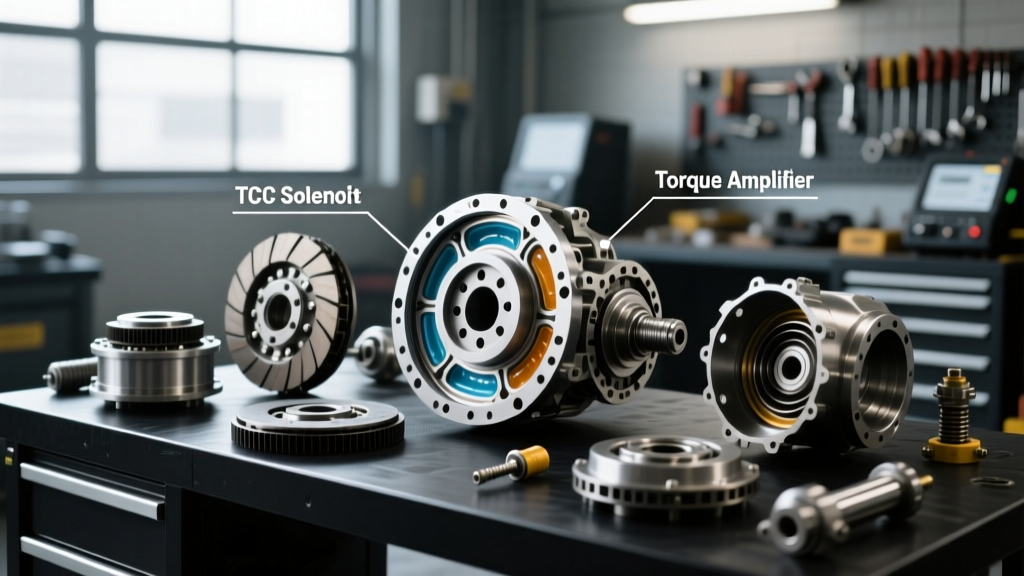
However, the 6R80's torque converter is a known wear item. Unlike older, non-lockup converters that relied entirely on fluid coupling, the 6R80 utilizes an aggressive Torque Converter Clutch (TCC) lockup strategy to maximize fuel economy. This means the internal clutch material is constantly engaging and slipping in micro-increments during higher gears. Over 150,000 miles, this friction material degrades, leading to the infamous F-150 highway shudder, TCC solenoid codes (like P0741), and eventual stator failure.
2026 Cost Analysis: Dealership vs. Independent vs. DIY
Replacing a torque converter is a labor-intensive endeavor. The transmission must be separated from the engine block, meaning the crossmember, exhaust components, and driveshafts must be removed. As we move through 2026, shop rates and parts availability have shifted. Below is a comprehensive breakdown of what you can expect to pay.
Parts Pricing Matrix
Not all torque converters are built equally. The 6R80 requires a unit that can handle the specific stall speed and lockup friction profiles dictated by the Ford PCM.
- OEM Remanufactured (Motorcraft): $380 - $520. Sourced directly from Ford Parts Catalog, these are factory-spec remanufactured units. They are reliable for daily driving but retain the original friction material limitations.
- Aftermarket Remanufactured (YSP, FLT): $300 - $450. These are budget-friendly options often found on RockAuto or local parts stores. Quality control can vary wildly regarding internal bushing clearances.
- Billet / Performance Upgrades (Circle D, Precision): $650 - $950. These feature billet steel covers, upgraded stators, and Kevlar-infused TCC clutch linings. Highly recommended if you tow heavy trailers or have tuned your 5.4L V8.
Labor Rates and Book Time Realities
The standard book time for removing and replacing a 6R80 transmission to swap a torque converter on a 4x4 2010 F-150 is approximately 7.2 to 8.5 hours. In 2026, the national average independent shop rate hovers between $145 and $185 per hour, while dealerships frequently charge $195 to $235 per hour.
| Repair Facility Type | Estimated Parts Cost | Estimated Labor Cost | Fluid & Misc. | Total 2026 Estimate |
|---|---|---|---|---|
| Franchised Ford Dealership | $480 (OEM) | $1,650 (8.5 hrs @ $195/hr) | $220 | $2,350 - $2,600 |
| Independent Transmission Shop | $400 (Reman) | $1,160 (8.0 hrs @ $145/hr) | $180 | $1,500 - $1,850 |
| DIY Home Mechanic | $450 (Upgraded) | $0 (Sweat Equity) | $160 | $550 - $650 |
Diagnosing TCC Shudder vs. Catastrophic Stator Failure
Before authorizing a $2,000 repair, you must confirm the torque converter is actually the culprit. The Ford Motor Company Support archives note that 6R80 shudder is frequently misdiagnosed as a misfire or a bad spark plug.
The Shudder Test: Drive the truck at 50-60 mph in 6th gear with light throttle. If you feel a vibration resembling driving over highway rumble strips, gently tap the brake pedal while maintaining throttle. If the shudder instantly disappears, the TCC is unlocking, confirming the torque converter clutch is slipping and failing to maintain lockup.
Scanner Data: Using an advanced OBD2 scanner, monitor the 'TCC Slip RPM' PID. Under steady highway cruising, slip should be between 0 and 20 RPM. If you see slip fluctuating wildly between 40 and 150 RPM, the friction material is glazed or worn.
Stator Failure: If the truck feels incredibly sluggish off the line, struggles to climb hills, and the transmission fluid smells severely burnt, the internal stator one-way clutch has likely seized or freewheeled. This requires immediate replacement, as it will rapidly overheat and destroy the transmission fluid.
Critical Technical Specifications and Torque Values
For the DIY mechanic or the shop technician verifying procedures, precision is mandatory. The 6R80 is highly sensitive to assembly clearances and fluid specifications.
Fluid Capacity and Requirements
WARNING: The 6R80 valve body and mechatronic unit are engineered exclusively for MERCON LV (Ford specification WSS-M2C938-A). Using older MERCON V or generic 'multi-vehicle' fluids will cause immediate TCC solenoid binding and valve body cross-leaking.
- Total Dry Fill Capacity: 13.1 Quarts (12.4 Liters)
- Pan Drop and TC Drain Capacity: 10.5 to 11.5 Quarts
- Fluid Check Procedure: Must be checked with the vehicle running, transmission in Park, and fluid temperature exactly between 185°F and 200°F (85°C - 93°C) using the transmission fluid temperature PID on a scan tool.
Assembly Torque Specifications
- Torque Converter to Flexplate Bolts: The 6R80 uses four M8 x 1.0 bolts. These are one-time-use stretch bolts. Do not reuse them. Torque to 18 lb-ft (25 Nm). Apply a medium-strength threadlocker if non-OEM bolts are substituted.
- Bellhousing to Engine Block Bolts: M12 bolts torque to 35 lb-ft (47 Nm). M10 bolts torque to 22 lb-ft (30 Nm).
- Transmission Crossmember to Frame: 76 lb-ft (103 Nm).
- Driveshaft to Rear Differential Flange: 15 lb-ft (20 Nm) plus an additional 60-degree turn (yield bolts).
The Flush Debate: Protecting the 6R80 Valve Body
A common point of failure during a torque converter swap is improper fluid exchange. Many quick-lube shops use high-pressure flush machines. Never use a pressurized flush machine on a 6R80. The ZF-designed mechatronic unit contains microscopic valves and delicate solenoid screens. High-pressure flushing can dislodge clutch debris from the cooler lines and force it directly into the valve body, causing a P0733 (Gear 3 Incorrect Ratio) or P0735 code immediately after the repair.
Instead, opt for a 'fluid exchange' method utilizing the transmission's own internal pump, or simply perform a pan drop, replace the internal filter (which is integrated into the pan gasket seal on some 6R80 variants, or a separate drop-in filter on others depending on the exact build date), and drain the torque converter via the plug if equipped. Most 2010 remanufactured converters arrive pre-filled with a storage fluid that must be accounted for during the final top-off.
Economic Decision Framework: Swap or Rebuild?
How do you decide if you should just replace the 2010 F150 torque converter, or if the entire 6R80 needs a rebuild?
Scenario A: The Isolated Shudder. The truck has 140,000 miles, shifts perfectly through all six gears, but has the highway TCC shudder. You pull the pan, and the fluid is dark but free of metallic glitter. Verdict: Replace the torque converter, flush the cooler lines, and refill with MERCON LV. This is a highly cost-effective repair.
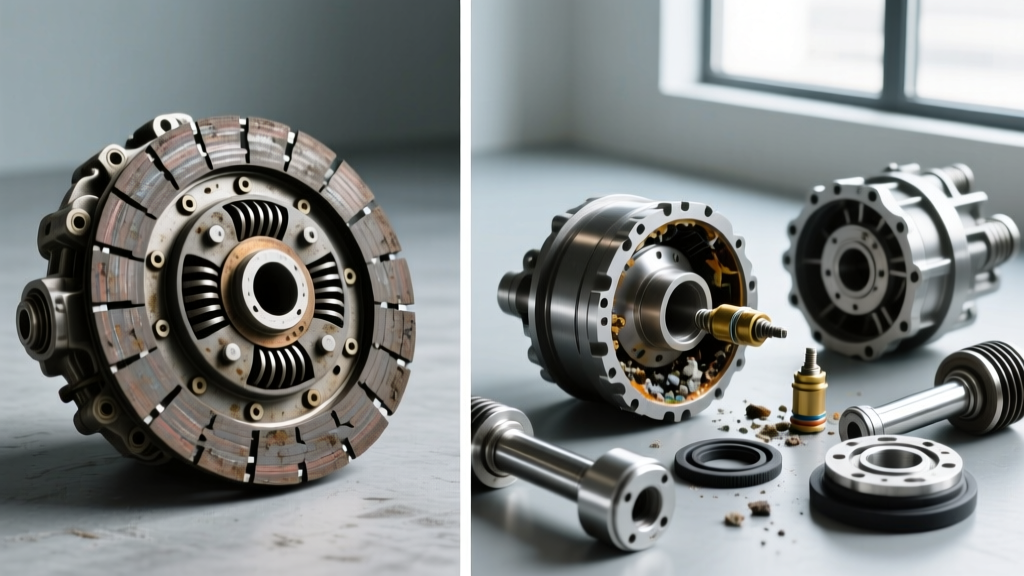
Scenario B: The Contaminated System. The truck has a shudder, but you also notice a delayed 2-3 shift or a flaring 4-5 shift. You drop the pan and find brass shavings (indicating worn internal bushings) or excessive friction material debris. Verdict: Do not just swap the converter. The internal transmission clutches are failing and sending debris into the converter. If you install a new $500 torque converter without rebuilding the transmission, the metal debris trapped in the transmission cooler will circulate and destroy your new converter within 500 miles. A full 6R80 rebuild (typically $3,200 - $4,500 in 2026) is required.
By understanding the mechanical lineage of the ZF 6HP26, adhering to strict MERCON LV fluid protocols, and accurately diagnosing TCC slip via OBD2 data, you can navigate the 2010 F150 torque converter replacement process with confidence and financial clarity.