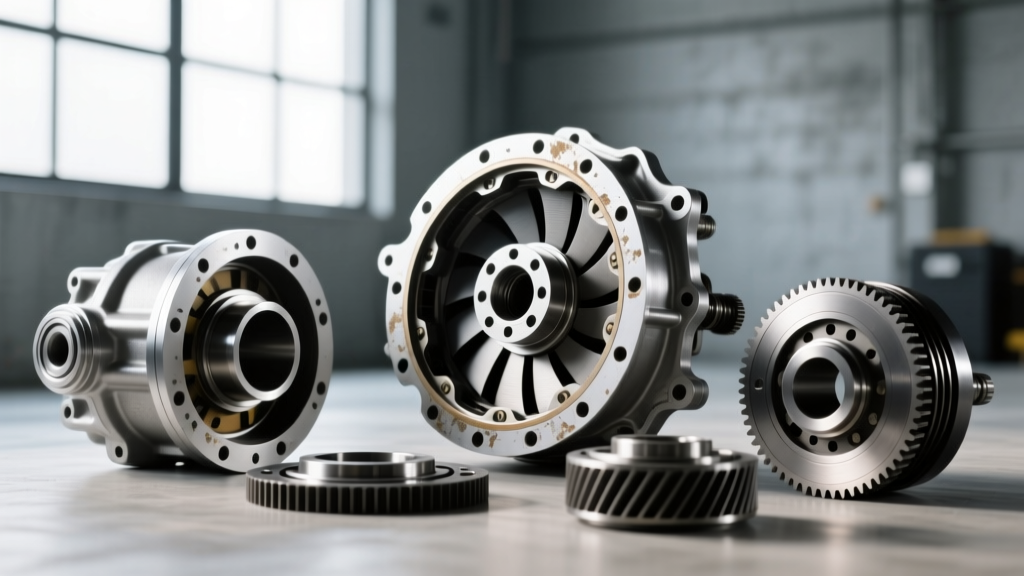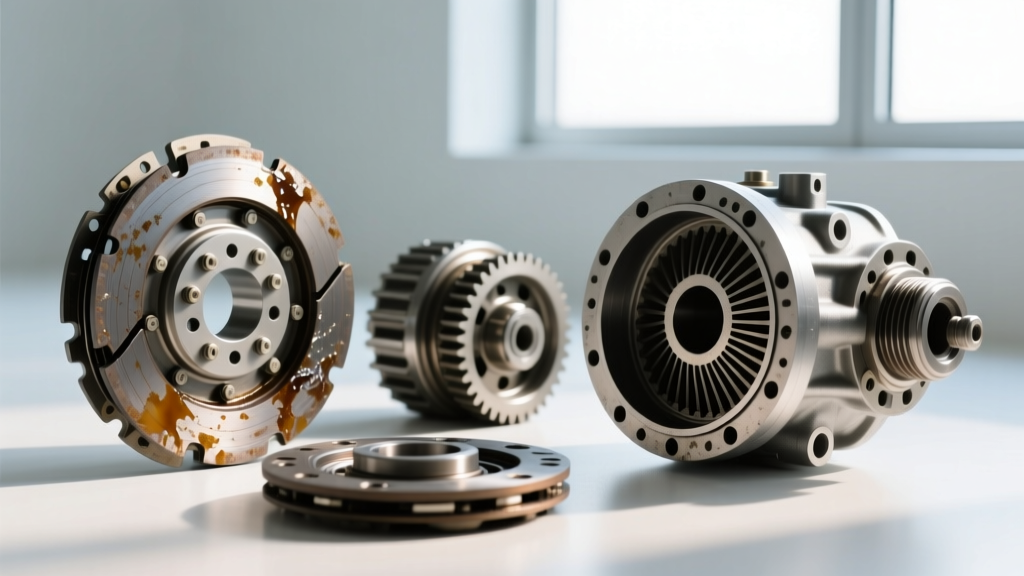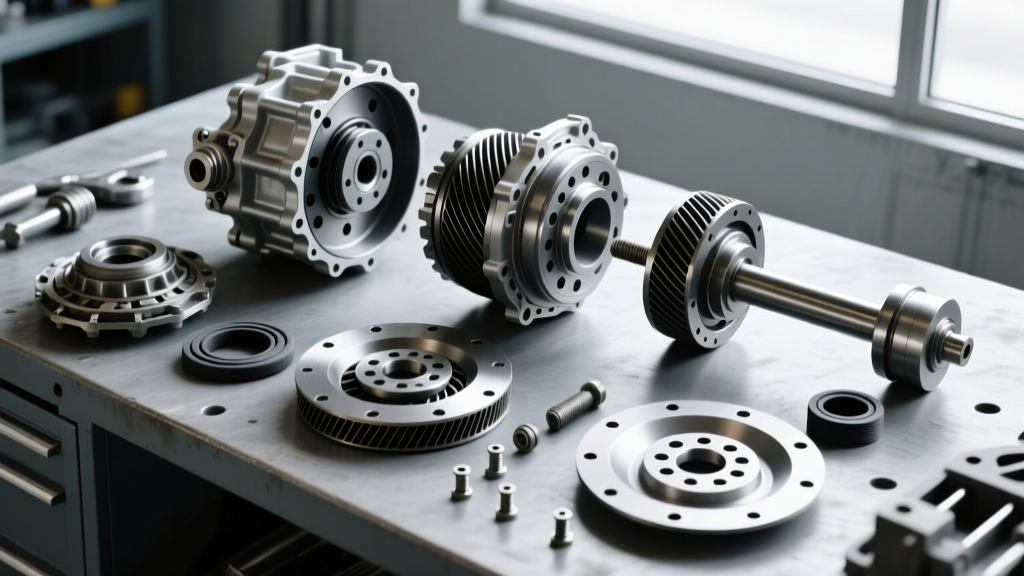
The GM 6L80/6L90 Torque Converter Shudder Epidemic
If you own a 2015–2023 GM truck or SUV equipped with a 5.3L or 6.2L V8 and the 6L80 or 6L90 automatic transmission, you are likely familiar with the infamous "torque converter shudder." This vibration, typically felt between 45 and 60 mph under light throttle, is caused by the degradation of the torque converter clutch (TCC) friction material and the breakdown of the transmission fluid's friction modifiers. While manual transmission vehicles use a traditional heavy flywheel, automatic trucks utilize a stamped steel flexplate. However, because the search intent behind a flywheel and torque converter replacement often overlaps, this guide addresses the flexplate-to-TC mating surface, runout issues, and the combined replacement cost for the GM 6L80/6L90 platforms in 2026.
The introduction of Active Fuel Management (AFM) and Dynamic Fuel Management (DFM) cylinder deactivation creates severe harmonic vibrations. Over time, these harmonics can cause the flexplate to warp or develop micro-fractures around the crankshaft bolt holes. When replacing a failed torque converter on a high-mileage Gen V LT engine, inspecting and potentially replacing the flexplate is mandatory to prevent premature wear on the new TC's internal stator bearing and TCC apply piston.
2026 Parts Cost Breakdown: Flywheel and Torque Converter Components
Pricing for OEM and high-quality aftermarket drivetrain components has stabilized in 2026, though supply chain nuances still affect regional dealership markups. Below is the realistic parts cost breakdown for a complete 6L80 torque converter and flexplate (flywheel) replacement job. Data is aggregated from current RockAuto Parts Catalog listings and ACDelco OEM Parts MSRP averages.
| Component | Brand / Type | Part Number | 2026 Est. Cost |
|---|---|---|---|
| Flexplate (Flywheel) | GM Genuine OEM | 12620041 | $145 - $185 |
| Torque Converter (Reman) | ACDelco / Sonnax | 24276354 | $380 - $480 |
| Transmission Fluid (12 qts) | ACDelco Dexron VI | 10-9395 | $90 - $115 |
| Rear Main Seal | GM Genuine | 12609350 | $25 - $40 |
| TC-to-Flexplate Bolts (Qty 3) | GM Hardware Kit | 11569956 | $12 - $18 |
| Transmission Filter Kit | ACDelco | 24236933 | $35 - $50 |
Note: Total parts cost typically ranges from $687 to $888. Avoid ultra-cheap, no-name aftermarket torque converters. According to Sonnax Technical Resources, poorly balanced remanufactured converters can introduce harmonic imbalances that mimic flexplate runout, destroying the transmission oil pump gear within 5,000 miles.
Labor Costs and Shop Realities
Replacing the torque converter and flexplate requires removing the transmission. For 4WD Silverado, Sierra, and Tahoe models, this involves dropping the transfer case, rear driveshaft, crossmember, and unbolting the exhaust hangers.
- Book Time (R&R Transmission & TC): 6.8 to 8.2 hours depending on 2WD vs. 4WD and cab configuration.
- Flexplate Replacement Add-on: +0.5 hours (once the trans is out, the flexplate is exposed).
- 2026 Average Shop Rate: $165 to $225 per hour.
Expect total labor costs to range between $1,200 and $1,850. Combined with parts, a comprehensive dealership or specialist repair will invoice between $1,900 and $2,750. Independent transmission shops often provide better pricing and are more likely to use upgraded Sonnax valve body kits alongside the new TC to address the root cause of the TCC slip.
Diagnostics: TCC Slip vs. Flexplate Runout
Before authorizing a teardown, a proper diagnosis is required to ensure the shudder isn't stemming from a failing crankshaft harmonic balancer or a software mapping issue.
Scan Tool Data (TCC Slip RPM)
Using a bidirectional scan tool, monitor the TCC Slip Speed PID while driving at 55 mph in 6th gear with the torque converter commanded to lock. Normal slip should be between 10 and 30 RPM. If actual slip fluctuates wildly or exceeds 100 RPM under light throttle, the TCC friction lining is glazed or the TCC control valve in the valve body is worn.
Flexplate Runout Testing
Once the transmission and torque converter are removed, mount a magnetic dial indicator to the engine block and rest the probe on the flexplate's torque converter mounting pad. Rotate the crankshaft 360 degrees. Maximum allowable runout is 0.020 inches (0.50 mm). If runout exceeds this specification, the new torque converter will be subjected to cyclical side-loading, leading to premature stator bearing failure and renewed shudder complaints.
Critical Torque Specs & Assembly Sequence
Proper fastener management is where general mechanics fail and transmission specialists succeed. The Gen V LT (5.3L/6.2L) engine family requires specific torque-to-yield procedures for the flexplate-to-crankshaft interface.
- Flexplate to Crankshaft (M10 Bolts): Pass 1: 15 lb-ft (20 Nm). Pass 2: Tighten an additional 90 degrees. Do not reuse these bolts.
- Torque Converter to Flexplate (M10x1.5 Bolts): 33 lb-ft (45 Nm). Apply medium-strength threadlocker (e.g., Loctite 243) to the threads. Ensure the TC is fully seated against the flexplate without pulling it forward with the bolts, which will crack the TC housing.
- Transmission to Engine Block: M12 bolts to 37 lb-ft (50 Nm); M10 bolts to 18 lb-ft (25 Nm).
- Exhaust Manifold to Head (if removed for clearance): 15 lb-ft (20 Nm).
Expert Warning: Never use Dexron ULV (Ultra Low Viscosity) fluid in a 6L80 or 6L90 transmission. ULV is strictly for GM's 8-speed and 10-speed platforms. Using ULV in a 6L80 will result in inadequate hydraulic pressure, immediate TCC slip, and catastrophic failure. Always use Dexron VI.
The Mandatory TCC Adapt Relearn Procedure
In modern GM trucks, the Transmission Control Module (TCM) adapts to the wear patterns of the old torque converter clutch. If you install a new torque converter and flexplate without resetting these adapt values, the TCM will apply the new TCC using the aggressive pressure curves meant for the old, worn-out clutch. This results in harsh engagements, banging shifts, and rapid degradation of the new friction material.
After reassembly and filling with exactly 11.5 to 12 quarts of Dexron VI (verified at the dipstick or level plug at operating temperature of 180°F–200°F), you must use a GM GDS2 tool or an advanced aftermarket tablet (like an Autel MaxiSys or Snap-on Zeus) to perform the TCC Adapt Reset and Shift Adapt Relearn. Drive the vehicle through all gears with light, medium, and heavy throttle applications for at least 20 miles to allow the TCM to map the new hydraulic volume characteristics of the fresh torque converter.