The Anatomy of Torque Converter Shudder: OEM Flaws vs. Billet Upgrades
Torque converter shudder is one of the most pervasive and misunderstood drivability complaints in modern automatic transmissions. Unlike a hard mechanical failure, shudder manifests as a harmonic resonance—often described as driving over rumble strips—typically occurring between 30 and 50 mph in higher gears (4th through 8th). This phenomenon is directly tied to the Torque Converter Clutch (TCC) apply strategy. To meet stringent CAFE fuel economy standards, manufacturers like GM (with the 6L80, 6L90, and 8L90) and Ford (10R80) program the Transmission Control Module (TCM) to apply the TCC at very low RPMs and maintain a micro-slip of 20 to 40 RPM. When the friction material glazes, the fluid loses its frictional modifiers, or the converter cover flexes, this micro-slip degrades into a violent slip-grab cycle.
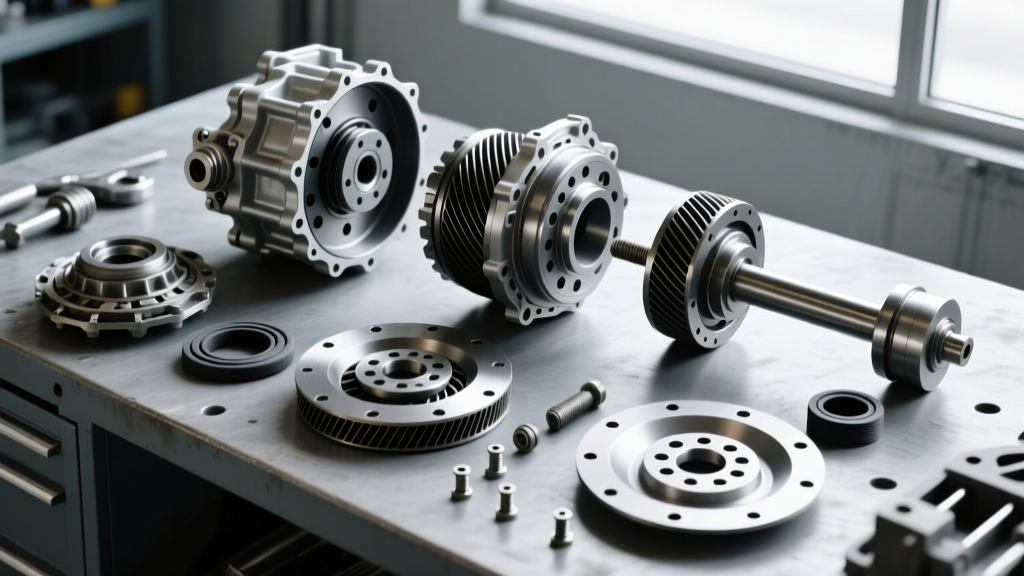
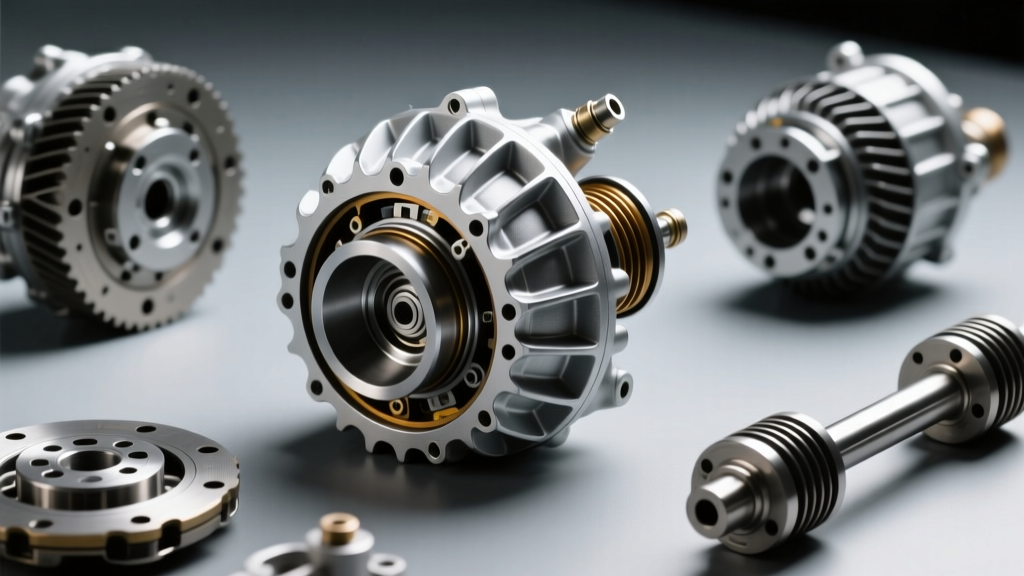
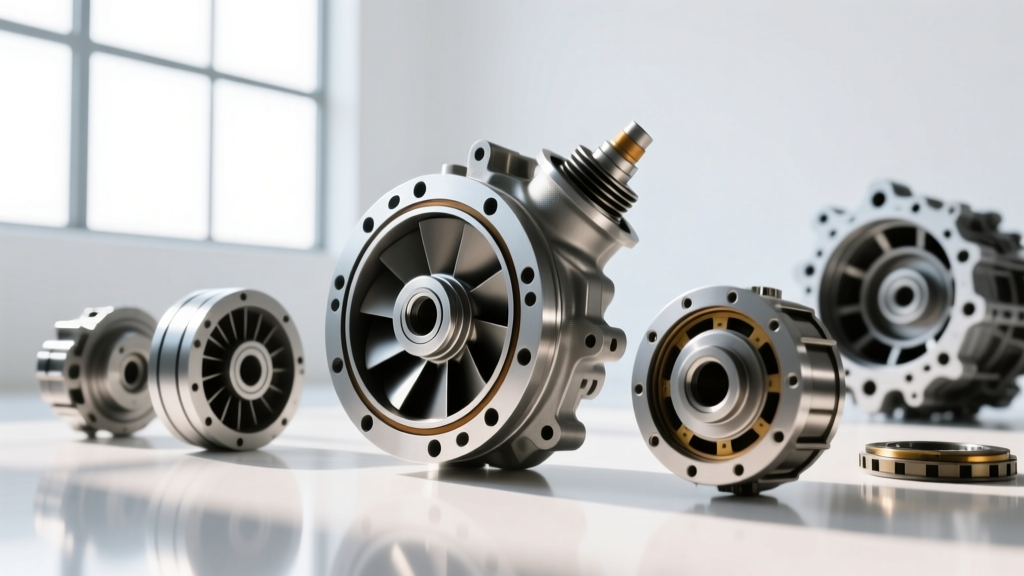
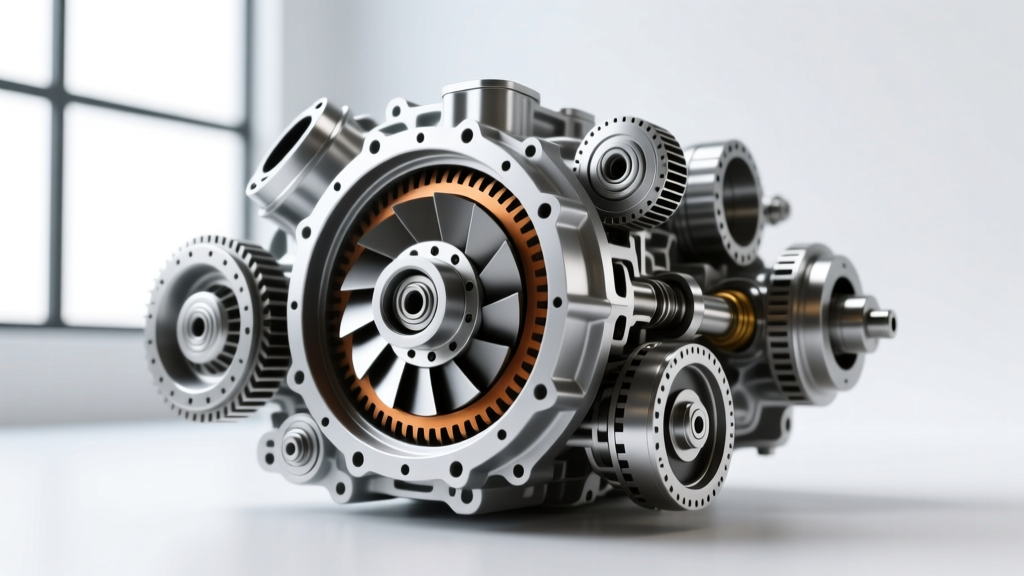
While OEM stamped-steel converters are highly susceptible to this flex and subsequent thermal warping, aftermarket solutions like FTI torque converters utilize CNC-machined billet steel covers. These rigid housings eliminate the microscopic flex that causes uneven TCC apply, making them a premier preventive upgrade for tuned, towing, or high-mileage applications suffering from chronic shudder.
Step-by-Step Shudder Diagnosis: Isolating the TCC Apply Circuit
Before condemning the torque converter or ordering a replacement, a rigorous diagnostic protocol must be followed to rule out valve body wear, solenoid fatigue, and fluid degradation.
1. Scan Tool PID Verification
Connect a bi-directional scan tool (such as a GM Tech 2, Autel MaxiSys, or HP Tuners MPVI3) and monitor the following Parameter Identifiers (PIDs) during a road test:
- Transmission Fluid Temperature (TFT): The TCM will not command TCC apply until the fluid reaches a specific threshold, usually 120°F (49°C). If shudder occurs when the transmission is cold, you are likely diagnosing a mechanical engine misfire or driveline U-joint issue, not TCC shudder.
- TCC Solenoid Duty Cycle (%): Observe the Pulse Width Modulation (PWM) command. During the shudder event, the duty cycle should be steady or smoothly transitioning. Erratic jumping indicates an electrical fault or a sticking TCC regulator valve.
- TCC Slip Speed (RPM): Calculate the difference between Engine RPM and Transmission Input Shaft Speed. A healthy locked converter shows 0 to 10 RPM of slip. If you see slip oscillating wildly between -50 and +80 RPM during the shudder event, the friction surface is failing or hydraulic pressure is bleeding off.
2. Oscilloscope Testing for PWM Solenoids
If the scan tool data is inconclusive, back-probe the TCC PWM solenoid wiring at the transmission pass-through connector using a digital storage oscilloscope. A healthy solenoid will display crisp, square-wave voltage patterns. Rounded edges, voltage spikes, or inconsistent frequency modulation point to a failing solenoid coil or high resistance in the wiring harness, which can mimic converter shudder by rapidly pulsing the hydraulic apply pressure.
Preventive Maintenance: Fluid Tribology and Thermal Cycles
The lifeblood of the TCC apply circuit is the automatic transmission fluid (ATF). Modern low-viscosity fluids like Dexron ULV (Ultra Low Viscosity) are engineered for rapid solenoid response and parasitic drag reduction, but they are highly sensitive to thermal breakdown and shear.
Fluid Chemistry and Additives
When ATF oxidizes, it loses the complex friction modifiers required to cushion the TCC apply. For vehicles exhibiting early-stage shudder, a fluid exchange combined with a friction modifier is the first line of defense. Products like LUBEGARD Instant Shudder Fixx contain concentrated polyol esters that immediately restore the frictional coefficient of the clutch lining, often curing mild shudder within 10 miles of driving.
For long-term preventive maintenance, especially in vehicles subjected to towing or track use, upgrading to a high-quality synthetic ATF with a robust Viscosity Index (VI) improver package is critical. Synthetic fluids maintain their shear stability at the 220°F+ temperatures generated in the TCC slip phase, preventing the varnish buildup that clogs the 0.125-inch orifices in the valve body separator plate.
Data Comparison: OEM Shudder-Prone Converters vs. FTI Performance Solutions
When preventive fluid maintenance fails, or when the vehicle's torque output exceeds the OEM clutch capacity, upgrading the hardware is mandatory. The table below contrasts the engineering limitations of the OEM GM 8L90/6L80 converters with the design parameters of FTI billet units.
| Engineering Feature | OEM 6L80 / 8L90 Converter | FTI Billet Performance Converter |
|---|---|---|
| Cover Material | Stamped Steel (Prone to flex) | CNC Billet Steel (Zero flex) |
| TCC Friction Lining | Standard Carbon-impregnated Paper | Kevlar / High-Friction Carbon Matrix |
| Stator Design | Cast Aluminum (Efficiency drop-off) | Billet Steel Stator (Optimized fluid routing) |
| Shudder Susceptibility | High (After 60k-80k miles) | Negligible (Rigid apply surface) |
| Max Torque Capacity | ~450 lb-ft (Engine Crank) | 800 - 1,200+ lb-ft (Model Dependent) |
Corrective Action Plan: From Valve Body Fixes to Billet Upgrades
If diagnostics confirm hydraulic bleed-off or mechanical converter failure, the repair strategy must address the root cause to prevent the new unit from suffering the same fate.
Valve Body and Solenoid Remediation
According to technical bulletins from Sonnax, chronic TCC shudder in GM 6-speed and 8-speed transmissions is frequently exacerbated by wear in the TCC regulator valve bore within the valve body. When the aluminum bore wears, PWM line pressure bleeds past the valve spool, resulting in insufficient clamping force on the TCC. Before installing a new torque converter, it is highly recommended to install a Sonnax TCC regulator valve kit with a hardened steel sleeve and annular grooves to restore hydraulic integrity and guarantee steady apply pressure.
Installing FTI Torque Converters: Specs and Torque Values
When replacing the unit with an FTI torque converter, precision during installation is non-negotiable. Improper seating or incorrect torque will destroy the transmission oil pump gear and induce immediate vibration.
- Converter Seating: Measure the distance from the bellhousing mounting pad to the converter pilot hub. It must sit a minimum of 1/8-inch to 3/16-inch below the bellhousing surface to ensure full engagement with the oil pump drive gear.
- Flexplate to Converter Bolts: Use new Grade 10.9 or OEM equivalent M10x1.5 bolts. Apply one drop of Loctite 243 (medium strength, oil tolerant) to the threads. Torque to 37 lb-ft (50 Nm) in a star pattern.
- Bellhousing to Engine Block: Torque the M12 bellhousing bolts to 37 lb-ft to prevent case distortion, which can bind the stator support tube.
- Cooler Line Fittings: Torque the transmission cooler line fittings to 18 lb-ft. Over-torquing these aluminum threads will crack the transmission case.
2026 Cost and Labor Matrix for Shudder Remediation
Budgeting for TCC shudder repairs requires understanding the tiered approach to diagnostics and parts replacement. Below is an estimated cost matrix based on current independent shop labor rates ($120-$160/hour).
| Service Level | Parts & Materials | Estimated Labor | Total Cost Range |
|---|---|---|---|
| Level 1: Diagnostic Flush & Additive | $80 - $120 (Synthetic ATF + Modifier) | $100 - $150 (1 Hour) | $180 - $270 |
| Level 2: TCC Solenoid & Valve Body Kit | $150 - $250 (Solenoid + Sonnax Kit) | $400 - $600 (Pan Drop & VB R&R) | $550 - $850 |
| Level 3: FTI Billet Converter Install | $750 - $1,100 (FTI Unit + Fluid + Seals) | $800 - $1,200 (Trans R&R, 6-8 Hours) | $1,550 - $2,300 |
By combining rigorous oscilloscope diagnostics, targeted valve body upgrades, and the structural superiority of FTI billet torque converters, technicians and enthusiasts can permanently eliminate TCC shudder. Preventive maintenance through strict fluid interval adherence and thermal management remains the most cost-effective strategy to preserve the microscopic tolerances of modern lockup clutch systems.