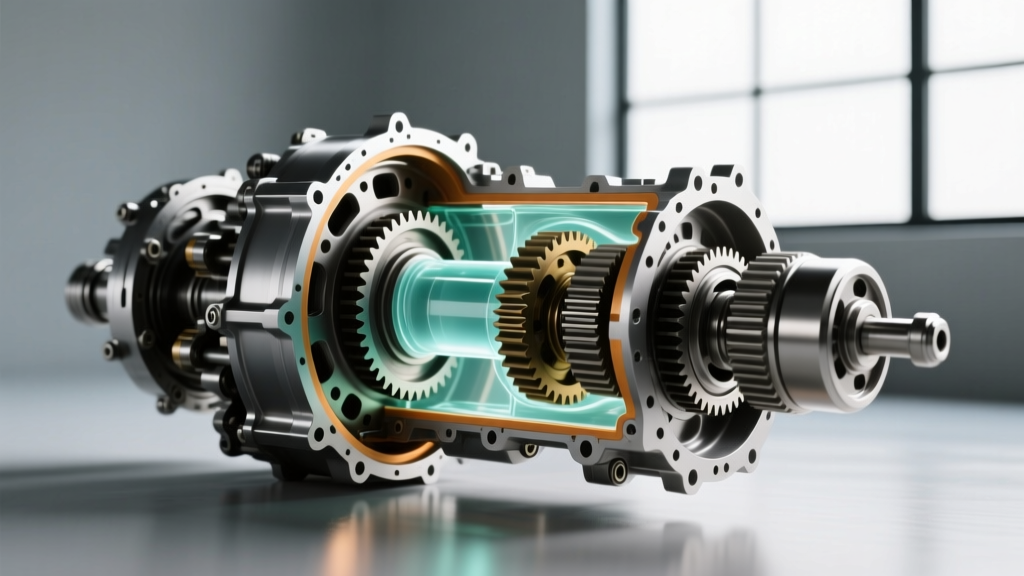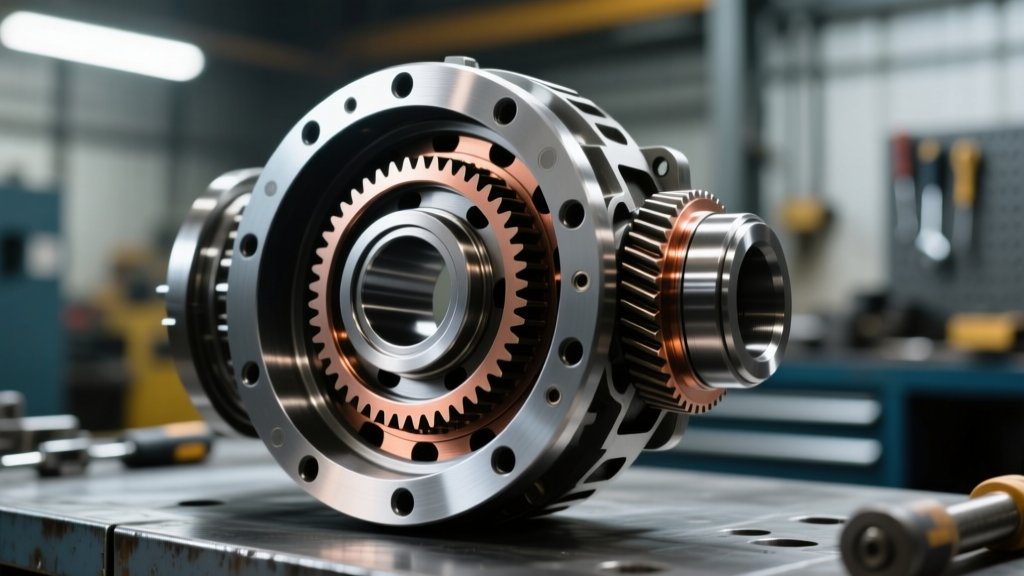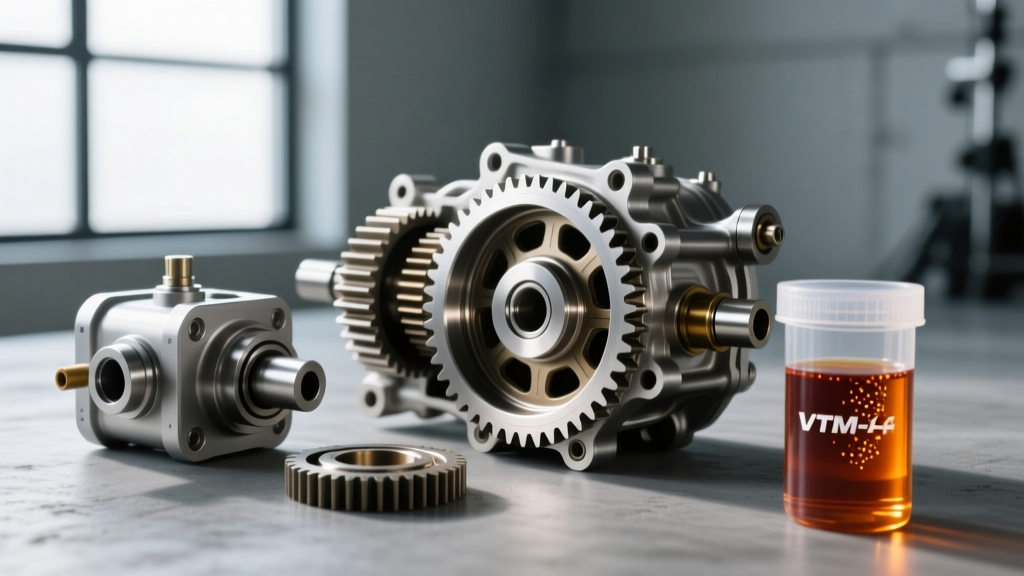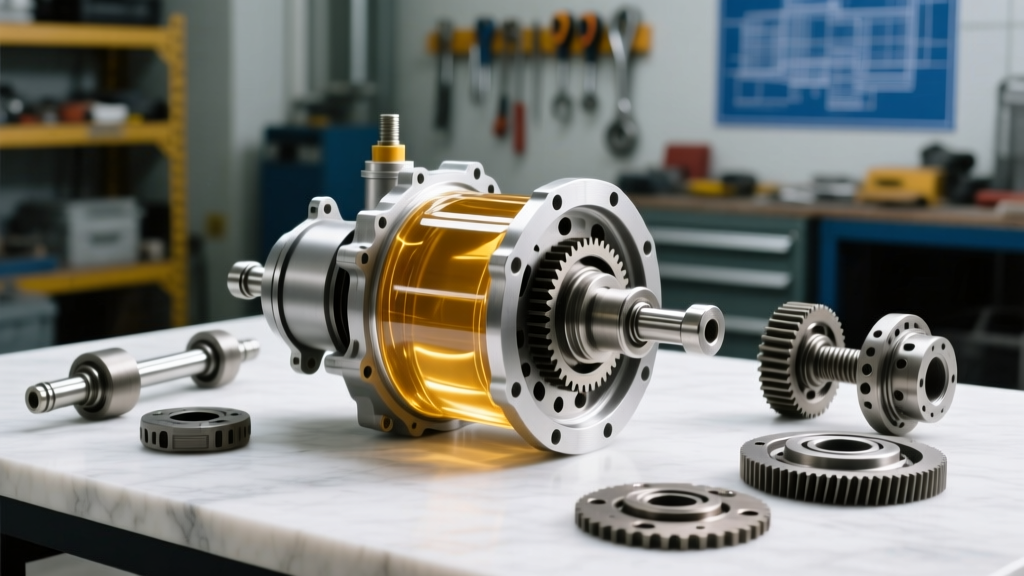
The front differential in modern all-wheel-drive (AWD) and four-wheel-drive (4WD) vehicles is a marvel of compact engineering, yet it remains one of the most neglected drivetrain components. While rear differentials often receive scheduled maintenance, the front unit—frequently integrated into or bolted directly to the transmission bell housing in transverse AWD systems, or suspended as an independent unit in solid-axle 4x4s—is routinely ignored until a problem arises. When isolating the exact noise differential components emit under load, many owners panic, assuming a catastrophic ring and pinion failure. However, in a significant percentage of cases, the root cause is severely degraded gear oil.
In this comprehensive 2026 cost analysis and service guide, we break down the exact pricing of front differential fluid services, compare dealership versus independent shop rates, and provide a deep-dive diagnostic framework to determine if your front differential noise requires a simple fluid swap or a complete rebuild.
The True Cost of Front Differential Service in 2026
Understanding the financial landscape of drivetrain maintenance is critical for budgeting. Front differentials generally hold less fluid than their rear counterparts—typically between 1.0 and 1.5 quarts (0.9 to 1.4 liters). This lower capacity makes the DIY route highly cost-effective, though labor rates at professional shops have climbed in 2026 due to increased shop overhead and technician shortages.
Service Tier Cost Comparison
| Service Tier | Fluid Cost | Labor / Misc Cost | Estimated Total | Warranty Coverage |
|---|---|---|---|---|
| DIY (Synthetic 75W-90) | $15 - $28 | $5 - $12 (Crush Washers) | $20 - $40 | None (Self-performed) |
| Independent Drivetrain Shop | $20 - $35 | $85 - $140 (0.5 - 0.8 hrs) | $105 - $175 | 90 Days / 4,000 Miles |
| OEM Dealership | $30 - $50 (OEM Branded) | $130 - $210 (0.6 - 1.0 hrs) | $160 - $260 | 12 Months / 12,000 Miles |
Note: Pricing reflects national averages for standard light-duty trucks and crossovers (e.g., Subaru Outback, Toyota Tacoma, Ford F-150). Heavy-duty applications or vehicles requiring specialized OEM fluids (like Honda Dual Pump Fluid) will skew 20-30% higher.
Fluid Specifications and the Chemistry of Wear
When diagnosing front differential noise, the chemical state of the gear oil is your first clue. Most front differentials utilize hypoid gear sets, which require API GL-5 rated lubricants. GL-5 fluids contain high levels of Extreme Pressure (EP) additives, typically sulfur-phosphorus compounds, designed to prevent metal-to-metal contact under the extreme sliding forces of hypoid teeth.
According to tribology data discussed by experts at Bob Is The Oil Guy, EP additives deplete over time due to thermal cycling and sheer stress. Once depleted, the gear oil loses its load-bearing capability, leading to micro-pitting on the ring and pinion gears. This micro-pitting manifests as a high-pitched whine during deceleration or coasting.
Popular 2026 Fluid Options and Pricing
- Mobil 1 Synthetic Gear Lube 75W-90: ~$12.50/quart. A staple for general AWD applications. Excellent shear stability.
- AMSOIL Severe Gear 75W-90: ~$19.99/quart. Premium synthetic with robust friction modifiers. Ideal for off-road 4x4s and towing. (Available via AMSOIL direct).
- Red Line 75W90 NS (Non-Slippery): ~$24.00/quart. Specifically formulated for front differentials that share fluid with manual transmissions or require specific synchronizer compatibility.
- OEM Specific (e.g., Subaru Extra-XT 75W-90): ~$16.00/quart. Mandatory for certain active-torque-split AWD systems to prevent clutch-pack chatter.
Diagnosing the Noise: Is a Fluid Change Enough?
Before spending money on a service or a rebuild, you must accurately diagnose the front differential noise. Not all whines and clunks originate from the ring and pinion. Use this diagnostic matrix to isolate the fault:
1. Coast vs. Drive Whine
If the noise occurs only when you lift off the throttle (coast mode), the drive side of the ring and pinion gears is likely worn, or the pinion bearing preload has relaxed. If the noise is present under acceleration (drive mode), the coast side of the gears is the culprit. A fluid change will not fix physical gear wear, but it may quiet the noise temporarily by increasing the fluid's damping viscosity.
2. Turning Chatter and Binding
If your 4WD or AWD vehicle shudders or chirps during tight, low-speed turns, the issue is often degraded limited-slip differential (LSD) friction modifiers. Many modern front differentials (like those in the Ford F-150 Tremor or Toyota TRD Pro) utilize helical or clutch-based LSDs. If the friction modifiers in the GL-5 fluid break down, the clutches bind instead of slipping smoothly. Adding a $9 bottle of Motorcraft XL-3 or AMSOIL Slip-Lock friction modifier during your fluid service often cures this instantly.
3. Clicking on Acceleration
A rhythmic clicking that speeds up with vehicle velocity is rarely the differential itself. This is the hallmark of a worn outer Constant Velocity (CV) joint on the front axle shaft. Conversely, a single, loud 'clunk' when shifting from Reverse to Drive indicates excessive backlash in the differential or worn pinion yoke splines.
Step-by-Step Cost-Saving DIY Procedure
Servicing the front differential is a highly accessible DIY job that can save you upwards of $150 in labor. However, it requires specific tools and adherence to torque specifications to avoid stripping soft aluminum housings.
Essential Hardware and Tooling
Never reuse aluminum or copper crush washers. The cost of a leak far outweighs the price of new hardware. For example, a genuine Subaru magnetic drain plug (Part # 806918050) and fill plug (Part # 806918060) cost roughly $15 each on RockAuto or via local dealers, and the magnetic tip is crucial for capturing ferrous metal shavings from the hypoid gears. You will also need a $15 fluid transfer pump, as front differential fill ports are often positioned in tight subframe clearances where gravity pouring is impossible.
The Golden Rule: Fill First, Drain Second
Always remove the fill plug before removing the drain plug. If your fill plug is seized, corroded, or stripped, and you drain the differential first, you will strand your vehicle. Penetrating oil and a 6-point socket are mandatory for stubborn fill plugs.
Torque Specifications by Platform
Over-torquing differential plugs is a common mistake that leads to cracked aluminum casings—a repair that costs thousands. Reference these common 2026 specs:
- Subaru Symmetrical AWD (Front): Drain Plug: 33 lb-ft (44 Nm) | Fill Plug: 29 lb-ft (39 Nm). Capacity: ~1.2 Liters.
- Toyota Tacoma / 4Runner (Front IFS): Drain Plug: 29 lb-ft (39 Nm) | Fill Plug: 29 lb-ft (39 Nm). Capacity: ~1.1 Liters.
- Ford F-150 4x4 (Front): Drain Plug: 25 lb-ft (34 Nm) | Fill Plug: 25 lb-ft (34 Nm). Capacity: ~1.5 Liters.
When to Abandon the Fluid Change and Plan for a Rebuild
While fresh 75W-90 or 80W-90 gear oil is a miracle cure for minor chatter and degraded friction modifiers, it cannot reverse mechanical destruction. If you remove the magnetic drain plug and find large, jagged chunks of steel (larger than a grain of rice), or if the drained fluid resembles glitter paint due to excessive brass or aluminum shaving, a fluid service is merely a band-aid.
At this stage, a front differential rebuild or replacement is required. In 2026, a complete OEM front differential assembly for a mid-size truck ranges from $1,200 to $2,800, while a professional rebuild utilizing a master bearing kit and new ring and pinion (such as those from Yukon Gear & Axle) typically costs between $1,800 and $3,000 in parts and labor.
By adhering to a strict 30,000-mile (or 48,000-kilometer) front differential fluid service interval, you ensure the EP additives remain active, the hypoid gears stay protected, and your drivetrain remains quiet for the life of the vehicle.