The Role of the Front Differential in Modern Drivetrains
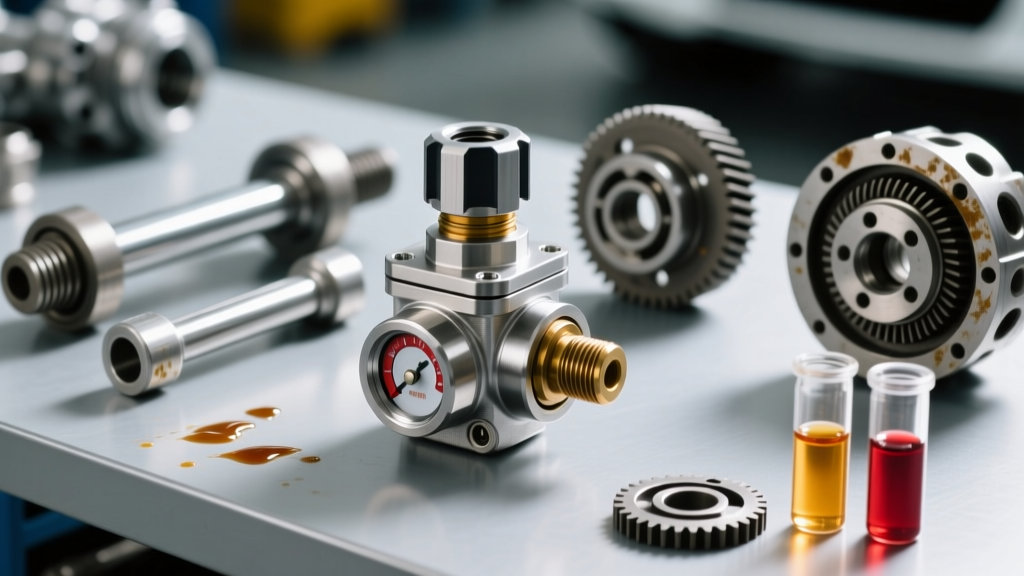
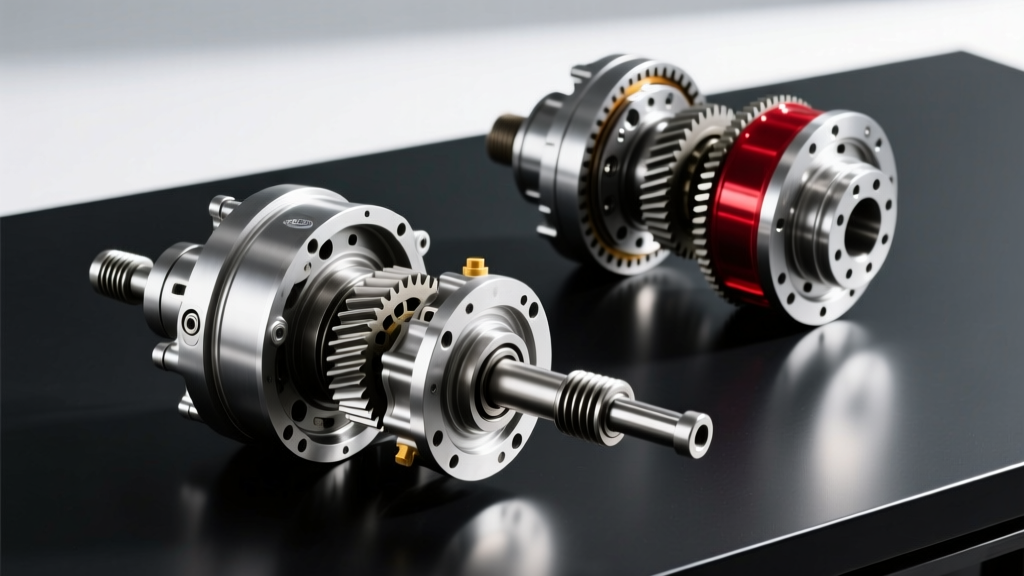
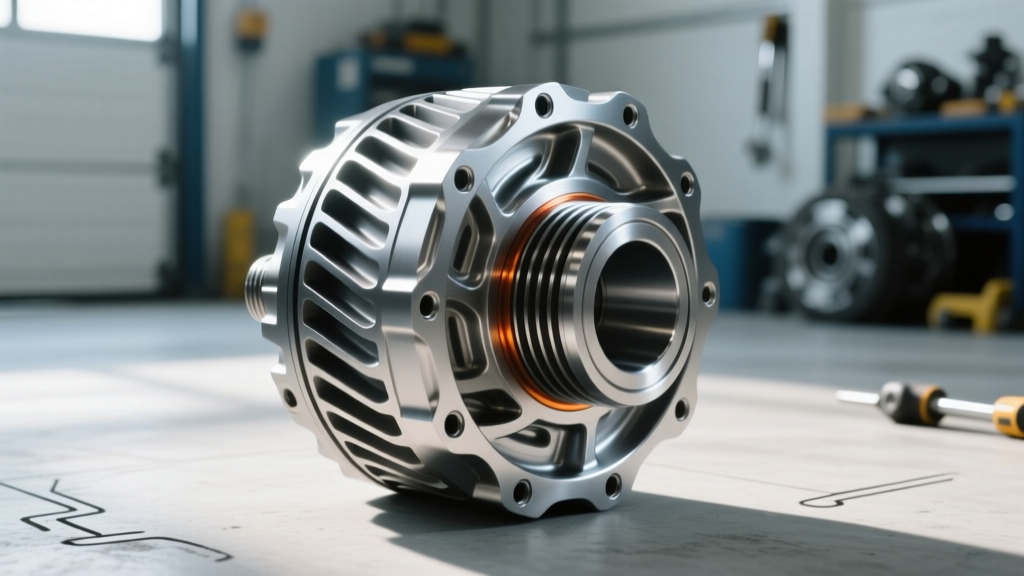
When planning a front differential oil change, most DIYers and even some quick-lube technicians simply drain the old gear oil and refill it without a second thought. However, the drained fluid is a direct biological sample of your axle’s internal health. In modern AWD and 4WD systems—ranging from the Subaru Symmetrical AWD CVT layouts to the Ford F-150 8.8-inch Independent Front Suspension (IFS) and Jeep Wrangler Dana 30/44 solid axles—the front differential operates under immense stress. It must manage steering angles, CV joint articulation, and torque vectoring, all while sitting in close proximity to engine exhaust components.
By 2026, manufacturers have increasingly downsized differential housings to save weight, resulting in lower fluid capacities (often just 1.2 to 1.8 quarts). Less fluid means less thermal mass, accelerating the oxidation and degradation of the Extreme Pressure (EP) additives found in GL-5 gear oils. Before you torque down the fill plug and walk away, you must learn to read the fluid's color, smell, and texture. This preventive maintenance guide will teach you how to decode your front differential fluid condition and determine if a simple fluid swap is enough, or if internal hardware failure is imminent.
Differential Fluid Condition Diagnostic Matrix
Use the following diagnostic matrix as a quick-reference guide when you pull the drain plug. Keep a magnetic catch pan nearby to evaluate the metallic content accurately.
| Fluid Appearance | Smell / Texture | Diagnostic Meaning | Required Action |
|---|---|---|---|
| Translucent Amber / Honey | Mild, sulfurous (normal EP smell); smooth | Fluid is healthy; normal operating state. | Standard interval replacement. |
| Opaque Dark Brown / Black | Burnt, acrid; feels thin or gritty | Severe thermal breakdown; EP additives depleted. | Immediate flush; check for dragging brakes or oversized tires. |
| Milky, Frothy, or 'Chocolate Milk' | Damp, earthy; emulsified texture | Water intrusion; breather tube failure or fording. | Immediate drain; flush with cheap GL-5; replace breather valve. |
| Grey Sludge with Fine Glitter | Metallic scent; paste-like on magnetic plug | Normal ring and pinion break-in wear or clutch pack degradation. | Change fluid; inspect LSD clutch packs if chattering occurs. |
| Dark Oil with Visible Metal Shards | Sharp metallic smell; chunks on magnet | Catastrophic bearing, spider gear, or pinion failure. | Do not drive. Tear down and rebuild differential. |
Decoding Fluid Colors and Textures
Amber to Light Brown: The Normal Baseline
Brand new 75W-90 or 80W-90 synthetic gear oil typically pours out of the bottle with a clear, honey-like amber hue. After 15,000 to 30,000 miles of normal street driving, it will naturally darken to a light, opaque brown. This is a normal byproduct of the sulfur-phosphorus EP additives doing their job, protecting the hypoid gear cut of the ring and pinion under high sliding friction. If your fluid looks like this during a front differential oil change, your axle is healthy. Simply refill to the manufacturer's specification, which is usually level with the bottom of the fill hole.
Dark Brown to Black: Thermal Breakdown and Oxidation
If the fluid pours out looking like used motor oil and carries a sharp, burnt-toast odor, you are witnessing thermal degradation. Front differentials on vehicles with lifted suspensions or oversized off-road tires (e.g., 35-inch mud terrains on a Jeep Gladiator) spin slower but generate massive torque and heat. When gear oil exceeds 250°F (121°C) consistently, the base oil oxidizes, forming varnish and sludge. This sludge can clog the small oil channels in the differential housing, starving the pinion bearings. If you find black, burnt fluid, switch to a high-performance synthetic like Mobil 1 Synthetic Gear Lube 75W-90 or Red Line 75W90, which offer superior thermal stability and higher flash points.
Milky or Frothy: The 'Chocolate Milk' Syndrome
Water intrusion is the silent killer of front axles, particularly on trucks and SUVs used for trail riding or deep snow plowing. When a hot differential is suddenly submerged in cold water (like crossing a creek), the rapid temperature drop creates a vacuum inside the housing. If the axle breather tube is clogged, cracked, or routed too low, water is sucked past the axle seals or pinion seal. Water emulsifies the gear oil, turning it into a thick, milky substance resembling chocolate milk. This emulsion completely destroys the load-bearing capability of the oil film, leading to rapid pitting on the ring and pinion teeth. If you encounter this, you must flush the system, replace the compromised seals, and extend the breather tube higher into the engine bay.
Metallic Glitter vs. Chunky Debris: Internal Hardware Wear
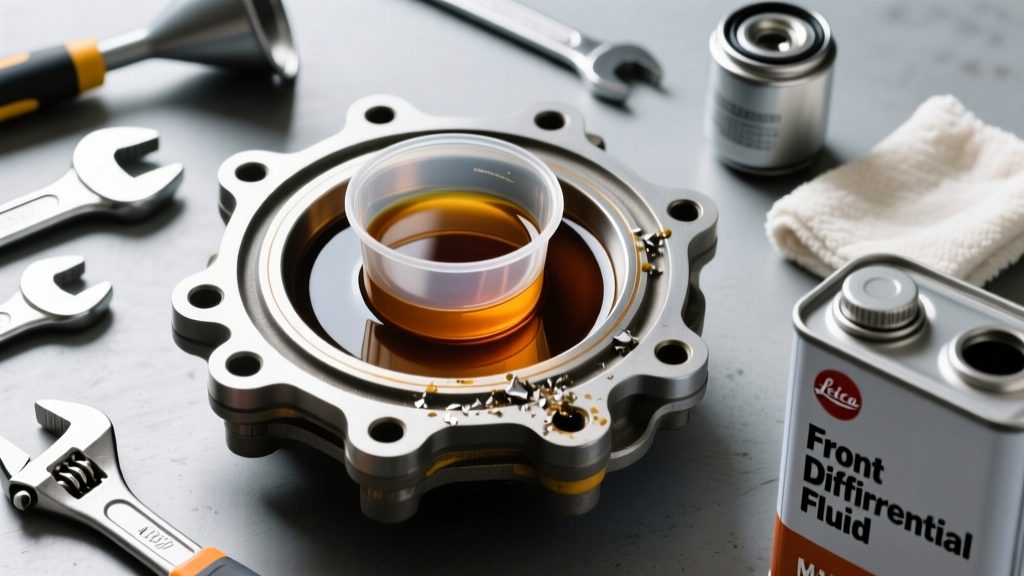
Inspect the magnetic drain plug carefully. A fine, grey, paste-like fuzz is completely normal, especially in the first 30,000 miles as the ring and pinion gears wear into their final mating pattern. However, if you find distinct metallic shards, needle bearing fragments, or chunks of bronze (from the spider gear thrust washers), your differential is actively destroying itself. According to AA1Car Differential Diagnostics, finding chunky metal requires immediate disassembly. Continuing to drive will result in the pinion gear separating from the ring gear, locking the front axle and causing a catastrophic loss of vehicle control.
Step-by-Step Inspection Protocol for the Front Differential Oil Change
Pre-Drain Assessment and Extraction
Before performing a front differential oil change, always drive the vehicle for 10-15 minutes to warm the gear oil. Warm oil flows faster and carries suspended metallic particulates and sludge out of the housing more effectively.
- Step 1: Clean the exterior of the differential housing around the fill and drain plugs with brake cleaner to prevent dirt ingress.
- Step 2: Remove the FILL plug first. (Never remove the drain plug first; if the fill plug is seized or stripped, you will be left with an empty, immobile differential).
- Step 3: Remove the drain plug and catch the fluid in a wide, shallow pan to maximize surface area for visual and magnetic inspection.
Torque Specifications and Hardware Best Practices
Over-torquing differential plugs is a common mistake that leads to cracked aluminum housings or stripped threads, especially on modern lightweight IFS setups. Always use a calibrated torque wrench.
- GM 9.25-inch Front Axle (Silverado/Sierra 1500): Drain and Fill plugs typically require 25 lb-ft.
- Ford 8.8 IFS (F-150/Expedition): Drain plug 33 lb-ft, Fill plug 22 lb-ft.
- Jeep Dana 30 / Dana 44 (Wrangler/Gladiator): Drain and Fill plugs generally require 25 to 30 lb-ft.
Fluid Selection and Additive Requirements
Choosing the right fluid is critical. Most modern front differentials require an API GL-5 rated 75W-90 or 75W-85 synthetic gear oil. However, if your vehicle is equipped with a Limited Slip Differential (LSD)—such as Ford's Trac-Loc, GM's Eaton G80, or Mopar's Trac-Lok—you must address friction modifier requirements.
Expert Tip: While many premium synthetic gear oils claim to have 'limited slip friction modifiers included,' clutch-pack tolerances vary wildly. If you experience low-speed chattering or binding during tight parking lot turns after your front differential oil change, add one 4 oz bottle of dedicated friction modifier (e.g., Motorcraft XL-3 or ACDelco 10-9003) and perform a series of figure-eight turns to work the additive into the clutch packs.
Cost and Interval Analysis
Preventive maintenance is always cheaper than an axle rebuild. A standard front differential oil change at a dealership or independent shop will typically cost between $80 and $150 in labor and fluids. If you perform the service yourself, expect to spend $30 to $55 on two quarts of high-quality synthetic GL-5 gear oil and a new drain plug gasket. For severe-duty vehicles (towing, off-roading, snow plowing), inspect the fluid condition every 15,000 miles and change it every 30,000 miles. For highway-only commuters, following the manufacturer's 'lifetime' or 100,000-mile interval is risky; changing the fluid every 50,000 miles based on the visual condition matrix above will ensure your ring and pinion gears survive the lifespan of the vehicle. By treating the drained fluid as a diagnostic tool rather than just waste, you transform a routine front differential oil change into a critical window into your drivetrain's longevity.