The Hidden Fuel Thief: Parasitic Drag in 4WD Systems
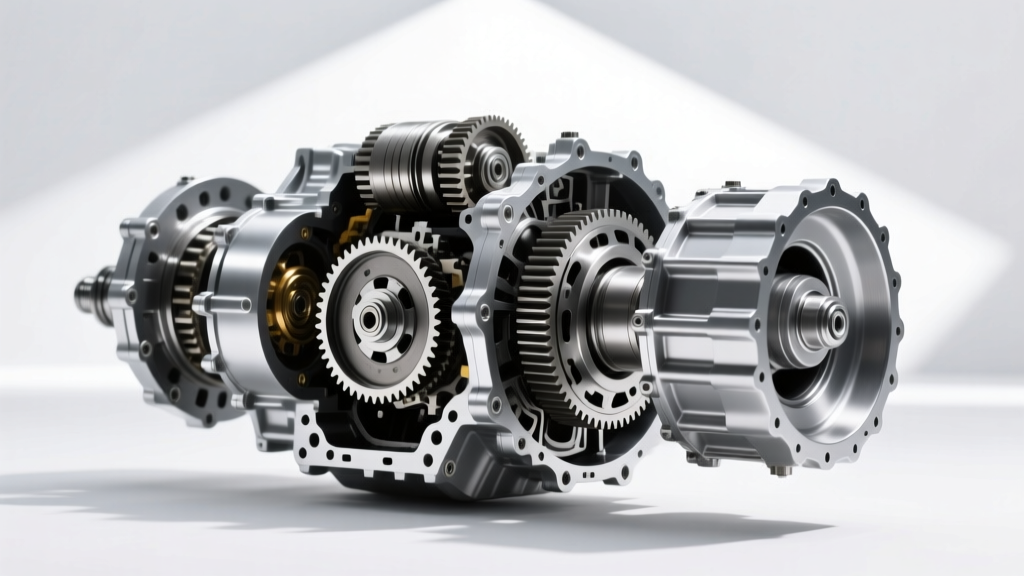
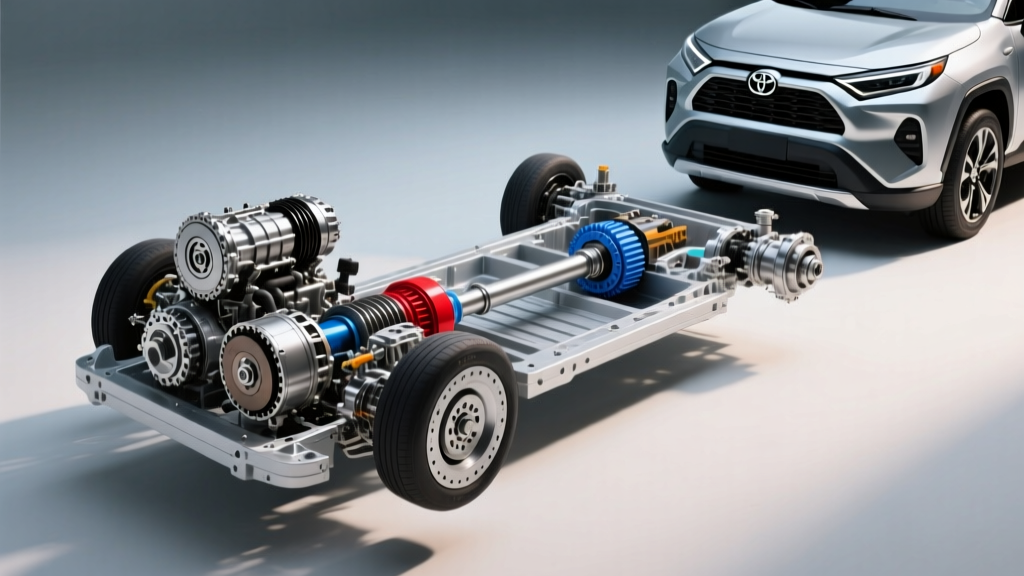
When truck owners think about improving fuel economy, they usually focus on aerodynamics, tire pressure, or engine tuning. However, one of the most significant barriers to efficiency is hiding right beneath the front bumper. Understanding how your front differential 4x4 system impacts fuel economy is crucial for anyone who daily-drives a part-time or full-time four-wheel-drive vehicle. In a traditional 4x4, the front drivetrain components are massive, heavy, and constantly bathed in thick gear oil. Even when you are cruising down the highway in 2WD mode, these components can create severe parasitic drag, silently robbing your vehicle of 1 to 3 miles per gallon.
Parasitic drag is the power lost to friction and fluid resistance within the drivetrain before it ever reaches the wheels. According to data published by the U.S. Department of Energy, drivetrain losses in 4WD vehicles can account for up to 15% of total engine output. For a beginner looking to optimize their rig, the front differential is the best place to start diagnosing and eliminating these hidden efficiency penalties.
'In part-time 4WD systems, the front axle and driveshaft can consume up to 3-5 horsepower at highway speeds purely through fluid churning and bearing friction, even when the transfer case is in 2WD.' — Drivetrain Engineering Principles, Dana Incorporated
Comparing Front Differential Configurations and MPG Impact
Not all 4x4 front ends are created equal. The architecture of your front differential dictates how much rotational mass is spinning while you drive in 2WD. Below is a breakdown of common front differential 4x4 setups and their typical impact on highway fuel economy.
| Front Axle Configuration | Components Spinning in 2WD | Estimated MPG Penalty | Common Applications |
|---|---|---|---|
| Solid Axle (No Locking Hubs) | Ring/Pinion, Axle Shafts, Driveshaft | -2.0 to -3.5 MPG | Classic Jeep Wranglers, Older Ford Super Dutys |
| Solid Axle (Manual Locking Hubs) | Ring/Pinion (if TC lacks disconnect) | -0.5 to -1.5 MPG | 90s Dodge Rams, Toyota Land Cruisers |
| IFS with Axle Disconnect | Only outer CV joints/wheel bearings | 0 to -0.5 MPG | GM Silverado/Sierra, Ram 1500, Modern Jeeps |
| Full-Time AWD/4WD (Torsen/Open) | Entire Front & Rear Drivetrain | -3.0 to -5.0 MPG | Toyota Tundra TRD Pro, Ford Raptor (4A mode) |
The Magic of Axle Disconnect Systems
To combat the massive parasitic loss of spinning a heavy front driveshaft and ring-and-pinion gearset, modern manufacturers utilize front axle disconnect systems. These systems physically separate the drivetrain components when 4WD is not engaged, allowing the front wheels to freewheel independently of the differential internals.
GM's AAM 9.25-Inch Front Axle Disconnect
General Motors utilizes a highly efficient disconnect mechanism inside the front differential housing on their T1XX platform trucks (Silverado/Sierra 1500). An electronic actuator (GM Part # 26060333, costing roughly $180) slides a collar that disconnects the right-hand axle shaft from the differential side gear. When disengaged, the front driveshaft and the internal ring and pinion do not spin at all. If your GM truck's fuel economy suddenly drops, a faulty disconnect actuator or a corroded wiring harness may be leaving the front differential partially or fully engaged in 2WD mode.
Ford's Integrated Wheel End (IWE) System
Ford takes a different approach with the F-150 by using vacuum-actuated locking hubs known as the Integrated Wheel End (IWE) system. The IWE solenoid (Ford Part # 5L3Z-3H090-A, approx. $45) controls vacuum pressure to the wheel hubs. When vacuum is applied, the hubs disengage, stopping the front axle shafts and the front differential ring gear from spinning. A incredibly common failure point is the vacuum check valve (Ford Part # F6TZ-9H465-B). If this $12 valve fails, the hubs may partially engage, causing the front differential to bind, overheat the gear oil, and drastically reduce your fuel economy while accelerating wear on the internal needle bearings.
Fluid Dynamics: Churning Losses and Viscosity
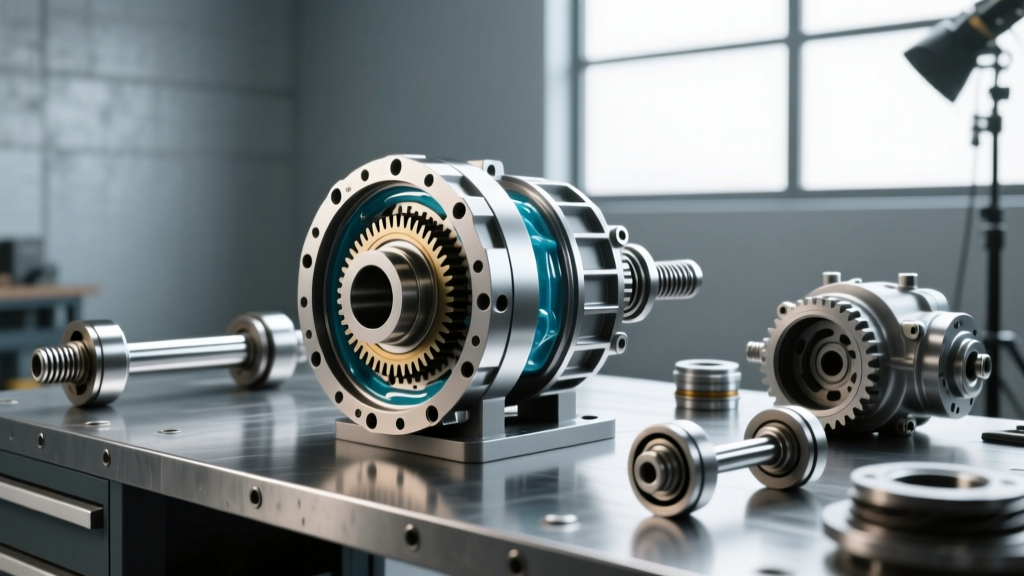
If you own a vehicle where the front differential spins continuously in 2WD (such as a solid-axle Jeep Wrangler or a full-time AWD system), the gear oil inside the housing becomes a major source of parasitic drag. This phenomenon is known as churning loss.
As the ring gear spins at highway speeds, it dips into the gear oil sump, violently agitating the fluid and creating aerodynamic drag inside the housing. The thicker the oil, the higher the churning loss. Many off-road enthusiasts mistakenly fill their front differentials with ultra-thick 75W-140 synthetic gear oil for 'heavy-duty protection,' not realizing they are effectively adding a fluid brake to their drivetrain.
- 75W-140 Gear Oil: Excellent for extreme towing and rock crawling, but can increase churning losses by up to 4% at 70 MPH compared to lighter oils.
- 75W-90 Gear Oil: The standard OEM recommendation for most modern 4x4s (e.g., Amsoil Severe Gear 75W-90, Product Code FGR). Offers a great balance of protection and efficiency.
- 75W-85 Synthetic: Increasingly used by OEMs for fuel economy compliance. Red Line 75W85 GL-5 (Part # 50104) can reduce front differential churning loss by an additional 1.5% over 75W-90, translating to a measurable 0.3 to 0.5 MPG gain on the highway.
Note: Always verify your owner's manual before dropping to a lower viscosity. Vehicles with high-offset hypoid gears or those subjected to sustained heavy towing require the shear stability of 75W-90 or 75W-110.
Bearing Preload: The Silent Efficiency Killer
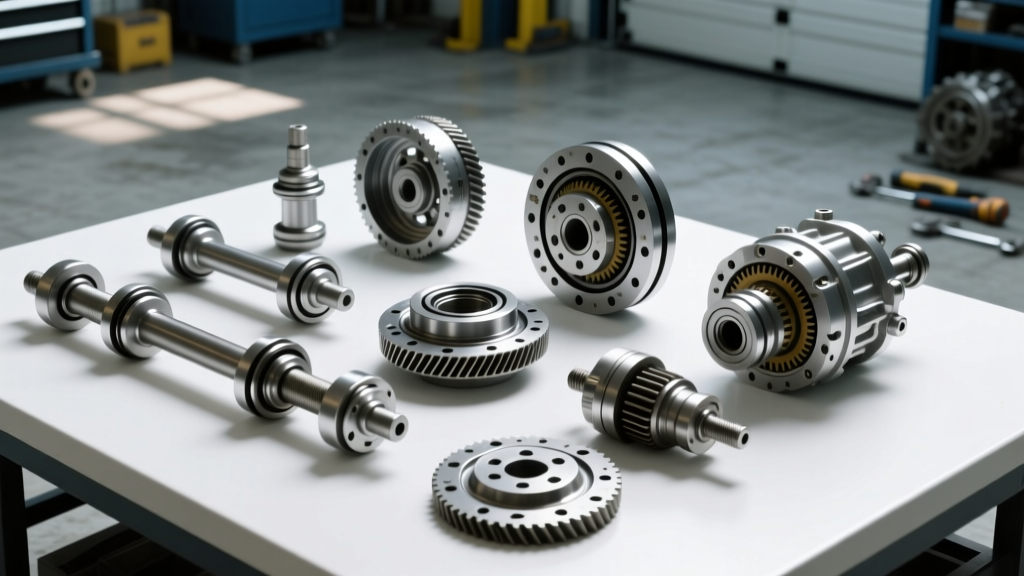
Beyond fluids and disconnects, the physical setup of the front differential bearings plays a massive role in rotational efficiency. The pinion gear is supported by two tapered roller bearings. During assembly or rebuild, a mechanic must set the 'bearing preload'—the amount of friction applied to the bearings to keep them seated without binding.
Preload is measured in inch-pounds (in-lbs) of rotational torque using an inch-pound torque wrench on the pinion nut. For a standard Spicer/Dana 44 front axle, the correct rotational preload with a new crush sleeve and seals is typically between 15 and 25 in-lbs. If an inexperienced mechanic overtightens the pinion nut to 45 in-lbs of preload 'just to be safe,' they are introducing massive rolling resistance. This over-preloaded front differential will run 20°F to 30°F hotter, degrade the gear oil faster, and cost you roughly 0.5 MPG at highway speeds due to the constant mechanical bind.
When installing a new pinion nut on a GM AAM 9.25-inch IFS front axle, the final torque spec to crush the sleeve is roughly 240 lb-ft, but you must stop and measure rotational preload every 10 lb-ft of torque to ensure you do not exceed the 25 in-lbs threshold.
Actionable Checklist for Maximizing 4x4 Drivetrain Efficiency
If you want to reclaim lost fuel economy and ensure your front differential is operating at peak efficiency, follow this maintenance checklist:
- Verify Axle Disconnect Function: Jack up the front end safely. With the transfer case in 2WD, spin the front driveshaft by hand. On vehicles with axle disconnects or locking hubs, the driveshaft and ring gear should remain stationary while the wheels spin. If the driveshaft turns, diagnose your IWE vacuum system or electronic actuator immediately.
- Check for Vacuum Leaks: Inspect the vacuum lines routing to the front hubs. Dry rot and cracked fittings are notorious for causing partial hub engagement, which drags the front differential and destroys fuel economy.
- Optimize Fluid Viscosity: Drain the factory fluid and replace it with a high-quality synthetic 75W-85 or 75W-90 gear oil, strictly adhering to the OEM's GL-5 or LSD friction modifier requirements.
- Measure Rotational Preload: If your front differential was recently rebuilt or if you are experiencing unexplained MPG drops, use an inch-pound torque wrench to verify the pinion bearing preload is within the manufacturer's 15-25 in-lbs specification.
By understanding the mechanical realities of your front differential 4x4 system, you can make informed decisions that protect your hardware off-road while keeping your wallet happy at the gas pump. Drivetrain efficiency is not just about the engine; it is about ensuring every ounce of rotational energy is managed with precision.