The True Cost of 4WD Drivetrain Maintenance in 2026
When maintaining a four-wheel-drive truck or SUV, owners often hyper-focus on engine oil and transmission fluid while neglecting the axles. This oversight is a costly mistake. The front differential operates under extreme stress, managing steering angles, suspension articulation, and torque distribution simultaneously. For platforms utilizing the robust M226 rear differential—commonly found in Nissan Titans, Frontiers, Armadas, and certain Mercedes-Benz Sprinter 4x4 configurations—understanding the complete drivetrain service cost is critical for long-term reliability.
In this 2026 cost analysis, we dissect the exact pricing, fluid specifications, and labor variables associated with front differential fluid service. Furthermore, we benchmark these costs directly against the M226 rear differential to give you a comprehensive picture of your total axle maintenance budget.
Front Differential Fluid Service: Price Breakdown & Specs
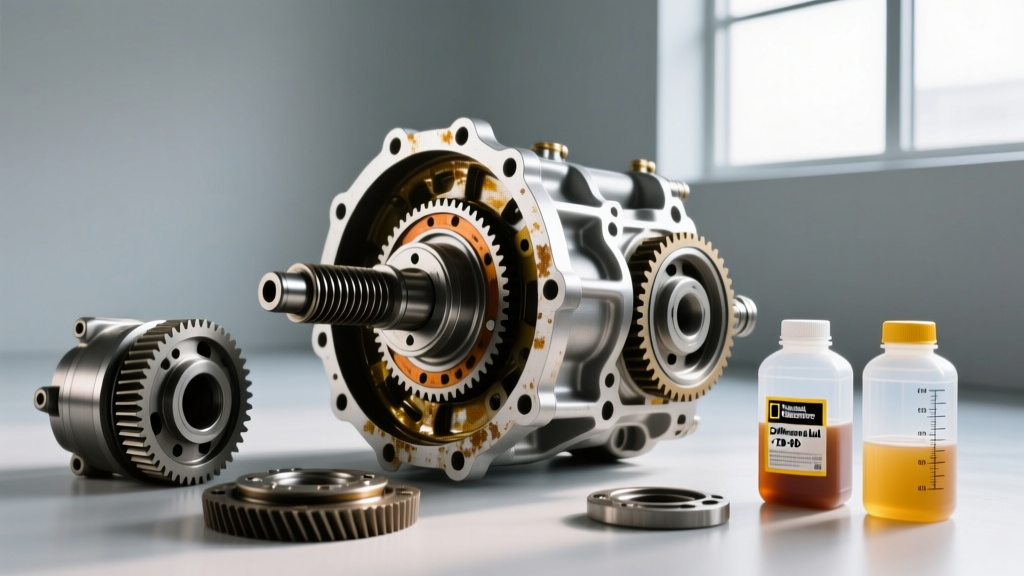
The front axle assembly, often a Dana 44 or Nissan C200K variant in trucks paired with the M226 rear, requires precise lubrication. Unlike the rear axle, the front differential houses additional bearings and is subjected to water ingestion risks during off-road or deep-puddle driving due to its lower mounting position and active breather valves.
Fluid Capacities and OEM Requirements
Most front differentials in this class require a high-quality 75W-90 Synthetic API GL-5 gear oil. According to the American Petroleum Institute (API), GL-5 specifications are mandatory for hypoid gear sets to prevent extreme-pressure (EP) scuffing. The front differential typically holds between 1.7 and 2.0 pints (approx. 0.8 to 0.95 liters) of fluid.
- OEM Fluid Equivalent: Nissan/Infiniti Hypoid Gear Oil GL-5 75W-90
- Aftermarket Alternative: AMSOIL Severe Gear 75W-90 (View AMSOIL's technical data sheets for shear stability metrics)
- Friction Modifier: Generally NOT required for open front differentials, but mandatory if equipped with an aftermarket front limited-slip or locking locker.
Labor vs. DIY Cost Analysis
Dealership labor rates in 2026 average between $165 and $225 per hour. A front differential fluid service is typically billed at 0.5 to 0.8 hours of shop time. Therefore, a dealership will charge between $140 and $240 for the front axle service alone, including fluid and shop supplies. Independent 4x4 specialty shops usually offer a more competitive rate of $110 to $160. For the DIY mechanic, the cost is limited to the price of two quarts of synthetic 75W-90 ($35–$55 total) and a new crush washer for the fill plug.
Comparing Front Axle Costs to the M226 Rear Differential
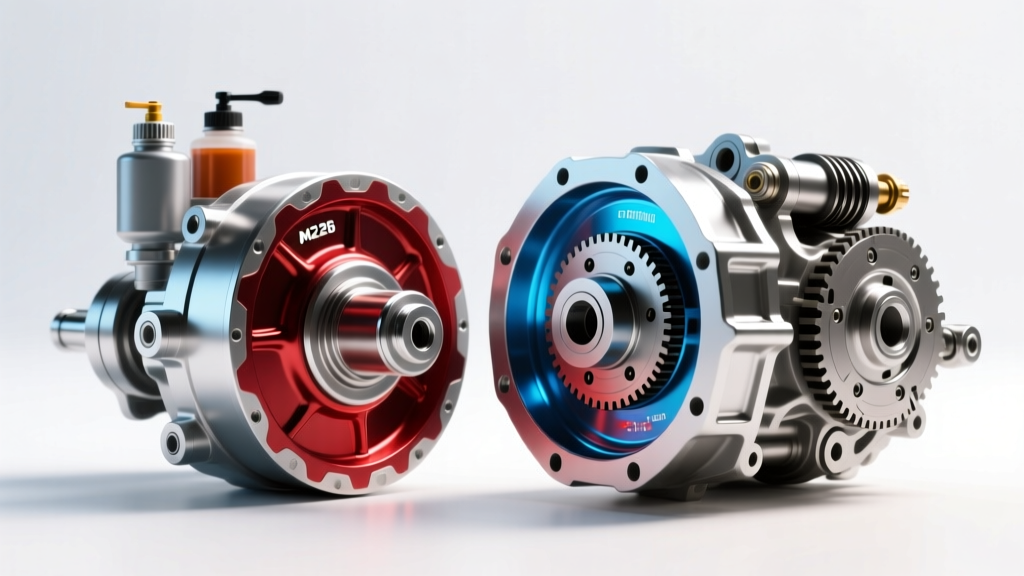
To understand the full scope of your drivetrain maintenance, we must compare the front differential service to the M226 rear differential. The M226 is a heavy-duty, semi-floating or full-floating axle variant (depending on the exact year and application) that demands more fluid and often requires specialized additives.
| Service Metric | Front Differential (C200K/Dana 44) | M226 Rear Differential |
|---|---|---|
| Fluid Type | 75W-90 Synthetic GL-5 | 75W-90 or 75W-140 (Heavy Towing) |
| Capacity | 1.75 - 2.0 Pints | 2.8 - 3.2 Pints |
| Friction Modifier | Rarely Required | Required for OEM LSD Clutch Packs |
| Drain Plug Torque | 26 ft-lbs (M10/M12 Bolt) | 33 ft-lbs (M12/M14 Bolt) |
| Fill Plug Torque | 26 ft-lbs | 33 ft-lbs |
| DIY Material Cost | $35 - $55 | $65 - $95 (Includes Modifier) |
| Independent Shop Cost | $110 - $160 | $140 - $190 |
| Dealership Cost | $140 - $240 | $190 - $290 |
As illustrated by the data above, the M226 rear differential is inherently more expensive to service. This is due to the larger sump capacity, the necessity of a limited-slip friction modifier (which costs an additional $12–$18 per bottle), and the slightly longer labor time required to safely extract the vehicle's rear axle fluid if a suction pump is used instead of a gravity drain.
Hidden Costs: When a Routine Fluid Change Turns Into a Rebuild
A routine fluid change is an inexpensive insurance policy, but it can also serve as a diagnostic window into catastrophic impending failure. When draining the front differential, the condition of the magnetic drain plug tells a critical story.
Diagnostic Matrix: What Your Old Fluid Reveals
- Dark, but clean oil with fine metallic glitter: Normal wear for a differential with over 80,000 miles. Proceed with standard 75W-90 refill.
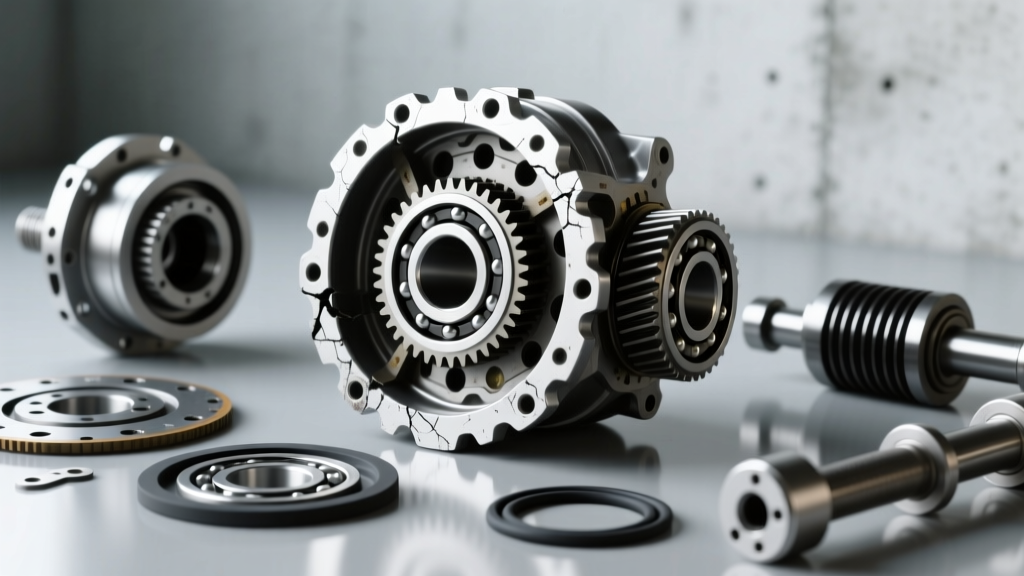
- Chunky metal shavings (size of a grain of rice): Indicates carrier bearing or pinion bearing cage failure. Hidden Cost: $1,200 - $1,800 for a bearing and seal rebuild kit and labor.
- Milky, chocolate-milk consistency: Water ingestion through a submerged axle breather tube. Water destroys the EP additive package in GL-5 oil, leading to rapid ring and pinion scoring. Hidden Cost: $2,500+ for a complete ring, pinion, and master bearing kit replacement if not caught early.
- Severe sulfur/rotten egg odor with burnt flakes: Extreme overheating, usually from towing in 4WD on dry pavement (front axle binding). The pinion gear has likely blued and lost its heat treatment.
The Breather Tube Oversight
One of the most common failure modes for the front differential is water ingestion. Factory breather tubes are often routed too low behind the front bumper or radiator support. Upgrading to an extended breather kit routed into the engine bay costs roughly $45 in parts and takes 30 minutes. Skipping this $45 upgrade frequently leads to the $2,500 rebuild mentioned above.
Step-by-Step Front Diff Service Procedure & Torque Specs
For DIYers looking to avoid the $200+ dealership markup, servicing the front differential is straightforward but requires strict adherence to torque specifications to prevent stripped aluminum housings.
- Preparation: Drive the vehicle for 15 minutes to bring the gear oil up to operating temperature. Warm oil flows faster and suspends metallic particles better.
- Access: Remove the front skid plate (if equipped). Locate the fill plug (always on the side or upper front) and the drain plug (bottom).
- Crucial Rule: Always remove the FILL plug before the DRAIN plug. If the fill plug is seized or stripped, you do not want to be left with an empty differential and no way to refill it.
- Draining: Remove the drain plug using a 10mm or 12mm hex/allen socket. Allow 15 minutes for complete drainage. Inspect the magnetic tip.
- Refilling: Reinstall the drain plug with a new crush washer. Torque to 26 ft-lbs. Using a hand-pump, fill the differential with 75W-90 GL-5 until the fluid begins to weep out of the fill hole.
- Sealing: Install the fill plug with a new washer and torque to 26 ft-lbs. Wipe down the housing to prevent false leak alarms during your next inspection.
Sourcing Parts and Fluids in 2026
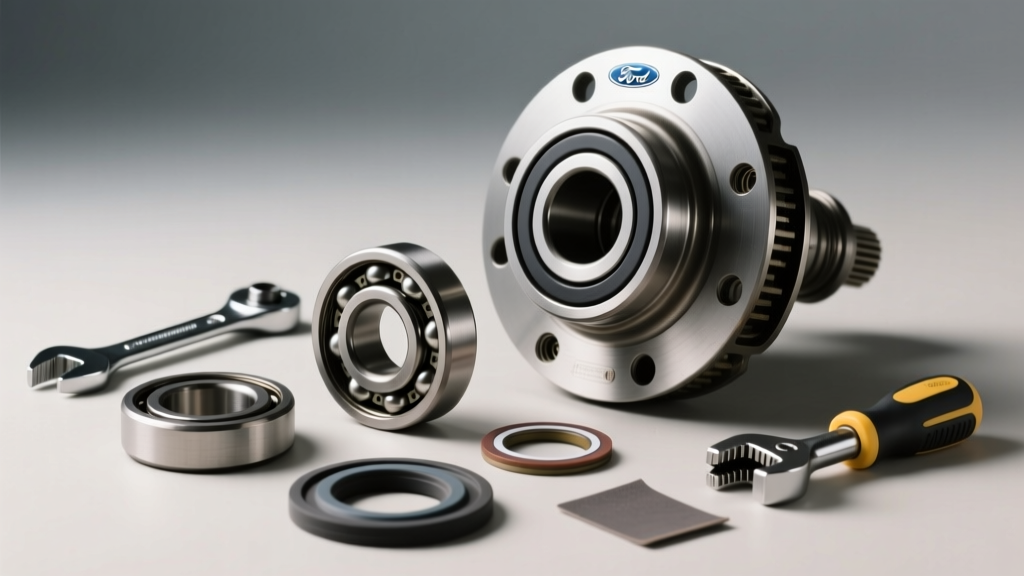
When sourcing replacement crush washers, seals, or complete gear sets, pricing varies wildly between OEM dealerships and aftermarket suppliers. Checking platforms like RockAuto's drivetrain catalog reveals that a standard front differential pinion seal (e.g., Timken or SKF brand) costs between $8 and $14, whereas the dealership will mark the exact same part up to $35–$50. Always cross-reference OEM part numbers with high-quality aftermarket bearing manufacturers like Timken, Koyo, or SKF to ensure longevity without the dealer markup.
Expert Verdict: Maximizing Drivetrain Longevity
The front differential fluid service is a low-cost, high-impact maintenance task that protects your 4WD system's most vulnerable steering components. While the M226 rear differential demands a larger financial investment due to its capacity and limited-slip requirements, neither axle should be ignored. Budget approximately $250 to $350 for a complete DIY front and rear axle fluid service using top-tier synthetic 75W-90, or expect to pay upwards of $450 at a specialized 4x4 shop. By adhering to strict torque specs, utilizing GL-5 rated synthetics, and extending your axle breather tubes, you will easily push your ring and pinion gears past the 200,000-mile mark without a single rebuild.