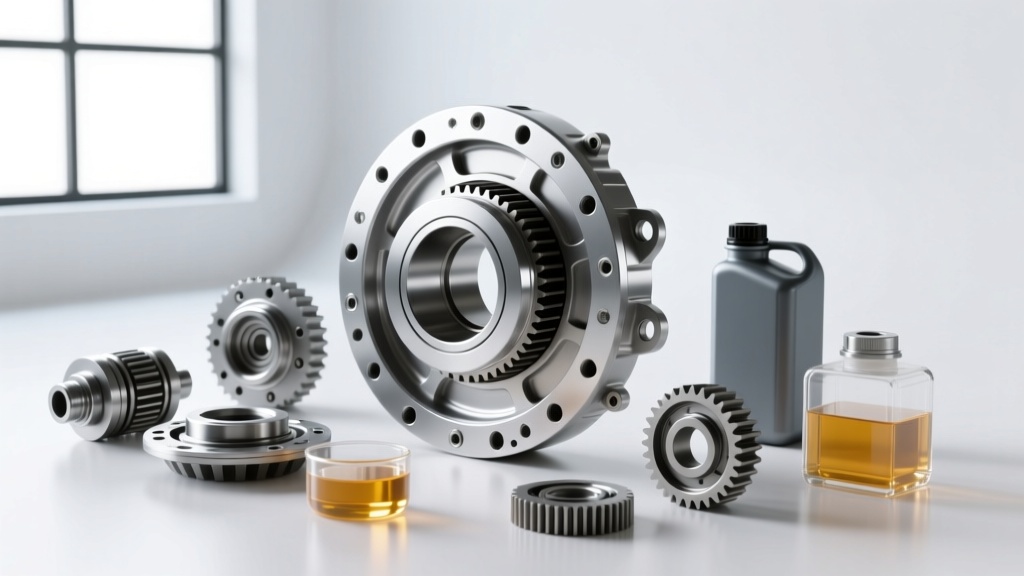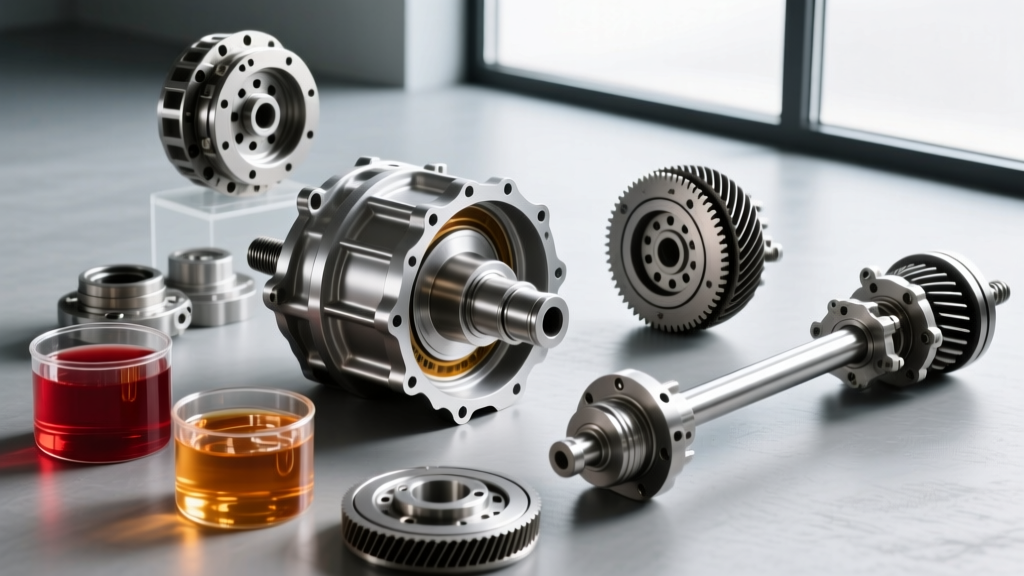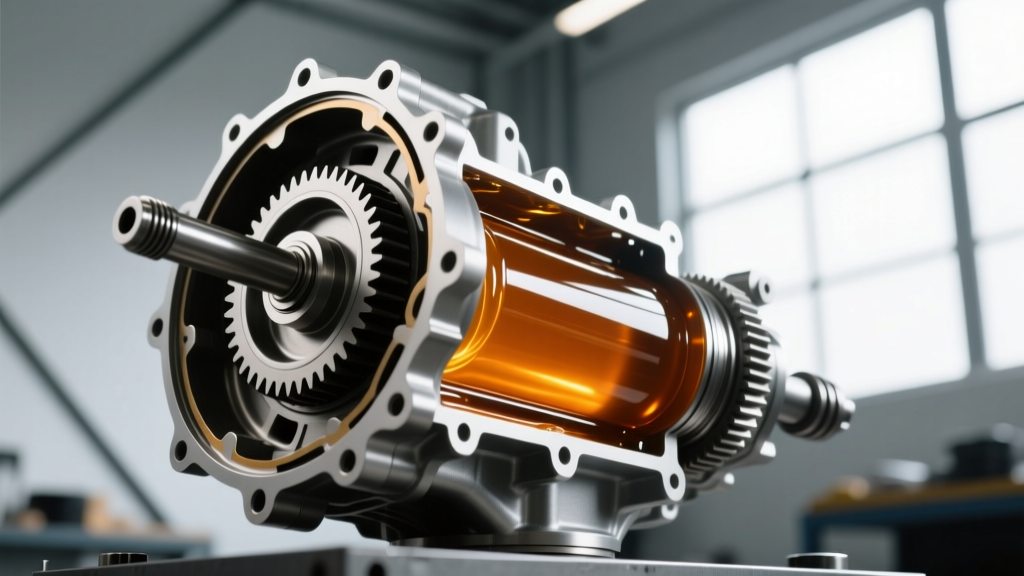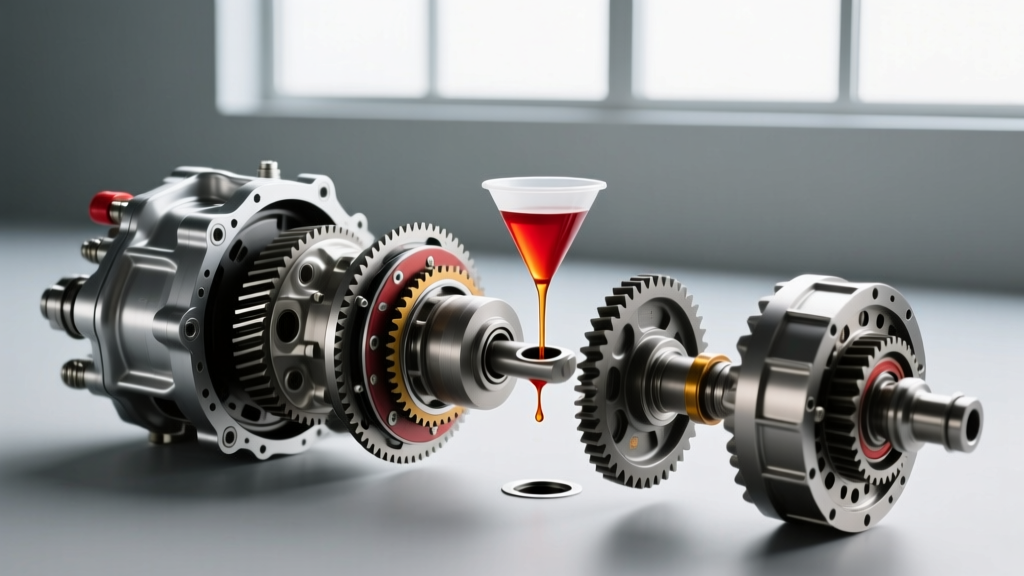
The Traction Paradigm: Mechanical Lockers vs. AWD Clutch Packs
When building a performance SUV, overland rig, or dedicated trail crawler, traction is the ultimate currency. Enthusiasts diving into the world of drivetrain upgrades quickly encounter a fork in the road: the path of the mechanical locking differential versus the path of the modern clutch-based All-Wheel Drive (AWD) system. Understanding the engineering divide between these two approaches is critical for both hardcore off-roaders and daily drivers who rely on automated traction management.
For body-on-frame trucks and dedicated off-road SUVs, selecting the right locker can mean the difference between conquering a rock ledge and tearing up a ring and pinion. However, for unibody crossovers like the Honda CR-V, the concept of "locking" the axles is managed entirely through hydraulic pressure, electronic clutch packs, and specialized friction modifiers. In this performance and upgrade guide, we will break down the definitive guide to locking differential types and selection for traditional 4x4s, before pivoting to a masterclass on the Honda CR-V rear differential fluid change—the single most vital service required to maintain the "locking" engagement of its Real-Time AWD system.
Locking Differential Types and Selection for Performance SUVs
If you are upgrading a solid-axle or independent front suspension (IFS) truck platform (such as a Jeep Wrangler, Toyota Tacoma, or Ford Bronco), you must select a traction device that matches your specific performance envelope. According to the engineering team at Eaton Performance, selecting the wrong locker can lead to driveline binding, excessive tire wear, and catastrophic axle shaft failure under high-torque loads.
1. Automatic Mechanical Lockers (Detroit, Spartan, Lockright)
Automatic lockers utilize a sprag or gear-coupling mechanism to physically lock the left and right axles together 100% of the time when torque is applied, while allowing them to differentiate (unlock) when coasting or turning. The Detroit Locker is the gold standard here. It is virtually indestructible, making it ideal for hardcore rock crawling and mud bogging. However, the trade-off is on-road manners; automatic lockers produce a distinct "ratcheting" noise during low-speed turns and can induce rear-end kick-out on icy pavement.
2. Selectable Lockers (ARB Air Locker, Eaton E-Locker)
Selectable lockers offer the best of both worlds: an open differential for civilized street driving, and a 100% mechanical lock at the flick of a switch.
- ARB Air Locker: Uses a pneumatic piston actuated by a 12V solenoid valve and an onboard air compressor (minimum 150 PSI). It engages instantly but requires complex plumbing and air line maintenance.
- Eaton E-Locker: Utilizes a 12-volt electromagnetic coil to drive a ramped side gear into the locker case. According to ARB USA and Eaton specs, the E-Locker engages in roughly 0.14 seconds and requires no external compressors, making it the premier choice for daily-driven overland builds.
3. Helical / Gear-Driven Limited Slips (Torsen, TrueTrac)
While not true "lockers," helical gear differentials multiply torque to the wheel with traction (often up to a 4:1 bias ratio). They require zero maintenance, use standard 75W-90 GL-5 gear oil, and operate seamlessly. They are the ultimate upgrade for high-horsepower AWD/4WD builds that see 80% street and 20% dirt usage.
Traction Device Selection Matrix
| Traction Device | Engagement Type | Lock Percentage | Maintenance Requirement | Best Application |
|---|---|---|---|---|
| Detroit Locker | Automatic (Torque) | 100% | Standard Gear Oil | Rock Crawling, Mud |
| Eaton E-Locker | Selectable (12V) | 100% | Electrical Check | Overland, Daily/Trail |
| ARB Air Locker | Selectable (Air) | 100% | Air Lines / O-Rings | Expedition, Rock Crawling |
| Torsen / TrueTrac | Automatic (Gear Bias) | Variable (Up to 4:1) | None | High-HP Street / Rally |
| Honda DPS Clutch Pack | Hydraulic / AWD | Variable (Slip-Based) | Strict Fluid Changes | Snow, Rain, Light Dirt |
The AWD Alternative: Maintaining the Honda CR-V "Lock"
What if your performance build is a unibody crossover? You cannot install an ARB Air Locker or a Detroit Locker into the rear axle of a modern AWD crossover. Instead, vehicles like the Honda CR-V utilize a sophisticated Real-Time AWD system featuring a Dual Pump System (DPS) or an electronically controlled hydraulic clutch pack.
In the CR-V's rear differential, the "locking" mechanism is not a solid steel dog clutch. It is a multi-plate wet clutch pack. When the front wheels slip, a hydraulic pressure differential (or electronic solenoid in newer generations) clamps these friction plates together, effectively "locking" the rear axle to the front drivetrain. If the fluid degrades, loses its friction modifiers, or becomes contaminated with clutch material, the system will groan, bind, or fail to engage entirely, leaving you with a FWD-only vehicle.
Expert Insight: The infamous "CR-V rear end groan" during tight, low-speed parking lot turns is almost never a sign of a failing ring and pinion. It is the universal cry of a starved or degraded clutch pack. Performing a rigorous Honda CR-V rear differential fluid change resolves this issue 95% of the time, provided the clutches haven't been permanently glazed by prolonged neglect.
Factory Specifications and Torque Data
To maintain the hydraulic locking capability of the CR-V's rear differential, you must abandon the idea of using standard 75W-90 GL-5 gear oil. The clutch packs require highly specific friction modifiers found only in dedicated Dual Pump fluids.
- Fluid Specification: Honda Dual Pump Fluid II (DPS-II). OEM Part Number:
08200-9002. - Capacity: 1.1 to 1.3 Quarts (approx. 1.05 to 1.25 Liters), depending on the exact generation (Gen 3 vs. Gen 4).
- Drain/Fill Plug Torque: 33 lb-ft (45 Nm).
- Socket Size: 17mm flare nut wrench or 3/8-inch drive square (generation dependent).
- Crush Washers: OEM Honda Aluminum (Drain: 18mm P/N
90471-PX4-000, Fill: 20mm P/N90472-PX4-000- verify against your specific VIN via Honda Techinfo).
Step-by-Step: The Performance Fluid Exchange
For enthusiasts pushing their AWD crossovers in snow, rally, or light overlanding, we recommend dropping the interval from the factory's "lifetime" or 30,000-mile suggestion to every 15,000 miles.
- Level the Platform: Unlike a solid rear axle where the fill plug is on the side of the pumpkin, the CR-V rear diff fill and drain plugs are often located on the rear cover or bottom. The vehicle must be perfectly level on jack stands or a lift to ensure an accurate 1.1L fill.
- Break the Fill Plug FIRST: This is the golden rule of drivetrain maintenance. If you drain the fluid and subsequently find the fill plug is seized or stripped, you are stranded. Remove the 17mm fill plug before touching the drain plug.
- Drain and Inspect: Remove the drain plug and allow the fluid to evacuate. Inspect the magnetic drain plug (if equipped). A fine metallic paste is normal wear from the hypoid gears; however, large metal flakes or a burnt, acrid smell indicates the clutch pack has been slipping and overheating.
- Replace Hardware: Install new aluminum crush washers on both plugs. Reusing old washers is the primary cause of weeping differentials and subsequent water ingress.
- Torque to Spec: Torque the drain plug to 33 lb-ft. Using a fluid transfer pump, inject the Honda DPS-II fluid until it reaches the absolute bottom lip of the fill hole. Install and torque the fill plug to 33 lb-ft.
The "Lock-Cycling" Bed-In Procedure
After completing the Honda CR-V rear differential fluid change, the new friction modifiers must be distributed evenly across the clutch pack friction surfaces. To achieve this, take the vehicle to a large, empty, paved lot. Perform ten to fifteen tight, continuous figure-eight turns at 5-10 MPH. This forces the AWD system to slip the clutches slightly, cycling the fresh DPS-II fluid into the microscopic pores of the friction material and permanently eliminating any low-speed binding or groaning.
Conclusion: Matching Traction to the Platform
Whether you are selecting a 12V Eaton E-Locker for a solid-axle trail rig or executing a precision fluid service on a unibody AWD crossover, the underlying physics of traction remain the same. Mechanical lockers provide brute-force, 100% locked traction for extreme environments, while hydraulic clutch packs provide seamless, variable torque transfer for high-speed, low-grip surfaces. By understanding locking differential types and adhering to strict maintenance protocols like the OEM Honda fluid exchange, you ensure that every ounce of engine torque makes it to the pavement—or the dirt—exactly when you need it.