The Foxbody T-5 Dilemma: Cable Stretch vs. Bearing Failure
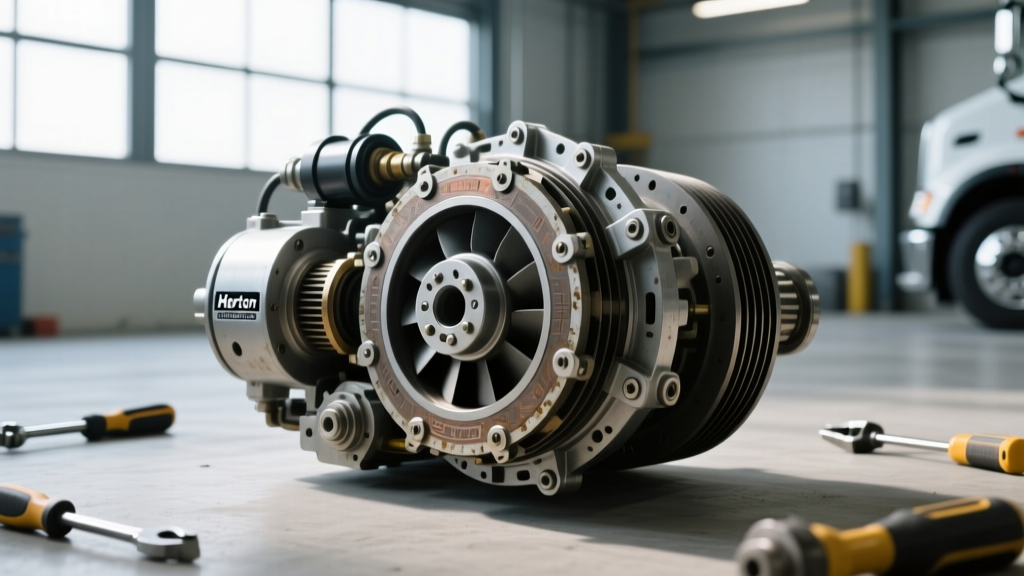
For enthusiasts maintaining the iconic 1979-1993 Ford Mustang (Foxbody) platform, the mechanical clutch linkage is a notorious source of diagnostic confusion. The BorgWarner T-5 manual transmission relies on a mechanical clutch cable rather than a hydraulic master-slave cylinder setup. When a high-pitched squeal, chirping, or grinding noise emanates from the bellhousing, owners are immediately faced with a critical diagnostic crossroads: is it time for a simple clutch cable change, or is the transmission coming out for a throw-out bearing replacement?
Misdiagnosing this issue is a costly mistake. A failing throw-out bearing (TOB) will eventually seize, destroying the diaphragm spring fingers on the pressure plate and potentially snapping the input shaft of your T-5. Conversely, replacing a perfectly good throw-out bearing when the root cause is a frayed, binding, or improperly adjusted clutch cable wastes hundreds of dollars in labor and gasket sets. This model-specific repair guide breaks down the exact auditory, mechanical, and geometric diagnostics required to isolate throw-out bearing failure from clutch cable degradation on the Foxbody platform.
Auditory Triage: Decoding the Noises
The first step in drivetrain diagnostics is auditory triage. The mechanical linkage of the Foxbody Mustang transmits noise directly through the chassis, making it difficult to pinpoint the exact origin without a structured test. Below is a diagnostic matrix to help you separate cable binding from internal bearing failure.
| Noise Profile | RPM Dependent? | Pedal Position Trigger | Likely Culprit |
|---|---|---|---|
| High-pitched chirping or squealing | Yes (Increases with engine RPM) | Lightly resting foot on pedal (taking up slack) | Throw-out bearing preload / Zero free-play |
| Low-frequency grinding or growling | Yes | Mid-to-full pedal depression | Failing throw-out bearing races or input shaft snout wear |
| Metallic scraping or 'zinging' | No (Pedal travel dependent) | Throughout entire pedal stroke | Frayed clutch cable strands rubbing inside housing |
| Clunking or popping upon release | No | Top of pedal return stroke | Worn clutch fork pivot ball or broken cable adjuster |
If the noise only occurs when you apply roughly one pound of pressure to the clutch pedal—just enough to move the linkage and touch the bearing to the pressure plate fingers—you are dealing with throw-out bearing contact noise. If the noise is a harsh, metallic scraping that occurs even when the engine is off and you are pumping the pedal by hand, you need a clutch cable change immediately, as the internal steel strands are unraveling and binding against the Teflon lining.
Why a Botched Clutch Cable Change Kills Throw-Out Bearings
One of the most common causes of premature throw-out bearing failure on the Foxbody platform is an improperly executed aftermarket clutch cable change. The factory T-5 setup requires a specific amount of 'free-play'—the distance the pedal travels before the throw-out bearing makes contact with the diaphragm spring.
When DIYers install heavy-duty adjustable cables (such as the popular Ford Performance M-7553-A) and adjust them too tightly to achieve a 'firm, responsive' pedal feel, they inadvertently apply constant rotational preload to the throw-out bearing. At 6,000 RPM, the pressure plate fingers are spinning at engine speed. If the bearing is constantly rubbing against these fingers due to zero free-play, the internal grease rapidly overheats, the bearing races score, and the cage shatters. According to Hagerty Media Maintenance and Tech archives, constant-riding a mechanical linkage is the number one killer of vintage and classic manual transmission release bearings.
Model-Specific Teardown: Inspecting the T-5 Bellhousing
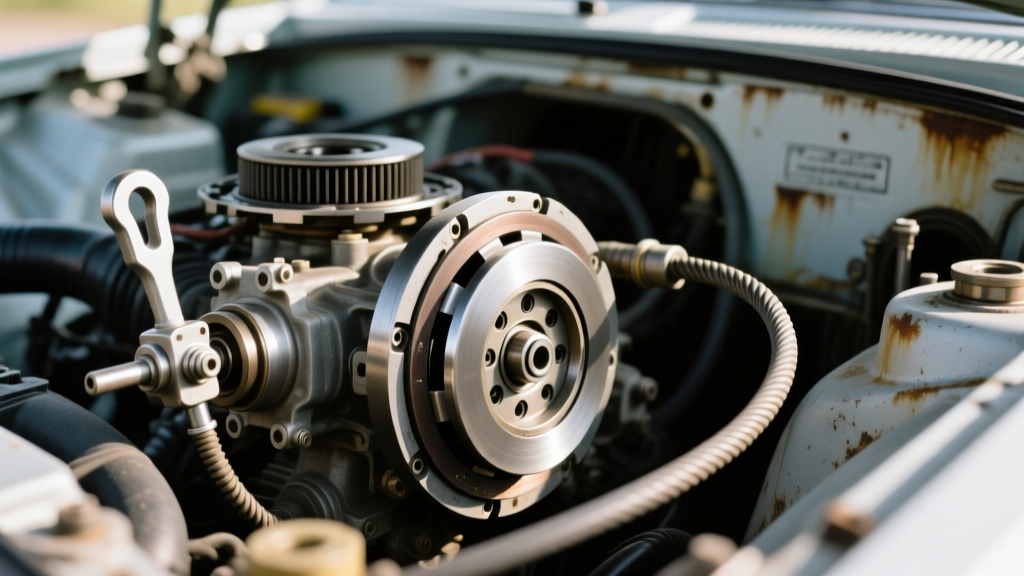
If auditory diagnostics confirm internal throw-out bearing failure, dropping the T-5 transmission is mandatory. However, simply swapping the bearing without inspecting the surrounding linkage geometry guarantees a repeat failure. When the bellhousing is off, you must inspect three critical Foxbody-specific components:
1. The Input Shaft Bearing Retainer (Snout)
The throw-out bearing slides on the aluminum bearing retainer collar (often called the snout). Over time, the hardened steel inner race of the TOB wears a groove into the softer aluminum snout. If you can feel a distinct ridge or trench with your fingernail, the new bearing will bind and wobble. You must replace the retainer collar (Ford part #E6ZZ-7050-A) or install a steel sleeve repair kit.
2. The Clutch Fork and Pivot Ball Geometry
The Foxbody uses a stamped steel clutch fork that rides on a threaded pivot ball screwed into the bellhousing. Early 1983-1988 Non-World Class T-5s and later 1989-1993 World-Class T-5s utilize slightly different fork ratios and pivot ball heights. Inspect the dimple on the clutch fork where it contacts the pivot ball. If the dimple is worn through, the fork geometry changes, pushing the throw-out bearing at an acute angle against the pressure plate fingers, causing rapid asymmetric wear.
3. The Cable Quadrant and Firewall Adjuster
Before reinstalling the transmission, inspect the firewall-mounted cable adjuster. The plastic grommets and aluminum threads frequently strip under the high load of a stiff aftermarket clutch disc. If the adjuster is stripped, no amount of cable adjustment will hold the free-play, leading back to the constant-preload bearing failure mentioned earlier.
Exact Part Numbers, Pricing, and Torque Specifications
Sourcing the correct components is vital. Avoid cheap, unbranded offshore throw-out bearings; the T-5 requires a bearing capable of handling the lateral load of a stiff diaphragm spring. Below is the definitive parts and torque list for a Foxbody T-5 clutch service. You can verify fitment and availability through the RockAuto Auto Parts Catalog or specialized performance retailers like Summit Racing Adjustable Clutch Cables.
| Component | OEM / Premium Part Number | Est. Price (USD) | Torque Specification |
|---|---|---|---|
| Throw-Out Bearing | Timken 614093 / Ford E7ZZ-7548-A | $35 - $55 | N/A (Press/Snap fit) |
| Adjustable Clutch Cable | Ford Performance M-7553-A | $70 - $95 | Adjuster locknut: 15 lb-ft |
| Clutch Fork Pivot Ball | Ford E6ZZ-7526-A | $12 - $18 | 25 - 30 lb-ft (w/ threadlocker) |
| Bearing Retainer Snout | Ford E6ZZ-7050-A | $40 - $60 | Retainer bolts: 12 - 15 lb-ft |
| Bellhousing to Block | Factory Hardware (Grade 8) | N/A | 40 - 50 lb-ft |
| Trans Crossmember to Body | Factory Hardware | N/A | 25 - 35 lb-ft |
The 2026 Standard for Clutch Pedal Free-Play Adjustment
Whether you are performing a routine clutch cable change or reassembling the drivetrain after a throw-out bearing replacement, setting the free-play correctly is non-negotiable. The modern standard for Foxbody mechanical linkages dictates exactly 1/2-inch to 1-inch of free-play measured at the clutch pedal pad.
- Measure the Resting Position: With the engine off, use your fingers to lightly pull the clutch pedal upward until it hits the internal stop. Mark this position.
- Find the Engagement Point: Gently push the pedal down by hand. The exact moment you feel resistance (the throw-out bearing contacting the diaphragm spring fingers) is the engagement point.
- Adjust the Firewall Nut: The distance between the resting position and the engagement point is your free-play. If it is less than 1/2-inch, loosen the locknut on the firewall cable adjuster and back the cable out to introduce slack.
- Verify Under Load: Start the vehicle and engage the clutch. Listen for chirping at idle with your foot completely off the pedal. If you hear bearing noise with zero foot pressure, the cable is still too tight, or the clutch fork pivot ball is worn, altering the resting geometry.
Final Verdict: Replacing the Cable vs. Dropping the Transmission
Diagnosing throw-out bearing noise on a cable-clutch vehicle requires a methodical elimination of external linkage variables. If the noise is strictly RPM-dependent and triggered by light pedal pressure, the throw-out bearing is failing, and the T-5 transmission must be removed. However, if the pedal feels notchy, binds during travel, or produces metallic scraping independent of engine speed, a clutch cable change is your required fix. By adhering to strict free-play measurements and inspecting the T-5 input shaft snout and pivot ball geometry during service, you can ensure your Foxbody Mustang's drivetrain survives the rigors of both daily driving and high-RPM track use.