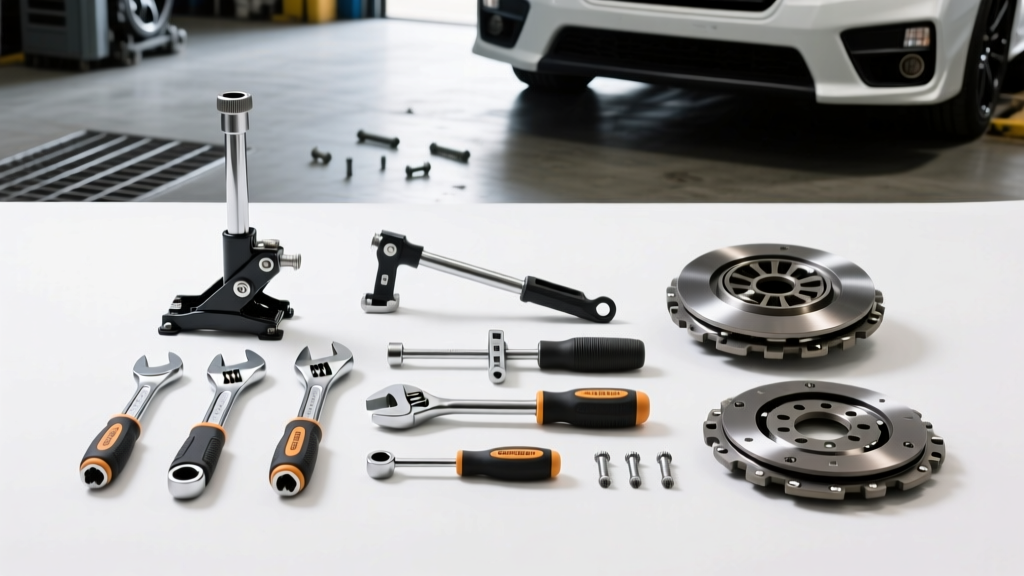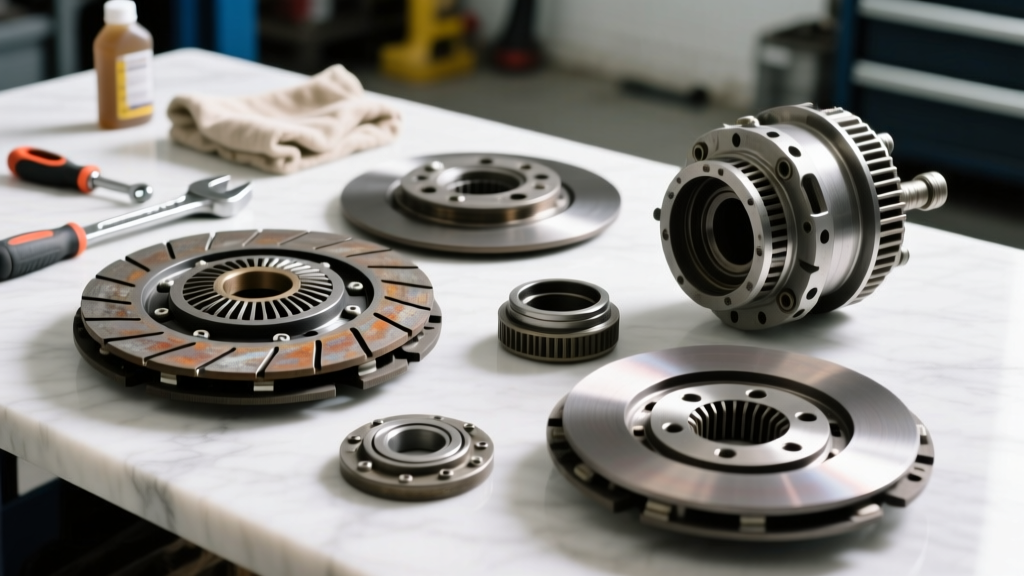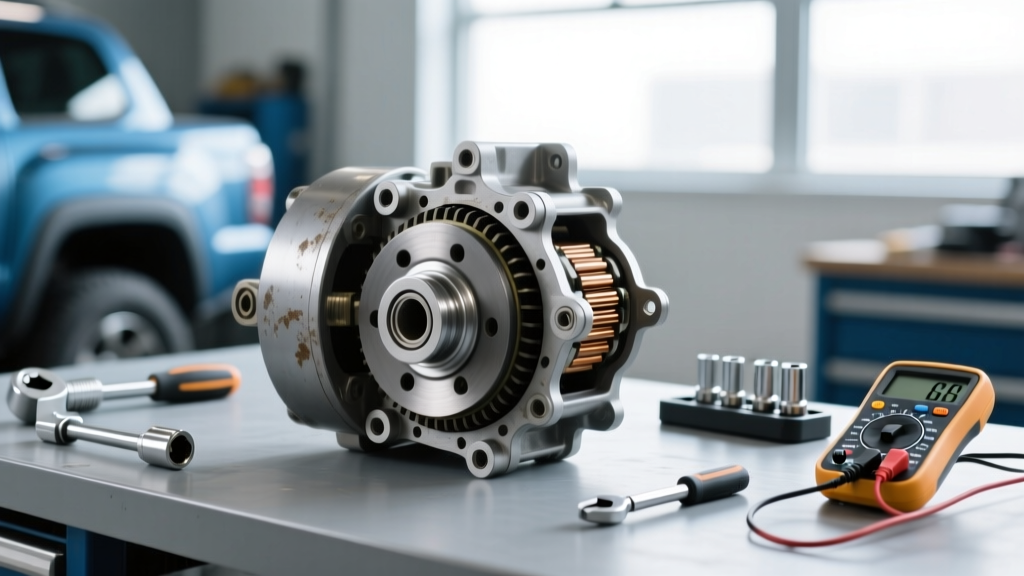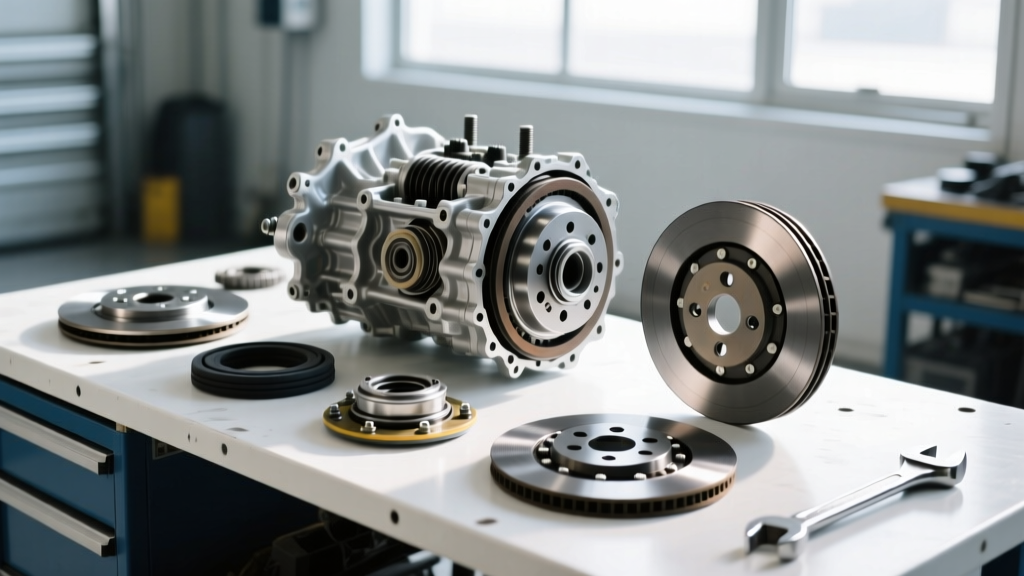
The modern Ford Ranger has evolved from a simple compact pickup into a sophisticated, torque-heavy midsize platform. For manual transmission enthusiasts, the 2019 through 2026 models equipped with the 2.3L EcoBoost engine and the Getrag MT-82 6-speed manual transmission offer a highly engaging driving experience. However, when the friction material finally gives out, performing a ford ranger clutch replacement is not as straightforward as swapping clutches on older, simpler vehicles. The MT-82 is a precision-engineered gearbox that demands strict adherence to factory tolerances, specific hydraulic fluids, and software recalibrations.
The MT-82 Transmission: A New Standard for the Ranger
Before diving into the pitfalls, it is crucial to understand the hardware. The MT-82 transmission was designed to handle the 310 lb-ft of torque generated by the 2.3L EcoBoost engine. Unlike the older Tremec T5 or M5R1 transmissions found in legacy Rangers, the MT-82 features an internal Concentric Slave Cylinder (CSC), a dual-mass flywheel (DMF) for torsional damping, and a sophisticated electronic clutch monitoring system. Treating this modern drivetrain like a vintage setup is the fastest way to ruin a brand-new clutch kit and damage the transmission input shaft. Below, we break down the five most common, catastrophic mistakes made during a Ford Ranger clutch replacement and how to avoid them.
Mistake 1: Botching the Concentric Slave Cylinder (CSC) Pre-Bleed
The most frequent point of failure in a modern Ranger clutch job is the hydraulic release system. The MT-82 utilizes an internal CSC, meaning the slave cylinder and release bearing are a single unit housed inside the bellhousing. Because the CSC sits at the lowest point of the hydraulic circuit and features complex internal valving, simply bolting it up and pumping the clutch pedal will almost never bleed the system completely.
The Air Trap and Spongy Pedal Syndrome
If you fail to pre-bleed the CSC on the bench before installation, an air pocket will become trapped in the master cylinder line. This results in a spongy pedal, incomplete clutch disengagement, and severe gear grinding when shifting into first or reverse. Furthermore, using the wrong fluid will destroy the internal seals. Ford strictly specifies Motorcraft DOT 4 LV (Low Viscosity) brake fluid (Part #PM-20) for the clutch hydraulic system. Standard DOT 3 or non-LV DOT 4 fluids have the wrong viscosity profile for the Ranger's clutch master cylinder valves, leading to sluggish pedal return in cold weather and premature seal degradation. Always use a vacuum bleeder on the master cylinder reservoir while an assistant opens the bleed nipple on the side of the MT-82 bellhousing to ensure a 100% air-free system.
Mistake 2: Ignoring Bellhousing Runout and Alignment Dowels
The 2.3L EcoBoost features an aluminum engine block, and the MT-82 bellhousing is also aluminum. While this saves weight, it introduces significant thermal expansion variables and machining stack-up tolerances. Many DIY mechanics and general repair shops simply guide the transmission onto the factory dowel pins and torque down the bellhousing bolts without checking runout.
The 0.005-Inch Tolerance Rule
According to the Ford Service Content Portal, maximum allowable bellhousing runout for the MT-82 is a strict 0.005 inches (0.127 mm). If the runout exceeds this limit, the transmission input shaft will not sit perfectly concentric with the engine crankshaft. This misalignment forces the input shaft to bend slightly under load, causing catastrophic wear to the transmission's front main bearing and the pilot bearing. It also leads to uneven clutch disc wear and high-speed driveline vibrations. You must use a magnetic base dial indicator mounted to the crankshaft flange to measure the inner bore of the bellhousing. If runout is out of spec, you must install adjustable offset dowel pins (available from aftermarket brands like Lakewood or Moroso) to perfectly align the bellhousing before final torque.
Mistake 3: The Single-Mass Flywheel (SMF) Conversion Trap
When the factory Dual-Mass Flywheel (DMF) wears out, the replacement cost can be steep—often exceeding $600 for an OEM-equivalent unit from Schaeffler LuK Aftermarket or Sachs. To save money, many owners opt for a cheap Single-Mass Flywheel (SMF) conversion kit. On a low-torque commuter car, this might be acceptable. On the 2.3L EcoBoost Ranger, it is a massive mistake.
Torsional Damping and NVH
The 2.3L EcoBoost utilizes direct injection and high compression, creating aggressive low-end torque pulses. The factory DMF contains internal torsional damper springs designed to absorb these pulses before they reach the MT-82 gear train. If you install a solid SMF, those harmonic vibrations are transferred directly into the transmission. The result is severe 'gear rattle' or 'neutral knock' at idle, increased cabin Noise, Vibration, and Harshness (NVH), and accelerated wear to the MT-82 synchronizers and gear teeth. Unless you are building a dedicated, stripped-out track truck and have tuned the PCM to manage the harsh engagement, always replace the DMF with a high-quality OEM-spec dual-mass unit to preserve the drivetrain's longevity and refinement.
Mistake 4: Input Shaft Over-Lubrication and Pivot Ball Neglect
Lubricating the transmission input shaft splines is necessary to prevent binding and ensure smooth clutch disengagement. However, over-greasing the splines is a classic error that ruins new friction discs. If you pack the splines with standard chassis grease, centrifugal force will sling the excess lubricant outward onto the clutch friction material the moment you start the engine. This causes immediate clutch chatter, slipping, and requires a complete teardown to fix.
The Correct Grease and Pivot Inspection
Use only a very light smear of high-temperature molybdenum disulfide (moly) grease, such as Motorcraft XL-2, applied with a finger or small brush directly to the splines. Wipe away any excess before sliding the clutch disc onto the shaft. Additionally, while the transmission is out, inspect the clutch fork pivot ball stud. The MT-82 clutch fork rides on a spherical pivot ball that is prone to developing deep wear grooves over 80,000+ miles. If you reuse a grooved pivot ball with a new CSC and clutch fork, the fork will bind, resulting in a notchy pedal feel and uneven pressure plate finger wear. Replace the pivot ball stud if any grooving is visible.
Mistake 5: Skipping the PCM Clutch Adaptive Learning Reset
Modern vehicles are heavily integrated with software. The Ford Ranger's Powertrain Control Module (PCM) monitors the Clutch Pedal Position (CPP) sensor and the Cruise Control Deactivation Switch to manage engine torque delivery during shifts, enable start-in-gear functionality, and track clutch slip over time. As a clutch wears, the PCM adapts its shift torque-reduction maps and idle air control to compensate for the changing bite point.
Recalibrating the Bite Point
If you install a new clutch and flywheel without resetting the PCM's adaptive learning tables, the computer will still apply torque management parameters meant for a worn, slipping clutch. This can result in harsh engagement, erratic idle when the clutch is depressed, and premature wear on the new friction material. You must use an advanced OBDII diagnostic tool like FORScan Diagnostic Software to access the PCM service routines and perform a 'Clutch Position Sensor Reset' and clear the Keep Alive Memory (KAM). This forces the PCM to relearn the exact engagement point of the new clutch assembly during your first few test drives.
Critical MT-82 Torque Specifications and Fluid Data
Precision assembly requires exact torque values. The following table outlines the critical specifications for the 2019-2026 Ford Ranger 2.3L EcoBoost MT-82 clutch replacement. Always use a calibrated torque wrench and verify thread cleanliness before tightening.
| Component | Specification | Technical Notes |
|---|---|---|
| Bellhousing to Engine Block | 37 lb-ft (50 Nm) | Apply medium threadlocker to upper bolts to prevent vibration loosening. |
| Pressure Plate to Flywheel | 22 lb-ft (30 Nm) | Must be torqued in a gradual, multi-pass star pattern to prevent warping. |
| Clutch Fork Pivot Ball Stud | 18 lb-ft (25 Nm) | Inspect for grooves; apply light high-temp grease to the fork contact pad. |
| Transmission Crossmember | 85 lb-ft (115 Nm) | Ensure transmission is fully supported before removal or installation. |
| Driveshaft Flange Bolts | 76 lb-ft (103 Nm) | Mark flange alignment before removal to maintain driveline balance. |
| Hydraulic System Fluid | DOT 4 LV (PM-20) | Do NOT substitute with standard DOT 3 or silicone DOT 5 fluids. |
Post-Installation Bedding and Break-In Protocol
The physical installation is only half the battle; how you drive the Ranger for the first 500 miles dictates the lifespan of the new friction material. The bedding process transfers a microscopic layer of friction material onto the flywheel surface, creating a uniform mating surface. During the break-in period, avoid 'lugging' the engine (operating at high load below 1,500 RPM), as this generates excessive heat and can glaze the new clutch disc. Furthermore, despite the Ranger's impressive 7,500 lb towing capacity, you must avoid towing heavy trailers or hauling maximum payload during the first 1,000 miles. Stick to varied city and suburban driving to allow the clutch to undergo hundreds of smooth, low-heat engagement cycles. By respecting the engineering of the MT-82 and avoiding these common pitfalls, your Ford Ranger clutch replacement will yield a crisp pedal, seamless power delivery, and hundreds of thousands of miles of reliable service.