The Infamous Quick-Connect Dilemma on Ford Rangers
When performing a clutch hydraulic line replacement on a Ford Ranger—particularly models equipped with the legendary M5OD-R1, M5OD-R1HD (Mazda 5-speed), or the later MT-82 manual transmissions—mechanics inevitably face a notorious hurdle: the firewall quick-connect fitting. As of 2026, with the classic 1998–2011 Ranger generation now aging between 15 and 28 years, the plastic components within these hydraulic junctions have undergone severe heat cycling. The result is a highly brittle ford ranger clutch line retaining clip that is prone to catastrophic failure during removal.
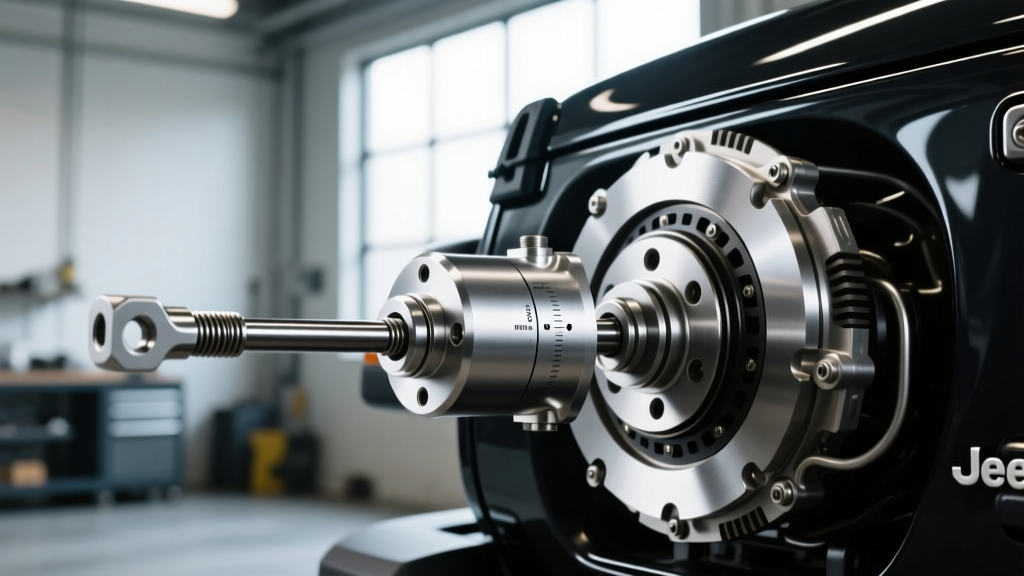
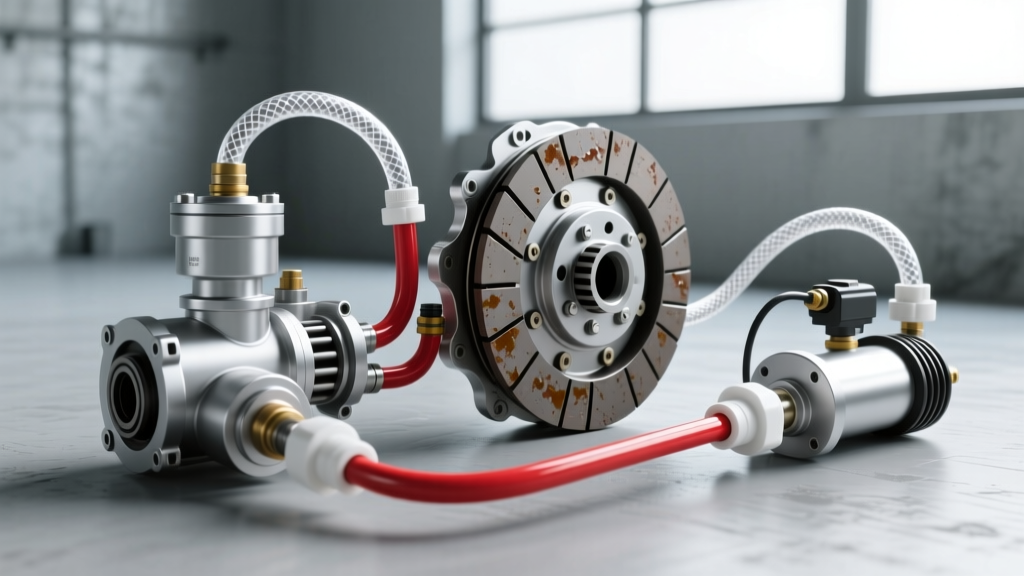
The hydraulic clutch system in these trucks relies on a single continuous line running from the under-dash master cylinder, through the firewall, down the frame rail, and into the bell housing to actuate the Concentric Slave Cylinder (CSC). The firewall junction utilizes a quick-connect fitting secured by a small, U-shaped plastic retainer. If mishandled, this clip shatters, or worse, the internal stainless-steel grab-rings score the soft aluminum port of the master cylinder, necessitating a complete master cylinder replacement.
Anatomy of the Quick-Connect Fitting
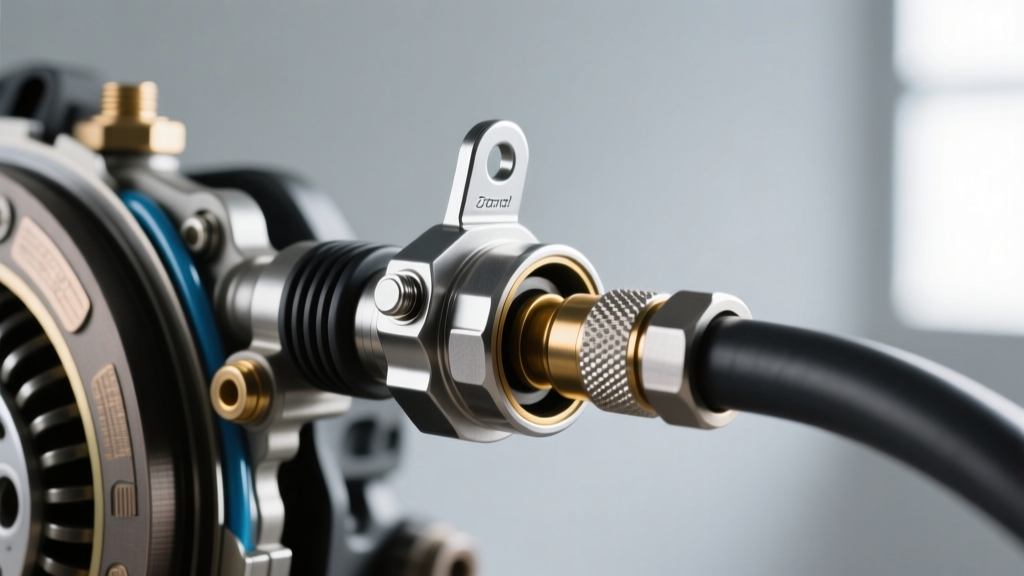
To service this system correctly, you must understand the internal mechanics of the quick-connect. The fitting consists of three primary components:
- The Body: Usually integrated into the master cylinder output or a hard-line extension.
- The Internal Collets (Grab-Rings): Stainless steel spring clips that bite into the nylon or steel hydraulic line to prevent it from pulling out under pressure.
- The Retaining Clip: A plastic (often white, yellow, or red) U-clip that slides into a groove on the outside of the fitting, preventing the internal collets from expanding and releasing the line.
The 'Push-In' Extraction Method: Saving the Aluminum Port
The most common mistake DIYers and general lube techs make is immediately prying at the plastic retaining clip with a pick or flathead screwdriver. Because the hydraulic system is under residual static pressure (even when the pedal is released), the internal collets are pulled tightly against the retaining clip. Prying the clip under this tension will snap the aged plastic instantly.
Step-by-Step Safe Extraction
- Relieve Residual Pressure: Open the CSC bleeder valve slightly to drop system pressure, then close it. Place a catch pan under the firewall.
- The Push-In Technique: Firmly push the hydraulic line into the quick-connect fitting (toward the master cylinder). This 1/8-inch inward travel relieves the outward tension on the internal collets.
- Extract the Clip: While maintaining inward pressure on the line, use a small hooked pick or a specialized quick-connect release tool to gently slide the ford ranger clutch line retaining clip out of its channel. It should slide out with zero resistance.
- Release the Collets: Once the plastic clip is removed, push the line in again, and use a specialized quick-connect release tool (or carefully compress the exposed internal collets with two small picks) to release the grab-rings.
- Pull and Inspect: Pull the line straight out. Immediately inspect the master cylinder port for scoring or embedded O-ring debris.
Comparative Analysis: OEM vs. Aftermarket Retainer & Line Kits
When replacing the line or just the retainer, you have several pathways. Sourcing the exact OEM clip from a dealership parts counter can be surprisingly difficult, as many dealers only sell the entire master cylinder assembly. Here is how the replacement options stack up for the 2026 repair landscape.
| Option / Brand | Part Number / Spec | Estimated Cost (2026) | Expert Verdict |
|---|---|---|---|
| Motorcraft (OEM Line Assembly) | CM-681142 (Varies by Year) | $85 - $130 | Best for concours restorations. Includes new factory plastic quick-connects which will eventually degrade again. |
| Dorman Quick-Connect Repair Kit | 800-114 (5/16") / 800-117 | $8 - $15 | Excellent for replacing just the broken clip and internal O-rings without buying a whole new line. Readily available at local auto parts stores. |
| Russell Performance / Custom PTFE | AN-3 Bulkhead & Stainless Line | $110 - $160 | The ultimate 'do-it-once' upgrade. Eliminates the plastic quick-connect entirely by using an AN-3 threaded bulkhead fitting through the firewall. |
The AN-3 Bulkhead Upgrade Path
For trucks used in off-road or heavy-duty towing applications, we highly recommend deleting the plastic quick-connect. By cutting the factory hard-line at the firewall and installing an AN-3 bulkhead fitting, you can route a stainless steel braided PTFE hose directly to an AN-3 to 10mm inverted flare adapter at the master cylinder. This completely eliminates the need for a ford ranger clutch line retaining clip and prevents the dreaded 'stranded on the trail with no clutch' scenario caused by a popped plastic retainer.
Bleeding the M5OD-R1HD and MT-82 Concentric Slave Cylinders
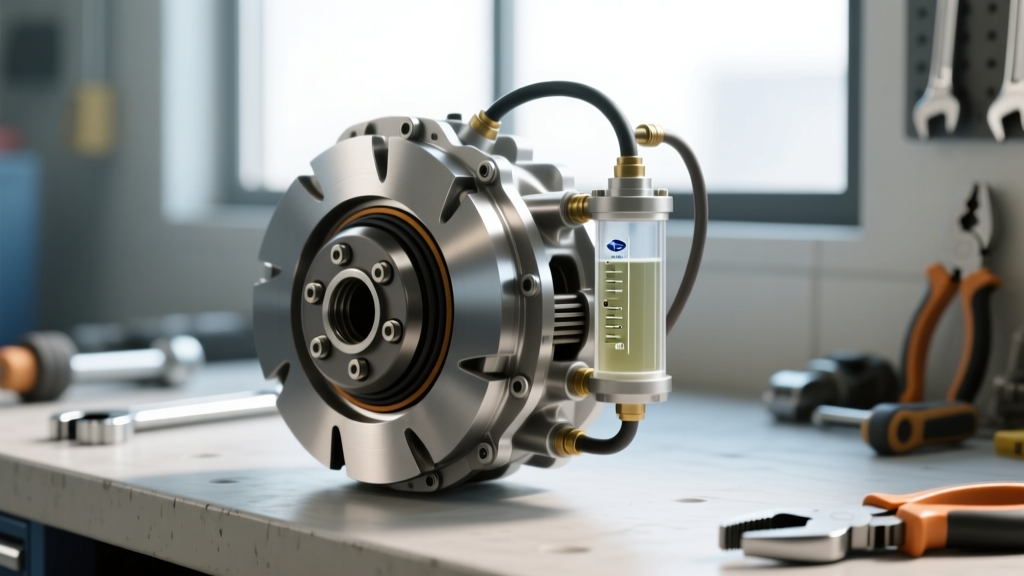
Once the new line is installed and the retaining clip is securely seated (always pull back on the line firmly to verify the grab-rings have engaged), the system must be bled. The internal CSC design on the M5OD-R1HD and MT-82 transmissions is notorious for trapping air in the bell housing loop.
Torque Specifications & Access
Accessing the bleeder valve on the internal CSC requires reaching up past the transmission crossmember. Use a 10mm or 8mm flare-nut wrench to avoid rounding the soft brass bleeder screw. Critical Torque Spec: The CSC bleeder valve should only be tightened to 8 Nm (71 lb-in). Overtightening will crack the cast aluminum housing of the slave cylinder, resulting in a massive fluid leak inside the bell housing that requires transmission removal to fix.
Gravity vs. Pressure Bleeding Protocols
According to Motorcraft Official Brake & Clutch Fluid Specifications, the system requires DOT 3 (PM-1-C) or DOT 4 LV (PM-20) fluid. Total system capacity is approximately 1.2 to 1.5 liters.
- Gravity Bleeding (Recommended for CSC): Because the line dips down into the bell housing and loops back up, pressure bleeding can sometimes push micro-bubbles into the slave cylinder's internal crevices. Gravity bleeding over 4-6 hours allows the air to naturally rise back up the line to the master cylinder reservoir.
- Reverse Bleeding: Using a reverse-bleeder to push fluid from the CSC bleeder valve UP to the master cylinder reservoir is highly effective for Rangers, as it follows the natural upward path of air bubbles.
Expert Diagnostics: Post-Replacement Verification Matrix
After completing the hydraulic line replacement, use this diagnostic matrix to verify system integrity before reinstalling the transmission skid plate or interior dash panels.
| Symptom | Probable Cause | Expert Solution |
|---|---|---|
| Pedal feels spongy but firms up after pumping | Trapped air in the CSC loop or master cylinder pushrod misadjusted | Perform a reverse-bleed; check master cylinder pushrod free-play (should be 1-2mm). |
| Fluid weeping from firewall fitting | Missing internal O-ring or scratched quick-connect bore | Replace O-ring using Dorman 800-series kit; polish bore with 2000-grit sandpaper if lightly scored. |
| Pedal goes to floor and stays down | CSC internal seal failure (blown out during high-pressure bleeding) | Transmission must be dropped to replace the Concentric Slave Cylinder. Never exceed 20 PSI when pressure bleeding a CSC. |
| Hard shifting into 1st or Reverse | Insufficient hydraulic stroke due to line expansion | Upgrade to stainless braided PTFE line to eliminate factory nylon line ballooning under pressure. |
Final Thoughts on Ranger Hydraulic Longevity
The ford ranger clutch line retaining clip is a $2 piece of plastic that stands between you and a fully operational manual transmission. By utilizing the push-in extraction method, upgrading to modern PTFE lines where applicable, and adhering to strict 8 Nm torque limits on the CSC bleeder valve, you can ensure your Ranger's hydraulic system survives the harsh realities of daily driving and off-road use. For deeper community-sourced wiring and hydraulic diagrams, the Ranger-Forums Technical Archives and Dorman Products Quick-Connect Catalog remain invaluable resources for the modern drivetrain specialist.