The Dual-Nature of Focus Clutch Actuators
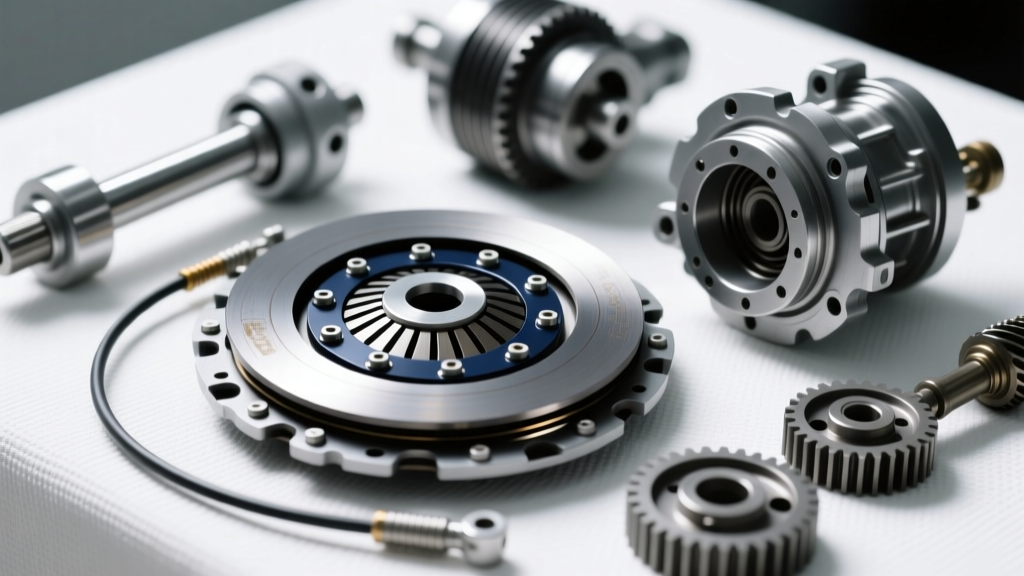
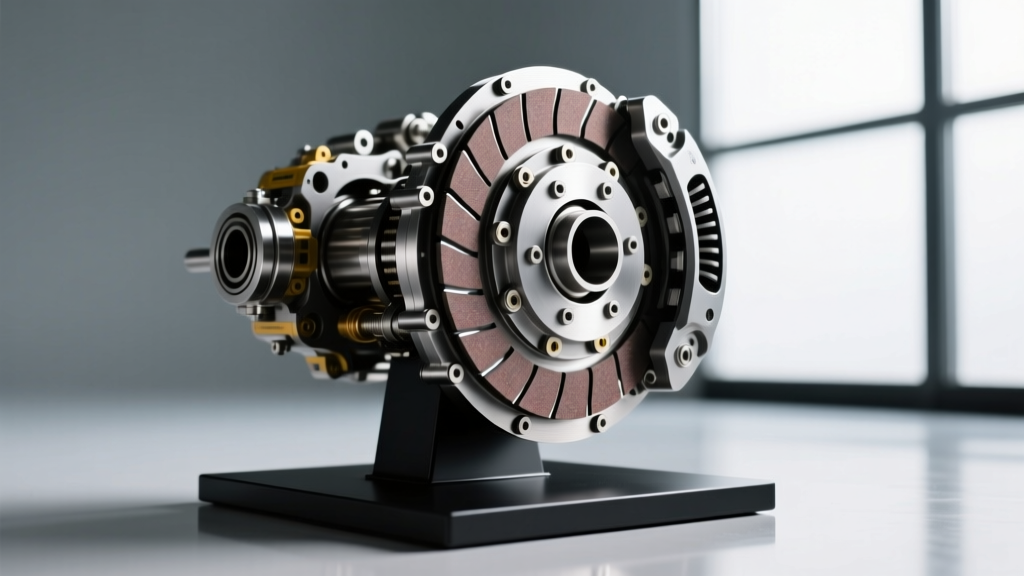
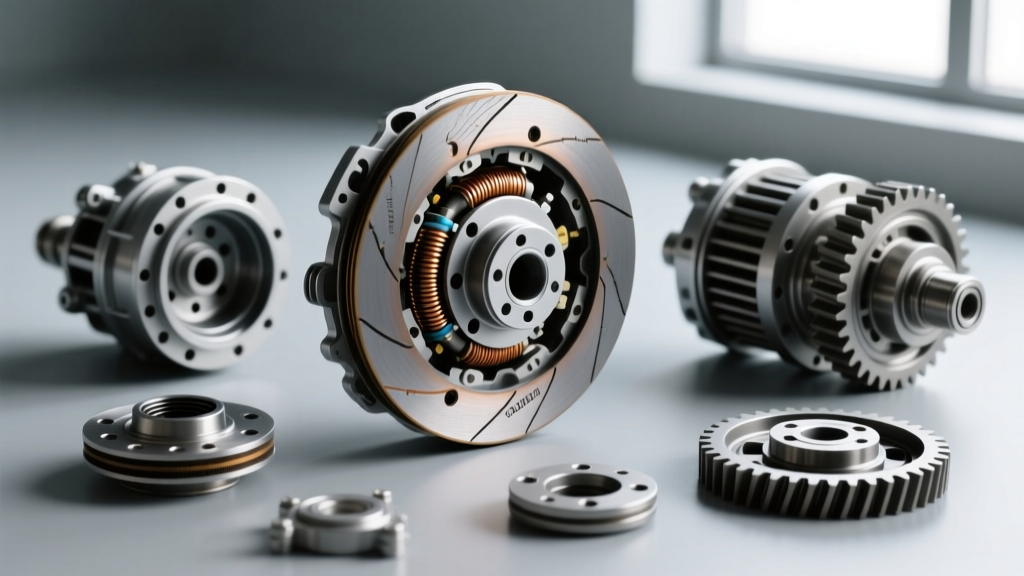
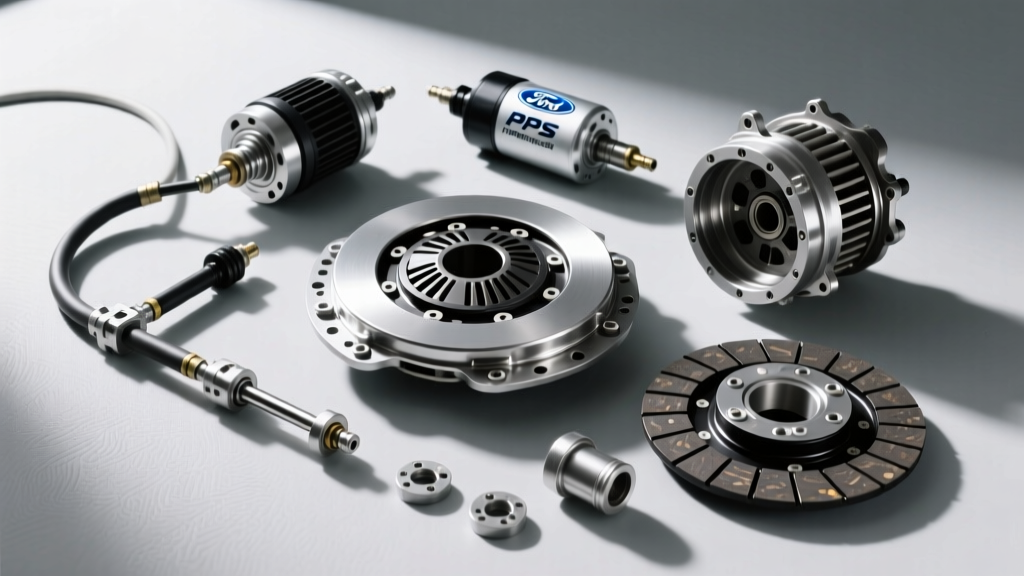
When diagnosing drivetrain faults in the Ford Focus, the term 'actuator' refers to two entirely different mechanical systems depending on your transmission. For models equipped with the notorious DPS6 PowerShift dual-clutch transmission (DCT), the Ford Focus clutch actuator refers to the electric shift drum motors that physically engage the clutch packs. Conversely, for traditional manual models utilizing the IB5 or MTX-75 transmissions, the actuator is the hydraulic Concentric Slave Cylinder (CSC). As of 2026, aftermarket support and diagnostic tooling for both systems have matured significantly, but precise inspection protocols remain critical to avoid misdiagnosis and unnecessary teardowns.
This technical deep-dive provides a comprehensive clutch system inspection checklist tailored specifically to the Ford Focus platform. We will cover OBD-II telemetry, physical shift drum motor inspection, and hydraulic CSC diagnostics, complete with factory torque specifications and adaptation thresholds.
Phase 1: DPS6 PowerShift Actuator Motor Diagnostics
The DPS6 transmission relies on two electric shift drum motors: Actuator A (controlling Clutch 1 for odd gears 1, 3, 5, and Reverse) and Actuator B (controlling Clutch 2 for even gears 2, 4, and 6). Failure of these actuators typically manifests as harsh engagements, 'Transmission Fault' warnings, or a complete loss of odd/even gear sets.
Telemetry and FORScan PID Analysis
Before removing any hardware, connect an advanced OBD-II scanner (such as FORScan) to monitor live clutch actuator data. The most critical metric is the Clutch Touch-Point. This value indicates how far the actuator motor must rotate the shift drum to achieve friction material contact.
- Healthy Touch-Point: 10.5mm to 12.5mm
- Wear Compensation Threshold: 12.6mm to 14.5mm
- Critical Failure / Motor Burnout Zone: > 15.0mm
When the clutch pack wears down, the Transmission Control Module (TCM) commands the actuator motor to rotate further to maintain engagement. If the touch-point exceeds 15.0mm, the electric motor operates outside its efficient torque band, leading to excessive amperage draw, carbon brush dust accumulation, and eventual motor failure. According to Sonnax transmission engineers, ignoring high touch-point values is the leading cause of premature DPS6 actuator motor burnout.
Phase 2: Comprehensive Actuator Inspection Checklist
Use the following diagnostic matrix to isolate the exact failure point within the Ford Focus clutch actuator assembly.
| Component / System | Inspection Method | Failure Threshold / Symptom | Corrective Action |
|---|---|---|---|
| Actuator Motor A/B | Scan tool amperage draw test & visual brush inspection | Draw exceeds 4.5 Amps during shift; visible carbon dust in housing | Replace shift drum motor; clean internal magnets |
| Shift Drum Position Sensor | Oscilloscope or scan tool PID position correlation | Position deviation > 2.0 degrees from commanded TCM target | Replace sensor; perform TCM clutch adaptation |
| Clutch Fork & Pivot Ball | Physical inspection via transmission side cover | Pivot ball wear > 1.5mm; fork pad grooving or cracking | Replace pivot ball and fork; apply high-temp synthetic grease |
| TCM Harness Connector | Pin drag test and dielectric grease inspection | Green corrosion on pins 14-18; loose pin retention | Clean with electronic contact cleaner; repair pigtail if necessary |
| Dual Clutch Pack | FORScan Clutch Touch-Point & Volume adaptation | Touch-point > 15.0mm; Clutch volume < 4.0cc | Replace dual clutch pack assembly; reset TCM adaptations |
Phase 3: Manual Transmission Hydraulic Actuator (CSC) Diagnostics
For Focus models equipped with the IB5 (1.6L/2.0L EcoBoost) or MTX-75 (ST/RS models) manual transmissions, the clutch actuator is a hydraulic Concentric Slave Cylinder (CSC) located inside the bellhousing. Symptoms of a failing hydraulic actuator include a spongy pedal, inability to engage first gear or reverse while idling, and fluid loss without visible external leaks.
Hydraulic System Pressure & Volume Test
A common misdiagnosis is blaming the CSC when the master cylinder is the actual culprit. The Focus utilizes a 5/8-inch (15.87mm) bore master cylinder. To verify the hydraulic actuator's health:
- Check Master Cylinder Pushrod Play: There should be exactly 1.0mm to 2.0mm of free play at the pedal pushrod before engaging the master cylinder piston. Zero free play causes the master cylinder bypass port to remain blocked, leading to CSC over-pressurization and seal blowout.
- Inspect the CSC Weep Hole: Locate the weep hole at the bottom of the bellhousing. If Motorcraft DOT 4 High Performance Motor Vehicle Brake Fluid (PM-1-C) is present, the CSC internal seal has failed. Because the CSC is a sealed, non-serviceable unit, complete replacement requires transmission removal.
- Reverse Bleed the System: The Focus hydraulic line features a restrictive quick-connect fitting that traps air. Standard top-down bleeding often fails. Use a reverse pressure bleeder pushing fluid from the CSC nipple up to the master cylinder reservoir to ensure absolute air evacuation.
Precision Torque Specifications & Reinstallation Protocol
Whether you are reseating a DPS6 shift drum motor or reinstalling an MTX-75 transmission after a CSC replacement, adhering to factory torque specifications is non-negotiable to prevent harmonic vibration and clutch chatter. Always reference the latest Ford Technical Service Guidelines for your specific VIN.
DPS6 PowerShift Fastener Specs
- Actuator Motor Mounting Bolts (M6 x 1.0): 10 Nm (89 lb-in). Note: Do not use impact tools; these thread into aluminum and strip easily.
- Shift Drum Position Sensor Bolts (M5): 5 Nm (44 lb-in).
- TCM to Transmission Case Bolts: 8 Nm (71 lb-in).
- Clutch Fork Pivot Ball Nut: 25 Nm (18 lb-ft).
Manual Transmission (MTX-75 / IB5) Fastener Specs
- Transmission to Engine Bellhousing Bolts (M12): 48 Nm (35 lb-ft).
- Transmission Mount to Subframe Bolts: 90 Nm (66 lb-ft).
- CSC Mounting Bolts (M6): 10 Nm (89 lb-in).
- Hydraulic Line Quick-Connect Retaining Clip: Hand-seat until audible 'click', then verify pull-test retention.
Cost Analysis & OEM Part References
Sourcing high-quality components is vital for the longevity of the Ford Focus clutch system. While the aftermarket offers cheaper alternatives, the complex electromechanical nature of the DPS6 and the sealed environment of the manual CSC make OEM or premium-tier parts the only logical choice for a lasting repair.
- DPS6 Shift Drum Motor (Actuator A/B): Motorcraft part numbers vary by year, but typically fall under the SW-7183 / SW-7184 or 6M5Z-7C604 series. Expect to pay between $180 and $260 per motor via Motorcraft distributors.
- DPS6 Dual Clutch Assembly: If the touch-point has exceeded 15.0mm and the friction material is depleted, the complete clutch pack (Motorcraft 7B157 series) costs between $450 and $650.
- Manual CSC (IB5/MTX-75): Motorcraft CM6Z-7A564-A or equivalent LuK/Sachs units range from $85 to $140.
- DPS6 Transmission Fluid: Motorcraft XT-11-QDC Dual Clutch Transmission Fluid. Capacity is approximately 1.9 Liters. Cost: ~$45 for the required quantity. Never use standard ATF in a DPS6; it will destroy the clutch friction material within 500 miles.
Expert Diagnostic Takeaway: The Ford Focus clutch actuator is rarely a standalone failure. In the DPS6, a failed motor is usually the victim of a worn clutch pack forcing it to over-rotate. In the manual models, a blown CSC is often the victim of an improperly adjusted master cylinder pushrod. Always diagnose the root cause using the touch-point and free-play metrics outlined in this checklist before authorizing parts replacement.