The Post-Repair Dilemma: Why Your Ford Focus Still Shudders
You just spent hundreds of dollars replacing the clutch pack or the dual-clutch actuator on your Ford Focus equipped with the notorious DPS6 PowerShift transmission. The mechanic assures you the mechanical work is flawless. Yet, the moment you pull out of the bay, the transmission shudders violently in first gear, hesitates on the 2-3 upshift, or throws a flashing wrench light with a "Transmission Fault" message. Welcome to the most common clutch problem after repair on the DPS6 platform: the failure to perform a proper software adaptation.
As we navigate the automotive repair landscape in 2026, the extended warranty TSBs (like 14M02 and 19N01) for the DPS6 dry dual-clutch system have largely expired. This means owners are entirely out-of-pocket for both mechanical replacements and the critical software calibrations that follow. Understanding the Ford Focus clutch actuator reset procedure, the associated costs, and the mechanical tolerances required for a successful post-repair adaptation is no longer optional—it is essential for saving your transmission from catastrophic self-destruction.
Decoding the Post-Replacement Adaptation Strategy
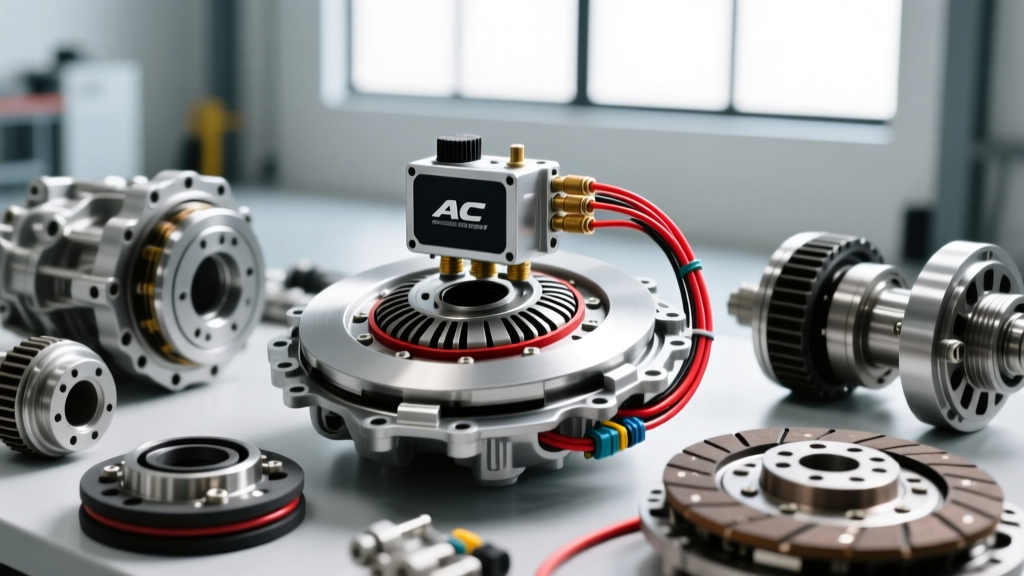
The DPS6 transmission does not use a traditional hydraulic slave cylinder. Instead, it relies on two electrically driven stepper-motor actuators (Actuator A for odd gears 1/3/5, and Actuator B for even gears 2/4/6/R). When you replace the clutch kit or the actuator assembly itself, the Transmission Control Module (TCM) and Powertrain Control Module (PCM) retain the historical "touch point" data—the exact motor step count where the clutch friction material meets the flywheel.
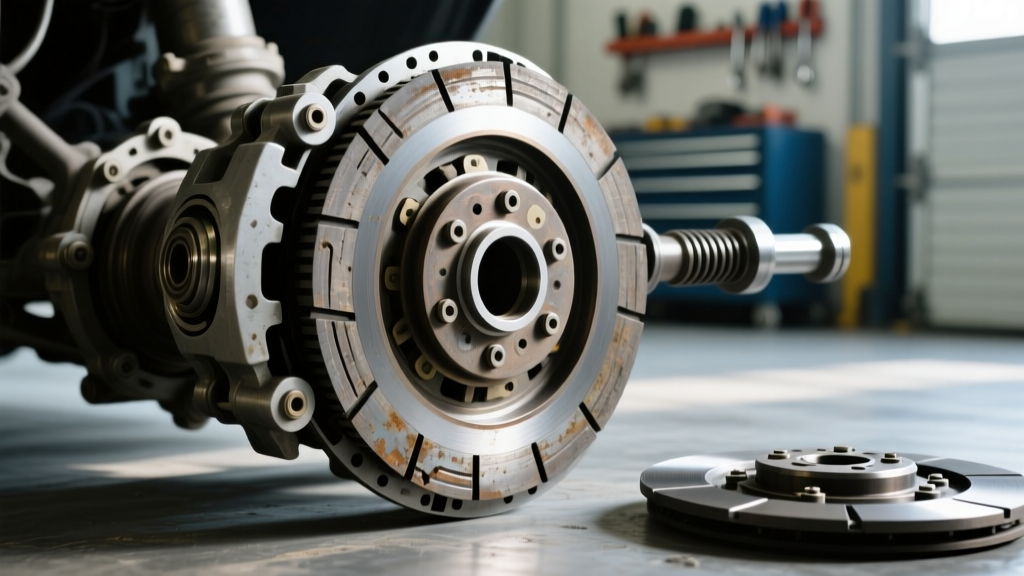
If you install a brand-new clutch pack with thicker friction material but fail to execute a Ford Focus clutch actuator reset, the PCM will command the actuator to the old, worn touch point. The result? The actuator over-travels, crushing the diaphragm spring, generating immense heat, and causing immediate clutch slip or harsh engagement. Conversely, if the touch point is set too early, the clutch drags, causing gear clash and synchronizer ring damage.
Mandatory Software Adaptations vs. Mechanical Adjustments
A proper post-repair reset involves two distinct phases that must be executed in order:
- Clutch Touch Point Adaptation (Static): The TCM slowly engages each clutch while monitoring the input shaft speed sensor (ISS) and output shaft speed sensor (OSS) to find the exact friction bite point.
- Actuator Motor Learn & Shift Drum Calibration: The system maps the physical limits of the shift forks and actuator gears to prevent over-stroking.
- Dynamic Drive Cycle Learning: A mandatory 10-15 mile drive cycle where the driver must perform specific throttle applications (e.g., 10% throttle upshifts, 50% throttle downshifts) to populate the adaptive pressure tables.
2026 Cost Breakdown: Reset Procedures & Actuator Replacements
Because the extended warranties have sunsetted, pricing for DPS6 clutch problems after repair now falls squarely on the consumer. Below is a comprehensive cost analysis for addressing post-replacement actuator and clutch issues in the current market.
| Service Type | Dealership (FDRS) | Independent Specialist | DIY (FORScan) |
|---|---|---|---|
| Clutch Touch Point Reset / Adaptation Only | $150 - $220 | $80 - $120 | $50 (OBDII Adapter) |
| Actuator Assembly Replacement (Parts + Labor) | $1,100 - $1,600 | $750 - $1,000 | $350 - $500 (Parts Only) |
| Full Clutch Pack & Dual-Mass Flywheel Kit | $2,200 - $3,000 | $1,400 - $1,800 | $600 - $850 (Parts Only) |
| TCM Replacement & Programmable Module Installation (PMI) | $900 - $1,300 | $600 - $800 | $250 - $400 (Used TCM) |
Note: If an independent shop replaces your clutch but lacks the bidirectional scan tool to perform the Ford Focus clutch actuator reset, you will still have to pay a secondary diagnostic and adaptation fee elsewhere. Always verify shop capabilities before authorizing mechanical work.
Part Numbers, Torque Specs, and DIY Realities
For the advanced DIYer utilizing tools like FORScan to perform the reset, understanding the mechanical installation parameters is just as critical as the software. Many post-repair shudder issues stem from improper mechanical assembly rather than software failure.
Critical DPS6 Fastener Specifications
Stripping the magnesium or aluminum threads on the DPS6 case during actuator installation is a common, fatal error. Adhere strictly to these torque specifications:
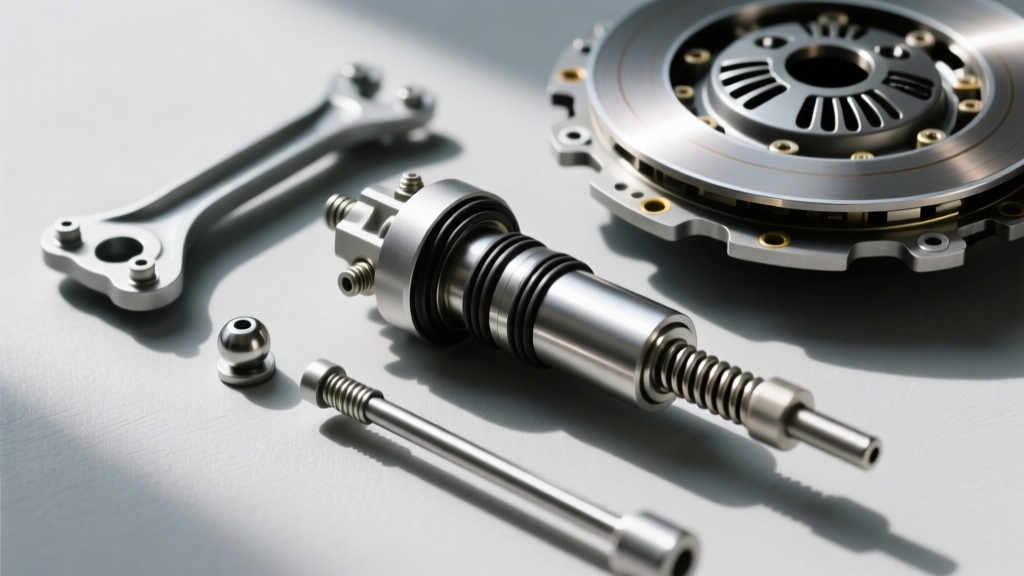
- Clutch Actuator to Transmission Case Bolts (M6): 10 Nm (89 lb-in). Do not over-torque; these threads strip easily.
- Clutch Fork Pivot Ball Stud: 25 Nm (18 lb-ft).
- Shift Drum Motor Mounting Bolts: 8 Nm (71 lb-in).
- Bellhousing to Engine Block (M10 Bolts): 40 Nm + 90 degrees.
- Dual-Mass Flywheel to Crankshaft (M10x1.25): 60 Nm + 90 degrees (Always use new TTY bolts).
OEM vs. Aftermarket Part Numbers
When sourcing replacement parts to fix clutch problems after a failed initial repair, stick to OEM Motorcraft or verified Tier-1 suppliers like LuK or Sachs. Cheap aftermarket actuators often feature weak plastic internal worm gears that strip during the high-torque adaptation phase.
- Clutch Actuator Assembly (OEM): CM5Z-7C600-A / E3FZ-7C600-A (Verify against your specific VIN via Ford Parts Catalog).
- Clutch Pack & Release Bearing Kit (LuK): RepSet 624323500.
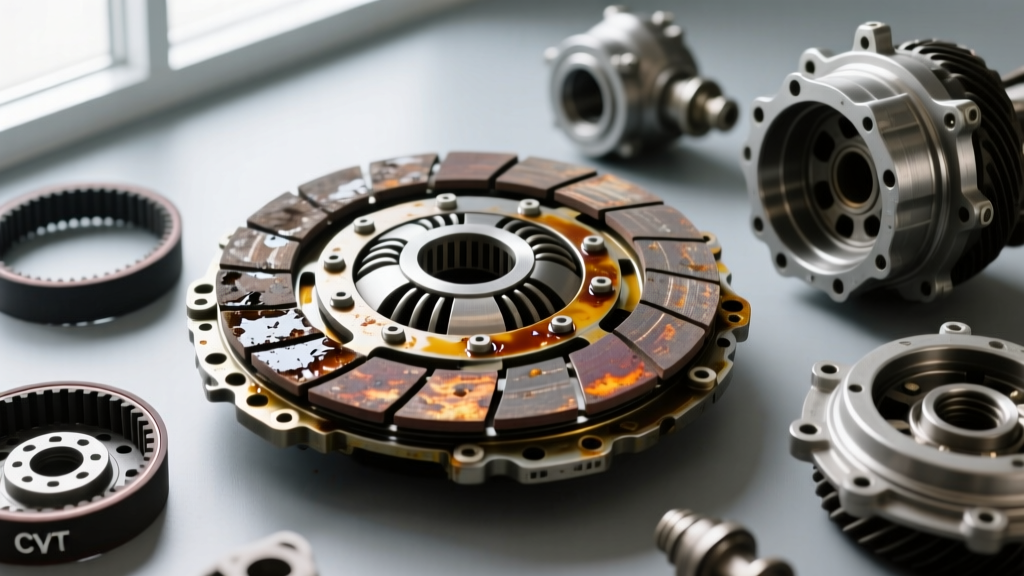
- Input Shaft Seals: Always replace the dual input shaft seals (Ford P/N: CM5Z-7052-A) when the bellhousing is separated, as leaks directly contaminate the dry clutches.
Troubleshooting Post-Replacement Actuator Faults
If you have performed the Ford Focus clutch actuator reset and the vehicle still exhibits harsh engagements or throws DTCs (Diagnostic Trouble Codes) like P090C (Clutch Actuator B Circuit Low) or P287A (Clutch A Performance), you must look beyond the software.
The Wiring Harness Chafe Point
A highly documented edge case in the Focus ST and standard Focus 2.0L DPS6 ecosystem is the main transmission wiring harness chafing against the engine block or bellhousing lip. Post-repair, if the harness is not routed exactly through the OEM retention clips, engine vibration will wear through the loom, shorting the 5V reference signal to the actuator position sensors. This mimics a failed actuator but is actually a $15 wiring repair. Inspect the 14-pin actuator connector for micro-corrosion and pin drag.
Fork and Synchronizer Wear
If the clutch was replaced due to slipping, but the shift forks were not inspected, the adaptation will fail. The DPS6 shift forks utilize Teflon-coated pads that ride on the clutch release bearings. If these pads wear through to the bare metal, the TCM cannot accurately calculate the stroke distance during the touch point reset, resulting in a persistent "Shift Fork Position Sensor" fault.
When to Cut Your Losses: The 2026 DPS6 Reality
According to data tracked by the National Highway Traffic Safety Administration (NHTSA), the DPS6 transmission remains one of the most complained-about powertrain components of the 2011-2018 era. If your post-repair costs are escalating—requiring an actuator replacement, a TCM flash, and a secondary clutch kit due to contamination—the financial threshold for a manual transmission swap (using a Ford IB5 or MTX-75 manual harness and pedal assembly) or a complete vehicle replacement must be considered. A full manual swap can cost between $2,500 and $4,000 at a specialized fabrication shop, but it permanently eliminates the need for any future actuator resets, TCM programming, or dry-clutch shudder complaints.
Final Diagnostic Takeaways
Clutch problems after repair on the Ford Focus are rarely the fault of the friction material itself; they are almost always a failure of the digital-mechanical handshake. Whether you are paying a dealer $200 for an FDRS adaptation or executing the Ford Focus clutch actuator reset yourself via an OBDII dongle, ensuring the TCM's touch points perfectly match the physical reality of the new clutch pack is the only way to restore drivability. Never skip the static adaptation, never ignore the dynamic drive cycle, and always torque your actuator bolts to the precise 10 Nm specification.