Why Fluid Maintenance Preserves Limited Slip Differential Benefits
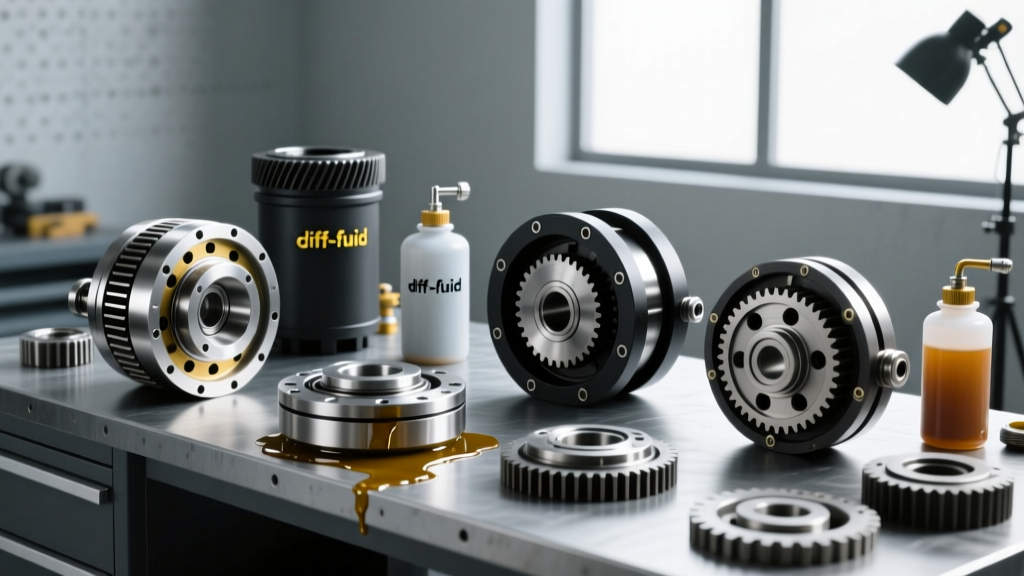
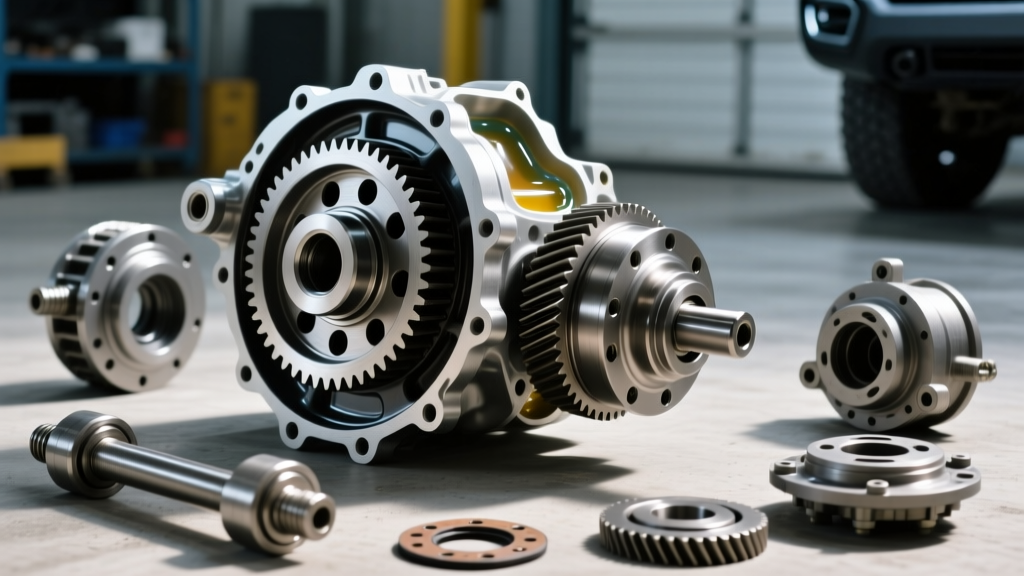
The limited slip differential (LSD) is a cornerstone of high-performance and off-road drivetrains, utilizing internal clutch packs or helical gears to distribute torque to the wheel with the most traction. However, realizing the full spectrum of limited slip differential benefits—such as reduced tire wear, improved cornering exit speeds, and enhanced off-road crawling—relies entirely on the chemical integrity of the gear oil and friction modifiers inside the housing. Over time, extreme shearing forces from the ring and pinion gears, combined with the intense heat generated by slipping clutch packs, degrade the fluid's viscosity and deplete the friction modifiers.
When the friction modifier degrades, the clutch packs experience a "stick-slip" phenomenon. This manifests as an audible chattering or binding noise during low-speed turns, ultimately leading to premature wear of the sintered iron clutches. In this comprehensive guide, we focus on the ubiquitous Ford 8.8-inch rear axle equipped with a clutch-type Trac-Lok LSD, detailing the exact procedure, factory specifications, and chemical requirements to keep your drivetrain operating flawlessly in 2026 and beyond.
Essential Tools, Fluids, and Specifications
Before lifting the vehicle, gather the precise materials required for the Ford 8.8-inch axle. Using the wrong fluid weight or omitting the friction modifier will immediately negate your traction advantages.
| Item | Specification / Part Number | Quantity | Est. Cost | Torque Spec / Note |
|---|---|---|---|---|
| Synthetic Gear Oil | Motorcraft SAE 75W-140 (XY-75W140-QL) | 2 Quarts | $35 - $45 | Use 75W-90 for standard duty |
| Friction Modifier | Motorcraft XL-3 Estane | 1 Bottle (4 oz) | $12 - $18 | Mandatory for clutch-type LSDs |
| RTV Sealant | Motorcraft TA-357 or Permatex Ultra Black | 1 Tube | $8 - $12 | Requires 2-hour cure time |
| Cover Bolts | 10mm / 3/8-inch Flange | 10 Bolts | N/A (Reuse) | 25 - 30 lb-ft |
| Fill Plug | 3/8-inch Drive Square | 1 Plug | N/A (Reuse) | 33 lb-ft |
Note: Total DIY cost ranges from $55 to $75, compared to $150–$250 at a specialized drivetrain shop. According to Red Line Oil Technical Information, synthetic 75W-140 is highly recommended for modified or heavily loaded axles due to its superior shear stability and high-temperature film strength.
Step-by-Step Ford 8.8 LSD Fluid Change Procedure
Step 1: Preparation and the "Fill-First" Rule
Begin by driving the vehicle for 10-15 minutes to bring the differential fluid up to operating temperature. Warm fluid flows more freely and suspends metallic particulates, ensuring a more complete drain. Park on a level surface, engage the parking brake, and chock the front wheels.
Lift the rear axle using a floor jack and support it securely on jack stands placed under the axle tubes. Pro-Tip: Always remove the fill plug before draining the fluid or removing the cover. The fill plug on the Ford 8.8 requires a 3/8-inch drive ratchet. If the fill plug is seized or stripped, you do not want to discover this after the axle is completely empty and the vehicle is immobilized. Once the fill plug is out, place a large drain pan (minimum 5-quart capacity) beneath the differential cover.
Step 2: Cover Removal and Mating Surface Preparation
The Ford 8.8 does not feature a dedicated drain plug; the fluid is evacuated by removing the stamped steel differential cover. Using a 10mm socket or 3/8-inch wrench, break loose the 10 cover bolts. Leave the top two bolts slightly threaded to act as a hinge, allowing the fluid to pool and drain from the bottom edge without making a mess.
Once drained, remove the top bolts and lower the cover. Inspect the fluid and the magnets inside the housing. A fine, dark grey paste on the magnet is normal wear from the ring and pinion gears. However, if you find jagged metal shards or excessive brass-colored material (indicating clutch pack or spider gear wear), a full differential rebuild is necessary.
Clean the axle housing mating surface and the differential cover using a non-chlorinated brake cleaner and a plastic scraper. Avoid metal scrapers or wire wheels, as scoring the mating surface will guarantee future leaks. Wipe the interior of the housing with lint-free shop towels.
Step 3: RTV Application and Reassembly
Apply a continuous, 1/8-inch bead of Motorcraft TA-357 (or equivalent high-temp black RTV) to the differential cover. Ensure the bead encircles every bolt hole on the inside to prevent oil starvation or external weeping. Press the cover into place and hand-thread all 10 bolts. Tighten the bolts in a crisscross, star-pattern sequence to ensure even clamping force. Torque the cover bolts to 25-30 lb-ft. Allow the RTV to cure for at least 2 hours before filling, as the solvents in the sealant need time to flash off.
Step 4: The Friction Modifier Equation and Filling
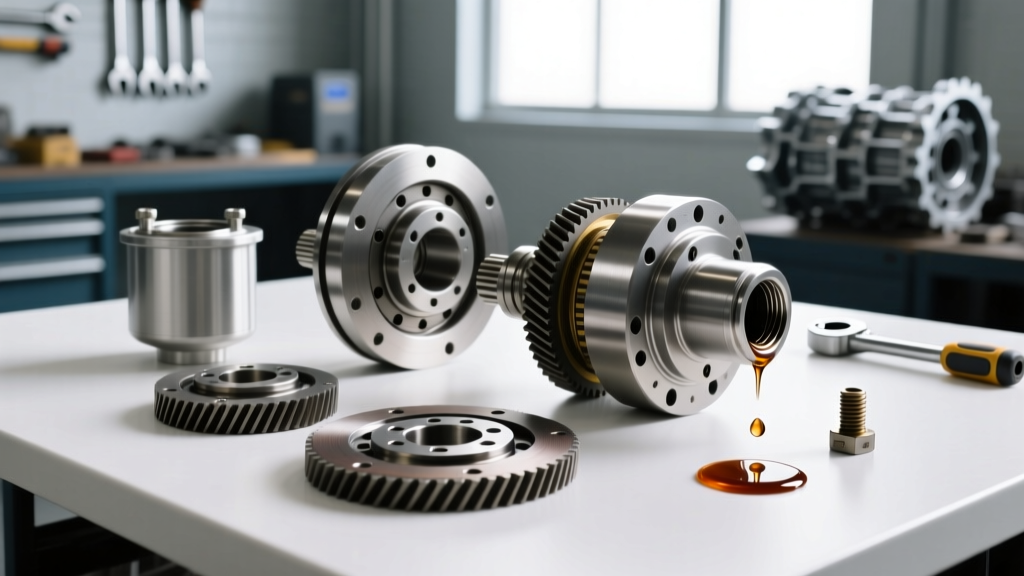
This is the most critical step for preserving your limited slip differential benefits. Before adding the bulk gear oil, squeeze the entire 4 oz bottle of Motorcraft XL-3 Friction Modifier directly into the fill hole. The modifier alters the coefficient of friction on the clutch packs, preventing the aggressive grabbing that causes chatter.
Next, insert your fluid pump hose into the fill hole and begin pumping the 75W-140 synthetic gear oil. The Ford 8.8 axle has a total capacity of approximately 3.75 pints (1.87 quarts). Continue pumping until the fluid begins to weep out of the bottom of the fill hole. This indicates the differential is filled to the exact factory level. Wipe away any excess fluid, reinstall the fill plug, and torque it to 33 lb-ft.
Step 5: The Figure-8 Break-In Procedure
Simply filling the axle is not enough; the friction modifier must be mechanically worked into the porous surfaces of the clutch discs. Lower the vehicle and drive to an empty, paved parking lot. Perform 10 to 15 slow, tight figure-8 maneuvers. This forces the outer wheel to spin faster than the inner wheel, engaging the clutch packs and evenly distributing the modifier. As noted in Spicer Drivetrain Technical Resources, skipping this break-in procedure is the leading cause of post-service LSD chatter.
Differential Service Intervals: Normal vs. Severe Duty
Modern synthetic gear oils boast extended lifespans, but the friction modifiers in an LSD degrade much faster than the base oil itself. Adhering to the correct service interval is vital for maintaining traction and preventing catastrophic clutch failure.
- Normal Duty (Highway/Commuting): Inspect every 60,000 miles; replace fluid and modifier every 100,000 to 150,000 miles.
- Severe Duty (Towing/Off-Road/Track): Replace fluid and modifier every 30,000 to 50,000 miles. If you frequently tow heavy trailers or participate in track days, the thermal breakdown of the 75W-140 fluid accelerates significantly.
- Water Submersion: If the axle breather tube is submerged in water (common in off-roading), the fluid will emulsify and turn a milky brown color. Immediate replacement is mandatory to prevent bearing and gear corrosion.
Troubleshooting LSD Chatter Post-Service
If you experience binding or chatter during low-speed turns after completing the fluid change and the figure-8 break-in, do not panic. Clutch pack tolerances and wear states vary wildly between axles. The factory 4 oz of modifier is a baseline.
Expert Diagnosis: If chatter persists, purchase a second bottle of friction modifier. Add an additional 1/2 oz to 1 oz through the fill hole using a syringe, then repeat the figure-8 driving pattern. Continue adding in 1/2 oz increments until the chatter ceases. Be cautious: adding too much modifier will cause the clutches to slip excessively under heavy acceleration, effectively turning your LSD into an open differential and robbing you of your traction benefits.
By strictly adhering to these torque specifications, fluid capacities, and chemical requirements, you ensure that your drivetrain continues to deliver the mechanical grip and handling precision that a limited slip differential was engineered to provide. For further reading on synthetic fluid shear rates, refer to the AMSOIL Differential Service Guide.