Decoding the Ford 8.8 Limited Slip Differential Diagram
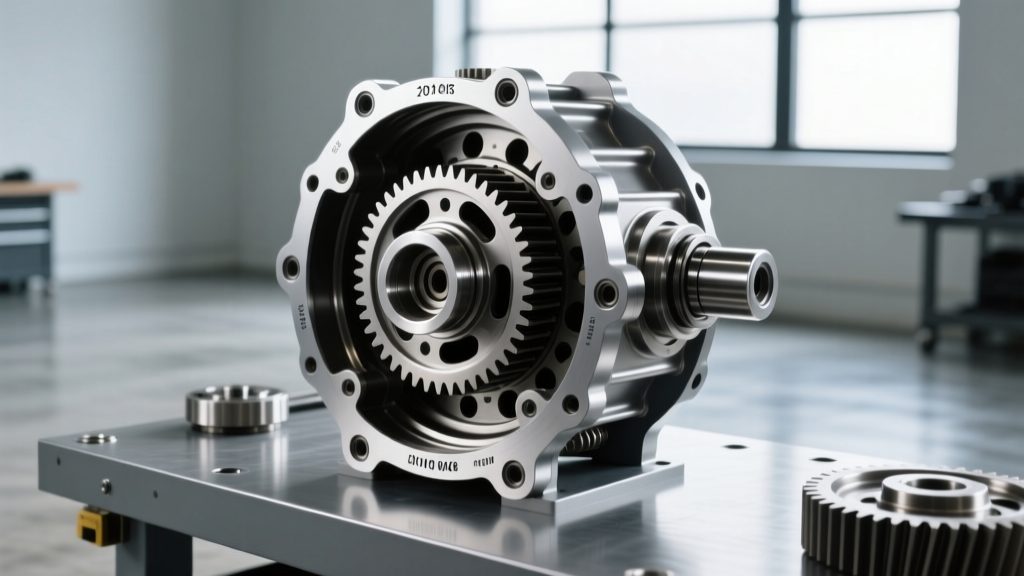
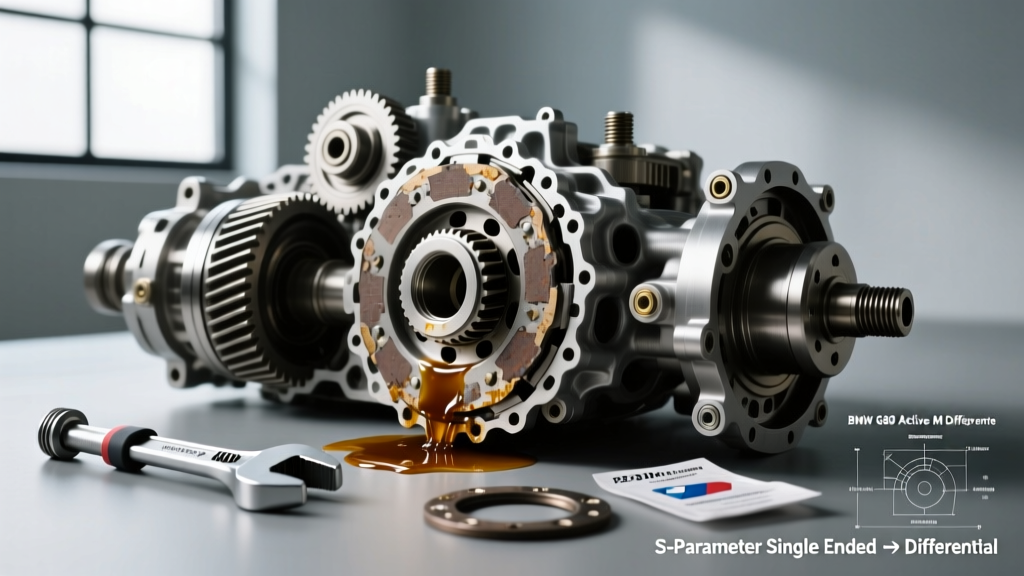
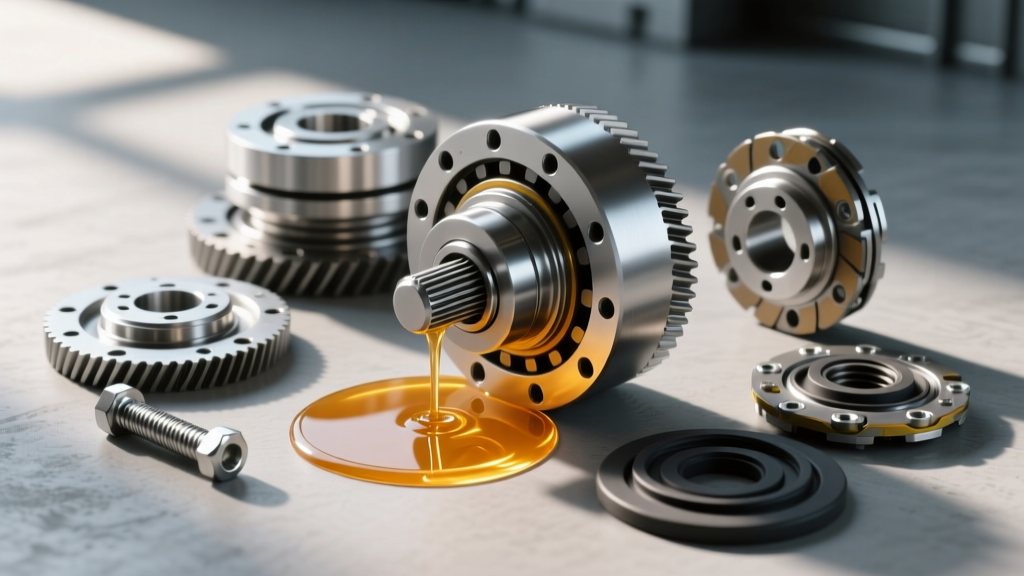
The Ford 8.8-inch rear axle remains one of the most robust and widely swapped differentials in the automotive world. Whether you are maintaining a classic Foxbody Mustang, a 2024 F-150 Super 8.8, or a custom off-road rig, gear oil leaks are an inevitable rite of passage. Before you drain the housing and start pulling seals, consulting a factory limited slip differential diagram is critical. This exploded view reveals how the Traction-Lok clutch packs, S-spring, spider gears, and side bearings interact behind the sealing surfaces.
Understanding the diagram helps you realize that a leak is rarely just a surface issue. A failing pinion seal might be the result of excessive rotational runout from a worn pinion bearing, while a weeping axle seal often points to a scored bearing journal or excessive C-clip wear. In this 2026 model-specific repair guide, we break down the top three leak points on the Ford 8.8 Traction-Lok axle and provide the exact torque specs, part numbers, and fluid protocols required for a permanent fix.
Top 3 Leak Points on the 8.8 Traction-Lok Axle
1. Pinion Seal Failure (The Most Common Culprit)
The pinion seal sits at the intersection of the driveshaft yoke and the differential housing. Because it is constantly exposed to high-speed rotation, road debris, and extreme thermal cycling, it is the most frequent source of gear oil leaks. When referencing your limited slip differential diagram, you will note that the seal rides directly on the pinion bearing journal. If the yoke sealing surface has developed a deep groove, simply replacing the seal will not stop the leak; you must install a speedi-sleeve or replace the yoke entirely.
Part Numbers: National 710999 (Standard 8.8) or SKF 15316.
Repair Cost: $18 to $35 for the seal. Shop labor typically ranges from $180 to $250.
2. Axle Shaft Seals and Bearing Wear
The 8.8 axle uses a C-clip retention system (on standard 28-spline and 31-spline variants) that locks the axle shaft into the differential side gears. The axle seal presses into the outboard end of the axle tube. When the factory paper or rubber seals harden, gear oil seeps past the bearing and ruins your brake pads. According to enthusiast teardowns on Ford-Trucks forums, it is highly recommended to replace the axle bearing alongside the seal if the vehicle has over 120,000 miles, as a wobbly bearing will destroy a new seal in under 5,000 miles.
Part Numbers: National 8835S (28-spline seal), Timken SET36 (Bearing and Race kit).
Repair Cost: $25 to $60 per side for seals and bearings.
3. Differential Cover and RTV/Gasket Weeps
The 8.8 features a 10-bolt differential cover. While many DIYers rely on cheap cork gaskets, the Ford factory service manual specifies using a continuous bead of RTV silicone. Over-tightening the cover bolts can warp the stamped steel pan, creating a permanent weep path that no gasket can seal.
Step-by-Step Leak Repair & Fluid Service Protocol
Pinion Seal Replacement Without Ruining Preload
The most dangerous part of fixing a pinion leak is destroying your crush sleeve preload. If you use an impact gun to remove the pinion nut, you will likely over-compress the crush sleeve upon reassembly, leading to catastrophic pinion bearing failure.
- Mark the pinion yoke and the pinion shaft with a paint pen to ensure exact reinstallation alignment.
- Use an inch-pound torque wrench to measure the baseline rotational preload (typically 8 to 14 in-lbs for used bearings).
- Secure the flange with a specialized holder and remove the pinion nut.
- Extract the old seal and clean the bore. Apply a thin layer of 75W-140 gear oil to the lip of the new National 710999 seal and drive it in flush using a seal installer tool.
- Reinstall the yoke and hand-thread a new pinion nut. Tighten incrementally, checking rotational preload every few turns until you hit your baseline mark plus 2 in-lbs.
Axle Seal and C-Clip Extraction
To access the axle seals, you must drop the differential cover and drain the fluid. Rotate the carrier until the differential cross-pin aligns with the large cutout in the ring gear. Push the axle shaft inward toward the center of the vehicle to expose the C-clip. Use a small magnetic pick-up tool or a specialized C-clip removal tool to extract the clip. Once removed, pull the axle shaft out of the housing, being careful not to damage the internal Traction-Lok clutch packs or side gear splines. Pry out the old seal, pack the new bearing/seal assembly with grease, and drive it squarely into the axle tube.
Fluid Specifications and Torque Chart
Proper fluid selection is non-negotiable for limited-slip differentials. The Traction-Lok clutch packs require a specific friction modifier to prevent binding and chatter during low-speed cornering. Below is the definitive 2026 service data for the Ford 8.8.
| Specification | Measurement / Part Data |
|---|---|
| Recommended Gear Oil | 75W-140 Full Synthetic (Motorcraft or Amsoil) |
| Friction Modifier | 4 oz. Motorcraft XL-3 (or equivalent ESTER-based modifier) |
| Fluid Capacity | 2.5 to 2.8 Quarts (Fill to bottom of fill plug) |
| Cover Bolt Torque | 28 to 38 lb-ft (Star Pattern) |
| Axle Retainer Plate Torque | 35 to 45 lb-ft |
| Pinion Nut Torque | Crush Sleeve Dependent (Target 8-14 in-lb rotational drag) |
The Crucial Post-Repair Bedding Procedure
Once the seals are installed and the housing is filled with 75W-140 and the XL-3 friction modifier, the repair is not entirely complete. The clutch packs inside the limited-slip unit must be conditioned. Take the vehicle to an empty, paved lot and perform ten tight 'figure-8' maneuvers at roughly 10 MPH. This forces the clutch packs to slip slightly, distributing the friction modifier evenly across the carbon or paper clutch discs. If you skip this step, you will likely experience an aggressive rear-end chatter that mimics a failing differential.
When to Upgrade to a Solid Spacer
If your limited slip differential diagram shows a crush sleeve, and you find yourself replacing the pinion seal frequently due to aggressive towing or track use, consider upgrading to a Solid Spacer Eliminator Kit (Ratech 4110). This replaces the single-use crush sleeve and standard nut with a machined steel spacer and a locking pinion nut. This upgrade allows you to use an impact wrench to torque the pinion nut to a flat 225 lb-ft without fear of over-crushing the bearing preload, making future seal changes a 20-minute driveway job rather than a precision measuring headache.
Expert Tip: Always replace the differential cover bolts if they show signs of thread stretching or rust. Using a high-quality black RTV like Permatex Ultra Black (Part #81173) and allowing it to cure for a minimum of 12 hours before filling with fluid will guarantee a leak-free mating surface for the life of the axle.
By combining a thorough understanding of the limited slip differential diagram with meticulous adherence to torque specs and fluid chemistry, you can easily restore your Ford 8.8 axle to factory-sealed condition, ensuring your Traction-Lok unit performs flawlessly for another 150,000 miles.