The Great Ford Focus Fluid Mix-Up: A 2026 Diagnostic Guide
As the 2012–2018 Ford Focus and Fiesta manual models age and cross the 100,000-mile threshold in 2026, a highly specific and destructive DIY trend has flooded independent repair shops. Well-meaning owners, terrified by the infamous PowerShift DPS6 automatic transmission failures, mistakenly attempt to "upgrade" or service their manual gearboxes using motorcraft dual clutch transmission fluid (Part No. XT-11-QDC). Because both the automatic DCT and the manual variants share similar chassis architectures and forum spaces, this catastrophic mix-up has become a leading cause of severe clutch pedal problems in the IB5 and MTX-75 manual transmissions.
Dual-clutch fluid is engineered for electro-hydraulic actuators and specific wet/dry clutch pack friction materials. It lacks the extreme pressure (EP) additives and specific friction modifiers required for sintered bronze synchromesh rings and dry clutch disc splines. When introduced into a traditional manual gearbox, it triggers a cascade of mechanical and hydraulic failures that manifest directly at the driver's left foot.
Diagnosing Clutch Pedal Symptoms Caused by DCT Fluid
When the wrong fluid is installed, the symptoms rarely appear immediately. It typically takes 2,000 to 5,000 miles for the chemical and mechanical incompatibilities to degrade the clutch system. Here is how to diagnose the specific pedal anomalies caused by this fluid error.
1. The Hard, Binding Pedal (Input Shaft Spline Wear)
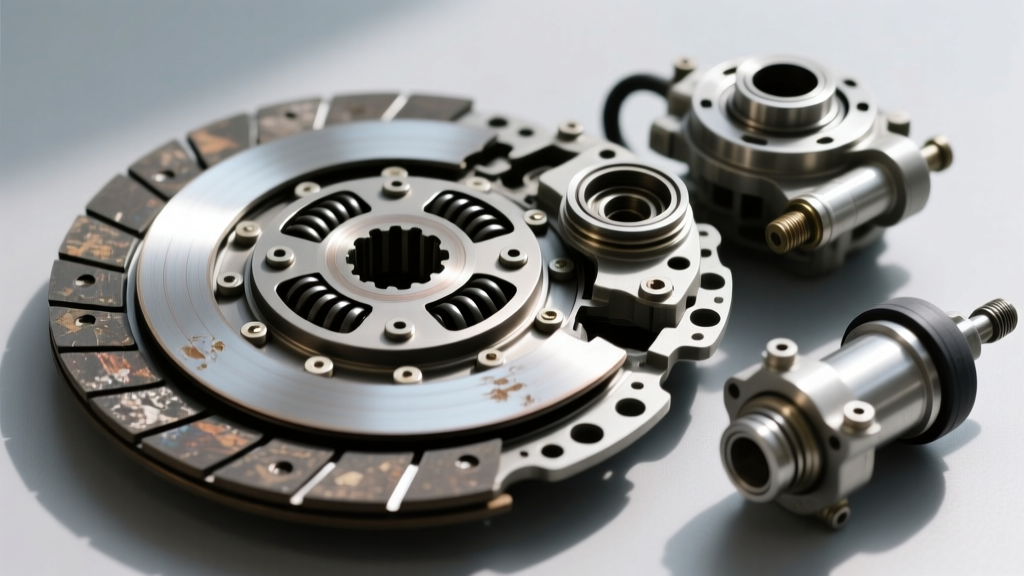
The most common complaint is a clutch pedal that feels unusually heavy or binds halfway through its travel. The clutch disc rides on the splines of the transmission's input shaft. Motorcraft Manual Transmission Fluid (XT-M5-QS) contains specific lubricity additives that allow the disc to slide freely during disengagement. Motorcraft Dual Clutch Transmission Fluid, however, has a completely different viscosity profile and lacks these specific anti-wear agents. Over time, the splines wear and develop micro-burrs. The clutch disc physically binds to the input shaft, forcing the diaphragm spring to fight mechanical friction rather than just hydraulic pressure, resulting in a remarkably stiff pedal.
2. Pedal Vibration and Clutch Chatter
If you feel a violent vibration or chatter through the clutch pedal upon release, capillary action is likely the culprit. The incorrect friction modifiers in the DCT fluid migrate past the input shaft seal and contaminate the dry clutch disc's friction material. This alters the coefficient of friction, causing the disc to grab and slip rapidly (chatter) against the flywheel during engagement. This high-frequency oscillation transfers directly through the release bearing, clutch fork, and hydraulic slave cylinder, vibrating the pedal.
3. The Spongy, Sinking Pedal (Thermal Slave Cylinder Failure)
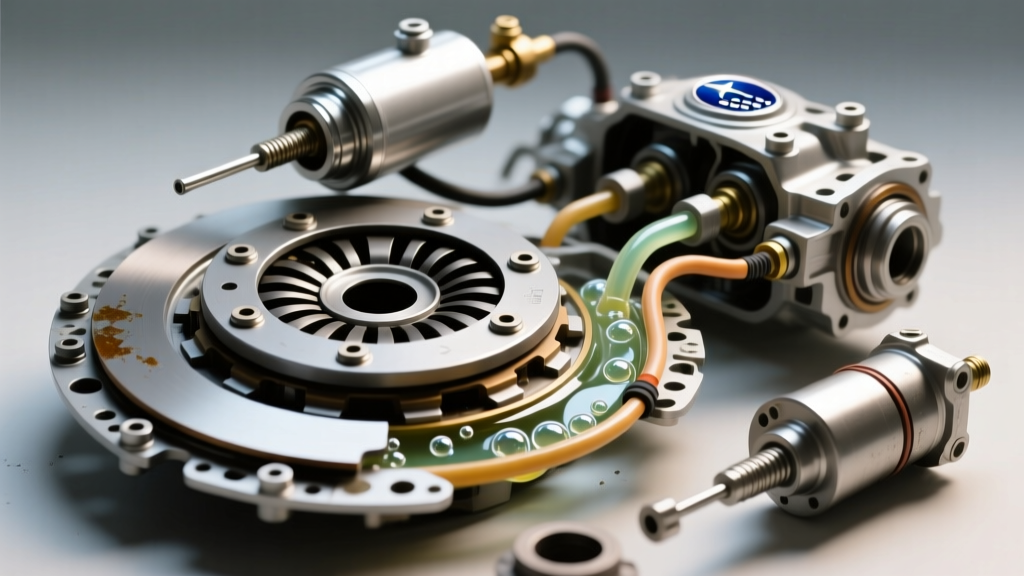
A spongy pedal is traditionally associated with air in the hydraulic lines, but in this scenario, it is thermally induced. The mechanical binding and clutch chatter generate immense localized heat inside the bell housing. The Ford Focus utilizes a Concentric Slave Cylinder (CSC) positioned directly inside the bell housing, surrounding the input shaft. Excessive heat boils the DOT 4 hydraulic fluid or degrades the internal EPDM seals of the CSC. When the seals soften, hydraulic pressure bypasses internally, giving the pedal a spongy, sinking sensation that worsens in stop-and-go traffic.
Fluid Specification Comparison Chart
Understanding the metallurgical requirements of the IB5 and MTX-75 gearboxes is critical. Refer to the Ford Official Maintenance Schedules to verify your specific powertrain requirements.
| Specification | Motorcraft DCT Fluid (Wrong) | Motorcraft Manual Fluid (Correct) |
|---|---|---|
| Part Number | XT-11-QDC | XT-M5-QS |
| Target Application | PowerShift DPS6 (6DCT250) | IB5 / MTX-75 Manual Gearboxes |
| Viscosity Profile | Optimized for actuator hydraulics | Optimized for synchro engagement |
| EP Additives | Low (Protects clutch packs) | High (Protects brass synchros & splines) |
| Friction Modifiers | Wet-clutch specific | Dry-clutch spline specific |
Model-Specific Repair Guide: Flushing and Rectification
If you have confirmed that motorcraft dual clutch transmission fluid was incorrectly added to your manual Focus or Fiesta, immediate remediation is required to save the synchronizers and the clutch assembly. According to Haynes Automotive Repair Manuals, the MTX-75 and IB5 share similar service procedures, though fluid capacities differ slightly.
Step 1: Draining the Contaminated Fluid
Raise the vehicle on a lift and remove the underbody splash shield. Locate the transmission drain plug (typically an 8mm hex bit). Place a catch pan capable of holding at least 3 liters.
- IB5 Transmission Capacity: ~2.0 Liters
- MTX-75 Transmission Capacity: ~2.3 Liters
- Drain Plug Torque Spec: 33 lb-ft (45 Nm)
Step 2: The Double-Flush Procedure
Do not simply fill with the correct fluid and call it a day. The residual DCT fluid clinging to the gears and synchro rings will continue to contaminate the new fluid.
- Reinstall the drain plug to 33 lb-ft.
- Remove the fill plug (located on the side of the casing, also 8mm hex, 33 lb-ft torque).
- Fill with 2 liters of an inexpensive, fully compatible 75W-90 GL-4 flush fluid or a cheap baseline XT-M5-QS equivalent.
- Drive the vehicle for 10 miles, cycling through all gears to circulate the fluid and strip the DCT friction modifiers from the internal components.
- Drain the flush fluid and reinstall the plug.
Step 3: Final Fill and Hydraulic Bleeding
Fill the transmission with the correct Motorcraft Manual Transmission Fluid (XT-M5-QS) until it begins to weep from the fill hole. Reinstall the fill plug.
If the vehicle exhibited a spongy pedal prior to the fluid swap, the Concentric Slave Cylinder (CSC) is likely heat-damaged. You must replace the CSC and bleed the hydraulic system. You can source the complete LuK RepSet (Part No. 624307709) or the standalone Ford CSC from the RockAuto OEM Parts Catalog.
Clutch Bleed Procedure:
- Fill the master cylinder reservoir with Motorcraft High Performance DOT 4 Motor Vehicle Brake Fluid (PM-1-C).
- Attach a clear tube to the CSC bleeder valve located on top of the transmission bell housing.
- Have an assistant pump the clutch pedal 10 times, then hold it to the floor.
- Open the bleeder valve until fluid flows clear and free of air bubbles, then close it.
- Repeat until the pedal feels firm and returns to its natural resting position without assistance.
Cost Breakdown and Preventative Advice
Addressing this issue early prevents the need for a full transmission teardown. Here is what you can expect to spend if you catch the mix-up before catastrophic spline failure occurs:
- XT-M5-QS Fluid (3 Quarts): $45 - $60
- Concentric Slave Cylinder (if heat-damaged): $80 - $140
- DOT 4 Hydraulic Fluid: $12
- Professional Labor (Flush & Bleed): $150 - $250
Expert Warning: If the input shaft splines have already suffered severe galling from the lack of EP additives, a fluid flush will not cure the hard pedal. The transmission must be removed, and the clutch disc and input shaft must be inspected for physical binding. If the disc does not slide off the shaft with bare hands, the input shaft and clutch assembly must be replaced.
Always verify your powertrain configuration before purchasing fluids. The presence of a clutch pedal definitively rules out the use of motorcraft dual clutch transmission fluid. Stick to OEM specifications, respect the metallurgy of your synchromesh gearbox, and your manual Ford will continue to deliver crisp, reliable shifts for years to come.