The Dual Challenge of Flat Towing Automatic Vehicles
Flat towing (often called dinghy towing) an automatic transmission vehicle behind a motorhome is one of the most popular RVing setups in 2026. However, it presents a unique dual challenge for the driver. First, you must properly prepare the towed vehicle’s automatic transmission to survive hundreds of miles with its engine off. Second, you must master the driving dynamics of the motorhome itself, specifically managing the motorhome's automatic transmission on steep grades to prevent catastrophic brake fade. Understanding the intersection of these two mechanical systems is critical for safety and drivetrain longevity.
Phase 1: Prepping the Towed Vehicle’s Automatic Transmission
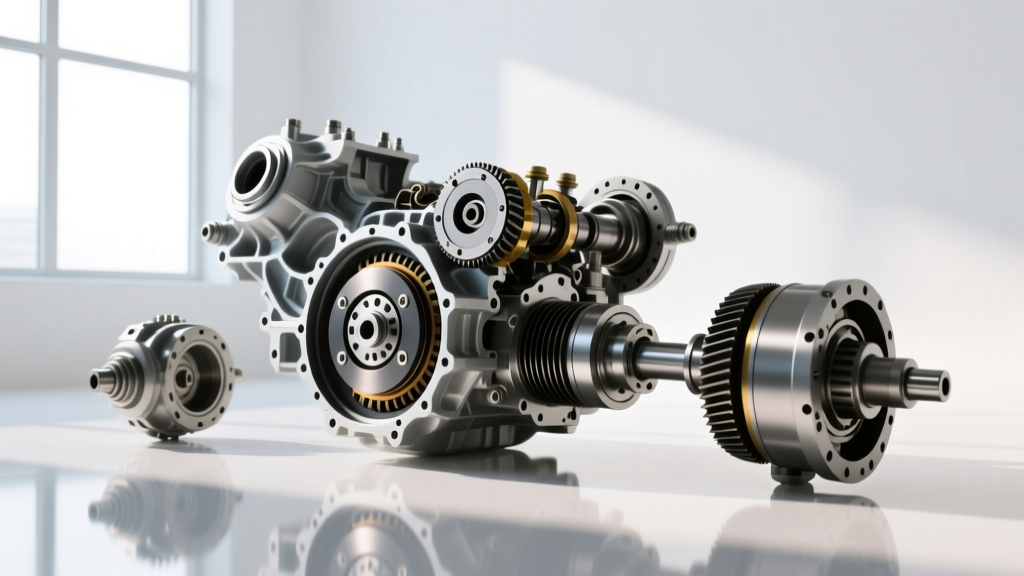
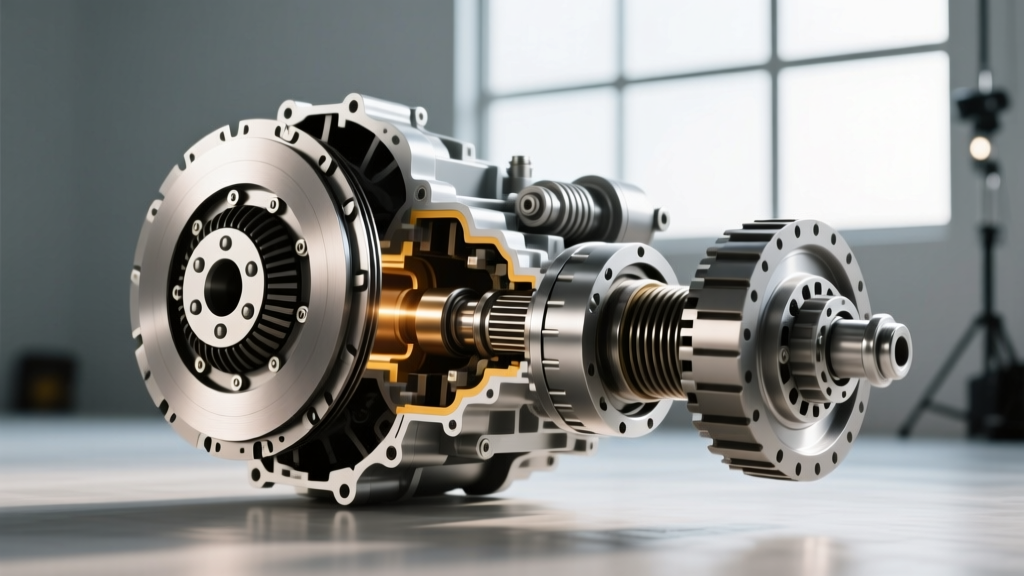
Before you can even worry about the motorhome's shift points, you must address the towed vehicle. Modern automatic transmissions—such as the GM 8L90, Ford 10R80, and the ubiquitous ZF 8HP—rely on an input-shaft-driven hydraulic pump for lubrication. When the engine is off, this pump does not operate.
The Lubrication Starvation Failure Mode
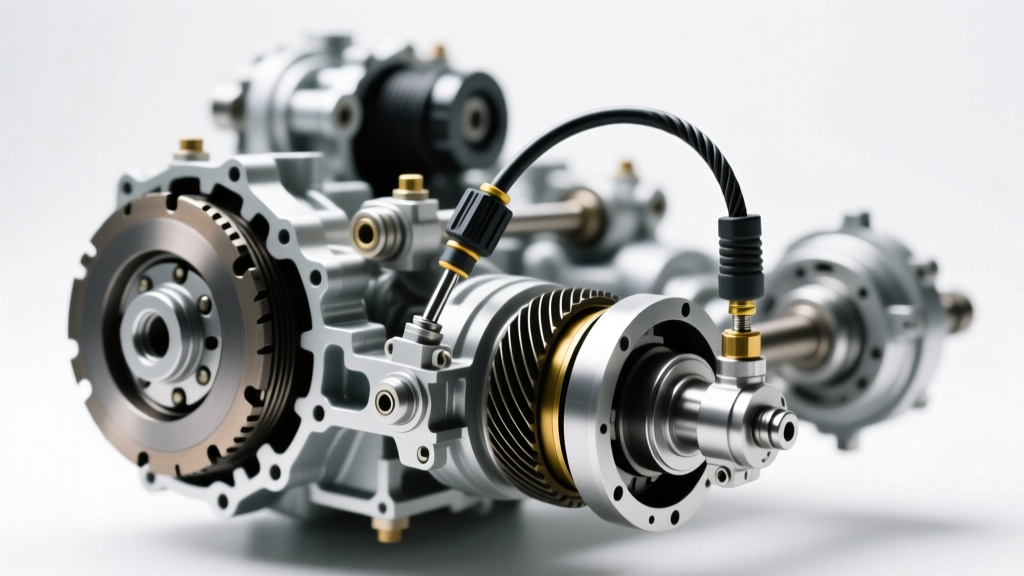
If you place a standard 2WD automatic vehicle in 'Neutral' and flat tow it, the output shaft and planetary gearsets will spin at highway speeds without lubrication. Within 30 to 50 miles, the friction materials on the clutch packs will overheat, warp, and weld themselves together, resulting in total transmission failure. To prevent this, 2WD vehicles require an aftermarket auxiliary lube pump, such as the Remco LP-21 series, which taps into the transmission cooler lines and circulates fluid while the engine is off. Expect to pay between $900 and $1,300 for a professional installation.
4WD Transfer Case Exceptions
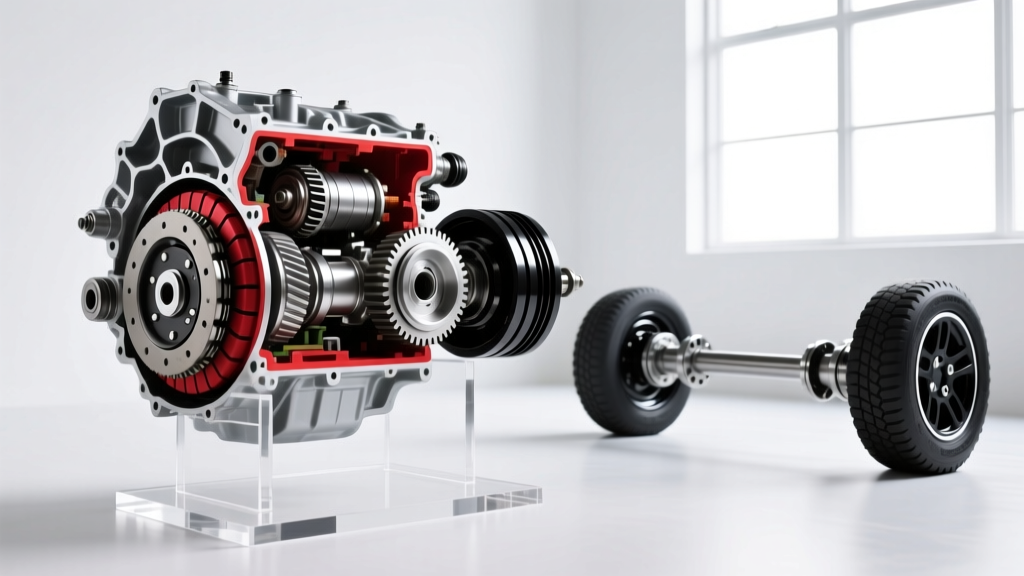
The major exception to the lube pump rule involves 4WD vehicles equipped with a transfer case that features a true 'Neutral' position (e.g., the NVG 241 or MP3027 transfer cases found in Jeep Wranglers and older Chevy Silverado 4x4s). When the transfer case is shifted into Neutral, the output shaft is mechanically disconnected from the transmission. The transmission's internal components remain stationary, preventing wear. Always verify your specific transfer case fluid capacity and type (often requiring 2.0 quarts of Dexron VI or ATF+4) before a long trip.
Phase 2: When Should You Downshift an Automatic Transmission on Grades?
Once the dinghy vehicle is safely secured and the transfer case or lube pump is engaged, the focus shifts to the motorhome chassis. A common question among motorhome drivers navigating mountain passes is: when should you downshift an automatic transmission while managing a 40,000-pound Gross Combined Weight Rating (GCWR)?
The definitive answer is: you must downshift before gravity dictates your speed. If you wait until the motorhome and towed vehicle are accelerating down a 6% grade, the transmission's internal clutch packs may struggle to engage firmly under high-torque, high-speed conditions, leading to slip and excessive heat generation.
The Role of Tow/Haul Mode
Modern motorhome chassis (like the Ford F-53 with the 6R140 TorqShift or the Freightliner S2RV with the Allison 2100 MH) feature a dedicated Tow/Haul mode. Engaging this mode alters the transmission's shift schedule in three critical ways:
- Delayed Upshifts: Keeps the engine in its optimal torque band longer during acceleration.
- Aggressive Downshifts: Commands a downshift much earlier when the brake pedal is tapped, utilizing engine compression to slow the rig.
- Torque Converter Lockup: Forces the torque converter to lock in lower gears (often 2nd and 3rd), creating a direct mechanical link between the engine and the wheels for maximum engine braking.
The Half-Speed Rule: A classic rule of thumb for heavy towing is that the gear you use to climb a steep hill at a given speed is roughly the same gear you should use to descend it. If your motorhome's automatic transmission struggles and downshifts to 3rd gear to maintain 45 mph on the ascent, you should manually select 3rd gear (or 2nd for added safety) before starting the descent.
Phase 3: Step-by-Step Mountain Descent Protocol
To safely manage the combined weight of a Class A or Class C motorhome and a 4,500-pound dinghy vehicle, follow this step-by-step descent protocol.
Step 1: Pre-Descent Brake and Transmission Check
At the summit or rest area, verify your transmission fluid temperature via the dashboard DIC (Driver Information Center). For modern 10-speed automatics (like the GM 10L80 or Ford 10R80), optimal operating temperature is between 185°F and 200°F. If the fluid is exceeding 225°F, allow the rig to idle in Park to cool down before the descent. Ensure your exhaust brake (if equipped on a diesel pusher) is armed and set to 'Auto' or 'High' mode.
Step 2: Engage Tow/Haul and Select the Correct Gear
Shift the motorhome into Tow/Haul mode. As you approach the downgrade, use the manual shift gate (Tap-Shift or +/- buttons) to pre-select your target gear. For a 6% grade with a target speed of 35 mph, manually command the transmission into 3rd or 2nd gear before the nose of the motorhome tips over the crest. This ensures the torque converter locks immediately, transferring the kinetic energy of the towed vehicle back into the engine block as compression resistance.
Step 3: Manage the Service Brakes (Snubbing Technique)
Even with proper downshifting, the motorhome's service brakes are required. Use the 'snubbing' technique: apply the brakes firmly to drop 5-10 mph below your target speed, release them to allow the engine and transmission to manage the load, and reapply them only when gravity pulls your speed 5-10 mph above your target. This prevents the brake rotors from reaching the 800°F+ threshold where pad glazing and fluid boiling occur.
Flat-Tow Compatibility and Prep Requirements
The table below outlines common automatic transmissions found in popular dinghy vehicles, their flat-tow compatibility, and the required preparation for the 2026 RV season.
| Transmission Model | Common Dinghy Vehicles | Flat Tow Method | Estimated Prep Cost |
|---|---|---|---|
| ZF 8HP (8-Speed) | Jeep Wrangler JL / Gladiator | Transfer Case Neutral (No pump needed) | $0 (OEM Capable) |
| GM 8L90 / 10L80 | Chevy Colorado 4WD / Silverado 4WD | Transfer Case Neutral (2-Speed only) | $0 (OEM Capable) |
| Ford 10R80 | Ford F-150 2WD / Mustang | Auxiliary Lube Pump Required | $900 - $1,200 |
| Allison 1000 | Heavy Duty Diesel Trucks (2WD) | Driveshaft Disconnect Coupler | $1,100 - $1,500 |
Post-Tow Re-engagement and Fluid Verification
Once you arrive at your campsite, the re-engagement process requires care. Never shift the towed vehicle's transmission directly from Neutral to Park while the vehicle is still rolling, as this will shear the parking pawl—a small metal pin inside the transmission casing that is not designed to hold the weight of a 5,000-pound vehicle on an incline.
Instead, follow this sequence:
- Bring the motorhome and towed vehicle to a complete stop.
- Apply the motorhome's parking brake.
- Start the towed vehicle's engine and allow it to idle for 30 seconds to build hydraulic line pressure.
- Shift the towed vehicle from Neutral to Drive, then to Park.
- If using an auxiliary lube pump, ensure it is switched off to prevent draining the motorhome's chassis battery.
For further reading on safe towing practices and chassis maintenance, consult the Family Motor Coach Association (FMCA) technical archives or the RV Travel safety database. Mastering when and how to manipulate your automatic transmission's shift points will ensure your motorhome and dinghy vehicle arrive at the campground safely, year after year.