The Genesis: When Was the First Automatic Transmission Invented?
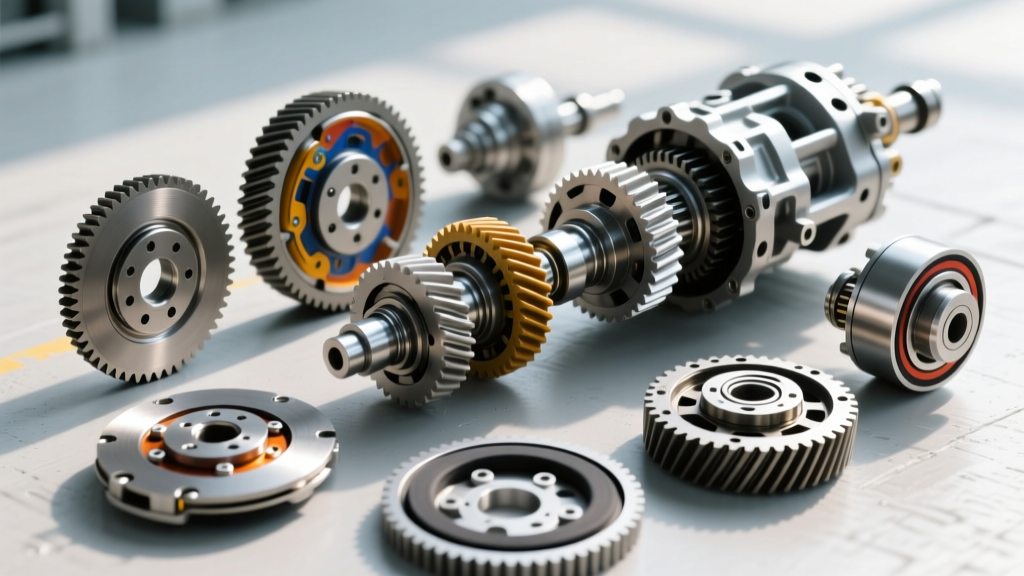
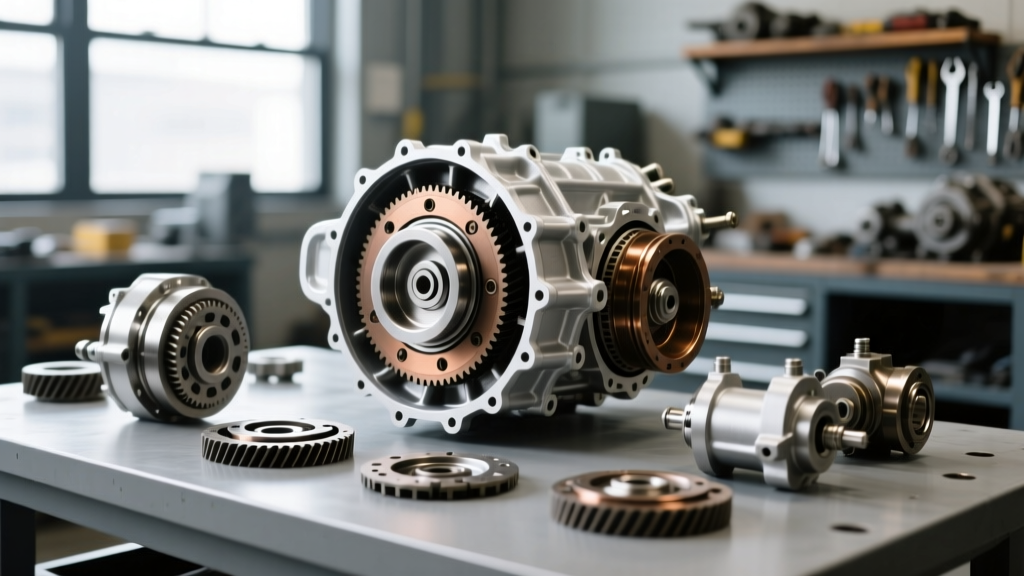
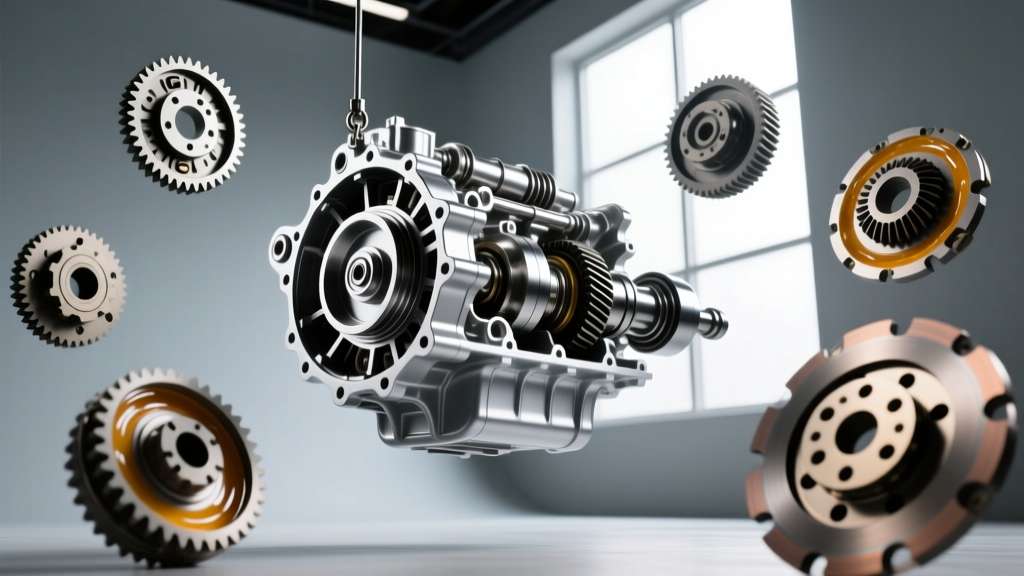
For automotive enthusiasts and prospective vehicle buyers navigating the complex landscape of modern drivetrains, understanding the roots of automatic gearboxes provides crucial context. So, when was the first automatic transmission invented? The conceptual origin traces back to 1921, when Canadian engineer Alfred Horner Munro patented a design utilizing compressed air. Unfortunately, Munro's prototype lacked the necessary power and commercial viability. The true functional genesis occurred in 1939 when General Motors introduced the Hydra-Matic in the 1940 Oldsmobile lineup. This revolutionary unit combined a fluid coupling with three forward gears and one reverse, effectively eliminating the need for a manual clutch pedal and setting the foundation for every torque-converter automatic built through 2026.
According to automotive historians at Hemmings, the Hydra-Matic's success proved that fluid dynamics could reliably manage engine torque, a core transmission function that remains unchanged in principle today, even as gear counts have multiplied from three to ten.
Core Transmission Function and Purpose: Then vs. * 10L90 | 10 | 13.6 qts (ULV) | 664 lb-ft | Heavy Towing / Trucks |
| ZF 8HP70 | 8 | 9.2 qts (ZF 8-Speed) | 516 lb-ft | Performance / Luxury |
| Aisin A750F | 5 | 11.8 qts (WS) | 450 lb-ft | Off-Road / Reliability |
1. GM 10L90 (10-Speed): The Heavy-Duty Hauler
Co-developed by GM and Ford, the 10L90 is ubiquitous in 2026 heavy-duty trucks and performance SUVs. Its primary function is maintaining the engine in its optimal torque band under massive loads. However, buyers must be aware of the notorious torque converter shudder. If purchasing a used 2018-2024 model, budget $150-$250 for a fluid flush using strictly ACDelco 10-9395 Ultra Low Viscosity (ULV) fluid, often supplemented with a friction modifier to resolve micro-slip shudders. Pan bolt torque spec is precisely 10 Nm (89 lb-in); over-torquing will warp the aluminum pan and cause persistent leaks.
2. ZF 8HP70 (8-Speed): The Luxury and Performance Standard
Found in everything from BMW M-cars to Jeep Grand Cherokees and Ram trucks, the ZF 8HP series is a masterpiece of shift-speed engineering. Its purpose is to deliver imperceptible upshifts and rev-matched downshifts. The critical buyer's caveat for the 8HP70 is the plastic mechatronic sealing sleeve. Over time, heat degrades the plastic, causing fluid to leak into the transmission's electrical connector, triggering limp mode. When inspecting a used vehicle, check for wetness around the main harness plug. The fix requires an updated Sonnax 106001-01K sleeve kit (approx. $45 for the part, but $600+ in labor due to valve body removal).
3. Aisin A750F (5-Speed): The Indestructible Off-Roader
While 5-speeds seem archaic in 2026, the Aisin A750F (found in Toyota 4Runners and Tacomas) prioritizes sheer survival over fuel economy. Its function is to handle extreme low-speed crawling and high-temperature abuse without frying the clutch packs. It requires Toyota WS (World Standard) fluid. Buyers seeking maximum reliability over cutting-edge shift speeds should actively hunt for vehicles equipped with this transmission.
Buyer’s Decision Framework: Matching Purpose to Application
When evaluating a vehicle, do not merely look at the engine's horsepower; analyze the transmission's function relative to your intended use case.
- For Heavy Towing (8,000+ lbs): Prioritize 10-speed units (GM 10L80/10L90 or Ford 10R80). The tight gear ratios (steps of 10-15% between gears) prevent the engine from falling off the turbo boost curve during grade climbing. Ensure the vehicle has an auxiliary transmission cooler; factory coolers are often marginal for sustained mountain towing.
- For Daily Commuting & Highway Cruising: The ZF 8-speed or GM 9-speed (9T50) transaxles excel here. Their primary purpose is dropping engine RPMs below 1,500 at 70 MPH to maximize MPG. Beware of lugging-induced cylinder washdown in direct-injection engines paired with these tall-geared transmissions.
- For Dedicated Off-Roading: Gear count matters less than torque converter stall speed and heat dissipation. Older 4, 5, or 6-speed automatics with robust planetary gearsets and higher stall speeds (2,200+ RPM) allow for better throttle modulation on rocks without riding the brakes.
Maintenance Realities and Cost of Ownership in 2026
The modern automatic transmission is a marvel of hydraulic and electronic engineering, but its complexity demands strict adherence to maintenance. The 'lifetime fluid' myth perpetuated by many European manufacturers in the 2010s has resulted in catastrophic failure rates for vehicles exceeding 120,000 miles.
As a baseline rule for any modern automatic, perform a drain-and-fill (not a high-pressure flush, which can dislodge clutch material into the valve body) every 60,000 miles. For a ZF 8HP, expect to pay $350-$450 for an OEM ZF fluid and filter kit. For a GM 10-speed, the integrated filter in the plastic pan means you must replace the entire pan assembly (GM Part # 24296474, approx. $180) during the service.
Expert Insight: When test-driving a used vehicle with an automatic transmission, perform a 'garage shift' test. With the engine idling and foot firmly on the brake, shift from Park to Reverse, then to Drive. The engagement should occur within 0.5 to 0.8 seconds with a firm, muted 'thud'. Sluggish engagement (over 1.2 seconds) or harsh clunks indicate worn accumulator pistons, degraded valve body check-balls, or low line pressure—requiring a $2,500+ rebuild.
Understanding when the first automatic transmission was invented highlights how far fluid coupling and planetary gearsets have evolved. By aligning the transmission's core function with your specific driving requirements, and respecting the precise maintenance tolerances of modern units, you can ensure drivetrain longevity well past the 200,000-mile mark.