Introduction: The Hidden Drivetrain NVH Culprit
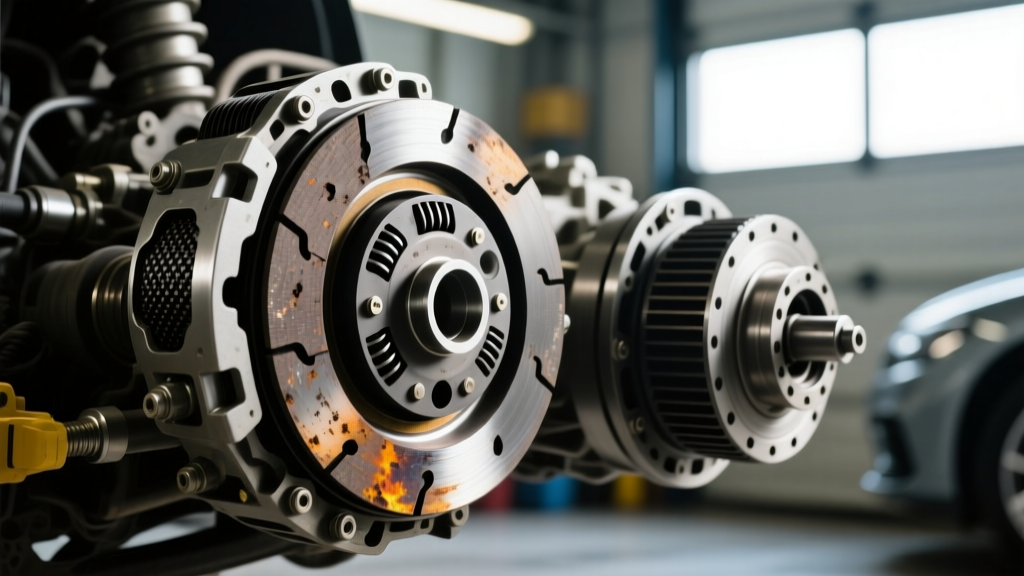
When diagnosing severe Noise, Vibration, and Harshness (NVH) in the engine bay, many DIYers and even seasoned drivetrain technicians immediately suspect a failing transmission torque converter clutch (TCC), a cracked flexplate, or a deteriorated harmonic balancer. However, a failing fan clutch is one of the most frequent imposters in clutch system diagnostics. Because the mechanical fan assembly is bolted directly to the water pump snout—and ultimately coupled to the crankshaft via the accessory drive belt—a seized or imbalanced fan clutch transmits severe radial harmonics through the entire front accessory drive (FAD). This parasitic vibration can mimic transmission clutch chatter, trigger false misfire codes (P0300), and even cause premature wear to the crankshaft thrust bearing.
In this 2026 buyer's guide and root cause analysis, we dissect the exact failure modes of thermal and electronic fan clutches. We will provide a diagnostic matrix to isolate the root cause and compare OEM versus aftermarket replacements to ensure you select the correct component for your specific cooling and NVH requirements.
Anatomy of a Fan Clutch: Thermal vs. Electronic
Before analyzing failure modes, it is critical to understand the mechanical and fluid dynamics governing modern fan clutches. Unlike a manual transmission friction clutch that relies on mechanical clamping force, a fan clutch relies on fluid shear or electromagnetic actuation to modulate fan speed independently of engine RPM.
Thermal and Viscous Fan Clutches
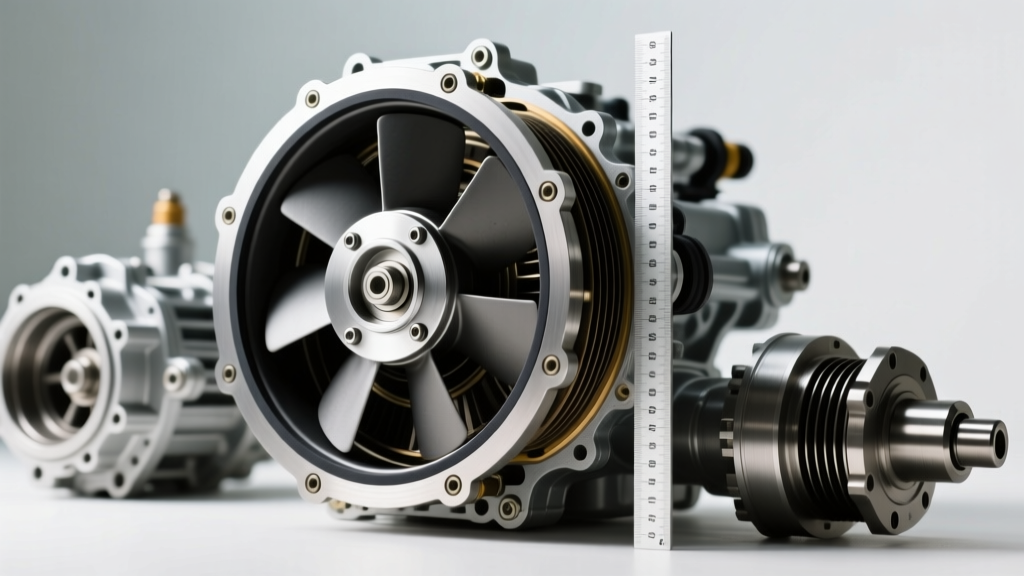
The traditional viscous fan clutch operates using a sealed chamber filled with high-viscosity silicone fluid (typically ranging from 10,000 to 30,000 centistokes). A bimetallic thermal spring coil on the front face reacts to ambient air temperature passing through the radiator. When the air reaches approximately 170°F to 190°F, the coil expands, opening a valving port that allows the silicone fluid to enter the primary shear chamber, locking the fan to the water pump shaft. According to diagnostic data from AA1Car, a properly functioning thermal clutch should slip at low temperatures (freewheeling) and engage progressively under load.
Electronic and Electromagnetic Fan Clutches
Introduced widely in the mid-2000s and standard on most modern trucks (such as the GM 5.3L and 6.2L V8 platforms), electronic fan clutches eliminate the bimetallic strip. Instead, the Powertrain Control Module (PCM) commands a 12-Volt Pulse Width Modulated (PWM) signal to an internal electromagnetic solenoid. The PCM calculates the required duty cycle (ranging from 10% for freewheeling to 90% for maximum cooling) based on engine coolant temperature, A/C head pressure, and transmission fluid temperature. This allows for precise NVH management and reduces parasitic horsepower loss.
Root Cause Analysis: Why Fan Clutches Fail
Fan clutch degradation is rarely instantaneous; it is a progressive failure driven by extreme thermal cycling and mechanical stress. Below are the primary root causes of fan clutch failure.
- Silicone Fluid Shear Degradation: Over tens of thousands of miles, the silicone fluid inside a viscous clutch undergoes mechanical shearing. The long-chain polymers break down, reducing the fluid's viscosity. The root symptom is a clutch that slips under heavy load, leading to unexplained engine overheating at highway speeds or when towing.
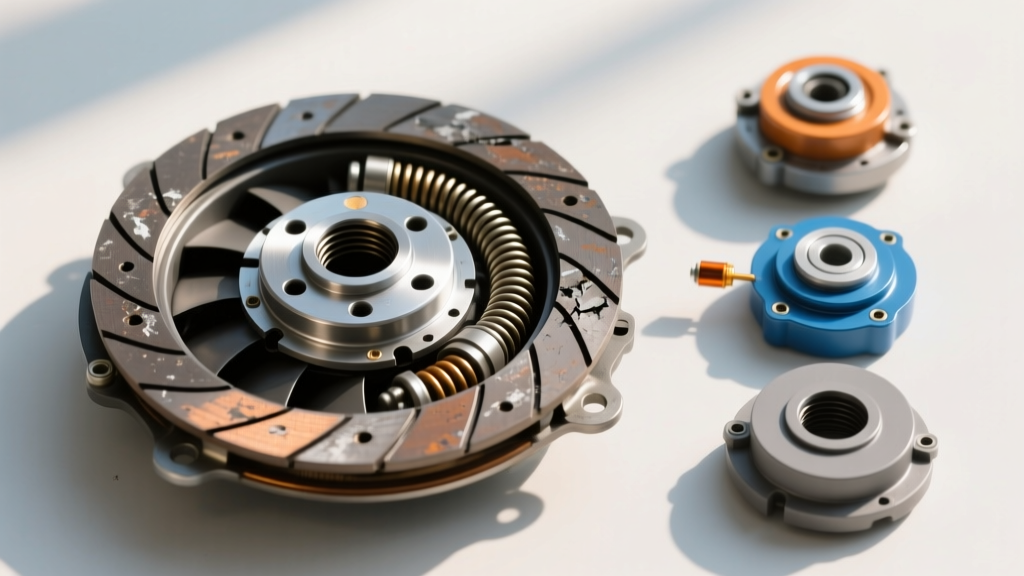
- Bimetallic Coil Fatigue: The thermal spring is subjected to constant expansion and contraction. Over time, the metal fatigues and loses its tension. If it fails in the closed position, the clutch never engages (overheating). If it fails in the open position, the clutch remains permanently locked, causing a roaring noise and robbing the engine of 15 to 25 horsepower.
- Electronic Solenoid Burnout: In PWM fan clutches, the internal wiring harness is subjected to extreme heat and vibration. Insulation breakdown or internal coil shorts will cause the solenoid to fail. The PCM will detect an out-of-range resistance (normal spec is typically 2.5 to 4.5 Ohms) and trigger a P0480 or P0691 diagnostic trouble code, defaulting the clutch to a fail-safe locked state.
- Pilot Bearing Seizure: The fan clutch is supported by a small internal pilot bearing that rides on the water pump snout. If this bearing loses its grease packing due to heat, it will seize or develop severe radial play. This causes the fan blade to wobble, destroying the water pump seal and transmitting violent vibrations through the accessory belt.
Diagnostic Matrix: Symptoms vs. Root Causes
Use the following matrix to isolate the exact failure mode before purchasing a replacement. Misdiagnosis often leads to unnecessary water pump or belt tensioner replacements.
| Primary Symptom | Likely Root Cause | Diagnostic Action & Specification |
|---|---|---|
| Constant roaring noise; severe parasitic power loss | Bimetallic spring failure (stuck open) or internal fluid lock | Perform the 'Newspaper Test' with a cold engine. If the fan immediately shreds the paper upon startup, the clutch is seized and must be replaced. |
| Overheating at highway speeds or under towing load | Silicone fluid shear degradation (loss of viscosity) | Check for fluid leaks around the clutch seam. Use an infrared thermometer on the radiator; if the clutch does not engage by 190°F, replace it. |
| High-frequency vibration mimicking TCC shudder | Internal pilot bearing failure / Radial wobble | With the engine off, attempt to wiggle the fan blade vertically and horizontally. Any play greater than 0.015 inches indicates bearing failure. |
| Check Engine Light (P0480/P0691); Fan stuck at 100% | Electronic PWM solenoid coil short or wiring chafe | Disconnect the harness and measure solenoid resistance with a multimeter. Replace if outside the 2.5 - 4.5 Ohm specification. |
2026 Buyer's Guide: Choosing the Right Replacement
When replacing a failed fan clutch, selecting the correct thermal mapping and physical profile is vital. The aftermarket is flooded with options, but not all are created equal.
OEM vs. Aftermarket Thermal Comparisons
For traditional viscous applications, Hayden Automotive remains the gold standard in the aftermarket. Their 'Heavy Duty' thermal fan clutches (such as the popular Hayden 2947 for GM trucks) feature a thicker finned face and a higher silicone fluid capacity compared to their 'Standard Duty' line. While a standard clutch might cost around $45 to $60, the Heavy Duty variants ($75 to $95) offer vastly superior thermal dissipation and longevity for vehicles used in towing or off-road environments. For electronic PWM applications, sticking to OEM suppliers like ACDelco (e.g., part number 15-80638, priced around $140-$180) is highly recommended. Cheap import PWM clutches often utilize incorrect duty-cycle mapping, which can cause the PCM to hunt for the correct fan speed, resulting in erratic coolant temperatures and persistent NVH.
The 'Solid Fan Spacer' Debate: Pros and Cons
A popular trend in the off-road and budget-towing communities is the 'fan clutch delete,' replacing the clutch with a solid billet aluminum spacer (often sold by brands like Rough Country or Dorman, part 621-001, for $40-$80). While this permanently eliminates the failure point of the clutch itself, it is highly discouraged for daily drivers. A solid mechanical fan locked to the water pump shaft will draw up to 20 horsepower at 6,000 RPM. Furthermore, if the spacer is not machined to exacting tolerances (runout must be less than 0.010 inches), the slight imbalance will destroy the water pump bearing within 10,000 miles and generate a constant, deafening roar that masks legitimate drivetrain diagnostic noises.
Installation Specs & Torque Requirements
Proper installation is just as critical as the diagnosis. The most common error during fan clutch replacement is damaging the water pump snout due to ignorance of reverse-thread applications.
- Thread Direction: On most GM LS and LT V8 engines, the water pump snout features a left-hand (reverse) thread. You must turn the nut clockwise to loosen it. A specialized 32mm or 36mm fan clutch wrench and a pulley holding tool are mandatory to prevent snapping the shaft.
- Torque Specifications: For standard M8 bolts securing the fan clutch bracket to the water pump, the factory torque specification is typically 18 to 22 lb-ft. Over-torquing these bolts will strip the aluminum water pump housing, requiring a complete pump replacement.
- Fan Blade Mounting: The nuts securing the mechanical fan blade to the clutch face are usually 5/16-inch or M8 hardware. These should be torqued to 15 to 18 lb-ft in a crisscross pattern to ensure the fan sits perfectly flush against the clutch mounting flange, preventing high-RPM harmonic wobble.
Expert Diagnostic Tip: Before installing the new fan clutch, inspect the water pump weep hole. The radial stress of a failing fan clutch bearing often compromises the water pump's internal mechanical seal. If you see dried coolant crust around the weep hole, replace the water pump concurrently to avoid tearing down the front accessory drive a second time.
Conclusion
A failing fan clutch is a master of disguise, capable of mimicking transmission torque converter shudder, harmonic balancer failure, and severe engine misfires. By understanding the root causes—whether it is silicone shear degradation in a viscous unit or a PWM solenoid burnout in an electronic unit—you can accurately isolate the fault. When selecting a replacement in 2026, prioritize Heavy Duty thermal mappings from trusted manufacturers or stick strictly to OEM electronic solenoids to maintain the delicate balance between engine cooling, NVH management, and drivetrain longevity.