The Under-Hood Burning Odor: Transmission or AC?
When a pungent burning odor infiltrates the cabin or emanates from the engine bay, drivers often panic, assuming the worst for their drivetrain. As automotive technicians, we frequently encounter vehicles towed into the shop for a suspected catastrophic transmission failure, only to discover the culprit is a failing accessory drive component. The two most common sources of severe friction-based burning smells in the front-engine, rear-wheel-drive layout are the manual transmission clutch assembly and the air conditioning compressor clutch. Accurately diagnosing a clutch burning smell requires a systematic approach to isolate the friction material degradation from electrical or bearing failures. In this comprehensive 2026 diagnostic guide, we will break down the exact failure modes of manual transmission clutches, address common HVAC-related misdiagnoses, and provide actionable torque specifications and testing frameworks for both systems.
Manual Transmission Clutch Burning Smell: Core Diagnostics
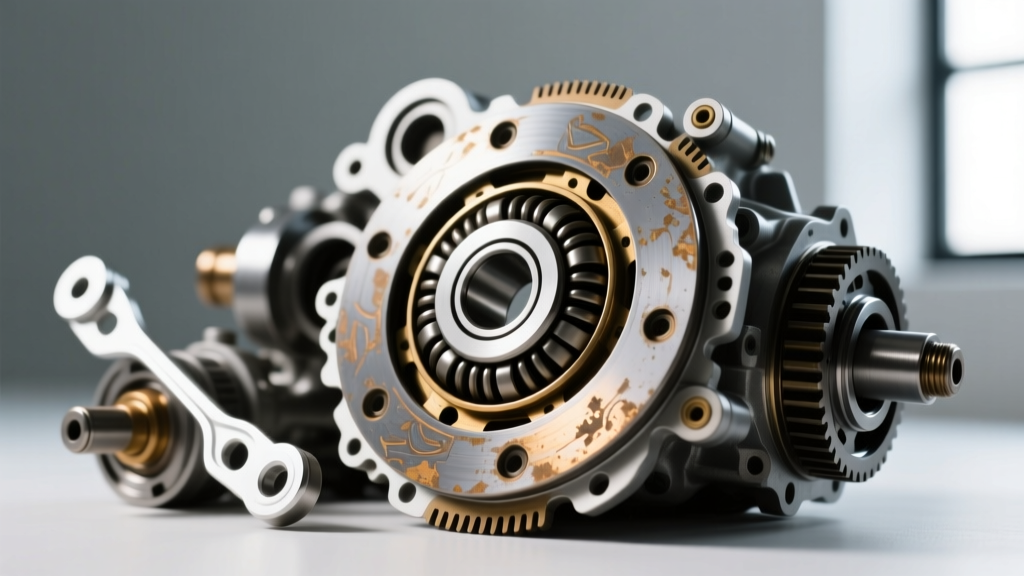
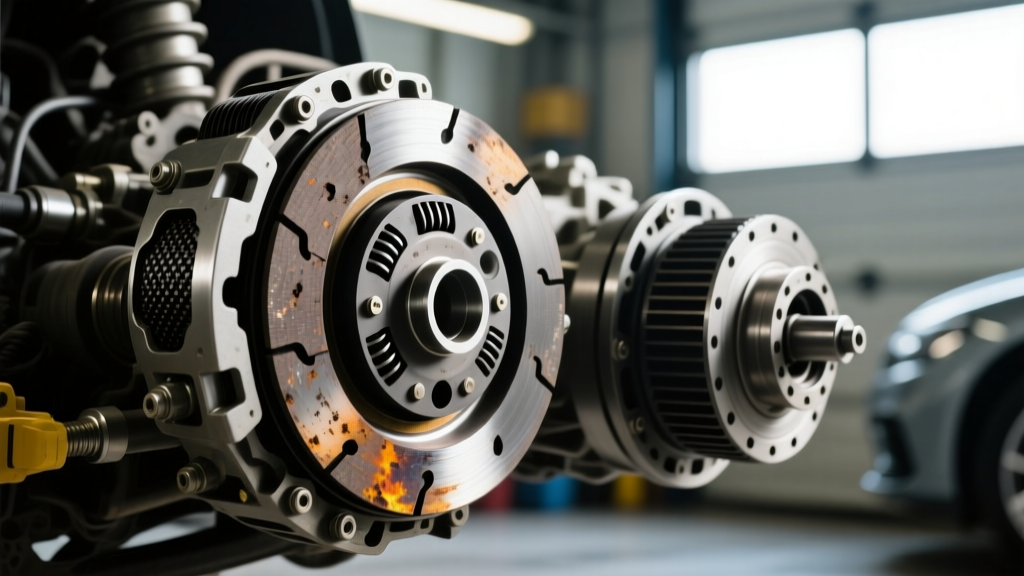
A burning manual transmission clutch is characterized by a distinct, acrid odor reminiscent of burnt brake pads or heavy carbon dust. This smell is the direct result of the organic or cerametallic friction material on the clutch disc overheating and glazing against the flywheel and pressure plate. Overheating typically occurs when the clutch is partially engaged, creating immense kinetic friction without fully locking the engine to the transmission input shaft.
Common Failure Modes and Contamination
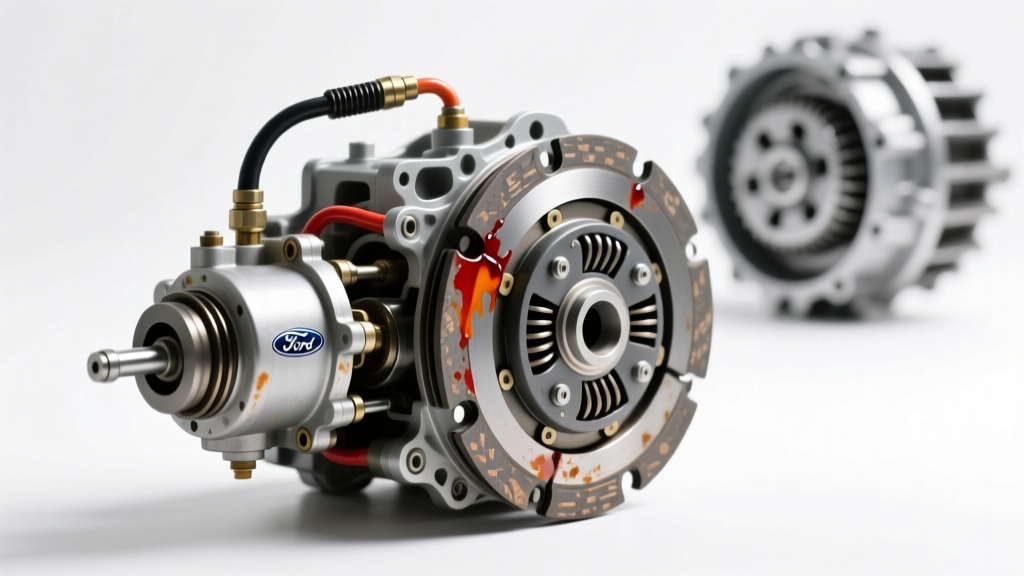
Beyond simple driver error (riding the clutch pedal in stop-and-go traffic), mechanical failures frequently induce clutch slip and subsequent burning. A leaking rear main seal or transmission input shaft seal will allow engine oil or gear oil to contaminate the friction disc. Once the porous organic material absorbs the petroleum-based lubricant, the coefficient of friction plummets. The clutch will slip under load, generating extreme heat and a continuous burning smell. For example, in high-performance applications utilizing the Ford MT-82 or Tremec TR-6060 manual transmissions, a failing concentric slave cylinder (CSC) can leak DOT 4 brake fluid directly onto the clutch disc, causing identical symptoms. When diagnosing a slipping clutch on these platforms, always inspect the bellhousing inspection cover for fluid weeping before condemning the friction disc itself.
Friction Material Breakdown Thresholds
Standard organic clutch discs, such as the Sachs KF021-X series, operate optimally up to approximately 400°F (204°C). Once surface temperatures exceed 500°F (260°C), the resin binders in the friction material begin to vaporize, creating the signature burning odor and leaving a hardened, glazed surface that permanently ruins the clamping efficiency. If you smell this odor, the disc is likely compromised and requires replacement, alongside a thorough flywheel resurfacing or replacement to remove embedded friction material and heat spots.
Addressing the AC Compressor Misdiagnosis
Because the AC compressor is driven by the serpentine belt and sits at the front of the engine, a failure here can easily mimic a drivetrain issue. A frequent question from DIYers in our 2026 diagnostic forums is: will ac clutch engage without freon? The definitive answer is no. Modern automotive HVAC systems are equipped with a low-pressure refrigerant switch (such as the Standard Motor Products PS113 or equivalent OEM sensor). If the system loses its R-1234yf or R-134a charge due to a leak, the low-pressure switch remains open. The Powertrain Control Module (PCM) monitors this circuit and will intentionally prevent the AC clutch relay from grounding, thereby stopping the compressor clutch from engaging to prevent catastrophic internal compressor damage from lack of lubricant circulation.
The Seized Bearing Phenomenon
However, if the AC clutch bearing seizes, the scenario changes dramatically. Even if the system is completely empty of freon and the electromagnetic clutch is disengaged, the serpentine belt must still route around the AC compressor pulley. If the pulley bearing locks up, the belt will drag across the stationary metal pulley at thousands of RPMs. This generates a massive amount of friction, melting the ribbed EPDM rubber of the serpentine belt and producing a thick, foul-smelling white smoke and a severe burning rubber odor. Untrained drivers frequently mistake this burning belt smell for a slipping transmission clutch, leading to unnecessary drivetrain teardowns. Always verify the AC pulley spins freely by hand with the engine off and the belt removed before authorizing a transmission removal.
Step-by-Step Diagnostic Framework
To accurately pinpoint the source of the burning smell, follow this structured diagnostic protocol:
- Step 1: Odor Isolation and HVAC Test. Turn off the cabin air recirculation and roll down the windows. If the smell is heavily localized to the front right (passenger) side of the engine bay and is accompanied by a squealing noise, suspect the AC compressor pulley or belt. If the smell is central, near the bellhousing, and worsens during gear changes or hill starts, suspect the manual clutch.
- Step 2: The Stall Test (Manual Transmission). Find a safe, open area. Engage the parking brake, press the service brake, and put the vehicle in 3rd gear. Slowly release the clutch pedal while applying moderate throttle. A healthy clutch will stall the engine immediately. If the engine RPMs climb and the burning smell returns, the clutch disc is severely worn, glazed, or contaminated.
- Step 3: AC Clutch Electrical and Mechanical Verification. With the engine off, use a multimeter to check the AC clutch coil resistance. A healthy Denso or Sanden compressor clutch coil should read between 3.5 and 4.5 ohms. Next, check the air gap between the clutch plate and the pulley using a feeler gauge; it must be between 0.020 and 0.035 inches. Finally, spin the pulley by hand to check for bearing drag or grinding.
Odor Profile and Component Failure Matrix (2026 Data)
| Odor Profile | Primary Suspect Component | Verification Test | 2026 Avg Repair Cost |
|---|---|---|---|
| Acrid, carbon-heavy, burnt brakes | Manual Transmission Clutch Disc | 3rd Gear Stall Test / Bellhousing Inspection | $1,200 - $2,400 |
| Sharp, melting rubber, white smoke | AC Compressor Pulley Bearing / Belt | Visual Belt Inspection / Pulley Spin Test | $350 - $750 |
| Sweet, syrupy burning smell | Heater Core / Coolant Leak on Exhaust | UV Dye Test / Cooling System Pressure Test | $600 - $1,100 |
| Ozone, electrical burning plastic | AC Clutch Electromagnetic Coil | Multimeter Resistance Test (Expect 3.5-4.5Ω) | $250 - $500 |
| Hot petroleum, sulfur-like | Manual Gearbox / Differential Overheat | Infrared Thermometer on Housing (Max 220°F) | $400 - $3,500 |
Critical Torque Specifications and Clearances
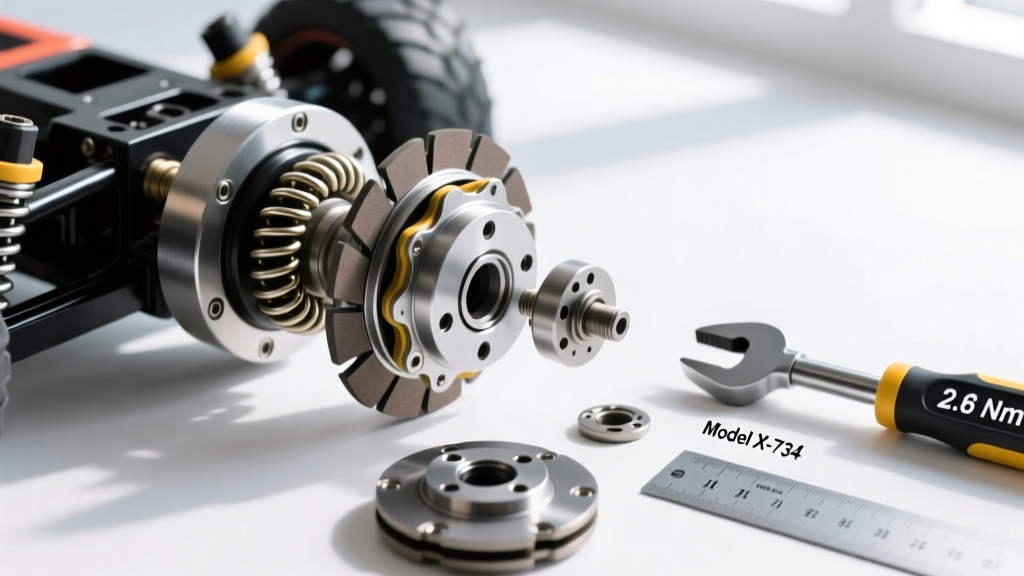
If your diagnosis confirms a burnt manual transmission clutch requiring replacement, adhering to exact factory torque specifications is non-negotiable to prevent warping, vibration, and premature failure. Below are the critical specs for the widely serviced Ford MT-82 manual transmission platform (commonly found in 2011-2023 Mustang applications):
- Flywheel to Crankshaft Bolts: 59 lb-ft, plus an additional 90-degree turn. (Always use new OEM Ford or ARP fasteners; never reuse torque-to-yield flywheel bolts).
- Pressure Plate to Flywheel Bolts: 22 lb-ft in a star pattern. Use a medium-strength threadlocker (e.g., Loctite 243) to prevent backing out under high-RPM centrifugal force.
- Bellhousing to Engine Block: 37 lb-ft. Ensure the alignment dowels are perfectly seated to prevent input shaft binding and clutch drag.
- Driveshaft Flange to Pinion: 81 lb-ft. Mark the orientation before removal to maintain factory driveline balance.
For the hydraulic actuation system, always bleed the concentric slave cylinder using fresh, sealed DOT 4 brake fluid. Air trapped in the hydraulic lines will result in incomplete clutch disengagement, causing gear grind and accelerated friction material wear.
Summary and Professional References
Diagnosing a clutch burning smell requires looking beyond the transmission and evaluating the entire front-end accessory drive and engine sealing systems. While a slipping manual clutch is a primary suspect, never ignore the potential for a seized AC compressor pulley or a failing hydraulic slave cylinder to generate misleading odors. Furthermore, understanding PCM logic—such as the fact that the AC clutch will not engage without freon due to low-pressure lockouts—helps technicians rule out electrical compressor engagement issues when faced with a completely dead HVAC system. By utilizing structured stall tests, multimeter diagnostics, and strict adherence to factory torque data, you can accurately resolve under-hood burning odors on the first visit.
References and Technical Standards:
- SAE International - Standards for Automotive Friction Materials and Clutch Assembly Testing (J2522 / J2477).
- Ford Motorcraft Service - Official Workshop Manuals for MT-82 Transmission Torque Specifications and Hydraulic Bleed Procedures.
- Standard Motor Products (SMP) - Technical bulletins on HVAC low-pressure switch logic and AC clutch coil resistance parameters.