The Drivetrain Hand-Off: Transfer Case to Differential
When you shift your 4WD truck into gear, a complex mechanical ballet begins. For the 2017 Ford F-150, this dance is orchestrated by the 6R80 automatic transmission, which sends torque into the transfer case. But the transfer case is only the middleman. Its job is to split power between the front and rear axles, making the relationship between the transfer case and the rear differential absolutely critical. As we navigate through 2026, many 2017 F-150s are crossing the 100,000 to 150,000-mile threshold. This is the exact mileage window where neglected drivetrain fluids begin to cause catastrophic, cascading failures.
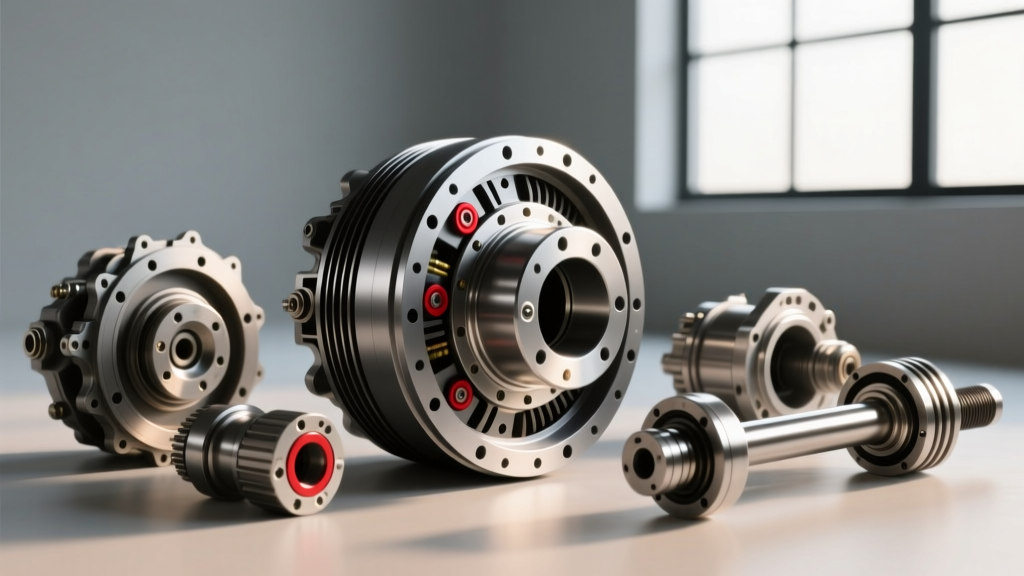
Depending on your trim and engine, your 2017 F-150 is equipped with one of two primary BorgWarner transfer cases: the BW 4422 (part-time 4WD, common on XLT and Lariat) or the BW 4427 (Torque-on-Demand, common on Platinum and Limited trims). Both of these units rely on a heavy-duty chain and clutch packs to route power to the rear driveshaft, which ultimately terminates at the rear differential (either the Ford 8.8-inch or the Super 9.75-inch axle). Understanding how these components interact is the first step in mastering your truck's maintenance.
Why 2017 F150 Rear Differential Fluid Matters to the Transfer Case
Beginners often view the transfer case and the rear differential as isolated, sealed units. In reality, they are mechanically married. When you engage 4-High or 4-Low in a part-time BW 4422 transfer case, the front and rear output shafts are mechanically locked together, forcing them to spin at the exact same speed.
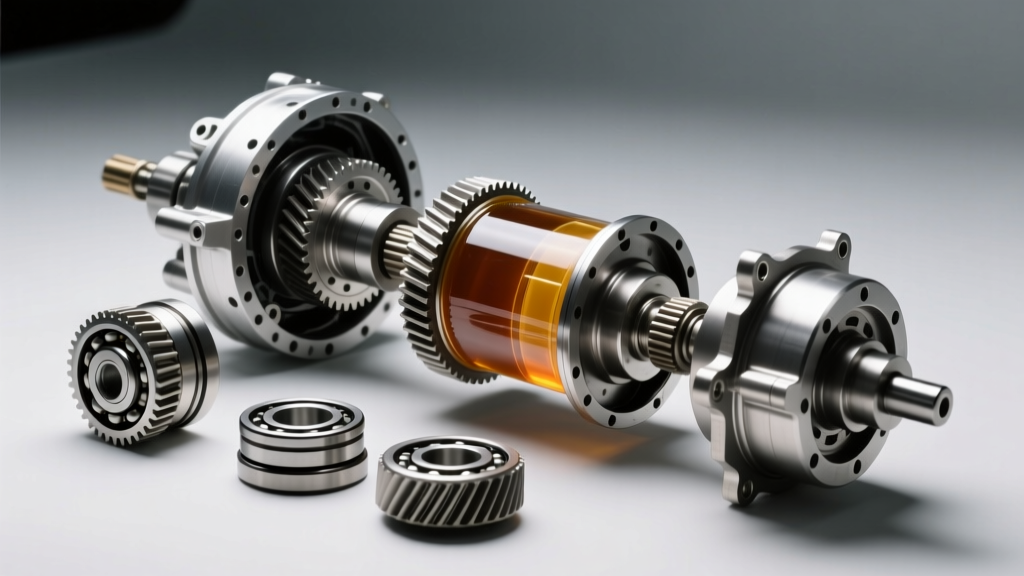
If your 2017 F150 rear differential fluid is degraded, low, or lacking the proper friction modifiers, the internal clutch packs inside the limited-slip differential will bind or chatter. This binding creates immense rotational resistance. Because the transfer case is locked in 4WD, that resistance has nowhere to go but back up the driveline. This phenomenon, known as driveline wind-up, places extreme lateral stress on the transfer case chain, the mainshaft bearings, and the output shaft seals. Over time, a $40 rear differential fluid neglect can lead to a $1,500 transfer case rebuild.
The Limited-Slip Friction Modifier Factor
The 2017 F-150 utilizes a clutch-type limited-slip differential (LSD). Unlike a Torsen (gear-driven) unit, a clutch-type LSD requires a specific chemical additive to allow the clutches to slip smoothly during cornering. Ford specifies the use of Motorcraft XL-3 Friction Modifier. If you change your rear differential gear oil but forget to add the XL-3 modifier, the clutches will grab aggressively. You will feel a violent shudder from the rear axle during slow turns, and the resulting shock loads will travel directly back into the transfer case chain.
2017 F-150 Fluid Specifications & Capacities
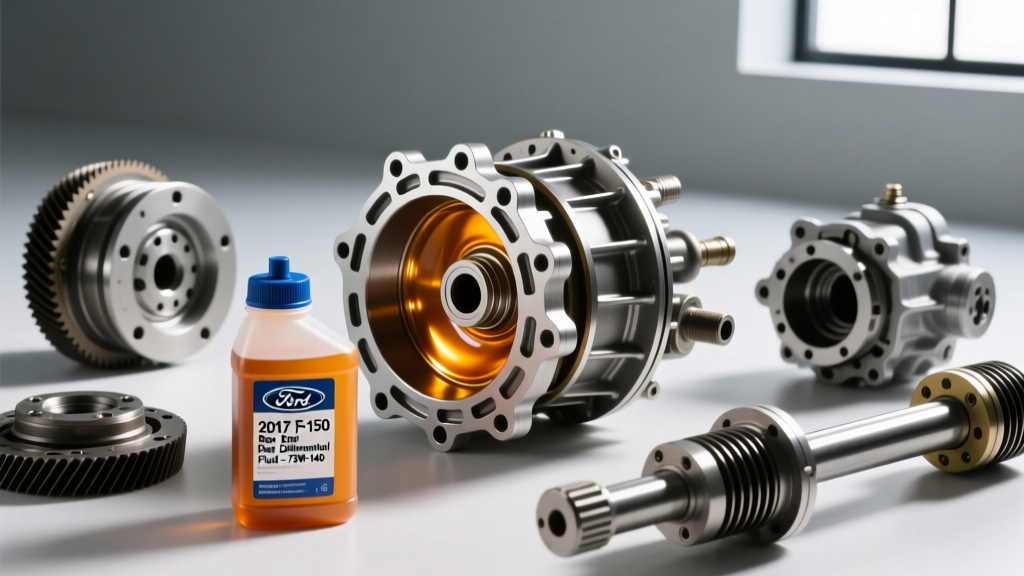
Using the correct fluid is non-negotiable. Modern transfer cases and differentials operate under extreme thermal loads, especially when towing. Below is the definitive 2026 reference table for your 2017 F-150's drivetrain fluid requirements, sourced directly from Ford Fleet Maintenance Guidelines and the Motorcraft Lubricants Catalog.
| Component | Model / Axle Size | Required Fluid Type | Capacity | Torque Spec (Plugs/Cover) |
|---|---|---|---|---|
| Transfer Case | BW 4422 (Part-Time) | Motorcraft MERCON LV (XL-12) | 1.89 qt (1.8 L) | 35 lb-ft (Drain/Fill) |
| Transfer Case | BW 4427 (TOD) | Motorcraft MERCON LV (XL-12) | 1.89 qt (1.8 L) | 35 lb-ft (Drain/Fill) |
| Rear Axle | 8.8-inch (Standard) | 75W-85 Synthetic Gear Oil | ~2.5 pints | 32 lb-ft (10 Cover Bolts) |
| Rear Axle | 9.75-inch (Super) | 75W-90 Synthetic Gear Oil | ~3.0 pints | 33 lb-ft (12 Cover Bolts) |
Note: Always add 4 oz of Motorcraft XL-3 Friction Modifier to the rear axle if equipped with a standard clutch-type Limited Slip Differential. Do NOT add modifier to Torsen or locking differentials.
Step-by-Step: Inspecting the Rear Diff and Transfer Case
Servicing these components at home is highly achievable and will save you between $250 and $400 in dealership labor costs. A complete DIY fluid and sealant kit will run you about $85 to $110.
1. The Transfer Case Service
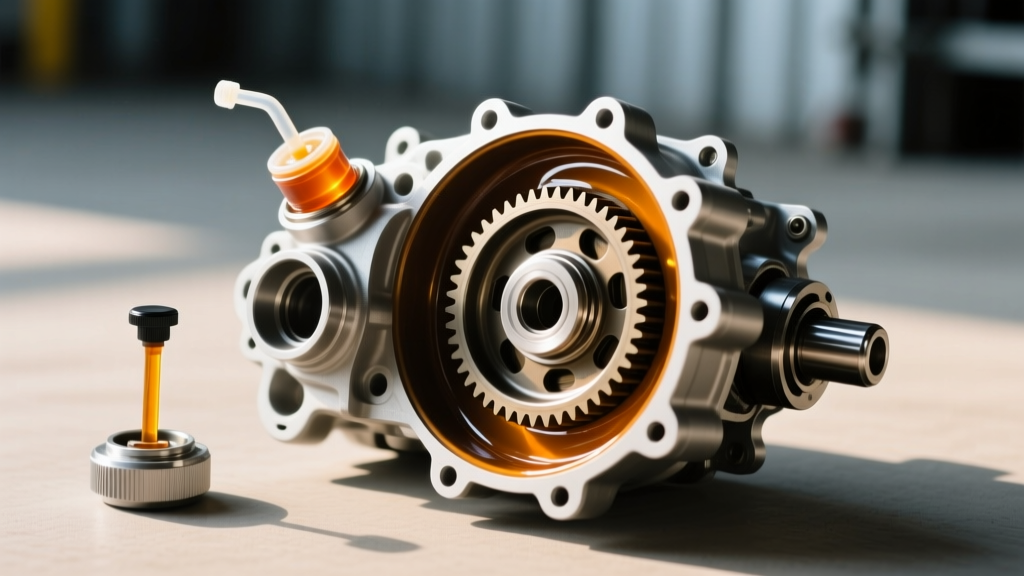
The BorgWarner transfer cases on the 2017 F-150 feature dedicated drain and fill plugs. This is a massive advantage over older sealed units. Using a 3/8-inch drive ratchet, remove the fill plug first (always do this so you don't drain the case and then find the fill plug is seized). Next, remove the drain plug. The MERCON LV fluid should be reddish. If it is dark brown, smells burnt, or contains glitter-like metallic particles, your internal clutch packs or chain guides are wearing prematurely. Refill with exactly 1.89 quarts of fresh MERCON LV until it weeps from the fill hole, then reinstall the plug to 35 lb-ft.
2. The Rear Differential Service
Unlike the transfer case, the Ford 8.8 and 9.75 rear axles do not have a drain plug. You must remove the entire differential cover.
- Preparation: Place a drain pan beneath the axle. Use a 13mm socket to remove the cover bolts, leaving the top two bolts loosely threaded to act as a hinge.
- Cleaning: Pry the cover loose and let the 75W-85 or 75W-90 gear oil drain. Scrape the old RTV silicone from both the axle housing and the stamped steel cover. Use brake cleaner to wipe down the internal ring and pinion gears and the magnetic pickup bolt (if equipped).
- Sealing: Do not use cheap gaskets. Apply a continuous 3mm bead of Motorcraft TA-31 Black Silicone RTV to the cover. This specific high-torque, oil-resistant sealant is vital for preventing leaks under heavy towing loads.
- Torquing: Reinstall the cover and torque the bolts in a crisscross pattern to 32 lb-ft (8.8-inch) or 33 lb-ft (9.75-inch). Allow the RTV to cure for at least 2 hours before filling.
- Filling: Pump the new synthetic gear oil mixed with the XL-3 modifier into the fill hole until it reaches the bottom of the threads. Reinstall the fill plug.
Real-World Failure Modes: When Neglected Fluid Kills the Transfer Case
To truly understand the transfer case and differential relationship, we must look at what happens when maintenance is ignored. According to drivetrain specialists and data from BorgWarner Transfer Case Systems, the most common failure point on the 2017 F-150's BW 4422 is chain stretch due to inadequate lubrication and subsequent driveline binding.
As the transfer case fluid breaks down, the chain and sprockets wear. A stretched chain will begin to 'slap' the inside of the transfer case housing during acceleration. Because the BW 4422 housing is made of lightweight magnesium-aluminum alloy, the hardened steel chain will literally saw a hole through the bottom of the case. Once the case is breached, the transfer case loses its MERCON LV fluid in minutes. If the driver does not notice the puddle or the whining noise, the transfer case will seize, locking the rear driveshaft and potentially causing a loss of vehicle control at highway speeds.
Furthermore, if the rear differential fluid is low, the pinion bearing will overheat and fail. A seized rear differential will send a massive shock load back through the driveshaft, instantly shattering the transfer case output shaft or stripping the splines on the yoke.
2026 Pro-Tip: If you frequently tow heavy trailers or drive in stop-and-go traffic with a heavy payload, shorten your drivetrain fluid intervals. While Ford's manual may suggest inspecting the rear axle fluid every 150,000 miles under 'normal' conditions, real-world 'severe' towing conditions warrant a rear differential and transfer case fluid change every 50,000 to 60,000 miles to protect your investment.
Final Thoughts on Drivetrain Harmony
The 2017 F-150 is a remarkably capable machine, but its 4WD system relies on a delicate balance of mechanical grip and chemical lubrication. By understanding how the transfer case and rear differential interact, you can see why using the exact specified 2017 F150 rear differential fluid, applying the correct friction modifier, and maintaining proper torque specs are not just pedantic details—they are the difference between a truck that lasts 300,000 miles and one that leaves you stranded on the side of the highway with a shattered transfer case. Grab your tools, order your Motorcraft fluids, and give your drivetrain the service it deserves.