The 14th-Generation F-150 Drivetrain: Torque Meets Vulnerability
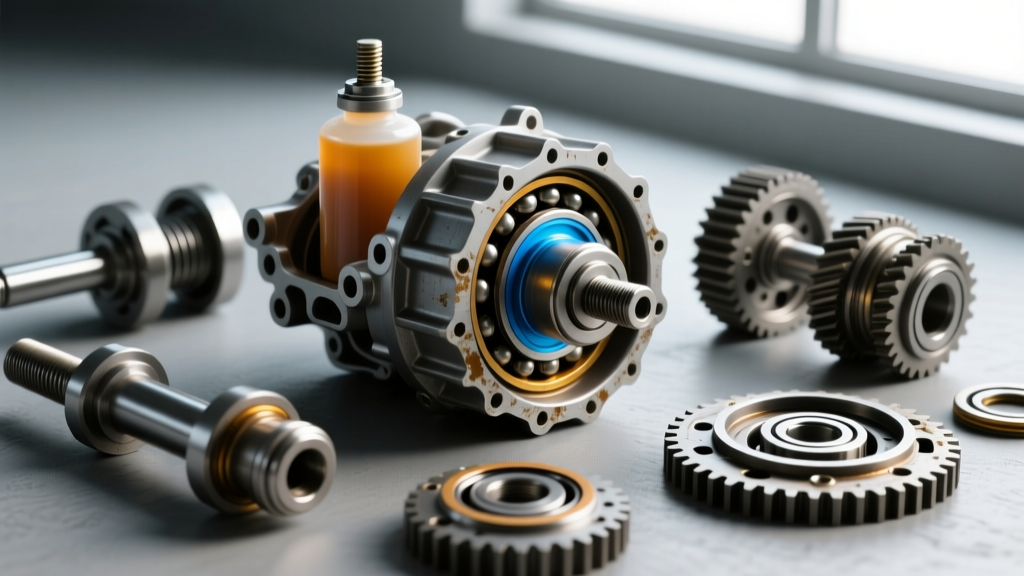
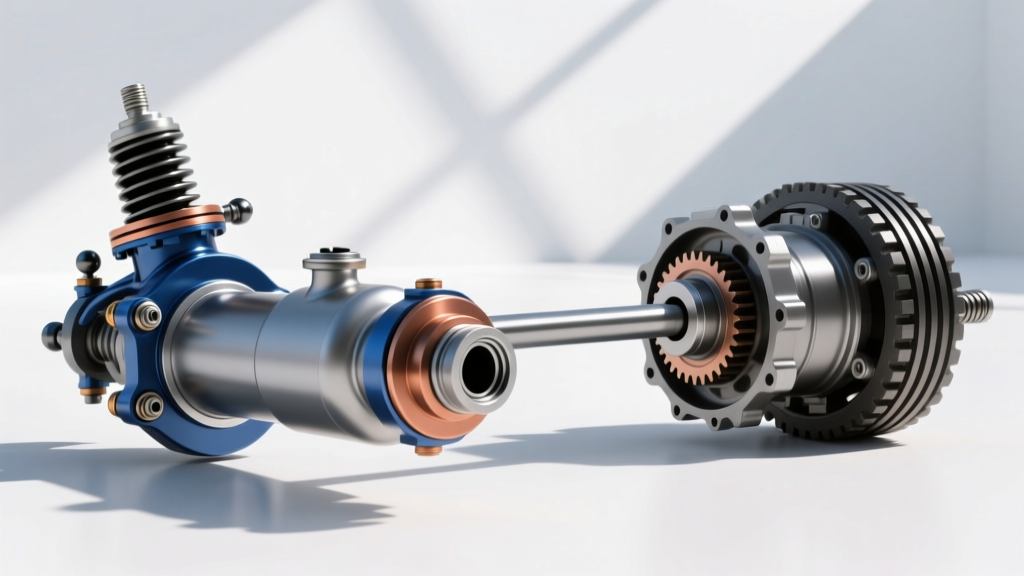
The modern Ford F-150, particularly the 14th-generation models spanning from 2021 through the 2026 lineup, represents a massive leap in powertrain engineering. Whether equipped with the 3.5L PowerBoost hybrid or the high-output EcoBoost V6, these trucks generate immense low-end torque. This twisting force is ultimately routed through the rear axle—typically the Ford 9.75-inch, the heavy-duty 10.25-inch, or the 10.5-inch TREMEK variant. However, this immense capability comes with a mechanical caveat: the drivetrain is highly sensitive to lubrication loss. When an F150 rear differential leak goes unnoticed, it rapidly transitions from a messy driveway puddle into catastrophic bearing failure and gear whine.
As automotive drivetrain specialists, we see a direct correlation between neglected seal leaks and premature ring-and-pinion scoring. This guide provides an expert-level diagnostic framework for troubleshooting rear axle noise, pinpointing the exact source of your F150 rear differential leak, and executing the correct fluid and seal repairs using OEM specifications.
The Acoustic Diagnostic Matrix: Decoding Axle Noise
Before tearing into the differential cover, you must accurately interpret the acoustic signature of the axle. Differential noise is rarely random; it is a direct communication of load, friction, and gear mesh geometry. Use the following matrix to isolate the failing component based on driving conditions.
| Noise Type | Driving Condition | Probable Mechanical Cause | Severity Level |
|---|---|---|---|
| High-Pitch Whine | Deceleration (Coast) | Worn coast-side ring/pinion gear teeth or low fluid starvation | High |
| Low-Frequency Howl | Acceleration (Drive) | Pinion bearing preload loss or drive-side gear scoring | Critical |
| Rhythmic Clunking | Low-speed turns | Limited-slip clutch pack failure or missing friction modifier | Medium |
| Growling/Rumbling | Constant Highway Speed | Carrier bearing or axle shaft bearing brinelling | High |
If your truck exhibits a howl or whine that shifts pitch exactly at the 45-55 MPH threshold, you are likely dealing with gear mesh degradation exacerbated by fluid starvation. Community data and teardown reports on F150Forum consistently highlight that ignoring early-stage whining on the 10.25-inch axle often results in spalling on the pinion gear within 5,000 miles of the first audible symptom.
How an F150 Rear Differential Leak Triggers Failure
Understanding the fluid dynamics inside the differential housing is crucial. The ring and pinion gears rely on a hydrodynamic wedge of gear oil to prevent metal-on-metal contact. When an F150 rear differential leak occurs, the fluid level drops below the critical submersion line of the pinion bearing.
Unlike the axle shaft bearings, which are partially lubricated by gravity and splash, the pinion bearing relies entirely on the upward fling of the ring gear. A leak that drops the fluid level by just one inch starves the pinion bearing of oil. The resulting friction generates extreme heat, which destroys the bearing cage and alters the pinion depth. Once the pinion depth shifts by even a few thousandths of an inch, the precise gear mesh pattern is ruined, resulting in the characteristic axle whine. Furthermore, extreme heat degrades the synthetic base stock of the gear oil, stripping it of its extreme-pressure (EP) additives.
Pinpointing the Source of the Leak
To properly address the issue, you must identify where the housing is compromised. The 14th-generation F-150 axles have four primary failure points for fluid egress:
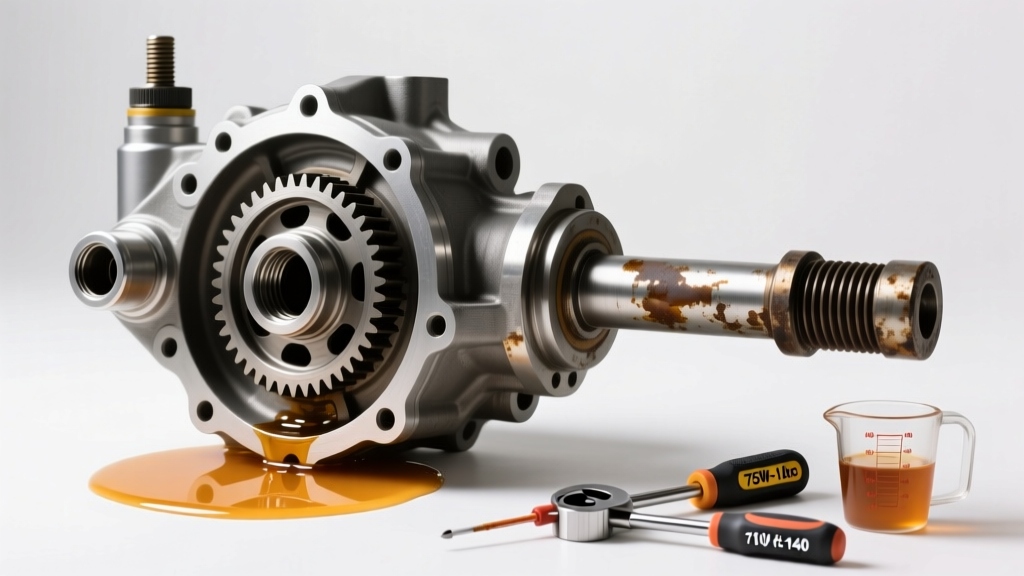
- The Pinion Seal: Located where the driveshaft yoke meets the differential. This is the most common failure point due to high rotational speeds and harmonic vibration. If you see fluid slung in a radial pattern across the undercarriage and exhaust, the pinion seal is compromised.
- Axle Shaft Seals: Located at the backing plates. Leaks here will coat the inside of the brake rotors and drums, leading to severe braking performance loss. Timken replacement seals (available via RockAuto for roughly $15 to $30) are the industry standard for this repair.
- The Differential Cover: Ford uses a combination of RTV silicone and stamped steel covers on the 9.75-inch, while heavier 10.25-inch models may use a gasket or heavy-duty RTV. Overtorquing the cover bolts during a previous fluid change frequently warps the flange, causing slow weeping.
- The Electronic Locker Actuator Seal: On models equipped with the electronic locking differential (e-locker), the wiring harness pass-through on the axle tube can develop micro-cracks in the rubber grommet, allowing fluid to wick up the wiring harness via capillary action.
Fluid Specifications and the Friction Modifier Imperative
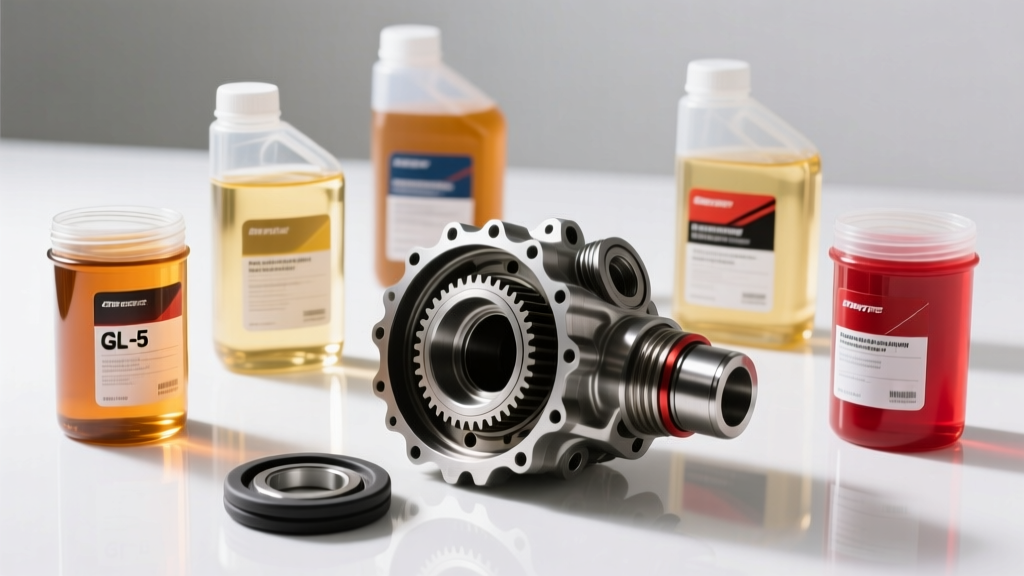
When repairing an F150 rear differential leak, refilling with the correct fluid is non-negotiable. Ford's engineering tolerances for the 9.75-inch and 10.25-inch axles require specific synthetic hypoid gear lubricants.
Standard and Heavy-Duty Applications
For standard towing and daily driving, Ford specifies SAE 75W-85 Premium Synthetic Hypoid Gear Lubricant (WSS-M2C942-A). However, for F-150s equipped with the Max Trailer Tow Package, the Raptor, or the Tremor package, the factory fill is SAE 75W-140 Synthetic (WSS-M2C942-B) to handle the increased thermal loads of heavy GCWR (Gross Combined Weight Rating).
The E-Locker and Torsen LSD Factor
If your F-150 is equipped with a Torsen limited-slip differential or the electronic locker, the fluid must be supplemented with Motorcraft XL-3 Friction Modifier (EST-M2C118-A). Without this additive, the clutch packs will chatter aggressively during low-speed turning maneuvers. While synthetic oils from Amsoil or Red Line often include friction modifiers in their formulation, using the OEM Motorcraft XL-3 ensures the exact coefficient of friction required by Ford's e-locker engagement logic.
Expert Repair Protocol: The Crush Sleeve Elimination
If your diagnosis confirms a pinion seal leak, the traditional repair involves removing the driveshaft, pulling the yoke, replacing the seal, and installing a new crush sleeve to reset the bearing preload. This requires a specialized inch-pound torque wrench and a heavy-duty torque multiplier to crush the sleeve until rotational drag reaches 8-14 inch-pounds.
Expert Tip: Drivetrain specialists strongly recommend installing a Solid Pinion Spacer Kit (such as those manufactured by Ratech) instead of a new crush sleeve. A solid spacer uses precision-machined shims to set the bearing preload. This eliminates the risk of over-crushing the sleeve (which destroys the new pinion bearing) and makes future pinion seal replacements a simple bolt-on job without the need to reset preload. Given the high torque output of the 2024-2026 EcoBoost engines, a solid spacer prevents pinion nut backing-off under heavy load.
Torque Specifications and Reassembly Data
Adhering to exact torque specifications is critical to preventing secondary leaks and housing distortion. Below are the baseline specifications for the prevalent F-150 rear axles:
- Differential Cover Bolts (10mm/12mm heads): 28 to 38 lb-ft. (Do not exceed 40 lb-ft, or the stamped steel cover will warp and leak).
- Pinion Nut (Standard Crush Sleeve): 200 to 250 lb-ft minimum to initiate crush, but final torque is dictated strictly by the 8-14 in-lb rotational drag spec.
- Driveshaft Flange Bolts (12mm 12-point): 76 to 85 lb-ft. Apply a medium-strength blue threadlocker to prevent harmonic loosening.
- Axle Shaft Retainer Nuts (10.25-inch Full Floating): 60 to 75 lb-ft in a star pattern.
When to Rebuild vs. Replace the Center Section
If your F150 rear differential leak was ignored and the axle is now exhibiting a loud, constant howl accompanied by metallic flakes on the magnetic fill plug, a simple seal and fluid service will not suffice. You must evaluate the cost of a rebuild versus a remanufactured center section.
A master rebuild kit (including Timken bearings, shims, and seals) costs between $150 and $250. However, if the ring and pinion are scored, a new OEM Ford gear set will add $400 to $700 to the parts bill, not including the specialized labor required to set the gear mesh pattern using a dial indicator. In many cases, sourcing a low-mileage remanufactured center section from a certified drivetrain rebuilder and swapping the entire third member is more cost-effective and guarantees a factory-correct gear mesh pattern, getting your F-150 back to work with zero downtime.